Карточки с промптами для бесплатных материалов
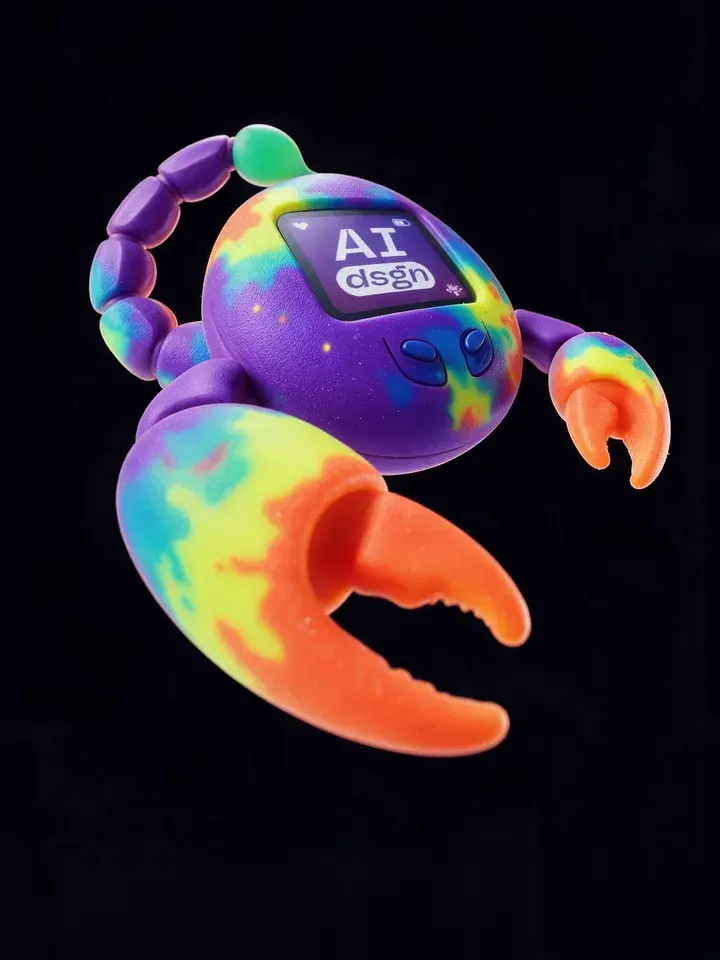
Клешня — Seedream
Wide angle · Для объектов

Клешня — Seedream

Use the uploaded image as the visual source and preserve the object’s exact recognizable shape, construction, proportions, colors, materials, textures, patterns, logos, inscriptions and placement of every detail. Rebuild the composition around extreme object-specific foreshortening. Analyze the silhouette and identify the two most widely separated structural points, the principal three-dimensional axis and the broadest, heaviest or most distinctive endpoint. Direct this individual axis almost straight toward the camera, placing the selected endpoint only 5–15 cm from the lens while the opposite endpoint recedes deeply away from it. The nearest section occupies 45–60% of the composition and appears three to five times larger than the farthest section. For a compact object, construct the depth axis between its most distinctive asymmetrical feature and the opposite contour point. The frontal surface turns into a sharply receding plane while every identifying feature remains readable. Use a 10 mm rectilinear ultra-wide perspective with clean rectangular edge-to-edge coverage, uninterrupted corners and the lens completely outside the photograph. Prioritize severe near-to-far scale change, elongated depth and dramatic perspective shortening over a balanced frontal product view. Levitate the object freely in the original environment with visible empty space beneath and around it, zero support, zero surface contact and zero cast or contact shadow. Keep the entire object and every attached component inside the frame with a narrow margin of breathing room. Preserve the original background, lighting, colors and atmosphere, transformed consistently by the new camera position. The chosen foreground endpoint, depth direction, rotation and camera height must arise from the unique geometry of each uploaded object, creating a different dramatic viewpoint for every input.