Карточки с промптами для бесплатных материалов
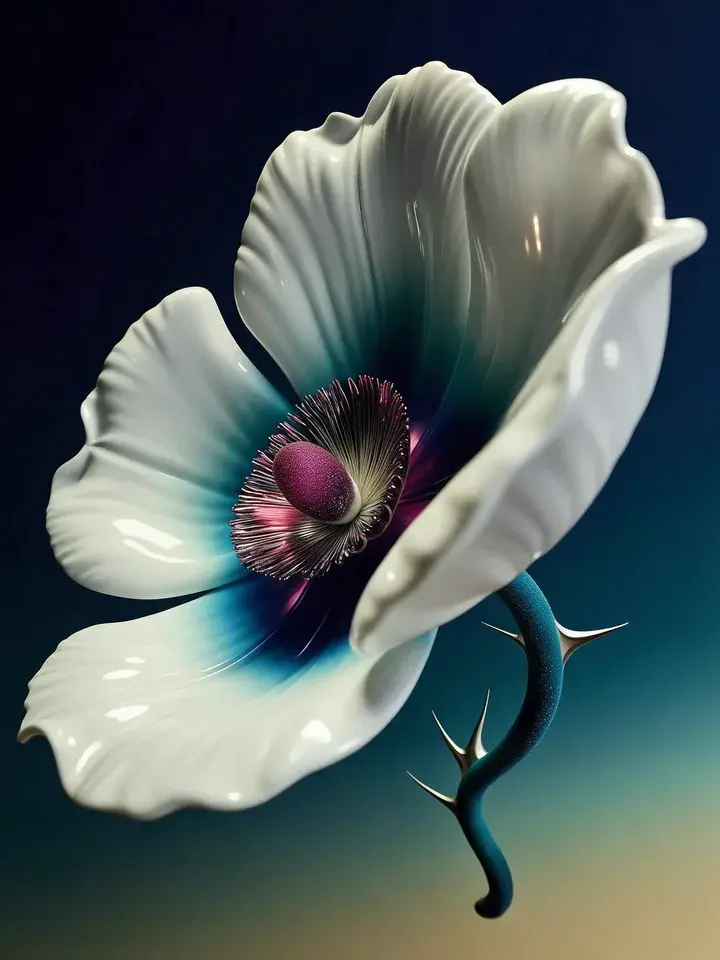
Светлый цветок
Wide angle · Для объектов

Светлый цветок

Use the uploaded image as the authoritative full-scene reference for the object and its environment. Preserve the exact number of objects and each object’s recognizable silhouette, rigid construction, proportions, number and placement of parts, colors, materials, textures, patterns, finish, logos, inscriptions and every identifying detail. Preserve the same recognizable background, location, surrounding objects, architecture or landscape, lighting, colors and atmosphere. Analyze the silhouette, principal three-dimensional axis, two most widely separated structural points and the broadest, heaviest or most distinctive volume, then choose a unique camera side, height, tilt and rotation derived from this specific construction. Treat the object as an unchanged rigid volume and create all exaggeration through camera position and perspective. For an elongated object, point its length almost directly toward the camera; for a flat or compact object, turn its main face 55–75 degrees away from the image plane and direct its strongest edge or corner toward the camera; for an asymmetrical object, align its most distinctive volume with the opposite contour point. Position an extreme rectilinear ultra-wide close-focus virtual camera closer to the foreground surface than the object’s own front-to-back depth. The nearest section occupies 50–65% of the composition and appears four to six times larger than the farthest section. Create a continuous scale cascade across the whole object through dramatically expanded near geometry, rapid reduction into depth, severe foreshortening, peripheral stretching and strongly converging structural lines. Build this perspective transformation first, then extend the surrounding canvas until the complete distorted silhouette fits inside the image with 8–12% breathing room. Levitate the object freely within the original environment, with visible open air beneath and around it, complete separation from surrounding surfaces and shadowless suspension. Reproject the same identifiable background consistently from the new viewpoint. The image fills the complete rectangular canvas edge to edge with natural background imagery in all four corners; optical hardware, circular image boundaries, black rims and vignetting are entirely absent.