
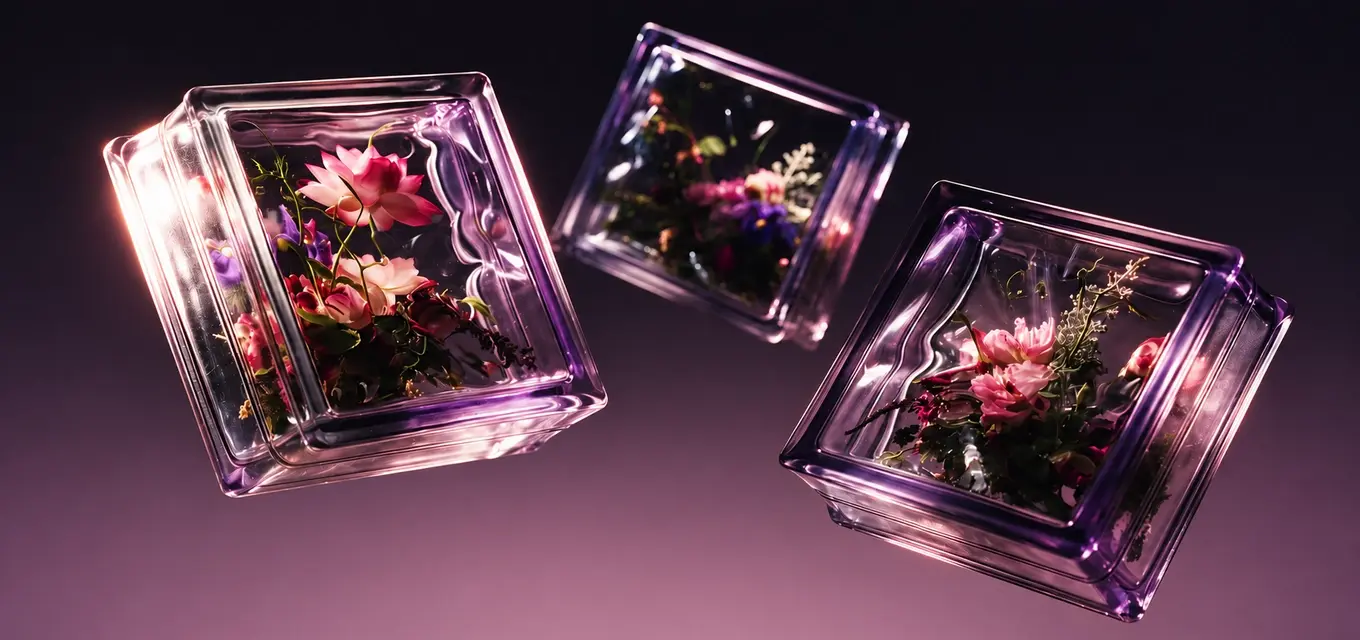
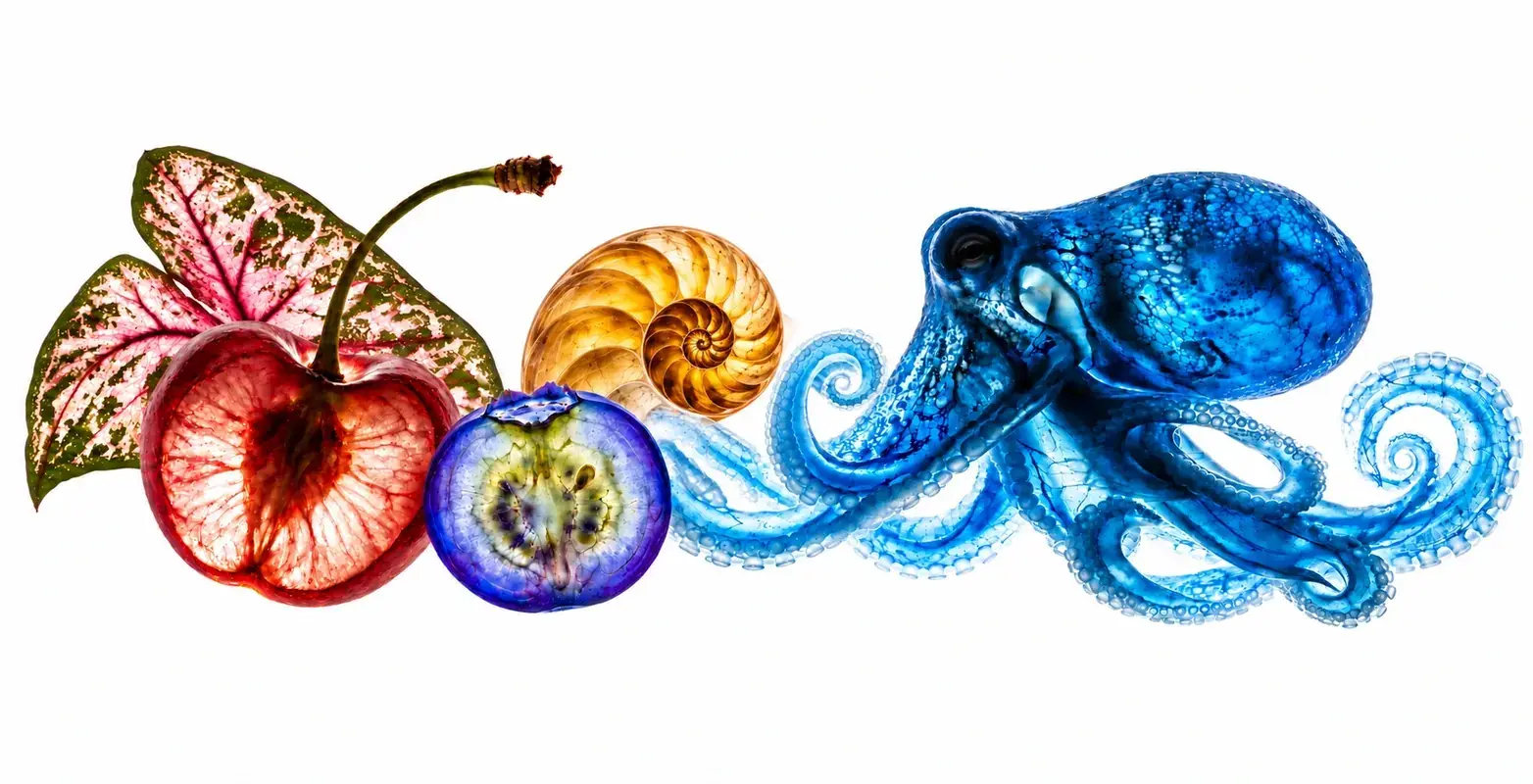


Frosted glass
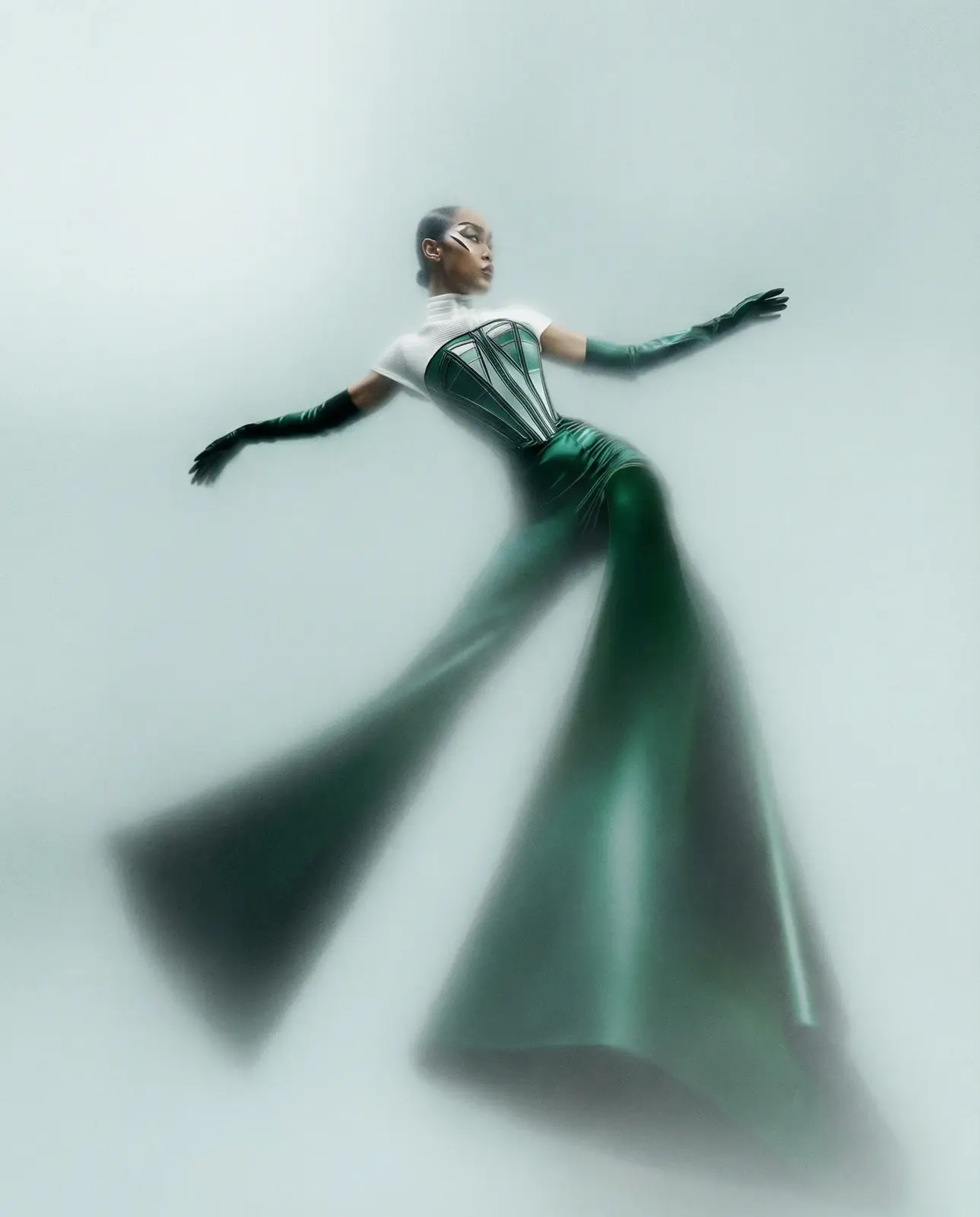
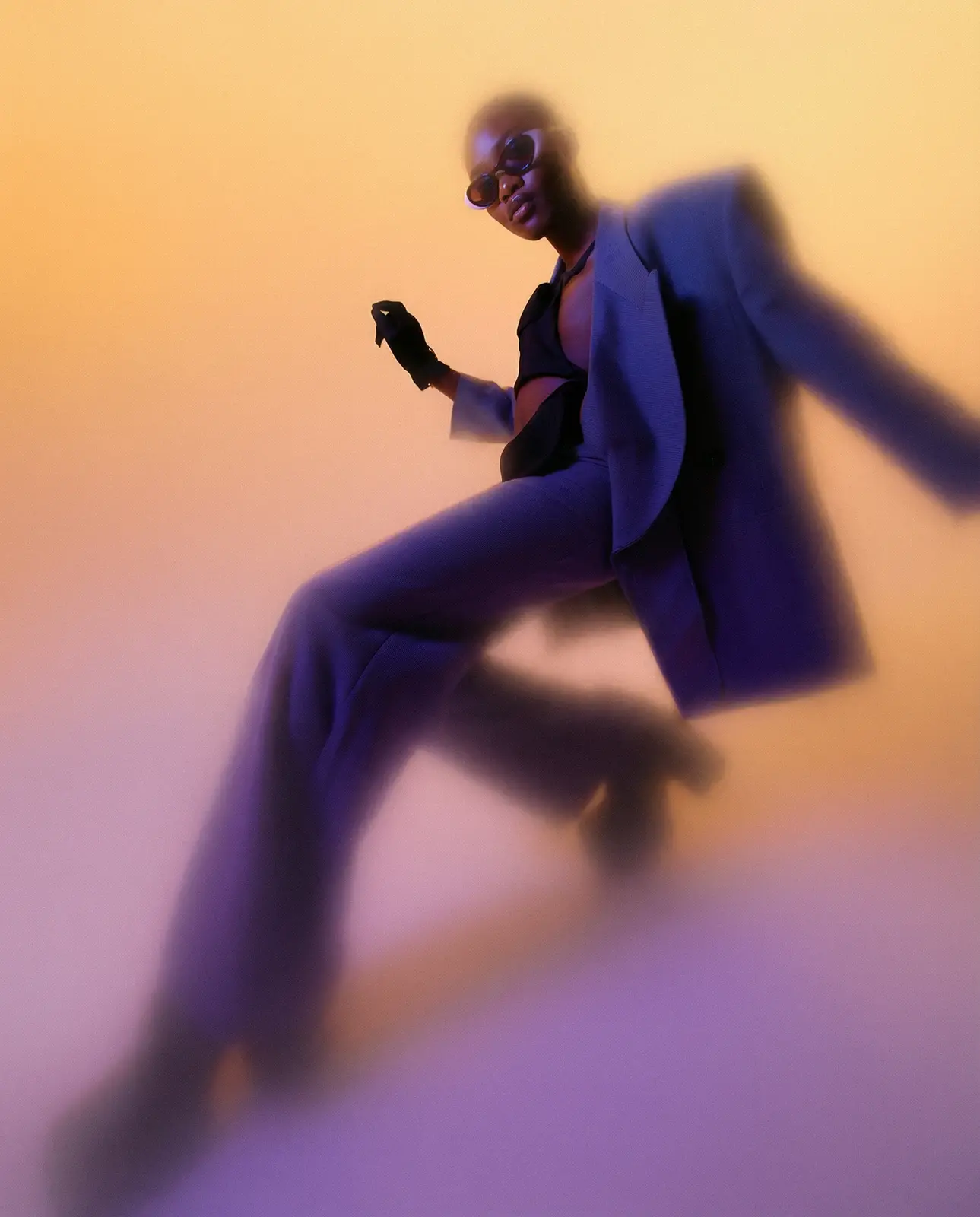
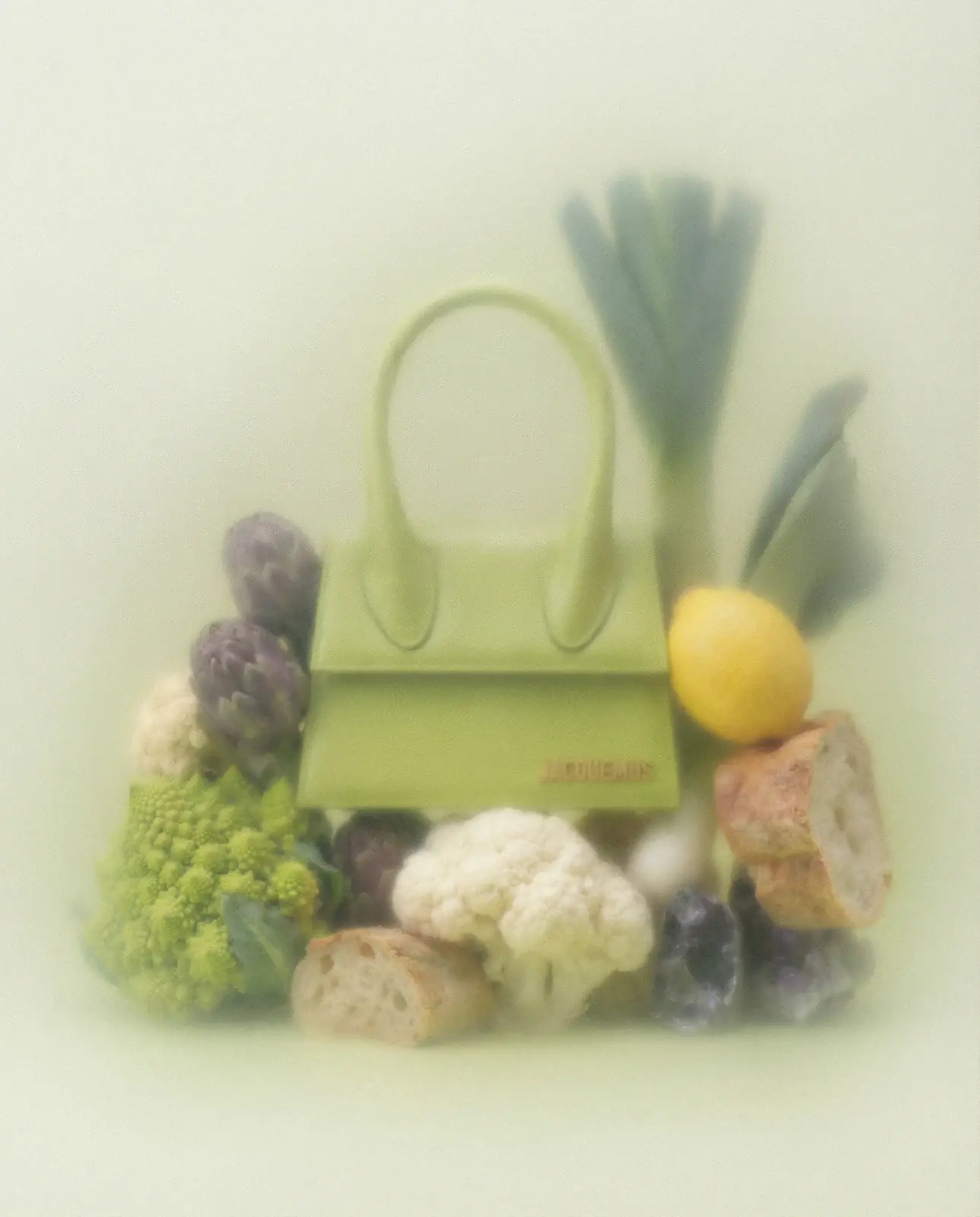
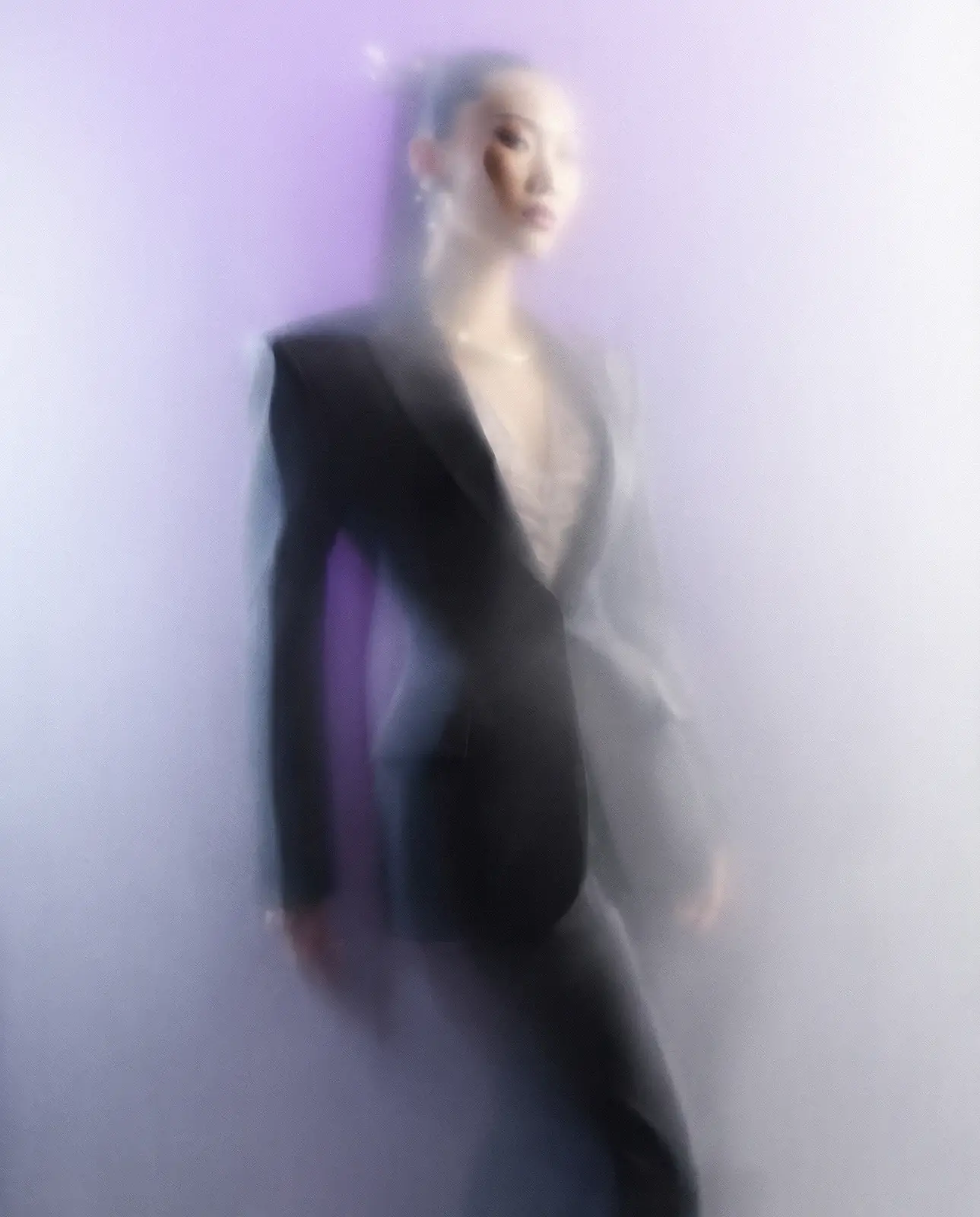
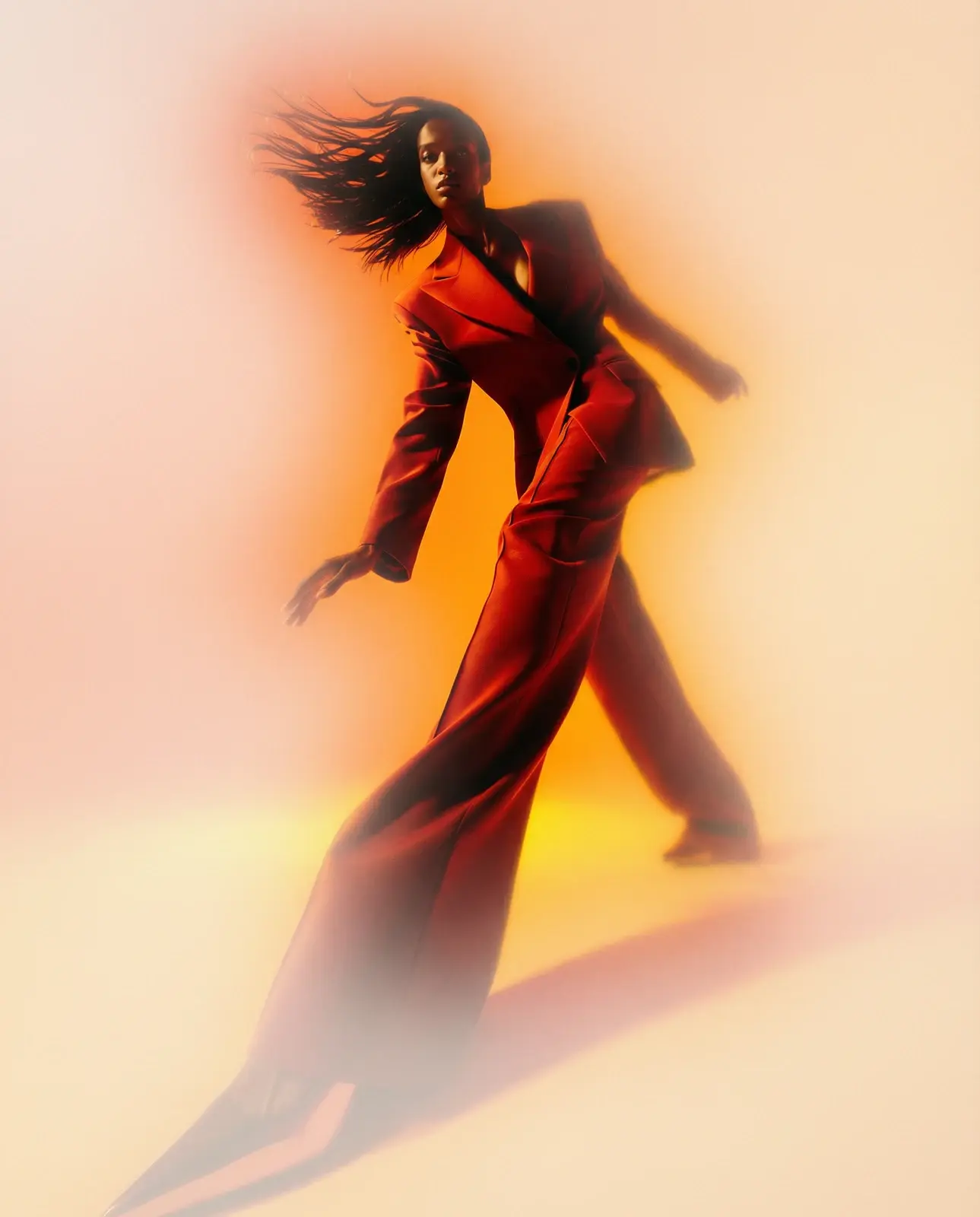
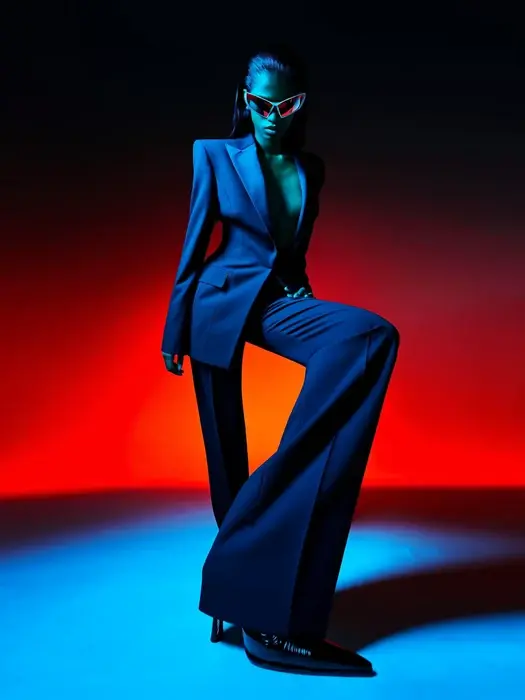
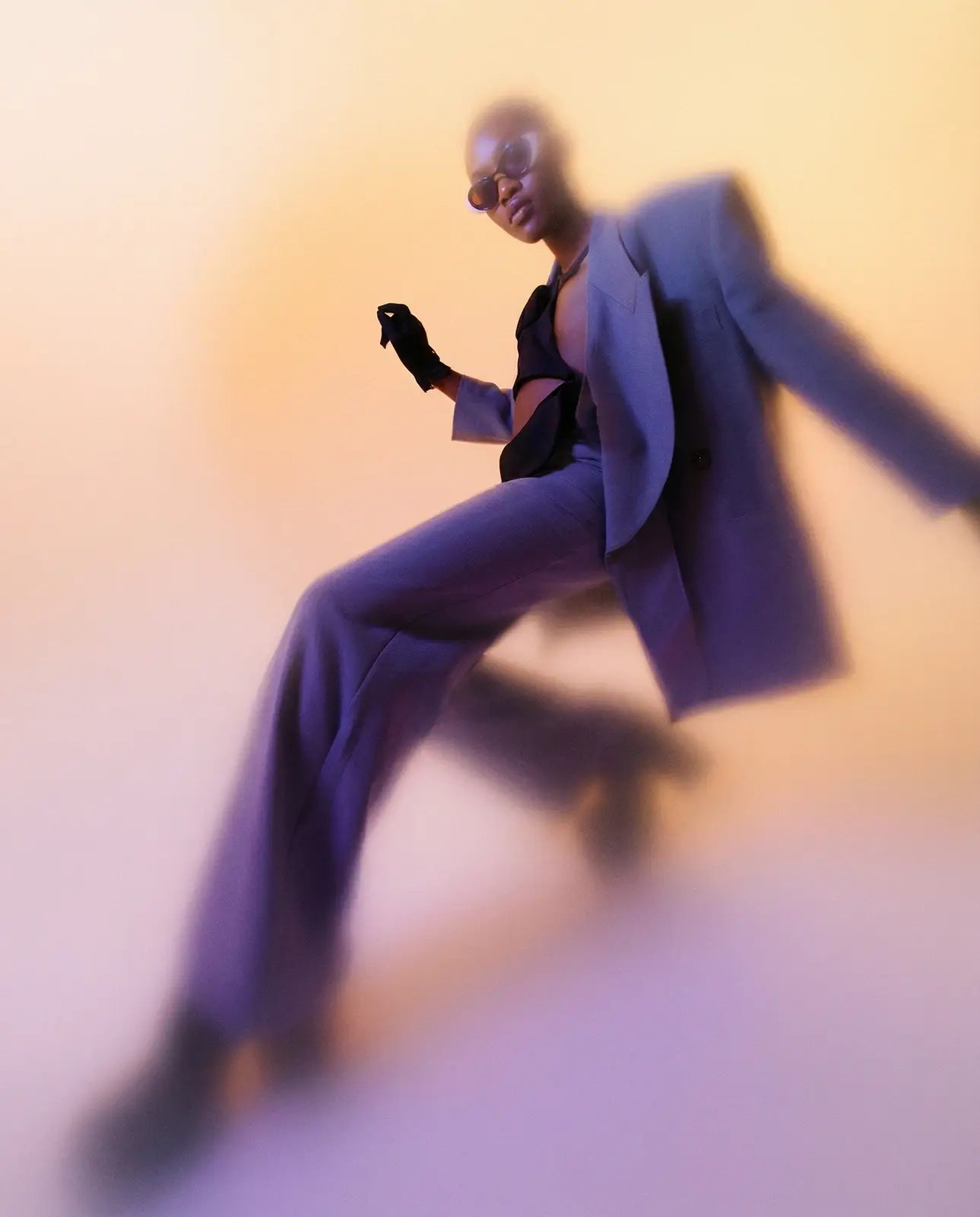
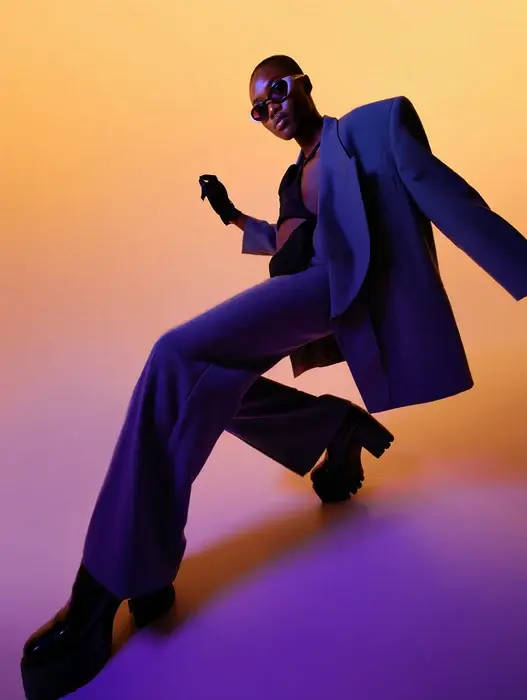
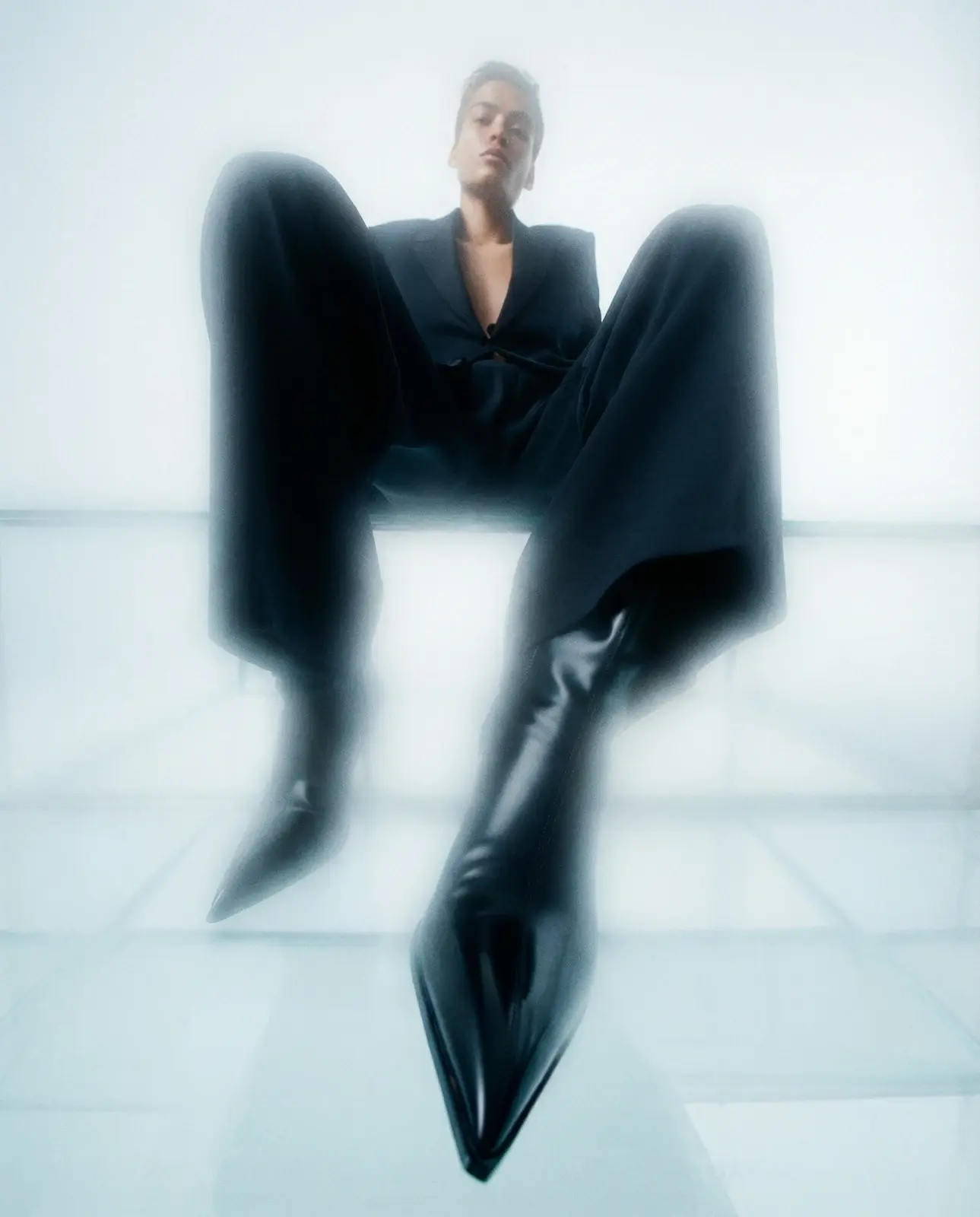
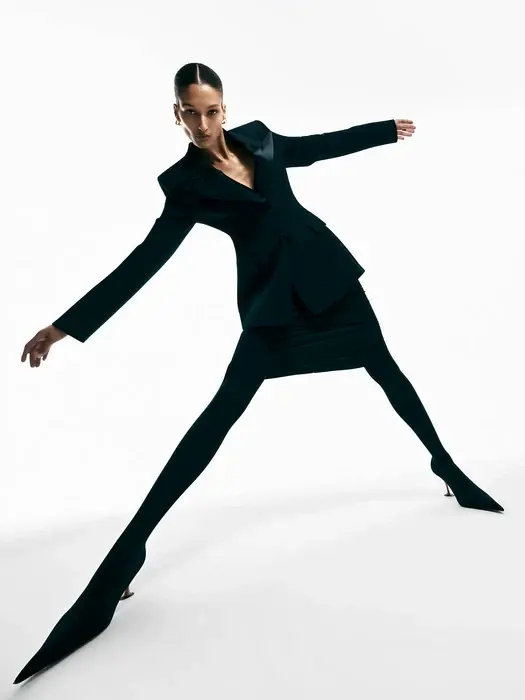
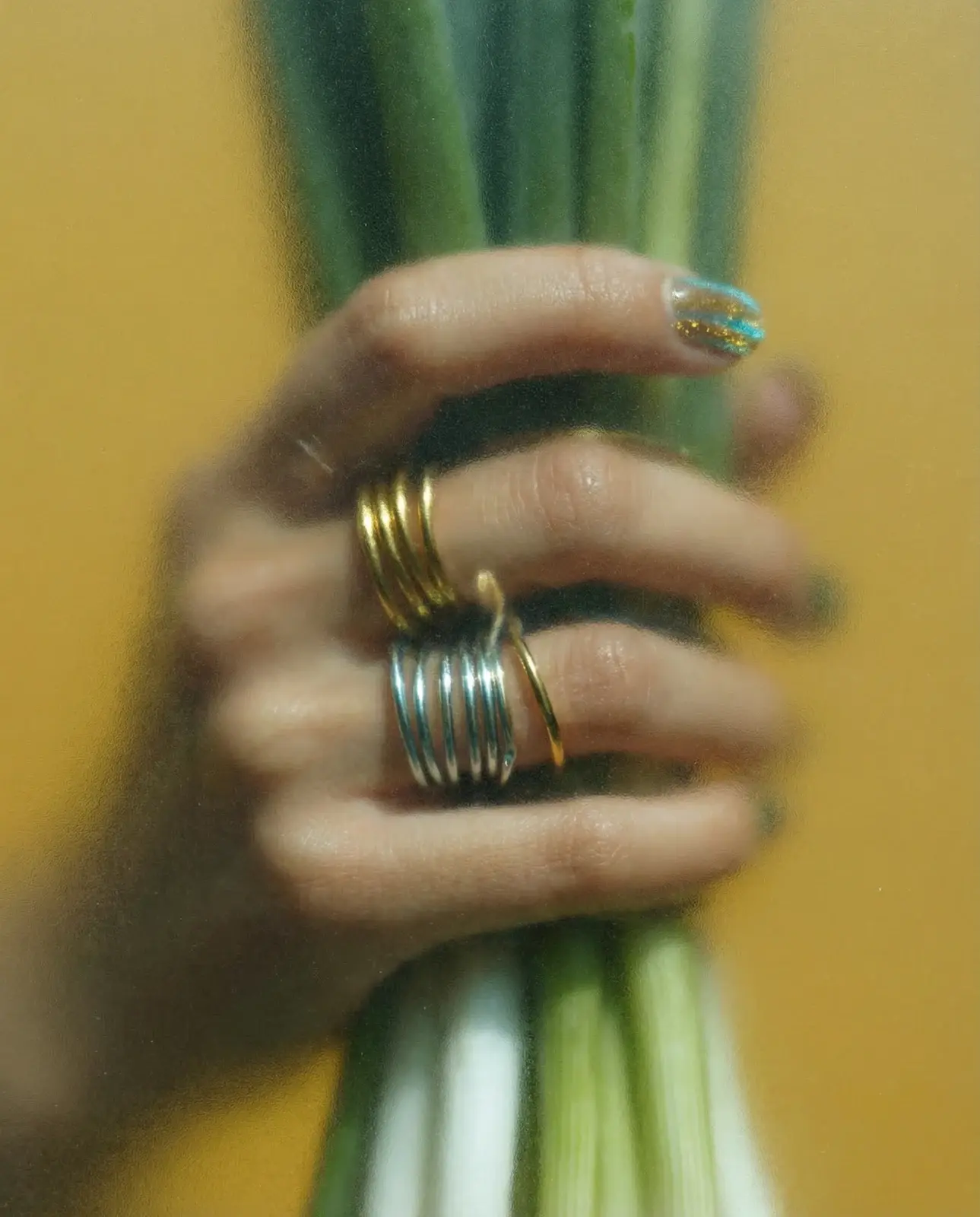
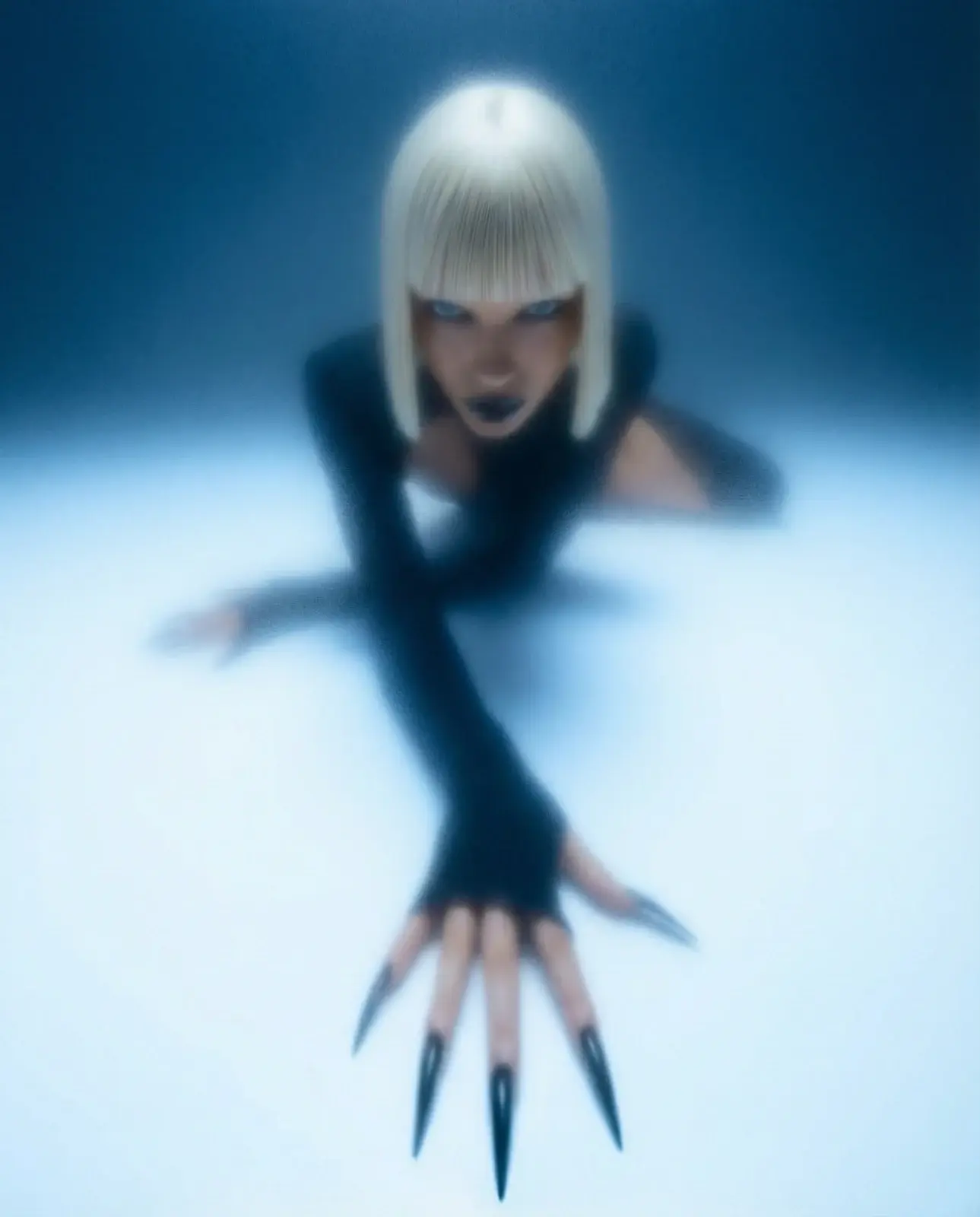
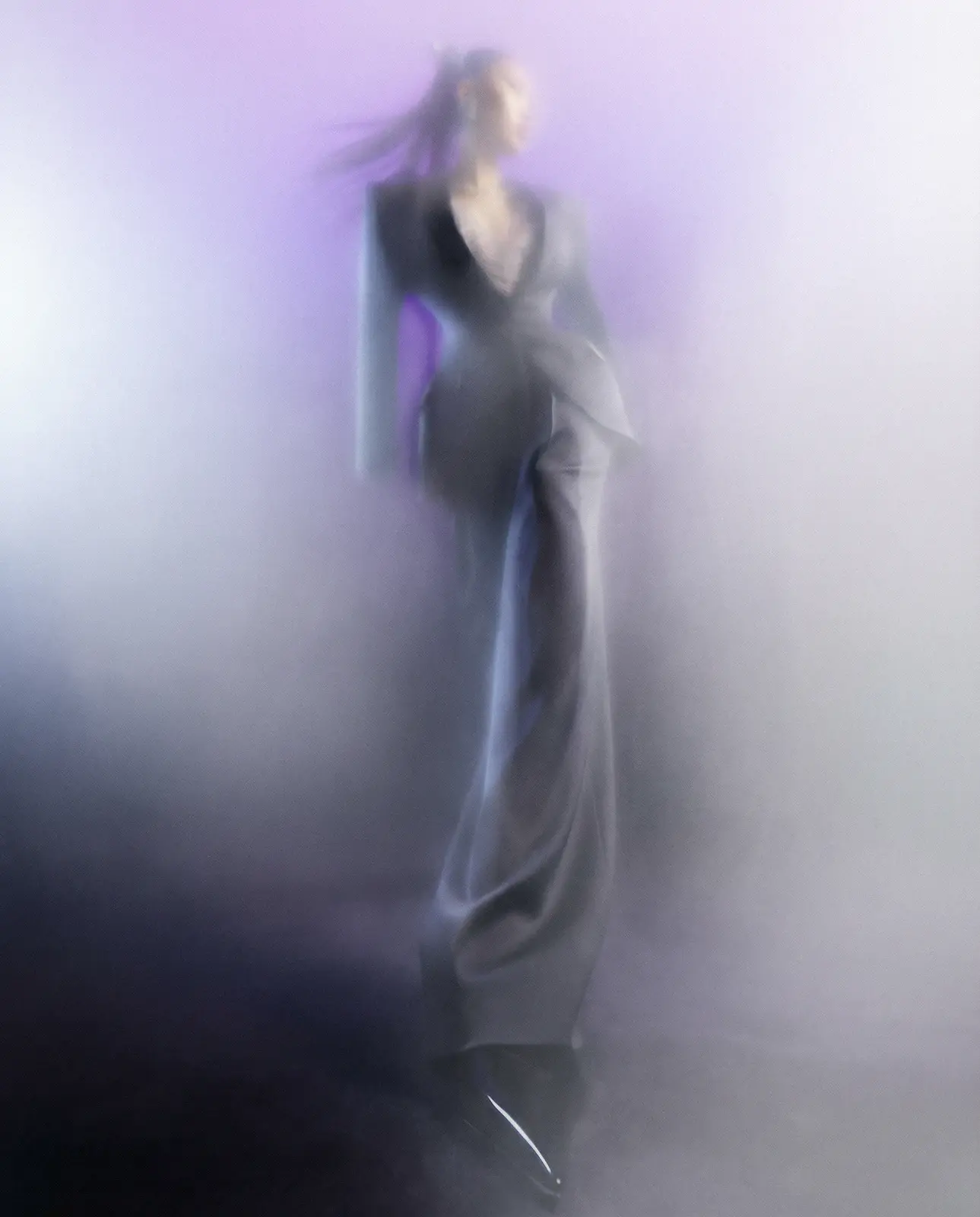
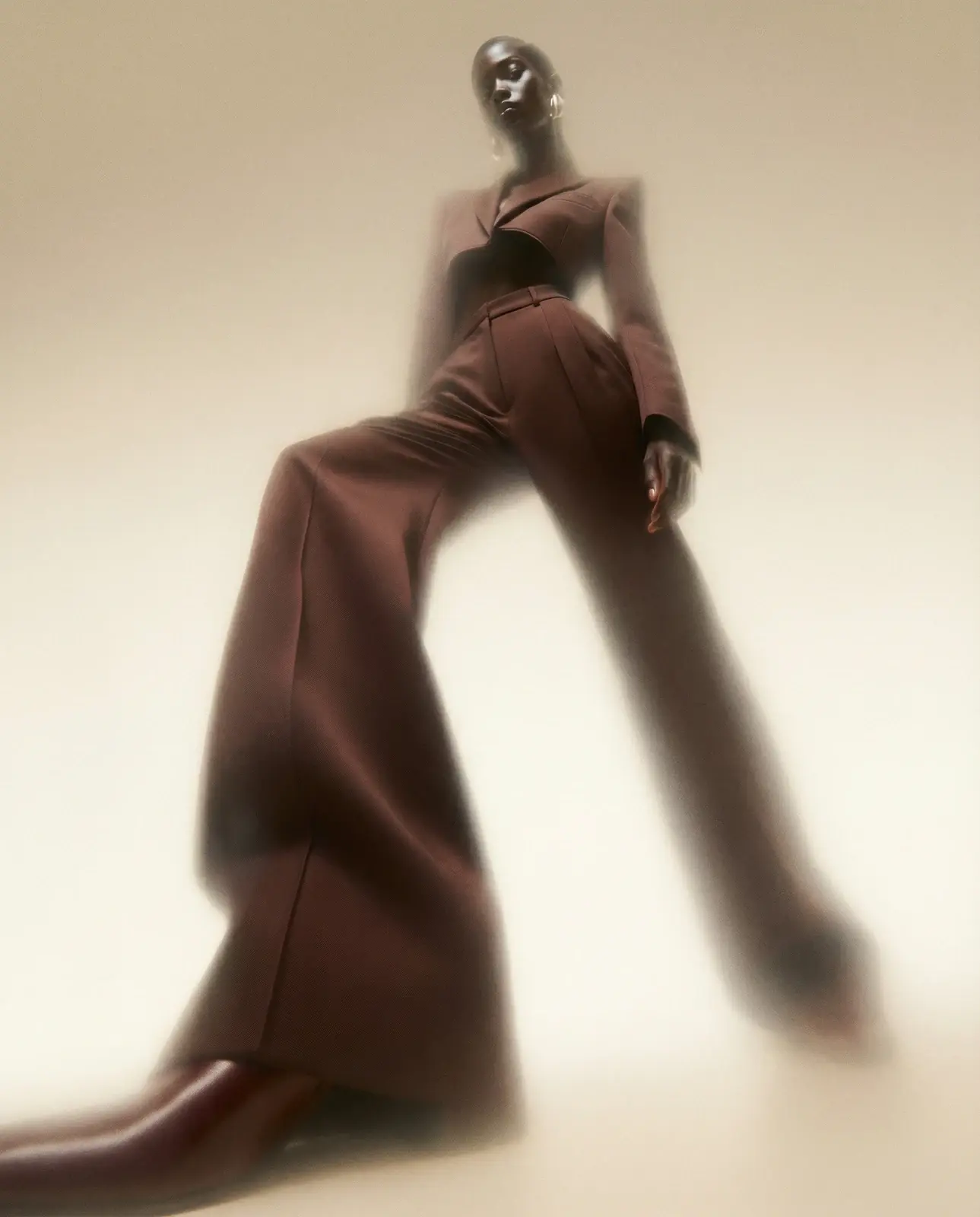
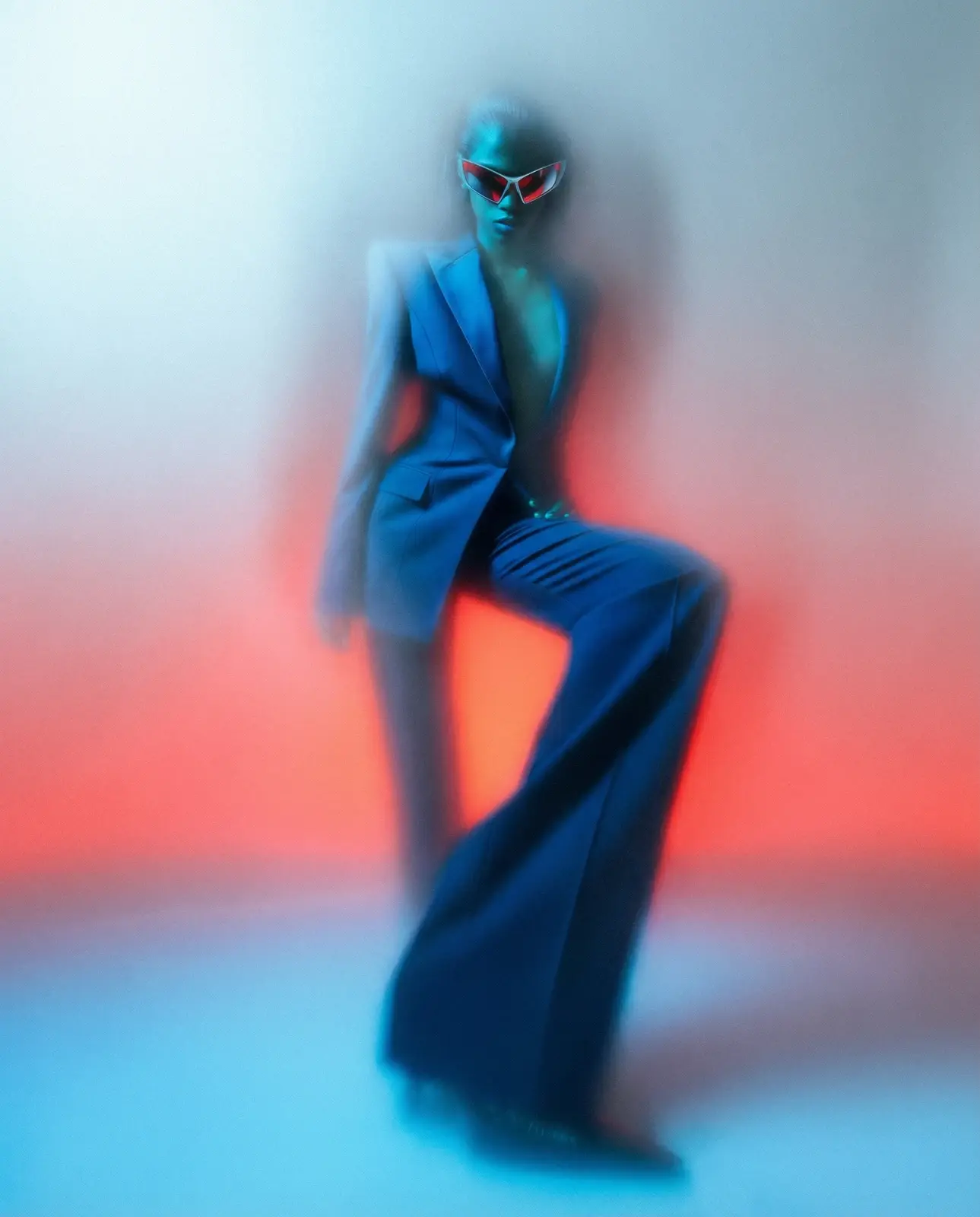
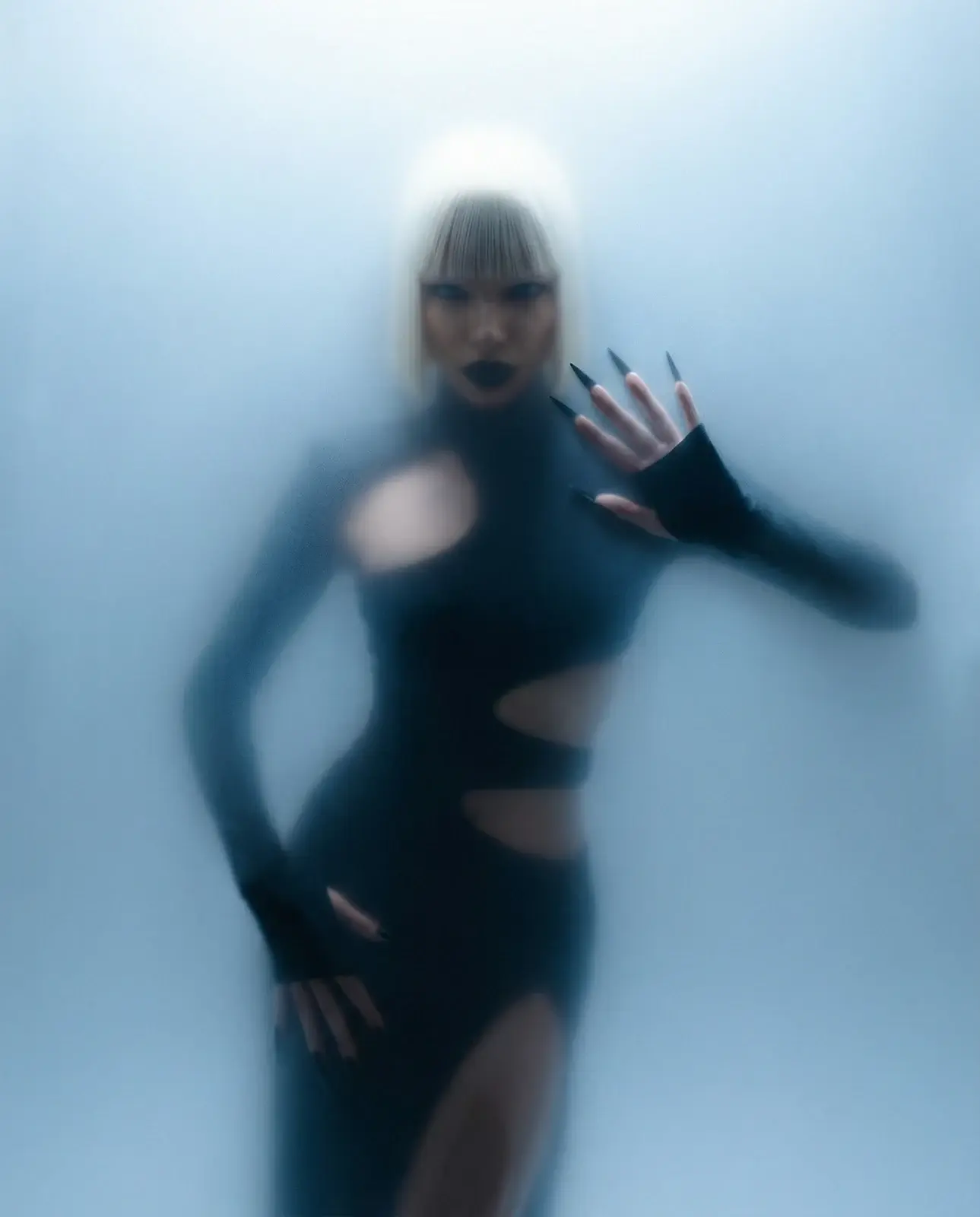
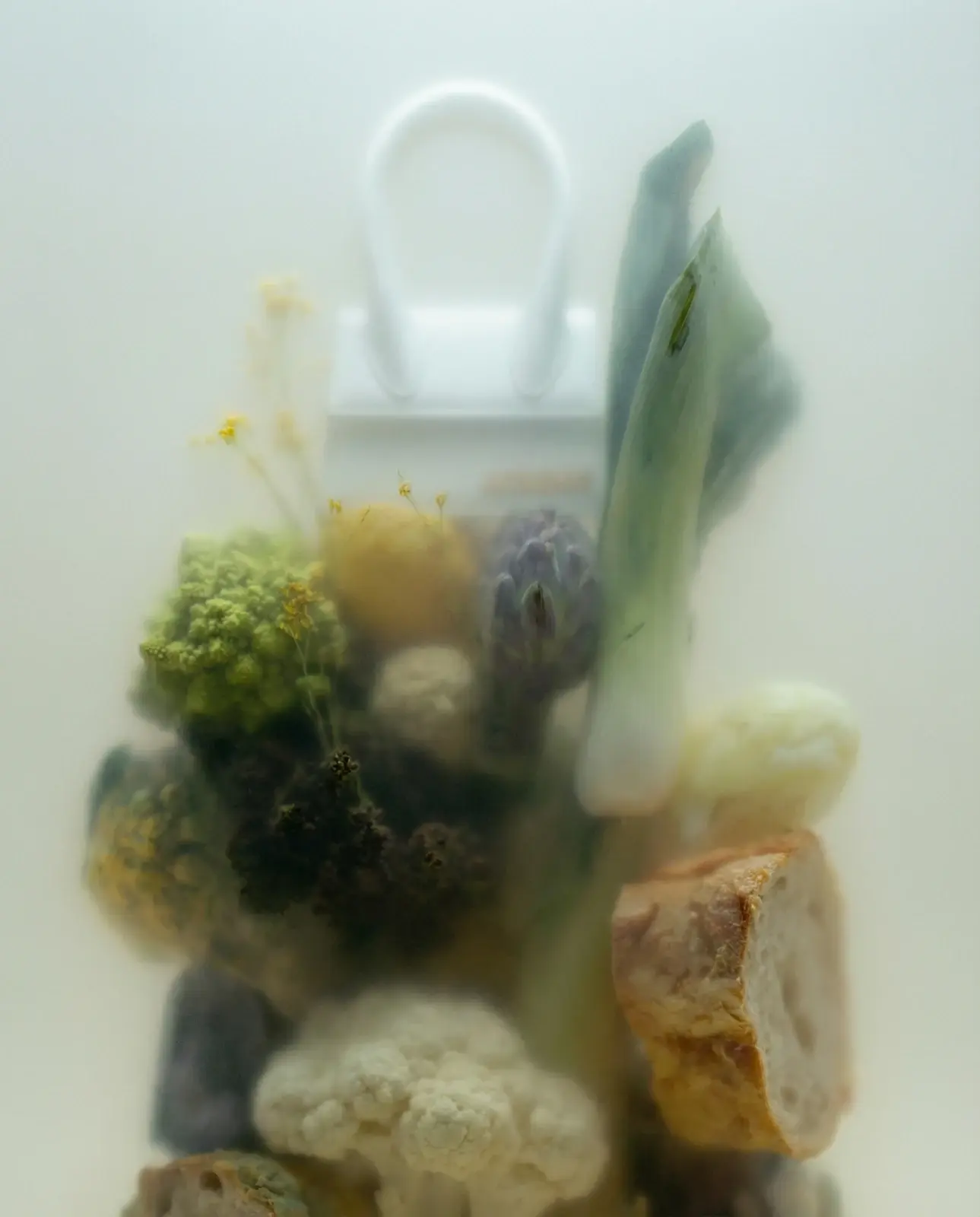
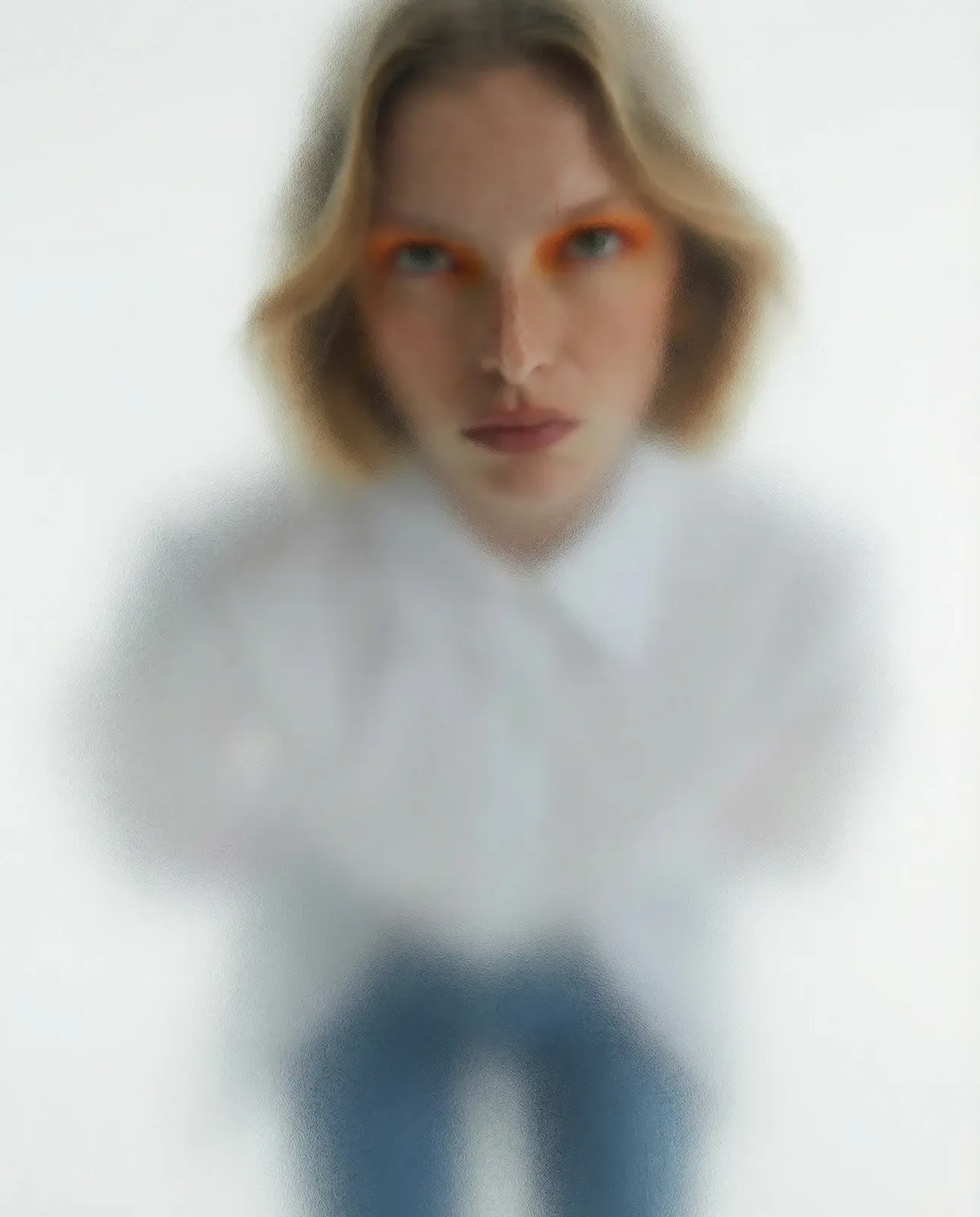
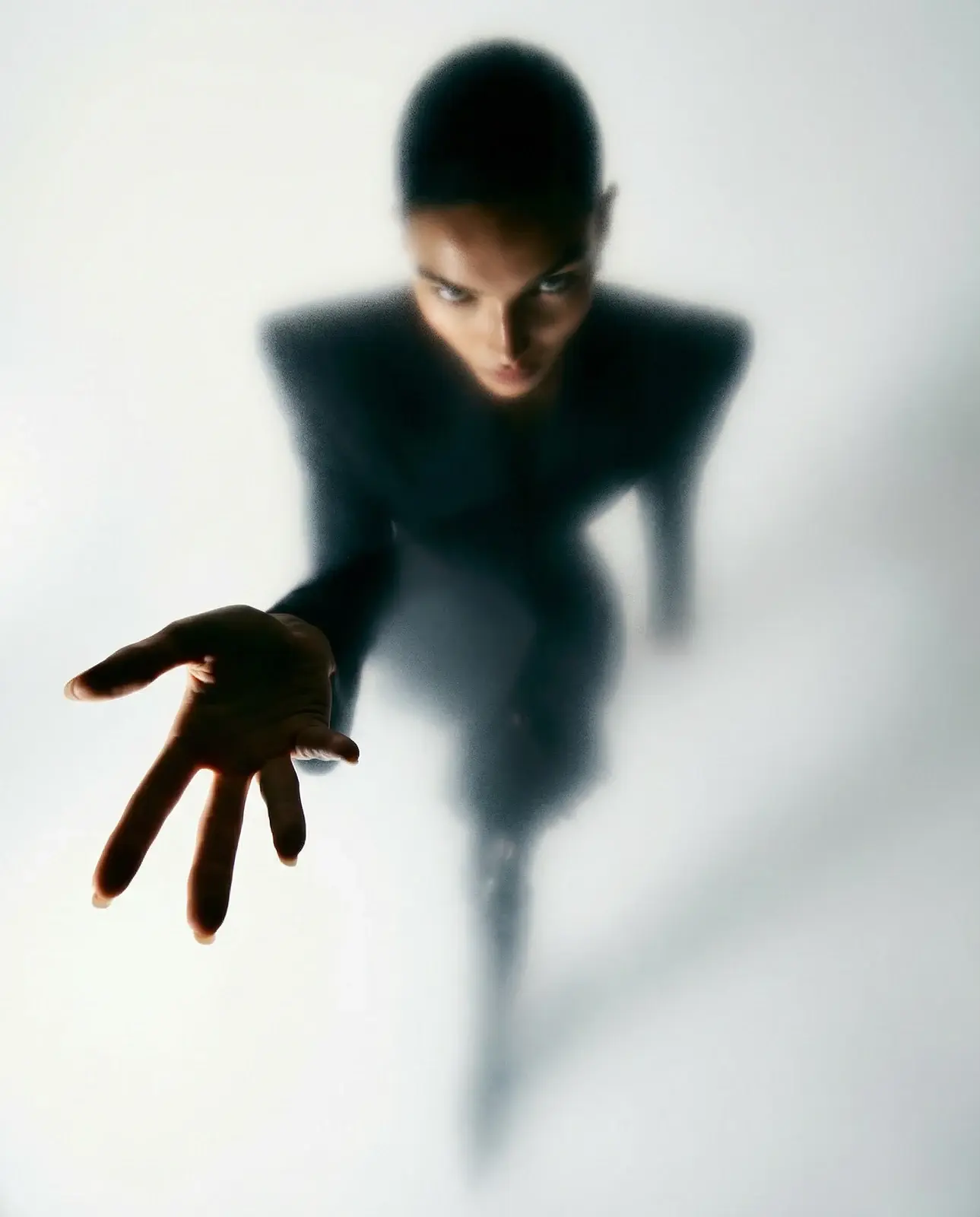
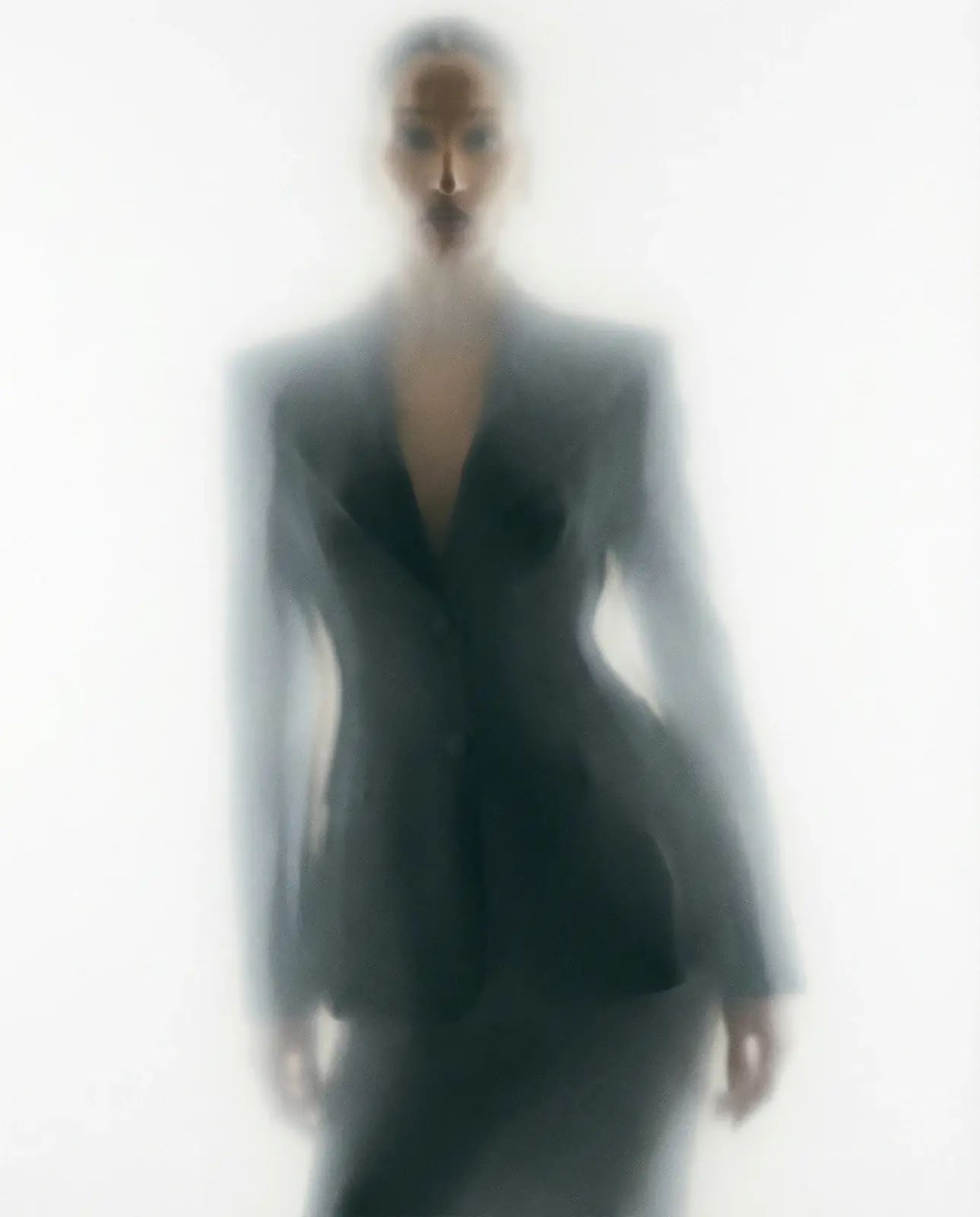
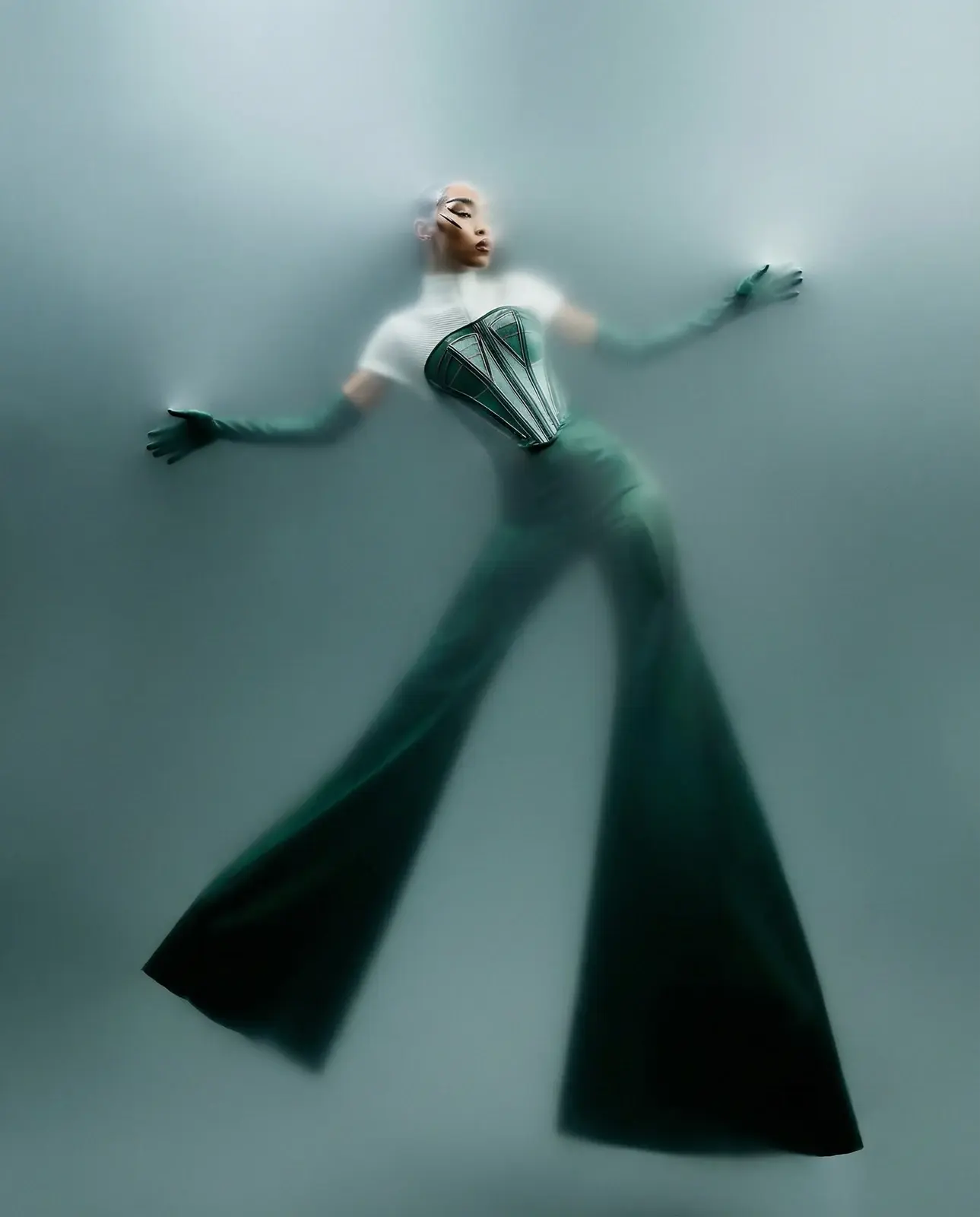
Изображение словно оказывается за плотным матовым стеклом: детали мягко рассеиваются, а силуэт проступает сквозь молочную дымку.
Загрузите свой референс и примените полный промпт в Nano Banana Pro.
Загрузите свой референс и примените полный промпт в Nano Banana Pro.


24 промпта
Nano Banana Pro
59 примеров
Frosted glass
Изображение словно оказывается за плотным матовым стеклом: детали мягко рассеиваются, а силуэт проступает сквозь молочную дымку.
Загрузите свой референс и примените полный промпт в Nano Banana Pro.
Загрузите свой референс и примените полный промпт в Nano Banana Pro.
24 промпта
Nano Banana Pro
59 примеров

Nano Banana Pro

Copy

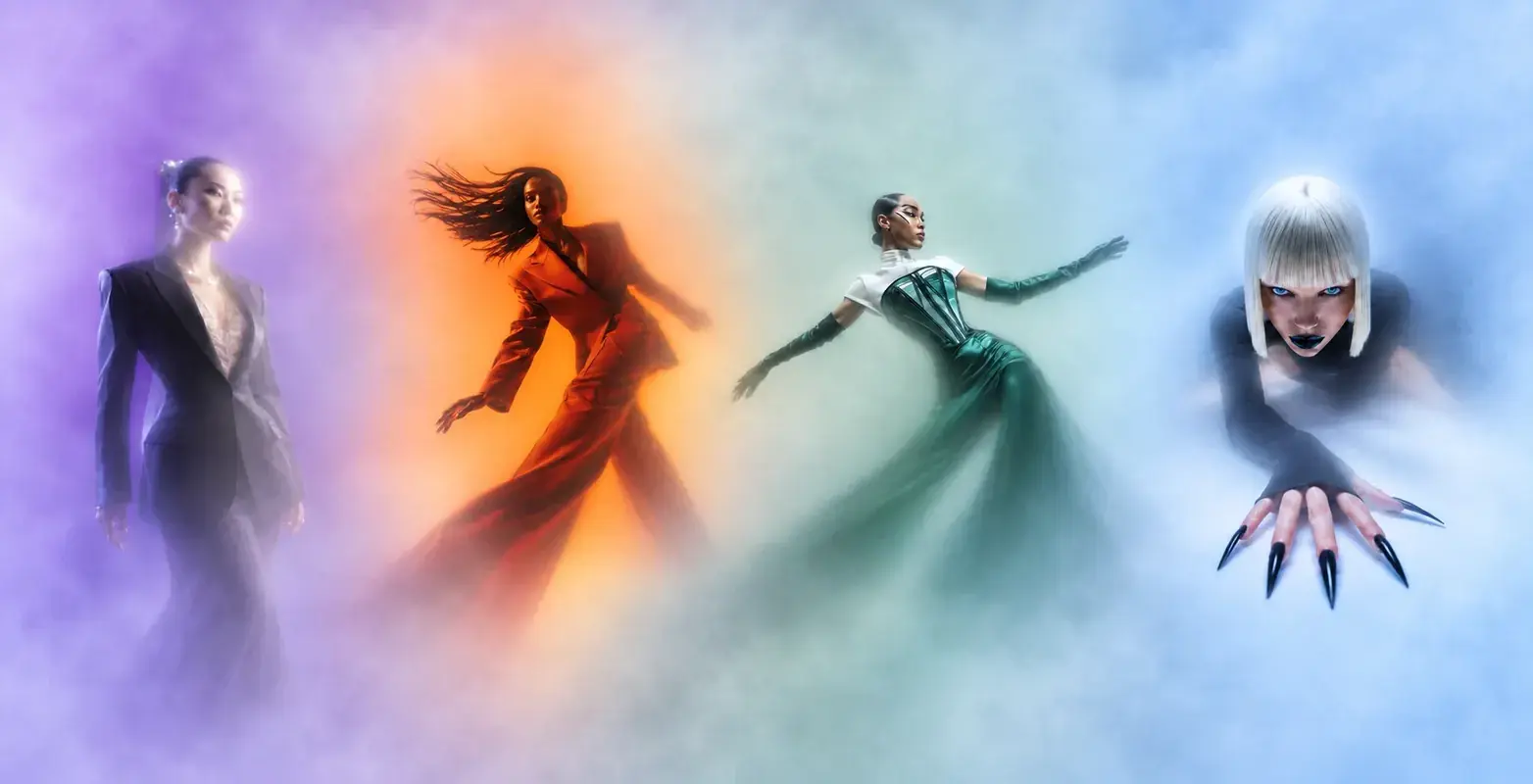
Carefully analyze the uploaded image and use it as the sole visual source. Preserve the original person’s identity, facial features, skin tone, hairstyle, body proportions, pose, expression, gaze, clothing fit and construction, accessories, camera angle, framing, composition, background, lighting direction, and all spatial relationships exactly as in the input image. Apply an image-edit transformation that operates directly on the existing pixels by adding a dense optical diffusion field over the entire frame. Create a very thick, milky, matte translucency positioned in front of the lens with strong light scattering, soft micro-grain, and realistic depth, reading as diffusion thickness rather than smoke, vapor, frost patterns, or particulate fog. Build the effect as a continuous diffusion density gradient across the whole image so visibility increases progressively and evenly, with smoother thinner diffusion zones that gently reveal the face and selected body contours while remaining softly obscured by material thickness. The gradient follows the natural silhouette and volume of the body and facial planes and never forms a localized opening, hole, cutout, or hard-edged window. The diffusion stays continuous and uniform in character, avoiding patchiness, banding, or broken gaps, and it never alters anatomy, changes the pose, modifies the expression, or reconstructs clothing details. Preserve color relationships and silhouette geometry, maintain editorial polish, and ensure the final result feels sculptural and refined, as if the person is softly emerging through a dense, uniform, milk-like veil.

Nano Banana Pro
Copy
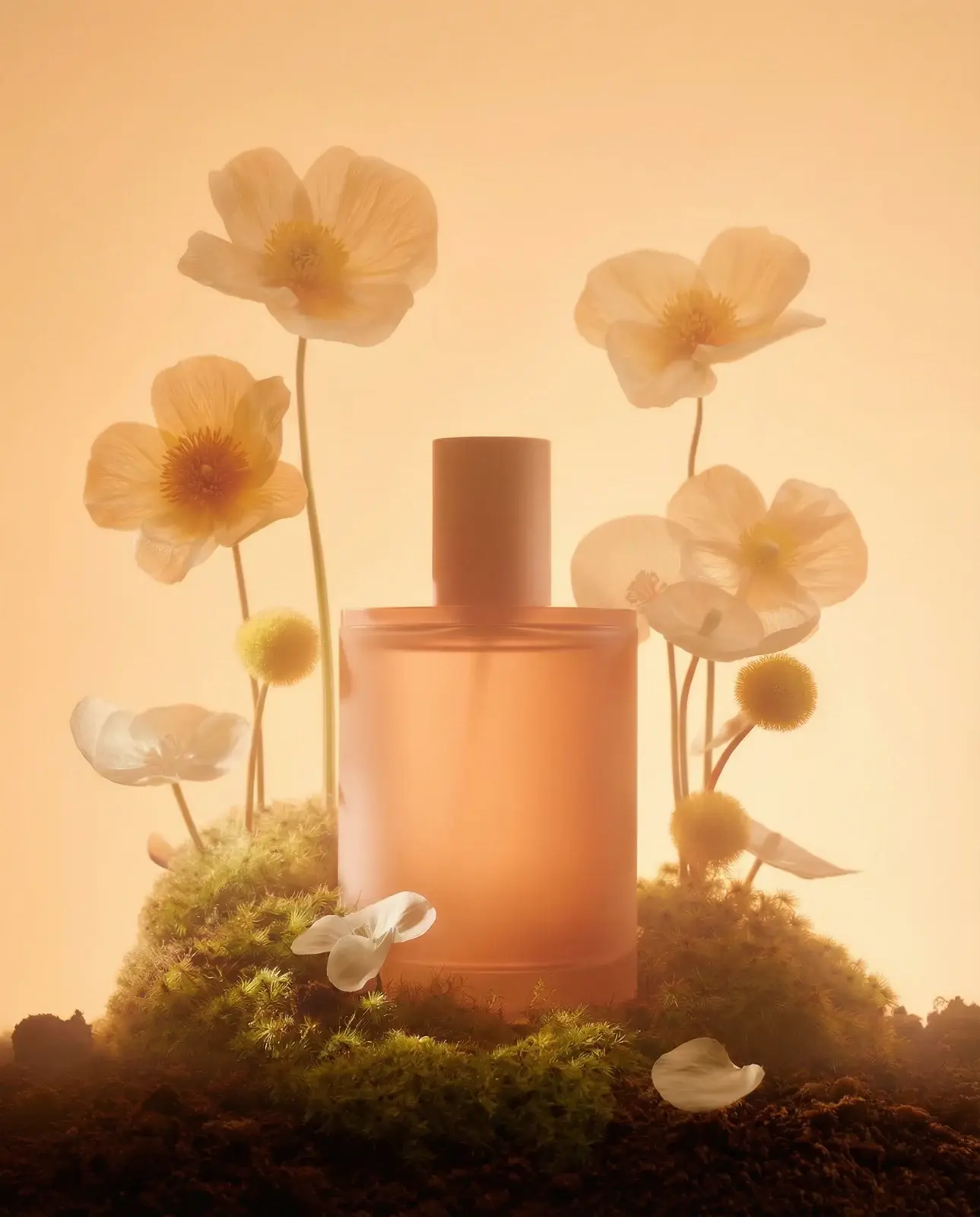
High-Quality Photograph. Carefully analyze the uploaded image and strictly preserve the original subject, geometry, proportions, pose, orientation, scale, framing, and composition exactly as provided. Apply a dense, uniform optical depth layer filling the space between the camera and the scene, creating the impression of compressed, softened air with increased visual density. The layer behaves as a calm, static optical medium with smooth gradation of opacity, gently reducing clarity in selected depth zones while keeping silhouettes continuous and intact. Transitions in density are soft, wide, and uninterrupted, with no visible edges, gaps, textures, patterns, or motion. The effect reads as spatial depth compression and light diffusion within the environment, while all original colors, lighting direction, materials, and visual balance remain unchanged.

Nano Banana Pro
Copy
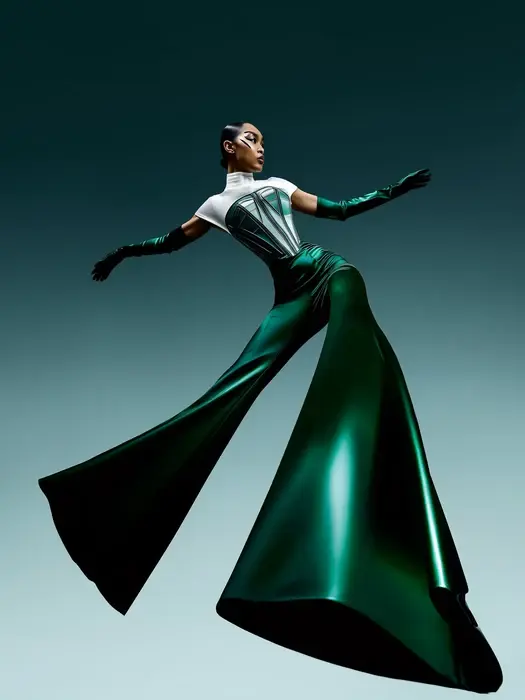
Carefully analyze the uploaded image and use it as the sole visual source. Preserve the original subject identity, facial features, body proportions, pose, expression, camera angle, framing, composition, background, clothing, objects, and all spatial relationships exactly as in the input image. Apply an image-edit transformation that operates directly on the existing pixels by adding a dense optical diffusion field over the entire frame. Create a very thick, milky, matte translucency similar to heavy frosted glass or dense milk haze positioned in front of the lens, with strong light scattering, soft micro-grain texture, and substantial visual depth. Build the effect using a continuous diffusion density gradient rather than a discrete visible region, so that parts of the subject gradually become more legible through smoother, thinner diffusion while remaining softly obscured by material thickness. The transition between high-density and lower-density diffusion is long, flowing, and organic, following the natural silhouette and volume of the subject instead of forming a localized opening. Visibility increases progressively and evenly, creating the impression of the subject slowly emerging through layers of translucent material. Color relationships, silhouettes, and geometry remain consistent with the original image, and the effect reads as density, depth, and material thickness rather than contrast or brightness changes. The final result should feel sculptural, atmospheric, and refined, closely resembling a figure softly manifesting through a dense, uniform, milk-like veil.
Nano Banana Pro
Copy
Carefully analyze the uploaded image and use it as the sole visual source. Preserve the original person’s identity, facial features, skin tone, hairstyle, body proportions, pose, expression, gaze, clothing fit and construction, accessories, camera angle, framing, composition, background, lighting direction, and all spatial relationships exactly as in the input image. Apply an image-edit transformation that operates directly on the existing pixels by adding a dense optical diffusion field over the entire frame. Create a very thick, milky, matte translucency positioned in front of the lens with strong light scattering, soft micro-grain, and realistic depth, reading as diffusion thickness rather than smoke, vapor, frost patterns, or particulate fog. Build the effect as a continuous diffusion density gradient across the whole image so visibility increases progressively and evenly, with smoother thinner diffusion zones that gently reveal the face and selected body contours while remaining softly obscured by material thickness. The gradient follows the natural silhouette and volume of the body and facial planes and never forms a localized opening, hole, cutout, or hard-edged window. The diffusion stays continuous and uniform in character, avoiding patchiness, banding, or broken gaps, and it never alters anatomy, changes the pose, modifies the expression, or reconstructs clothing details. Preserve color relationships and silhouette geometry, maintain editorial polish, and ensure the final result feels sculptural and refined, as if the person is softly emerging through a dense, uniform, milk-like veil.
Nano Banana Pro
Copy
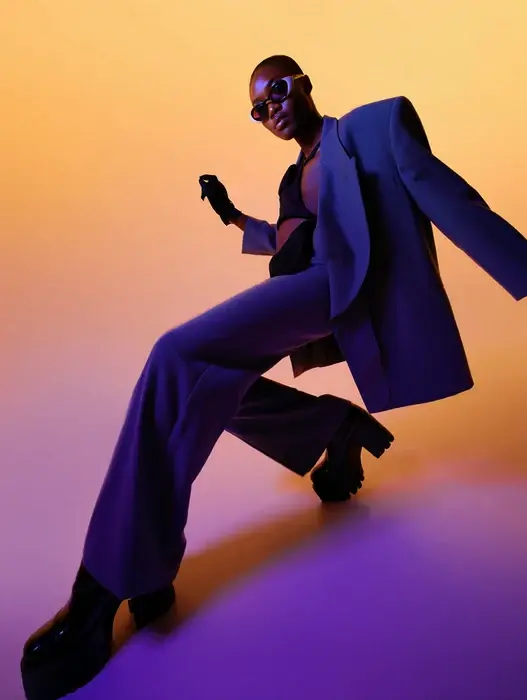
Carefully analyze the uploaded image and use it as the sole visual source. Preserve the original subject identity, facial features, body proportions, pose, expression, camera angle, framing, composition, background, clothing, objects, and all spatial relationships exactly as in the input image. Apply an image-edit transformation that operates directly on the existing pixels by adding a dense optical diffusion field over the entire frame. Create a very thick, milky, matte translucency similar to heavy frosted glass or dense milk haze positioned in front of the lens, with strong light scattering, soft micro-grain texture, and substantial visual depth. Build the effect using a continuous diffusion density gradient rather than a discrete visible region, so that parts of the subject gradually become more legible through smoother, thinner diffusion while remaining softly obscured by material thickness. The transition between high-density and lower-density diffusion is long, flowing, and organic, following the natural silhouette and volume of the subject instead of forming a localized opening. Visibility increases progressively and evenly, creating the impression of the subject slowly emerging through layers of translucent material. Color relationships, silhouettes, and geometry remain consistent with the original image, and the effect reads as density, depth, and material thickness rather than contrast or brightness changes. The final result should feel sculptural, atmospheric, and refined, closely resembling a figure softly manifesting through a dense, uniform, milk-like veil.

Nano Banana Pro
Copy
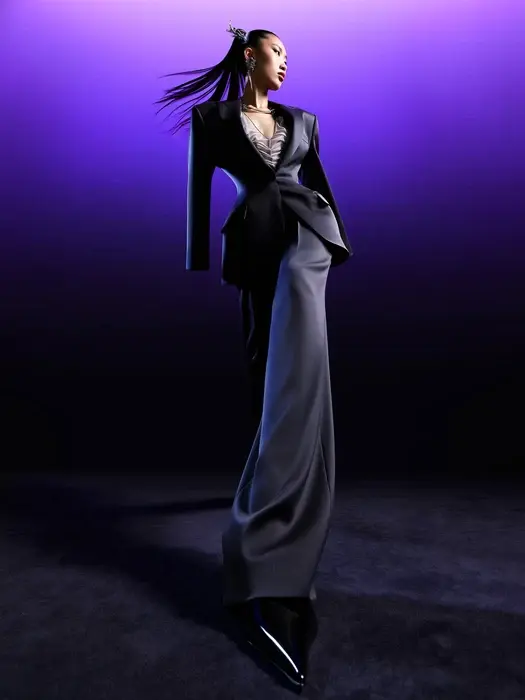
Carefully analyze the uploaded image and use it as the sole visual source. Preserve the original person’s identity, facial features, skin tone, hairstyle, body proportions, pose, expression, gaze, clothing fit and construction, accessories, camera angle, framing, composition, background, lighting direction, and all spatial relationships exactly as in the input image. Apply an image-edit transformation that operates directly on the existing pixels by adding a dense optical diffusion field over the entire frame. Create a very thick, milky, matte translucency positioned in front of the lens with strong light scattering, soft micro-grain, and realistic depth, reading as diffusion thickness rather than smoke, vapor, frost patterns, or particulate fog. Build the effect as a continuous diffusion density gradient across the whole image so visibility increases progressively and evenly, with smoother thinner diffusion zones that gently reveal the face and selected body contours while remaining softly obscured by material thickness. The gradient follows the natural silhouette and volume of the body and facial planes and never forms a localized opening, hole, cutout, or hard-edged window. The diffusion stays continuous and uniform in character, avoiding patchiness, banding, or broken gaps, and it never alters anatomy, changes the pose, modifies the expression, or reconstructs clothing details. Preserve color relationships and silhouette geometry, maintain editorial polish, and ensure the final result feels sculptural and refined, as if the person is softly emerging through a dense, uniform, milk-like veil.
Nano Banana Pro
Copy
Carefully analyze the uploaded image and use it as the sole visual source. Preserve the original person’s identity, facial features, skin tone, hairstyle, body proportions, pose, expression, gaze, clothing fit and construction, accessories, camera angle, framing, composition, background, lighting direction, and all spatial relationships exactly as in the input image. Apply an image-edit transformation that operates directly on the existing pixels by adding a dense optical diffusion field over the entire frame. Create a very thick, milky, matte translucency positioned in front of the lens with strong light scattering, soft micro-grain, and realistic depth, reading as diffusion thickness rather than smoke, vapor, frost patterns, or particulate fog. Build the effect as a continuous diffusion density gradient across the whole image so visibility increases progressively and evenly, with smoother thinner diffusion zones that gently reveal the face and selected body contours while remaining softly obscured by material thickness. The gradient follows the natural silhouette and volume of the body and facial planes and never forms a localized opening, hole, cutout, or hard-edged window. The diffusion stays continuous and uniform in character, avoiding patchiness, banding, or broken gaps, and it never alters anatomy, changes the pose, modifies the expression, or reconstructs clothing details. Preserve color relationships and silhouette geometry, maintain editorial polish, and ensure the final result feels sculptural and refined, as if the person is softly emerging through a dense, uniform, milk-like veil.
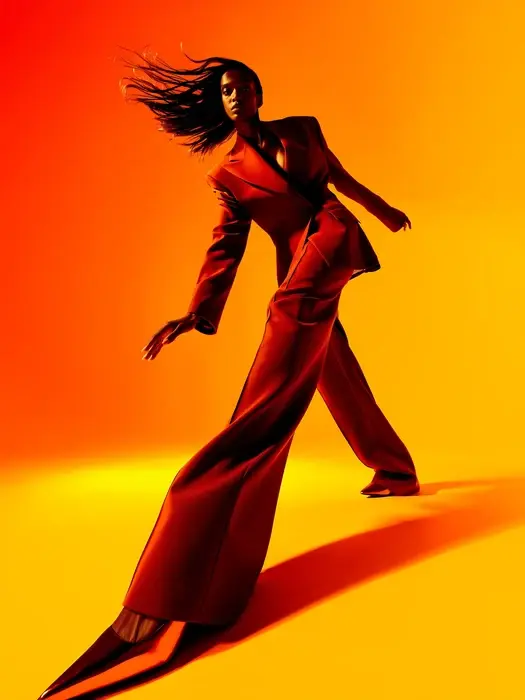

Nano Banana Pro
Copy
Carefully analyze the uploaded image and use it as the sole visual source. Preserve the original subject identity, structure, proportions, pose, orientation, camera angle, framing, composition, background, lighting direction, objects, materials, and all spatial relationships exactly as in the input image. Apply an image-edit transformation that operates directly on the existing pixels by adding a dense optical diffusion field over the entire frame. Create a very thick, milky, matte translucency positioned in front of the lens with strong light scattering, soft micro-grain, and convincing depth, reading as layered diffusion thickness rather than smoke, vapor, or noise. Build the effect as a continuous diffusion density gradient across the whole image so visibility changes progressively and evenly, with smoother thinner diffusion zones that gently reveal parts of the subject and key edges while remaining softly obscured by material thickness. The gradient follows the natural silhouette and 3D volume of the subject and any main object contours, avoiding any discrete opening, cutout, hole, mask edge, or sharp boundary. The diffusion remains uniform in character, free of patchy blobs or broken gaps, and it never deforms geometry, shifts perspective, or causes object redesign. Preserve color relationships and tonal hierarchy, keep silhouettes stable, and ensure the final image feels sculptural, refined, and editorial, as if the subject is slowly manifesting through a dense, uniform, milk-like veil.

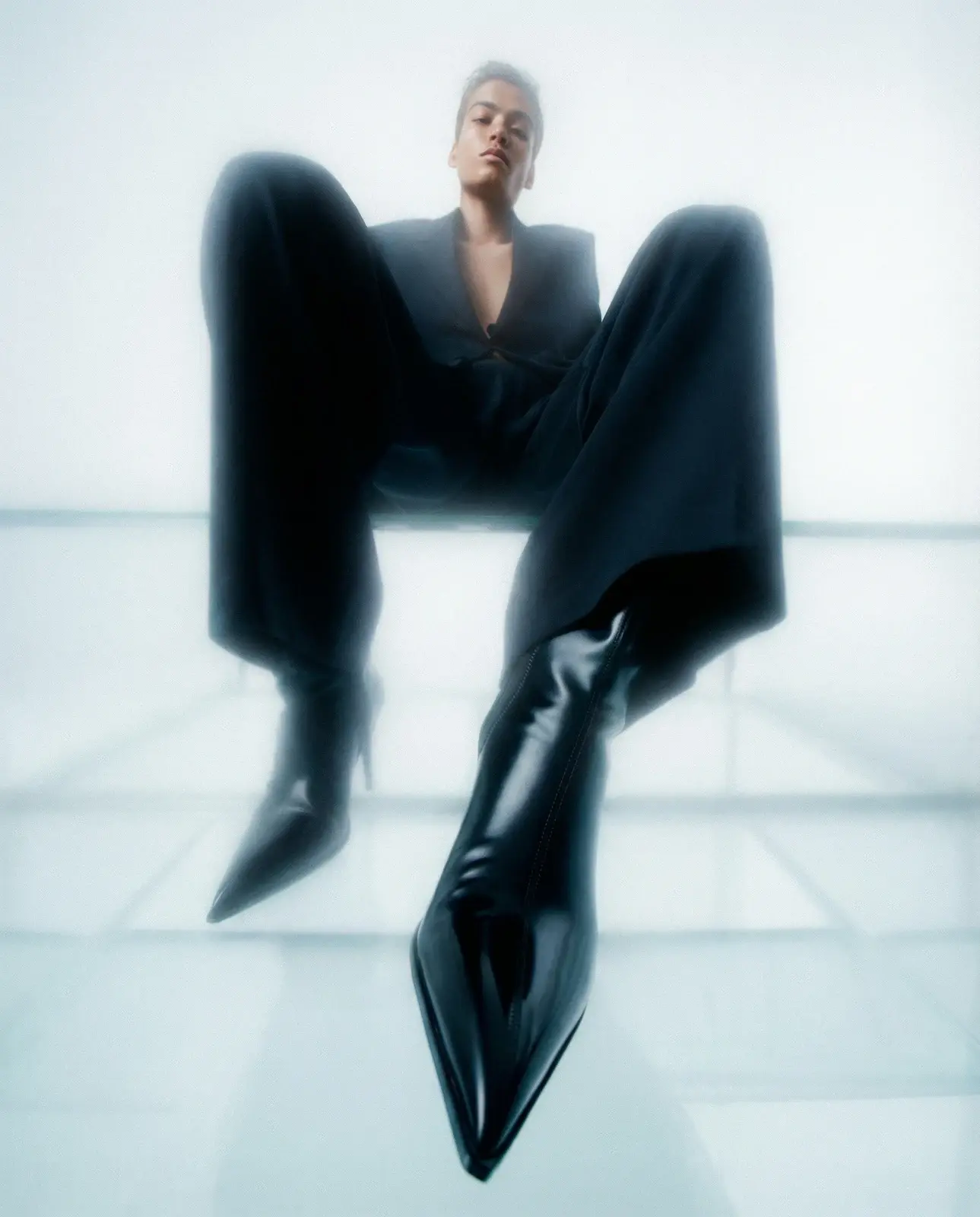
Nano Banana Pro
Copy
Carefully analyze the uploaded image and use it as the sole visual source. Preserve the original person’s identity, facial features, skin tone, hairstyle, body proportions, pose, expression, gaze, clothing fit and construction, accessories, camera angle, framing, composition, background, lighting direction, and all spatial relationships exactly as in the input image. Apply an image-edit transformation that operates directly on the existing pixels by adding a dense optical diffusion field over the entire frame. Create a very thick, milky, matte translucency positioned in front of the lens with strong light scattering, soft micro-grain, and realistic depth, reading as diffusion thickness rather than smoke, vapor, frost patterns, or particulate fog. Build the effect as a continuous diffusion density gradient across the whole image so visibility increases progressively and evenly, with smoother thinner diffusion zones that gently reveal the face and selected body contours while remaining softly obscured by material thickness. The gradient follows the natural silhouette and volume of the body and facial planes and never forms a localized opening, hole, cutout, or hard-edged window. The diffusion stays continuous and uniform in character, avoiding patchiness, banding, or broken gaps, and it never alters anatomy, changes the pose, modifies the expression, or reconstructs clothing details. Preserve color relationships and silhouette geometry, maintain editorial polish, and ensure the final result feels sculptural and refined, as if the person is softly emerging through a dense, uniform, milk-like veil.
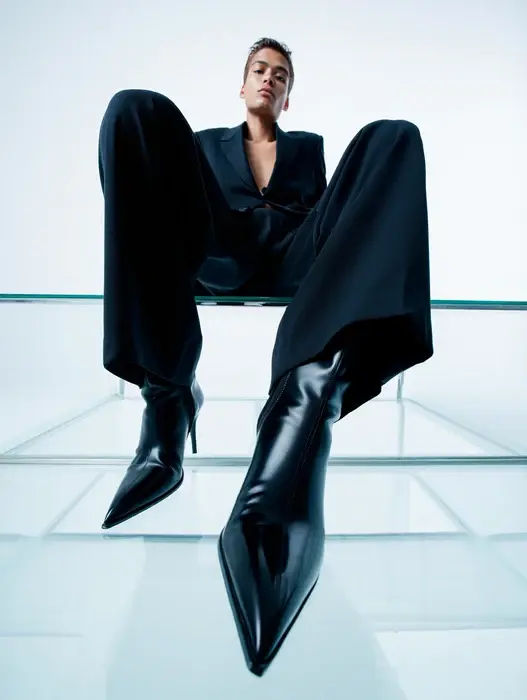
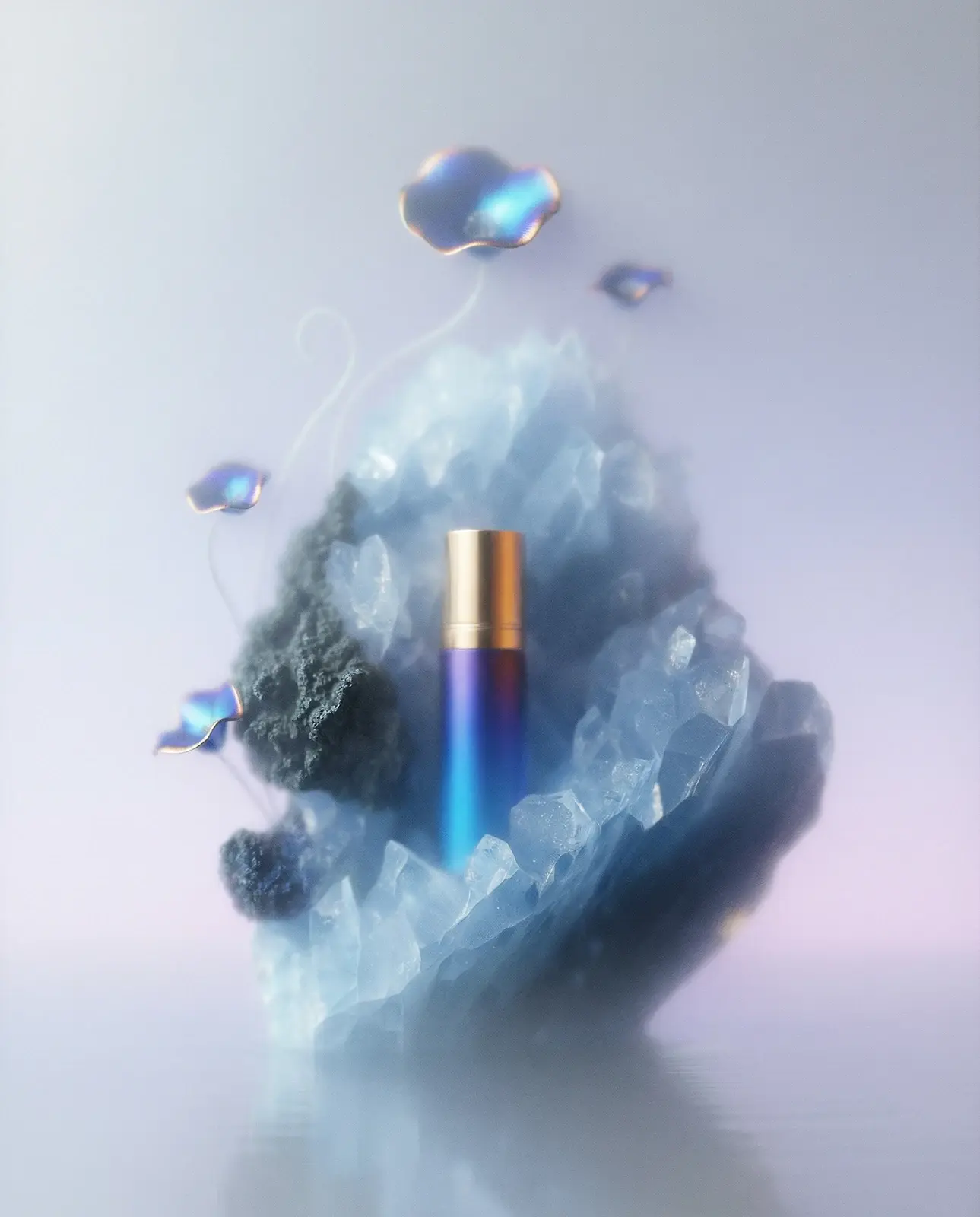
Nano Banana Pro
Copy
Carefully analyze the uploaded image and use it as the sole visual source. Preserve the original subject identity, facial features, body proportions, pose, expression, camera angle, framing, composition, background, clothing, objects, and all spatial relationships exactly as in the input image. Apply an image-edit transformation that operates directly on the existing pixels by adding a dense optical diffusion field over the entire frame. Create a very thick, milky, matte translucency similar to heavy frosted glass or dense milk haze positioned in front of the lens, with strong light scattering, soft micro-grain texture, and substantial visual depth. Build the effect using a continuous diffusion density gradient rather than a discrete visible region, so that parts of the subject gradually become more legible through smoother, thinner diffusion while remaining softly obscured by material thickness. The transition between high-density and lower-density diffusion is long, flowing, and organic, following the natural silhouette and volume of the subject instead of forming a localized opening. Visibility increases progressively and evenly, creating the impression of the subject slowly emerging through layers of translucent material. Color relationships, silhouettes, and geometry remain consistent with the original image, and the effect reads as density, depth, and material thickness rather than contrast or brightness changes. The final result should feel sculptural, atmospheric, and refined, closely resembling a figure softly manifesting through a dense, uniform, milk-like veil.
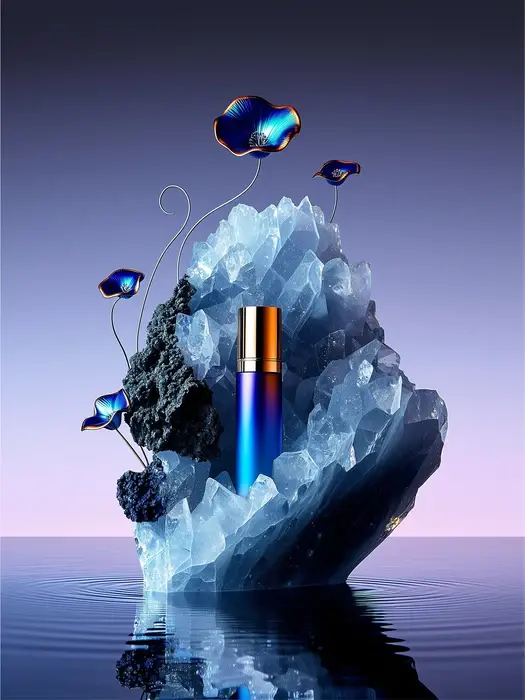
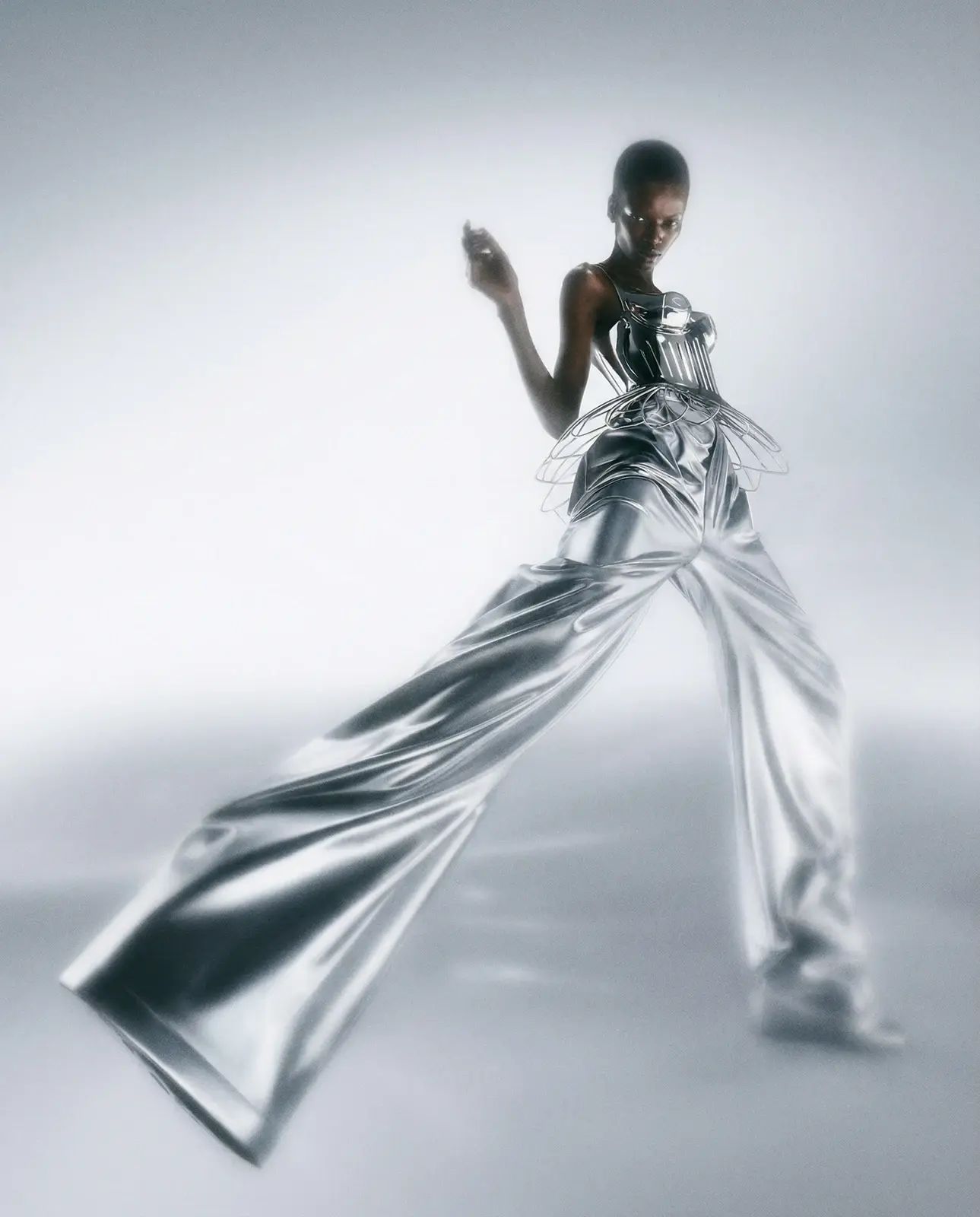
Nano Banana Pro
Copy
Carefully analyze the uploaded image and use it as the sole visual source. Preserve the original person’s identity, facial features, skin tone, hairstyle, body proportions, pose, expression, gaze, clothing fit and construction, accessories, camera angle, framing, composition, background, lighting direction, and all spatial relationships exactly as in the input image. Apply an image-edit transformation that operates directly on the existing pixels by adding a dense optical diffusion field over the entire frame. Create a very thick, milky, matte translucency positioned in front of the lens with strong light scattering, soft micro-grain, and realistic depth, reading as diffusion thickness rather than smoke, vapor, frost patterns, or particulate fog. Build the effect as a continuous diffusion density gradient across the whole image so visibility increases progressively and evenly, with smoother thinner diffusion zones that gently reveal the face and selected body contours while remaining softly obscured by material thickness. The gradient follows the natural silhouette and volume of the body and facial planes and never forms a localized opening, hole, cutout, or hard-edged window. The diffusion stays continuous and uniform in character, avoiding patchiness, banding, or broken gaps, and it never alters anatomy, changes the pose, modifies the expression, or reconstructs clothing details. Preserve color relationships and silhouette geometry, maintain editorial polish, and ensure the final result feels sculptural and refined, as if the person is softly emerging through a dense, uniform, milk-like veil.
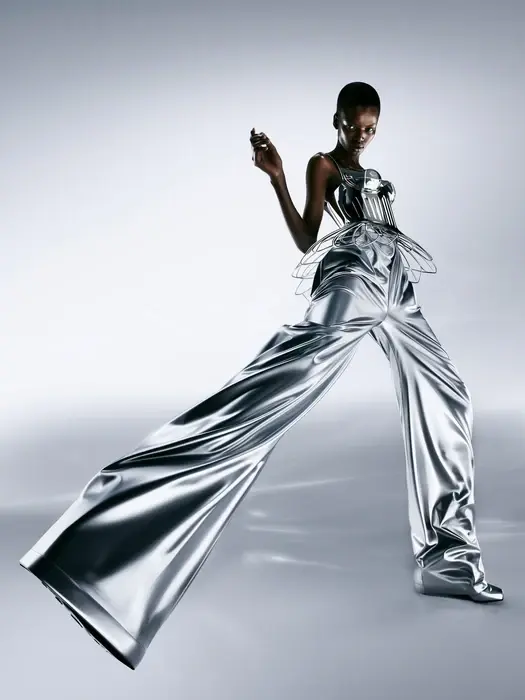
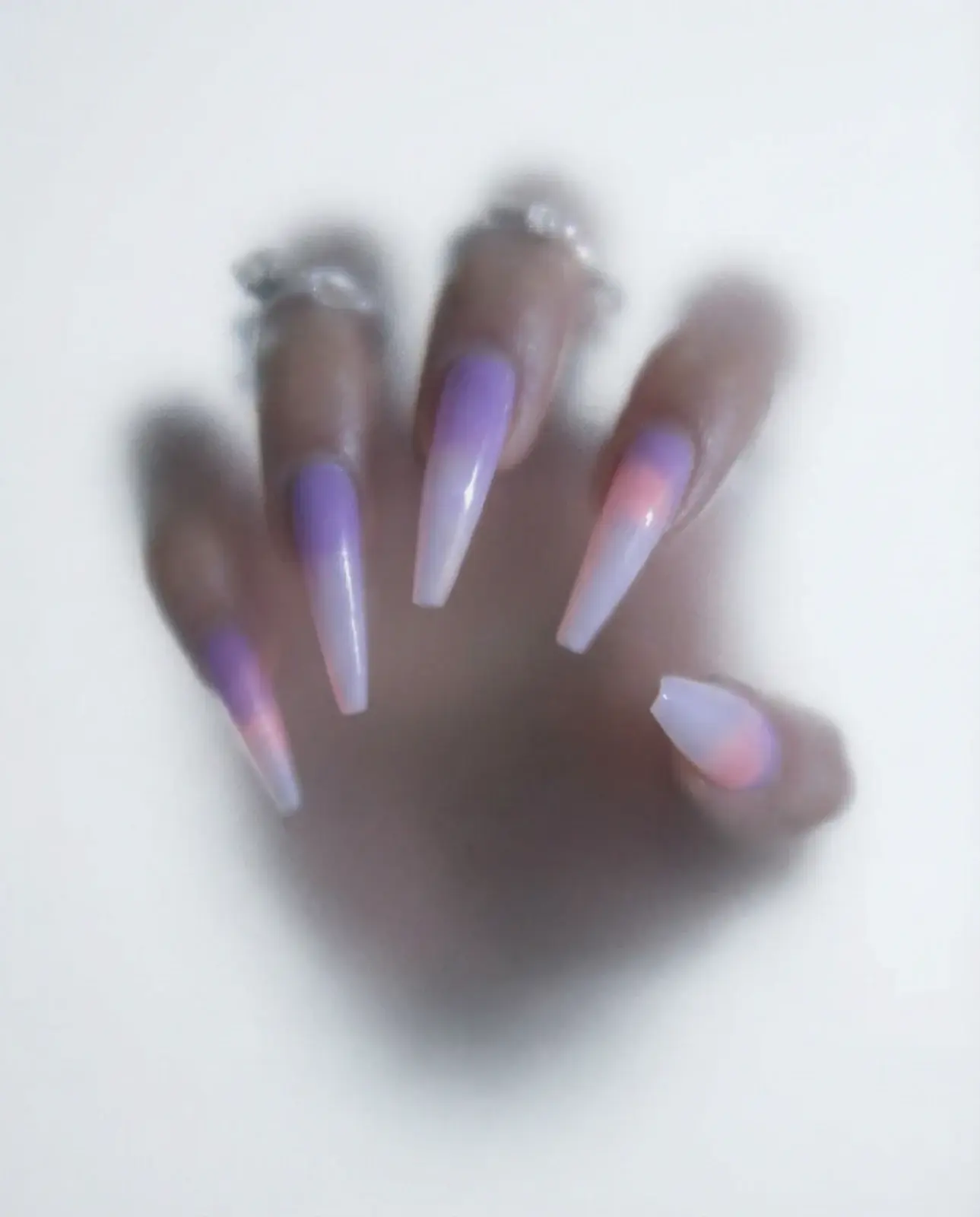
Nano Banana Pro
Copy
Carefully analyze the uploaded image and use it as the sole visual source. Preserve the original subject identity, structure, proportions, pose, orientation, camera angle, framing, composition, background, lighting direction, objects, materials, and all spatial relationships exactly as in the input image. Apply an image-edit transformation that operates directly on the existing pixels by adding a dense optical diffusion field over the entire frame. Create a very thick, milky, matte translucency positioned in front of the lens with strong light scattering, soft micro-grain, and convincing depth, reading as layered diffusion thickness rather than smoke, vapor, or noise. Build the effect as a continuous diffusion density gradient across the whole image so visibility changes progressively and evenly, with smoother thinner diffusion zones that gently reveal parts of the subject and key edges while remaining softly obscured by material thickness. The gradient follows the natural silhouette and 3D volume of the subject and any main object contours, avoiding any discrete opening, cutout, hole, mask edge, or sharp boundary. The diffusion remains uniform in character, free of patchy blobs or broken gaps, and it never deforms geometry, shifts perspective, or causes object redesign. Preserve color relationships and tonal hierarchy, keep silhouettes stable, and ensure the final image feels sculptural, refined, and editorial, as if the subject is slowly manifesting through a dense, uniform, milk-like veil.
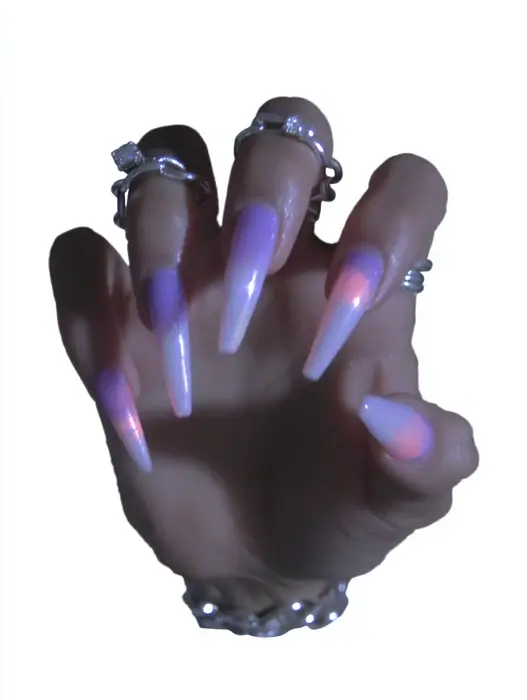
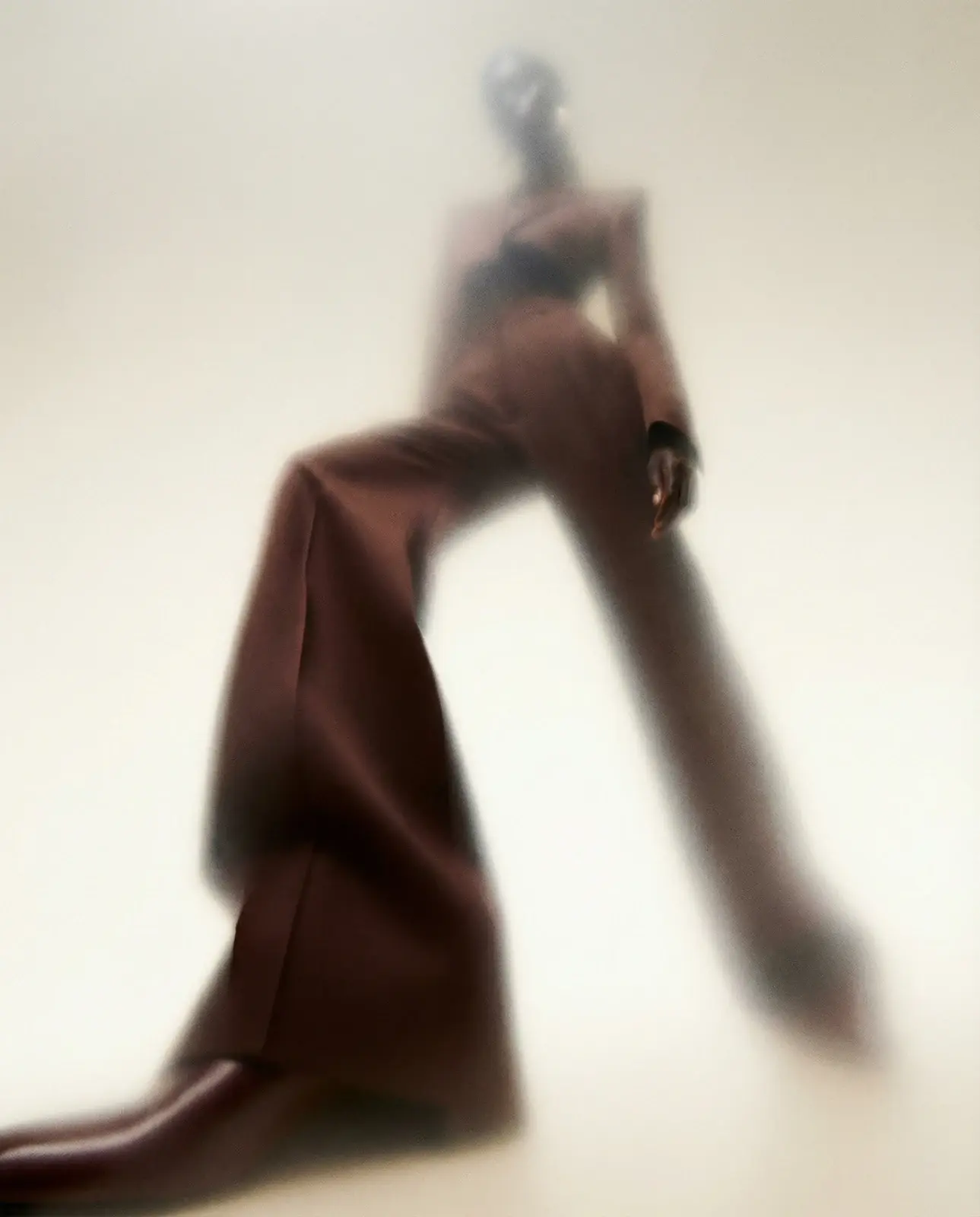
Nano Banana Pro
Copy
Carefully analyze the uploaded image and use it as the sole visual source. Preserve the original subject identity, facial features, body proportions, pose, expression, camera angle, framing, composition, background, clothing, objects, and all spatial relationships exactly as in the input image. Apply an image-edit transformation that operates directly on the existing pixels by adding a dense optical diffusion field over the entire frame. Create a very thick, milky, matte translucency similar to heavy frosted glass or dense milk haze positioned in front of the lens, with strong light scattering, soft micro-grain texture, and substantial visual depth. Build the effect using a continuous diffusion density gradient rather than a discrete visible region, so that parts of the subject gradually become more legible through smoother, thinner diffusion while remaining softly obscured by material thickness. The transition between high-density and lower-density diffusion is long, flowing, and organic, following the natural silhouette and volume of the subject instead of forming a localized opening. Visibility increases progressively and evenly, creating the impression of the subject slowly emerging through layers of translucent material. Color relationships, silhouettes, and geometry remain consistent with the original image, and the effect reads as density, depth, and material thickness rather than contrast or brightness changes. The final result should feel sculptural, atmospheric, and refined, closely resembling a figure softly manifesting through a dense, uniform, milk-like veil.

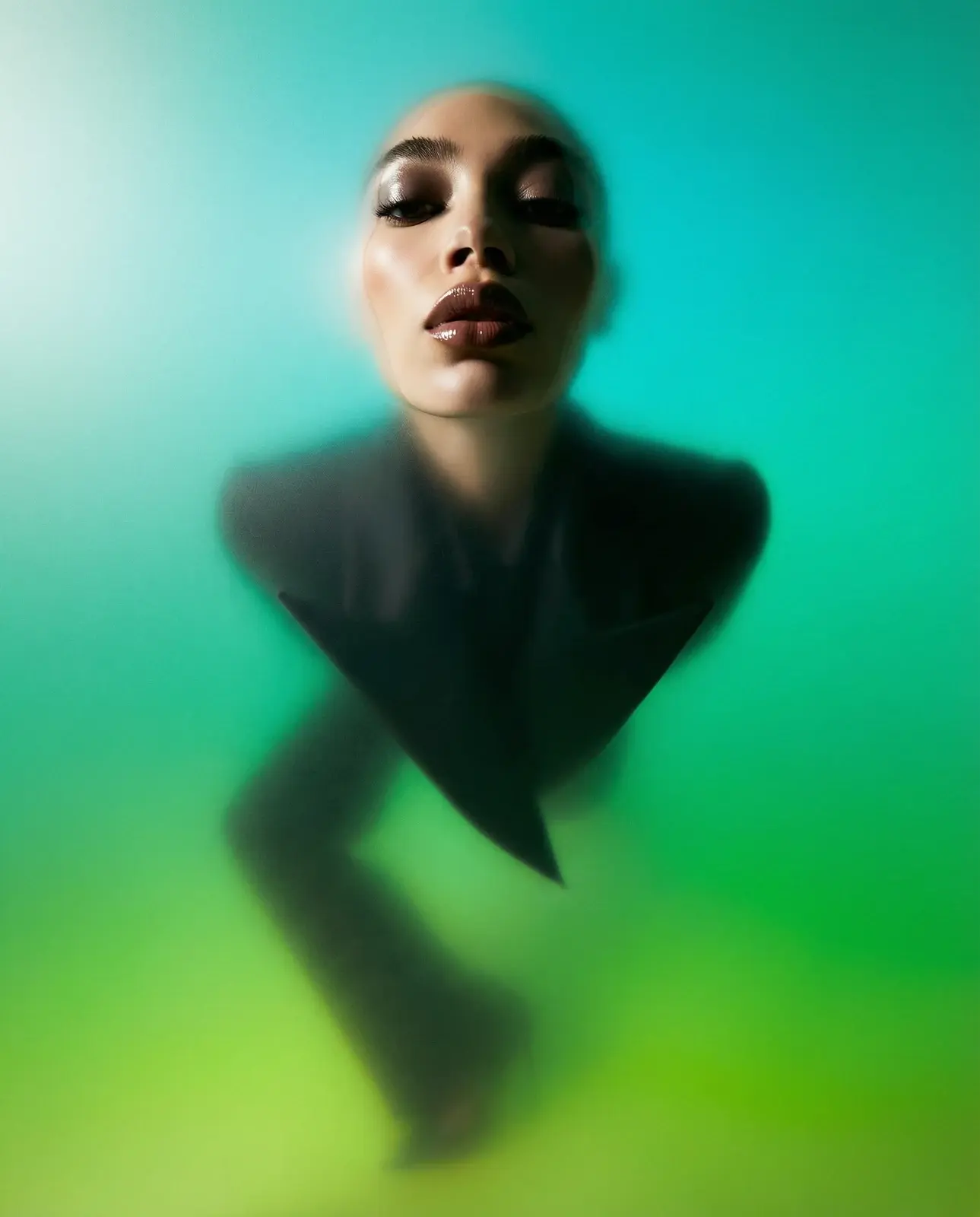
Nano Banana Pro
Copy
High-Quality Photograph, carefully analyze the uploaded image and fully preserve the original subject or object, its exact shape, proportions, position, pose or geometry, surface details, materials, textures, scale, camera angle, framing, composition, lighting structure, background and spatial relationships, then apply a refined editorial visual effect where the entire image is covered by a dense, smooth, uniform translucent veil behaving like stretched matte frosted glass placed in front of the scene, the veil has consistent optical thickness and even diffusion across the frame, forming a calm continuous surface, and within this surface selected parts of the original subject or object softly emerge forward through the veil as if gently pressing against elastic frosted glass, with smooth rounded transitions between obscured and revealed areas, the emerging elements remain physically accurate, sharp and fully aligned with the original image, while all other areas stay evenly diffused behind the veil, creating a controlled optical material effect rather than an atmospheric one, with high-end fashion and product editorial aesthetics.
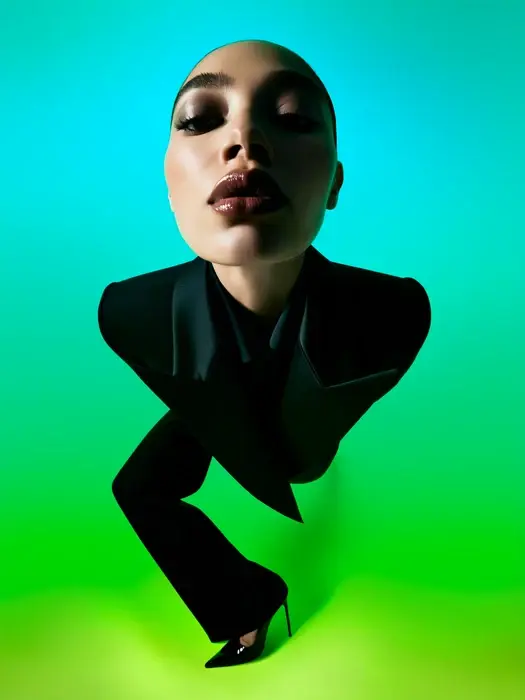
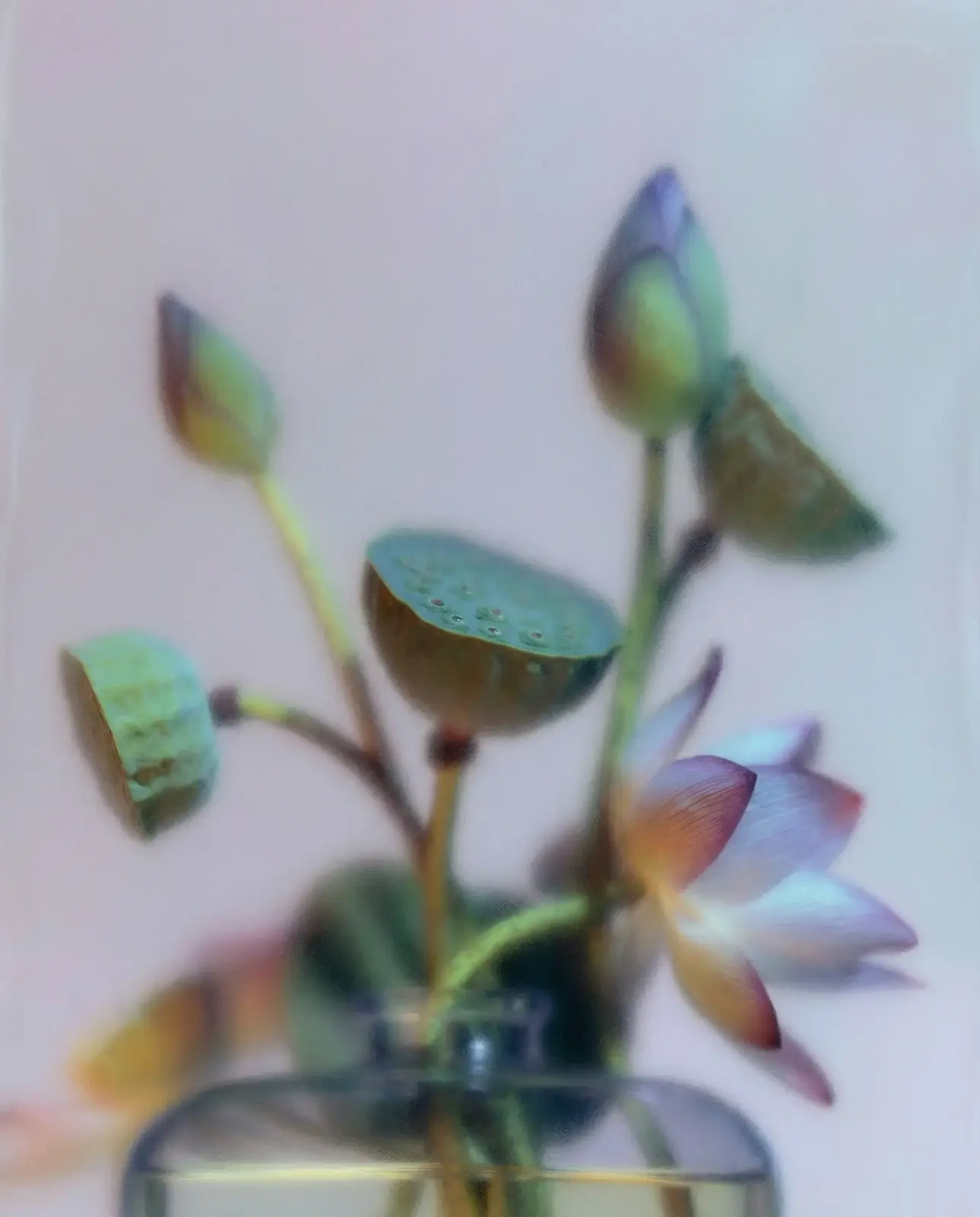
Nano Banana Pro
Copy
Analyze the uploaded image as a completed photograph and keep its composition, perspective, proportions, pose, geometry, and all visual elements exactly as they are. Apply a single continuous matte translucent layer across the entire image, behaving like thick frosted glass or dense milky material placed in front of the camera. The layer has real physical presence, smooth structure, and consistent material behavior. Its thickness subtly varies across the frame in a natural, organic way, creating areas where the underlying image appears slightly clearer while remaining softly diffused. The visibility is produced only by gradual changes in material density, without defined shapes, cutouts, lenses, or boundaries. The layer remains uninterrupted and cohesive, with soft light scattering and internal depth, functioning purely as an optical surface over the unchanged original image.
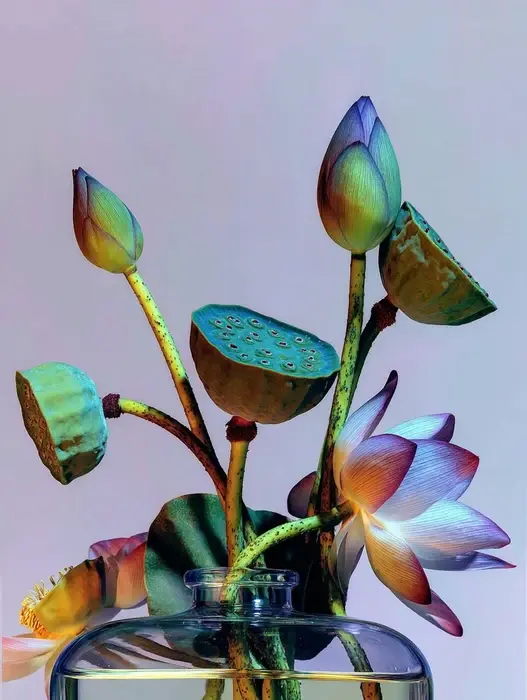
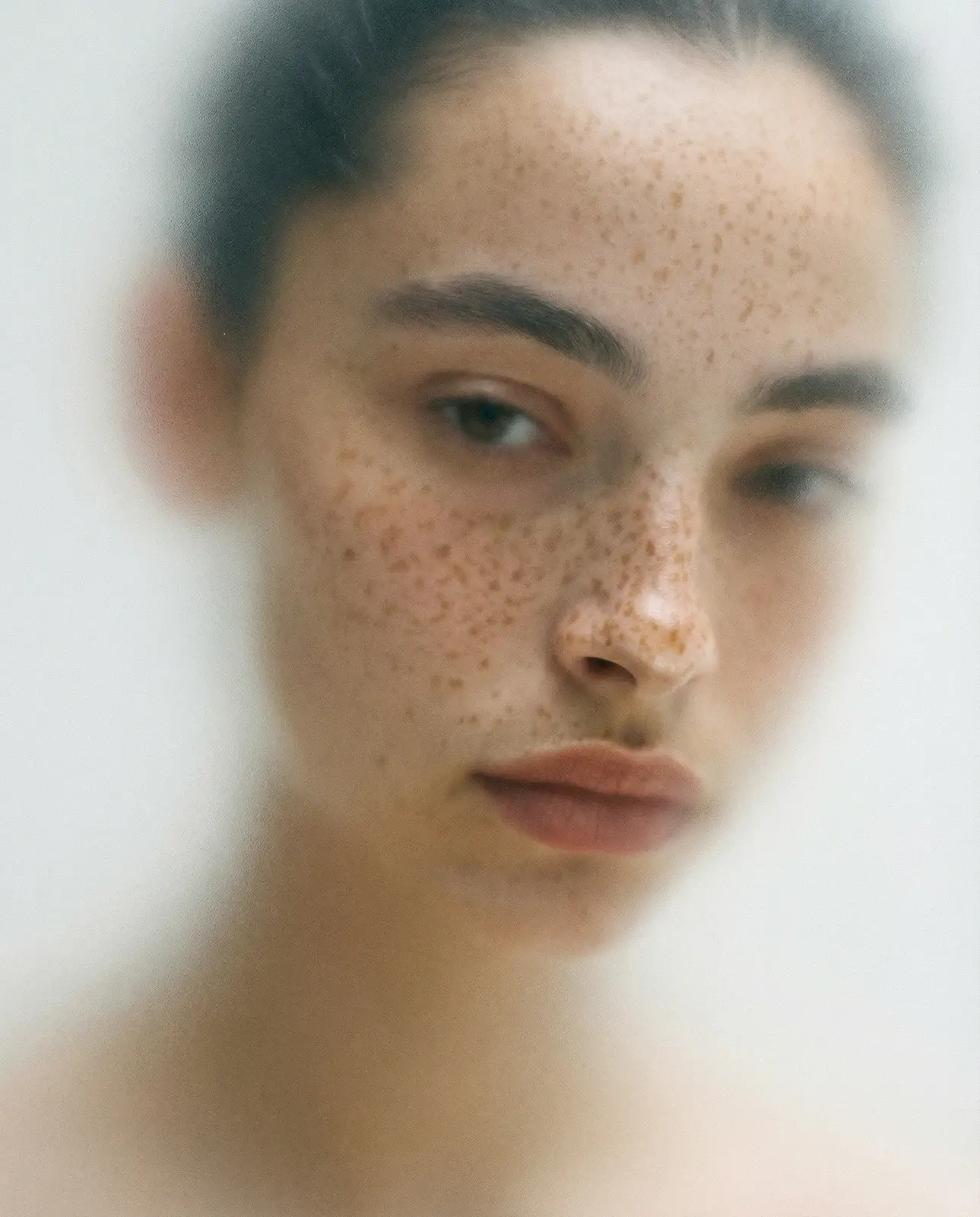
Nano Banana Pro
Copy
Carefully analyze the uploaded image and use it as the sole visual source. Preserve the original subject identity, facial features, body proportions, pose, expression, camera angle, framing, composition, background, clothing, objects, and all spatial relationships exactly as in the input image. Apply an image-edit transformation that operates directly on the existing pixels by adding a dense optical diffusion field over the entire frame. Create a very thick, milky, matte translucency similar to heavy frosted glass or dense milk haze positioned in front of the lens, with strong light scattering, soft micro-grain texture, and substantial visual depth. Build the effect using a continuous diffusion density gradient rather than a discrete visible region, so that parts of the subject gradually become more legible through smoother, thinner diffusion while remaining softly obscured by material thickness. The transition between high-density and lower-density diffusion is long, flowing, and organic, following the natural silhouette and volume of the subject instead of forming a localized opening. Visibility increases progressively and evenly, creating the impression of the subject slowly emerging through layers of translucent material. Color relationships, silhouettes, and geometry remain consistent with the original image, and the effect reads as density, depth, and material thickness rather than contrast or brightness changes. The final result should feel sculptural, atmospheric, and refined, closely resembling a figure softly manifesting through a dense, uniform, milk-like veil.
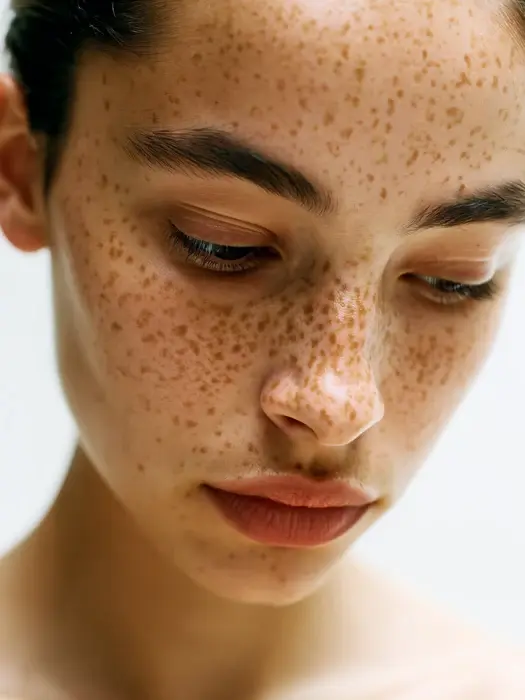
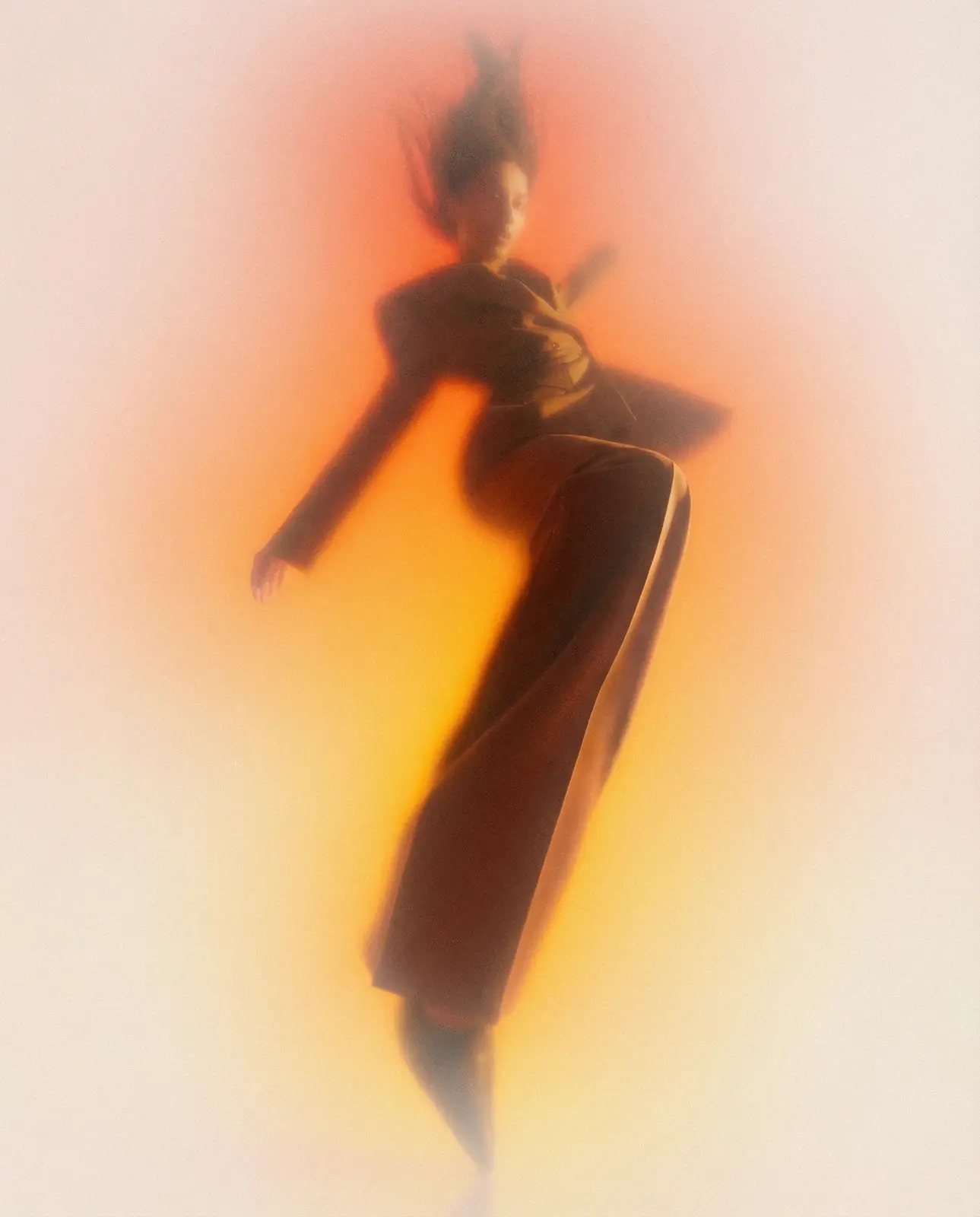
Nano Banana Pro
Copy
Carefully analyze the uploaded image and use it as the sole visual source. Preserve the original subject identity, facial features, body proportions, pose, expression, camera angle, framing, composition, background, clothing, objects, and all spatial relationships exactly as in the input image. Apply an image-edit transformation that operates directly on the existing pixels by adding a dense optical diffusion field over the entire frame. Create a very thick, milky, matte translucency similar to heavy frosted glass or dense milk haze positioned in front of the lens, with strong light scattering, soft micro-grain texture, and substantial visual depth. Build the effect using a continuous diffusion density gradient rather than a discrete visible region, so that parts of the subject gradually become more legible through smoother, thinner diffusion while remaining softly obscured by material thickness. The transition between high-density and lower-density diffusion is long, flowing, and organic, following the natural silhouette and volume of the subject instead of forming a localized opening. Visibility increases progressively and evenly, creating the impression of the subject slowly emerging through layers of translucent material. Color relationships, silhouettes, and geometry remain consistent with the original image, and the effect reads as density, depth, and material thickness rather than contrast or brightness changes. The final result should feel sculptural, atmospheric, and refined, closely resembling a figure softly manifesting through a dense, uniform, milk-like veil.
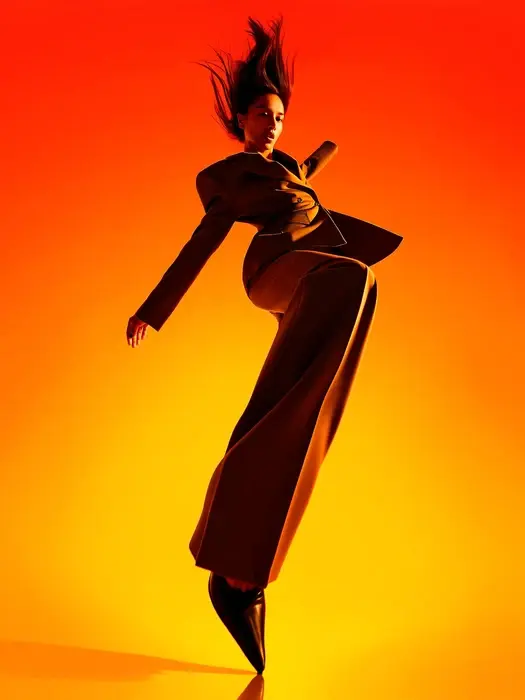
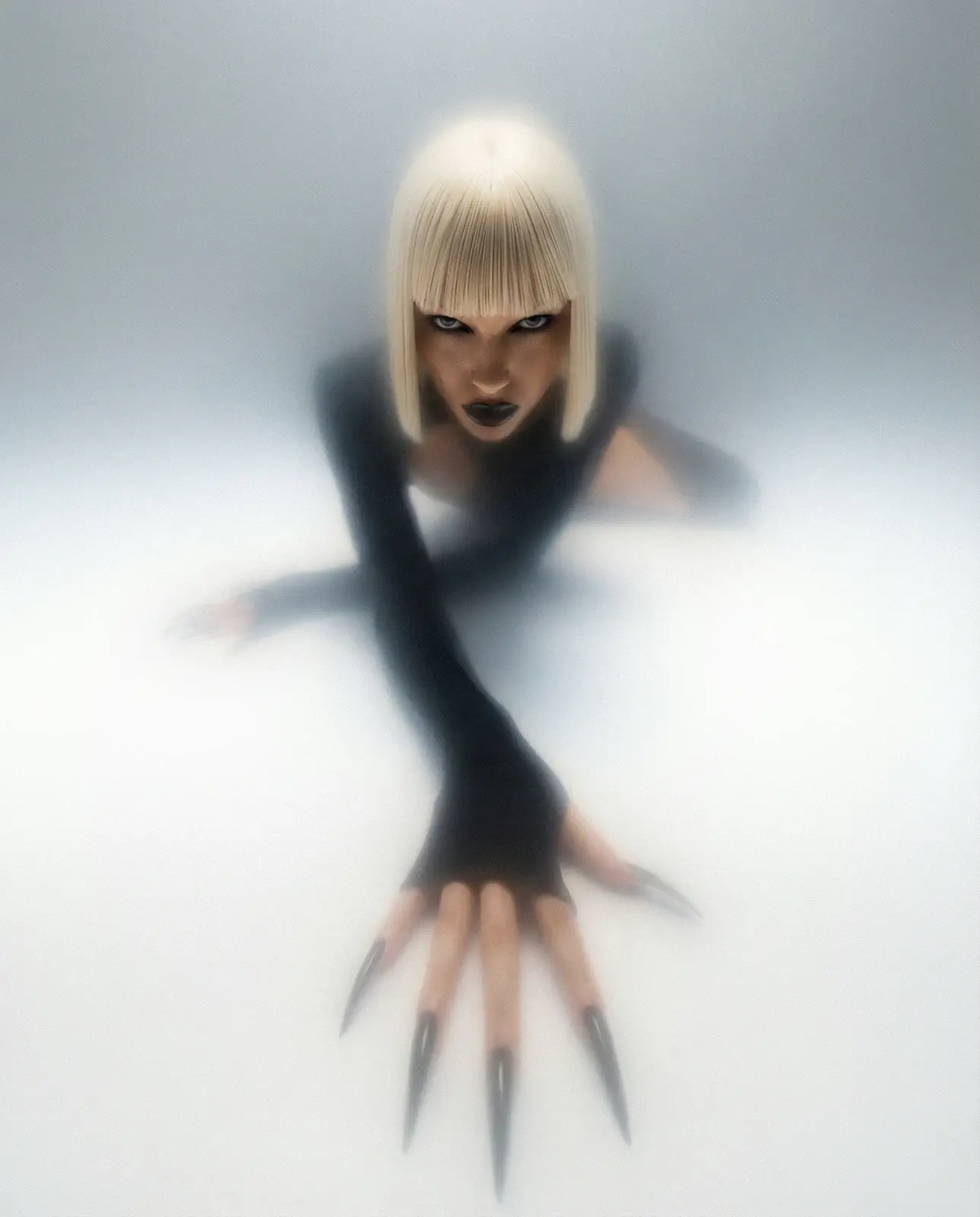
Nano Banana Pro
Copy
Carefully analyze the uploaded image and use it as the sole visual source. Preserve the original person’s identity, facial features, skin tone, hairstyle, body proportions, pose, expression, gaze, clothing fit and construction, accessories, camera angle, framing, composition, background, lighting direction, and all spatial relationships exactly as in the input image. Apply an image-edit transformation that operates directly on the existing pixels by adding a dense optical diffusion field over the entire frame. Create a very thick, milky, matte translucency positioned in front of the lens with strong light scattering, soft micro-grain, and realistic depth, reading as diffusion thickness rather than smoke, vapor, frost patterns, or particulate fog. Build the effect as a continuous diffusion density gradient across the whole image so visibility increases progressively and evenly, with smoother thinner diffusion zones that gently reveal the face and selected body contours while remaining softly obscured by material thickness. The gradient follows the natural silhouette and volume of the body and facial planes and never forms a localized opening, hole, cutout, or hard-edged window. The diffusion stays continuous and uniform in character, avoiding patchiness, banding, or broken gaps, and it never alters anatomy, changes the pose, modifies the expression, or reconstructs clothing details. Preserve color relationships and silhouette geometry, maintain editorial polish, and ensure the final result feels sculptural and refined, as if the person is softly emerging through a dense, uniform, milk-like veil.
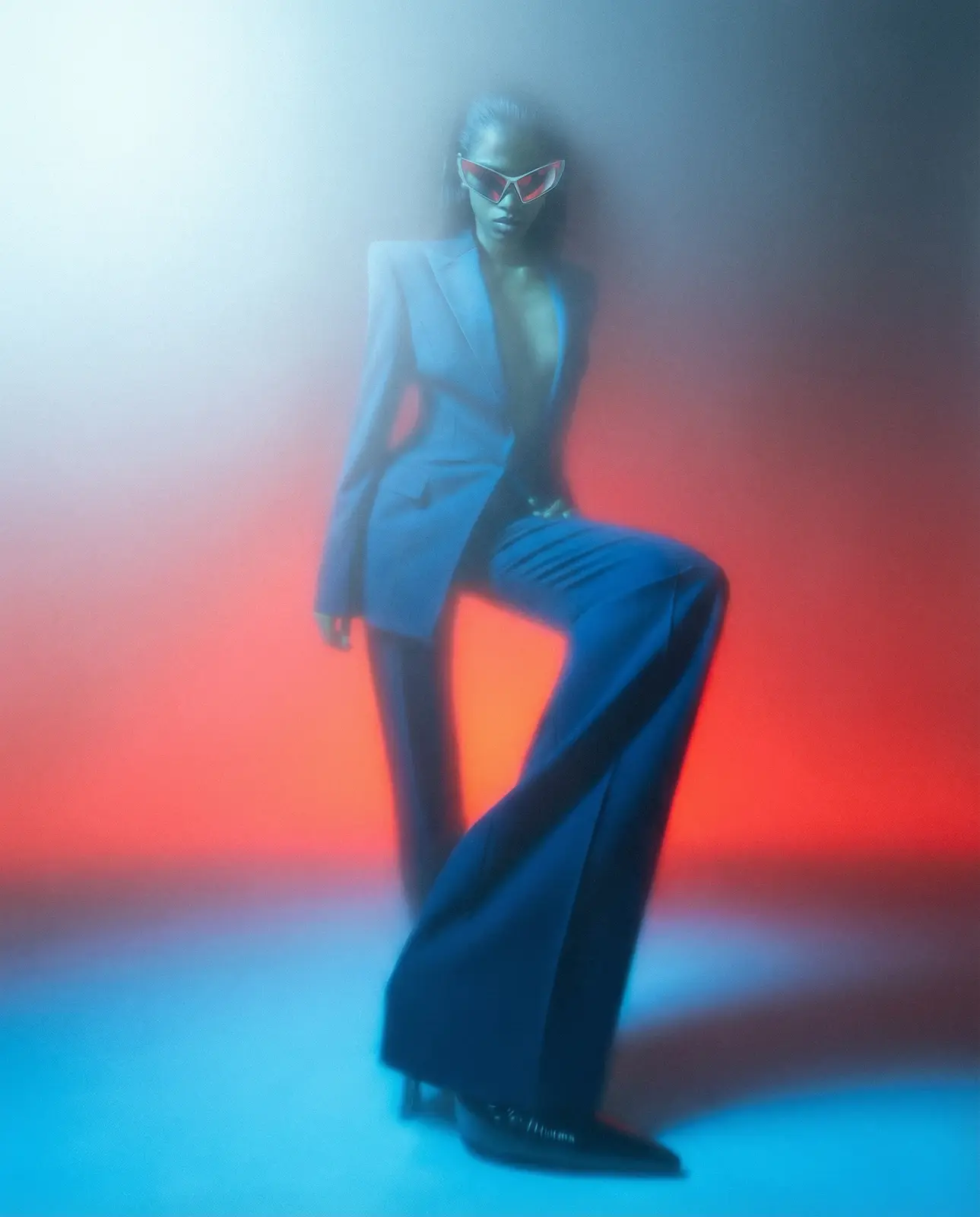
Nano Banana Pro
Copy
Carefully analyze the uploaded image and use it as the sole visual source. Preserve the original person’s identity, facial features, skin tone, hairstyle, body proportions, pose, expression, gaze, clothing fit and construction, accessories, camera angle, framing, composition, background, lighting direction, and all spatial relationships exactly as in the input image. Apply an image-edit transformation that operates directly on the existing pixels by adding a dense optical diffusion field over the entire frame. Create a very thick, milky, matte translucency positioned in front of the lens with strong light scattering, soft micro-grain, and realistic depth, reading as diffusion thickness rather than smoke, vapor, frost patterns, or particulate fog. Build the effect as a continuous diffusion density gradient across the whole image so visibility increases progressively and evenly, with smoother thinner diffusion zones that gently reveal the face and selected body contours while remaining softly obscured by material thickness. The gradient follows the natural silhouette and volume of the body and facial planes and never forms a localized opening, hole, cutout, or hard-edged window. The diffusion stays continuous and uniform in character, avoiding patchiness, banding, or broken gaps, and it never alters anatomy, changes the pose, modifies the expression, or reconstructs clothing details. Preserve color relationships and silhouette geometry, maintain editorial polish, and ensure the final result feels sculptural and refined, as if the person is softly emerging through a dense, uniform, milk-like veil.
Nano Banana Pro
Copy
Carefully analyze the uploaded image and use it as the sole visual source. Preserve the original subject identity, facial features, body proportions, pose, expression, camera angle, framing, composition, background, clothing, objects, and all spatial relationships exactly as in the input image. Apply an image-edit transformation that operates directly on the existing pixels by adding a dense optical diffusion field over the entire frame. Create a very thick, milky, matte translucency similar to heavy frosted glass or dense milk haze positioned in front of the lens, with strong light scattering, soft micro-grain texture, and substantial visual depth. Build the effect using a continuous diffusion density gradient rather than a discrete visible region, so that parts of the subject gradually become more legible through smoother, thinner diffusion while remaining softly obscured by material thickness. The transition between high-density and lower-density diffusion is long, flowing, and organic, following the natural silhouette and volume of the subject instead of forming a localized opening. Visibility increases progressively and evenly, creating the impression of the subject slowly emerging through layers of translucent material. Color relationships, silhouettes, and geometry remain consistent with the original image, and the effect reads as density, depth, and material thickness rather than contrast or brightness changes. The final result should feel sculptural, atmospheric, and refined, closely resembling a figure softly manifesting through a dense, uniform, milk-like veil.
Nano Banana Pro
Copy
Carefully analyze the uploaded image and use it as the final and complete visual source. Preserve the original subject identity, facial features, body proportions, pose, expression, camera angle, framing, composition, background, clothing, objects, and all spatial relationships exactly as in the input image. Apply an image-edit transformation that works directly on the existing pixels by introducing a dense, layered optical diffusion field across the entire frame. Create a very thick, milky, matte translucency resembling multiple stacked layers of frosted glass or dense milk haze placed in front of the lens, with strong light scattering, visible depth, and soft micro-grain texture. Build the effect using a continuous and slow diffusion density gradient, so that parts of the subject gradually become more legible through accumulated translucency while remaining enveloped by material thickness. The transition from high-density diffusion to slightly thinner diffusion is extended, smooth, and organic, following the natural volume and silhouette of the subject rather than forming a distinct boundary. Visibility increases progressively through layered translucency and depth, creating the impression of the subject softly advancing through a dense medium. Color relationships, silhouettes, and geometry remain consistent with the original image, and the effect reads as optical density, depth, and material presence rather than blur or brightness changes. The final result should feel sculptural, immersive, and refined, closely matching the reference aesthetic of a figure slowly manifesting through a thick, uniform, milk-like veil.
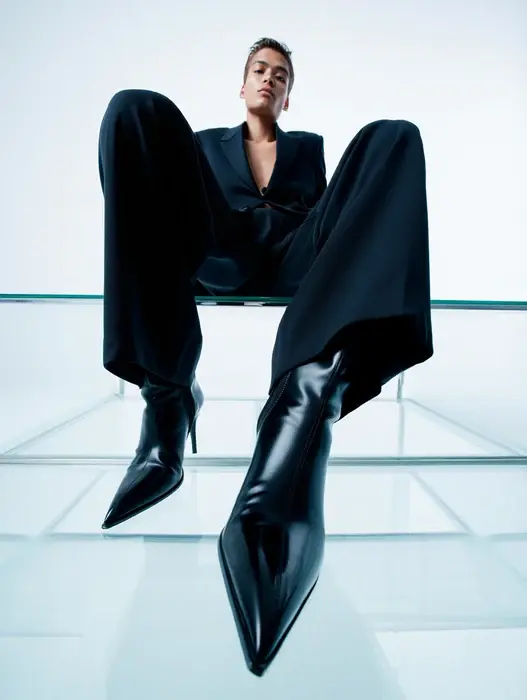
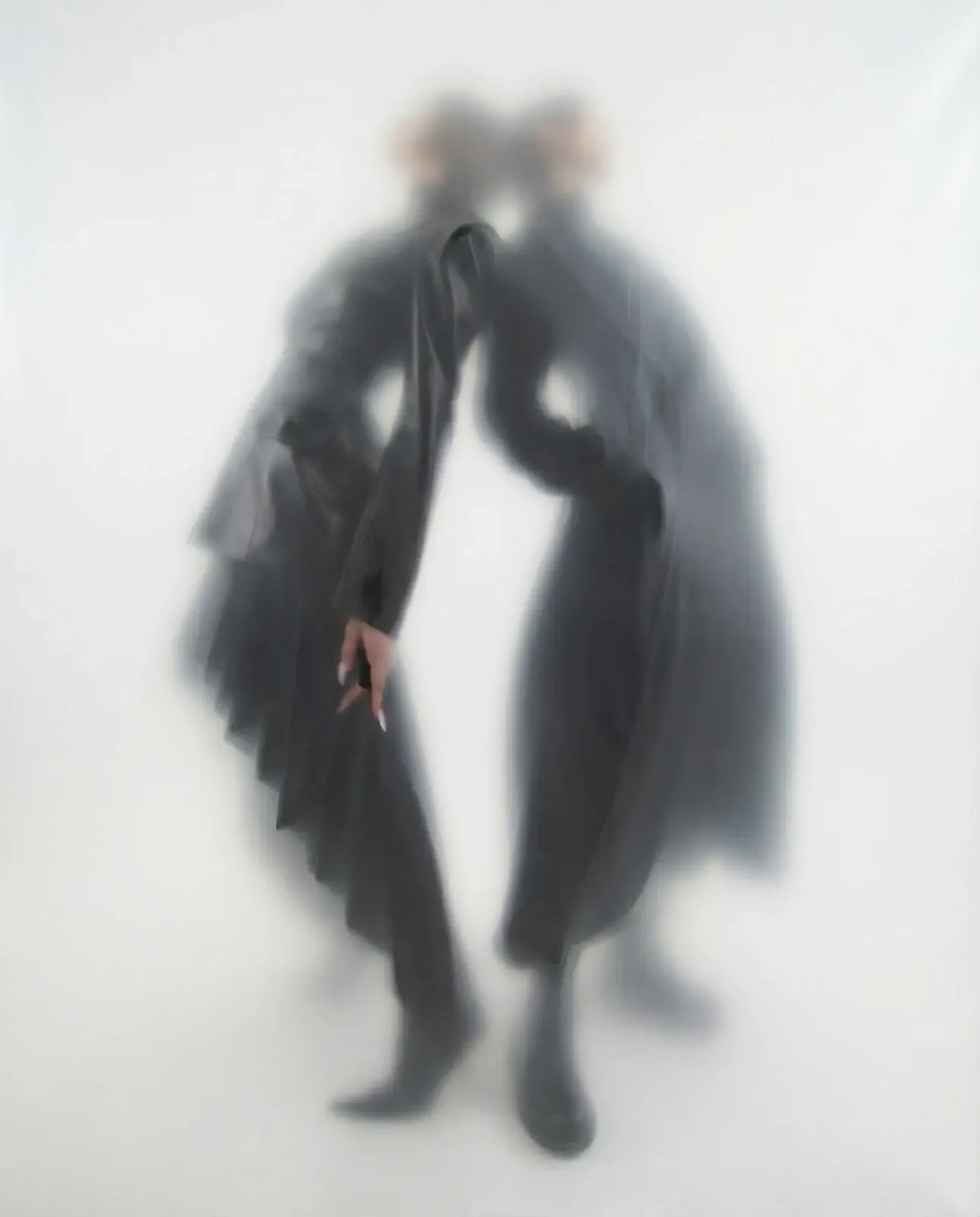
Nano Banana Pro
Copy
Analyze the uploaded image as a completed photograph and keep its composition, perspective, proportions, pose, geometry, and all visual elements exactly as they are. Apply a single continuous matte translucent layer across the entire image, behaving like thick frosted glass or dense milky material placed in front of the camera. The layer has real physical presence, smooth structure, and consistent material behavior. Its thickness subtly varies across the frame in a natural, organic way, creating areas where the underlying image appears slightly clearer while remaining softly diffused. The visibility is produced only by gradual changes in material density, without defined shapes, cutouts, lenses, or boundaries. The layer remains uninterrupted and cohesive, with soft light scattering and internal depth, functioning purely as an optical surface over the unchanged original image.
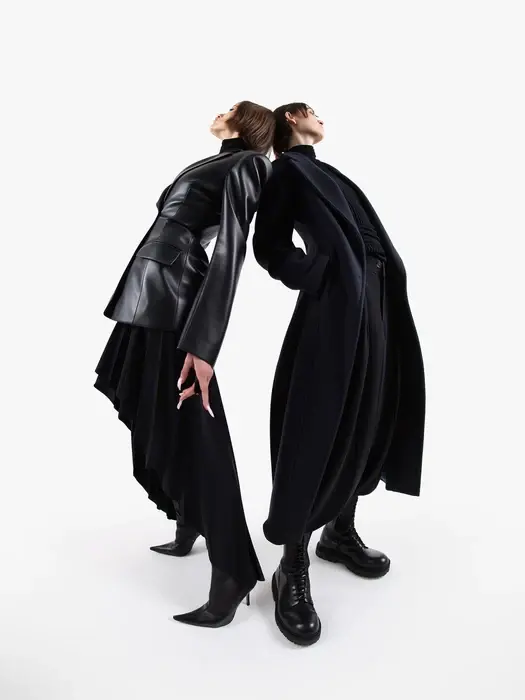
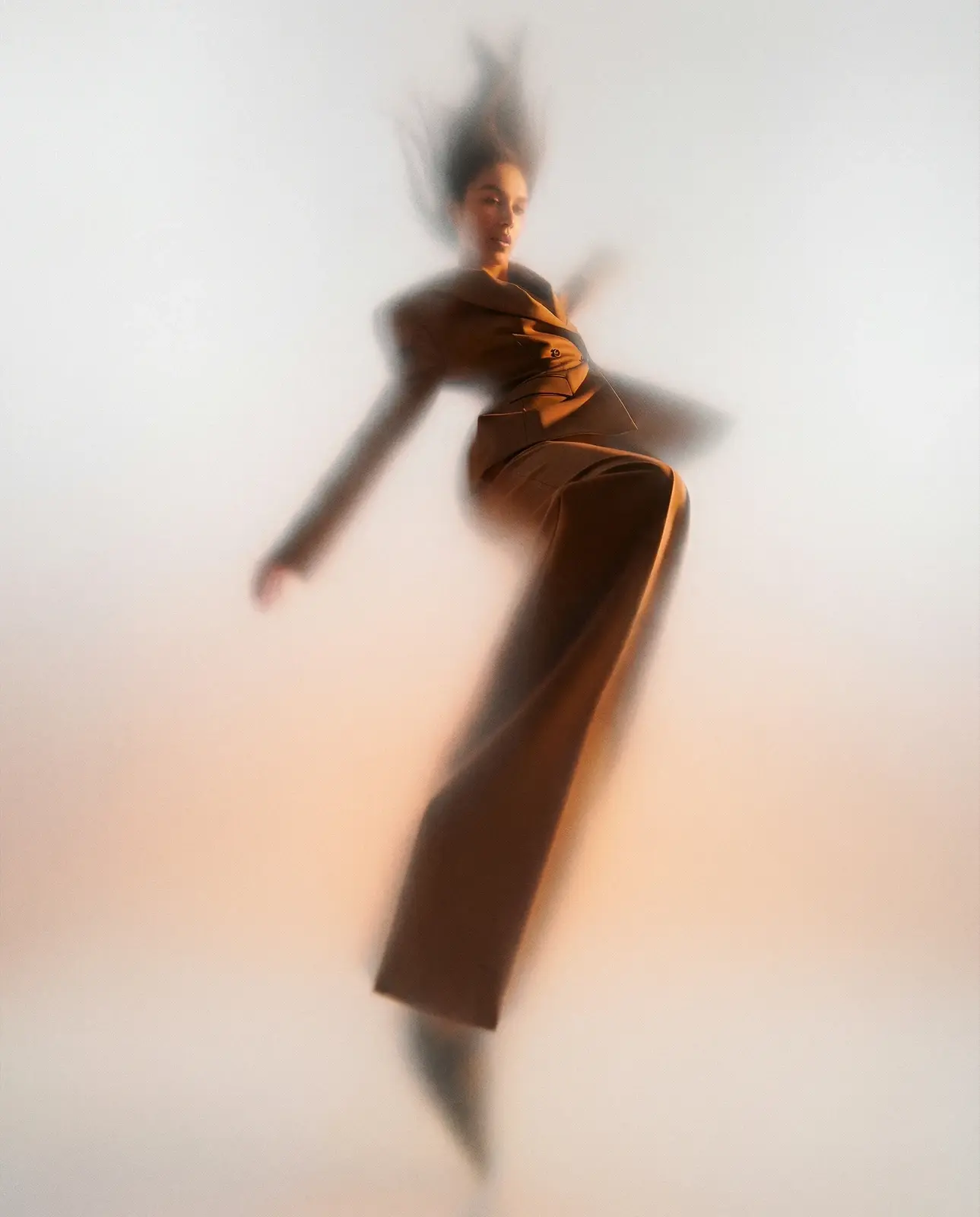
Nano Banana Pro
Copy
Carefully analyze the uploaded image and use it as the final and complete visual source. Preserve the original subject identity, facial features, body proportions, pose, expression, camera angle, framing, composition, background, clothing, objects, and all spatial relationships exactly as in the input image. Apply an image-edit transformation that works directly on the existing pixels by introducing a dense, layered optical diffusion field across the entire frame. Create a very thick, milky, matte translucency resembling multiple stacked layers of frosted glass or dense milk haze placed in front of the lens, with strong light scattering, visible depth, and soft micro-grain texture. Build the effect using a continuous and slow diffusion density gradient, so that parts of the subject gradually become more legible through accumulated translucency while remaining enveloped by material thickness. The transition from high-density diffusion to slightly thinner diffusion is extended, smooth, and organic, following the natural volume and silhouette of the subject rather than forming a distinct boundary. Visibility increases progressively through layered translucency and depth, creating the impression of the subject softly advancing through a dense medium. Color relationships, silhouettes, and geometry remain consistent with the original image, and the effect reads as optical density, depth, and material presence rather than blur or brightness changes. The final result should feel sculptural, immersive, and refined, closely matching the reference aesthetic of a figure slowly manifesting through a thick, uniform, milk-like veil.
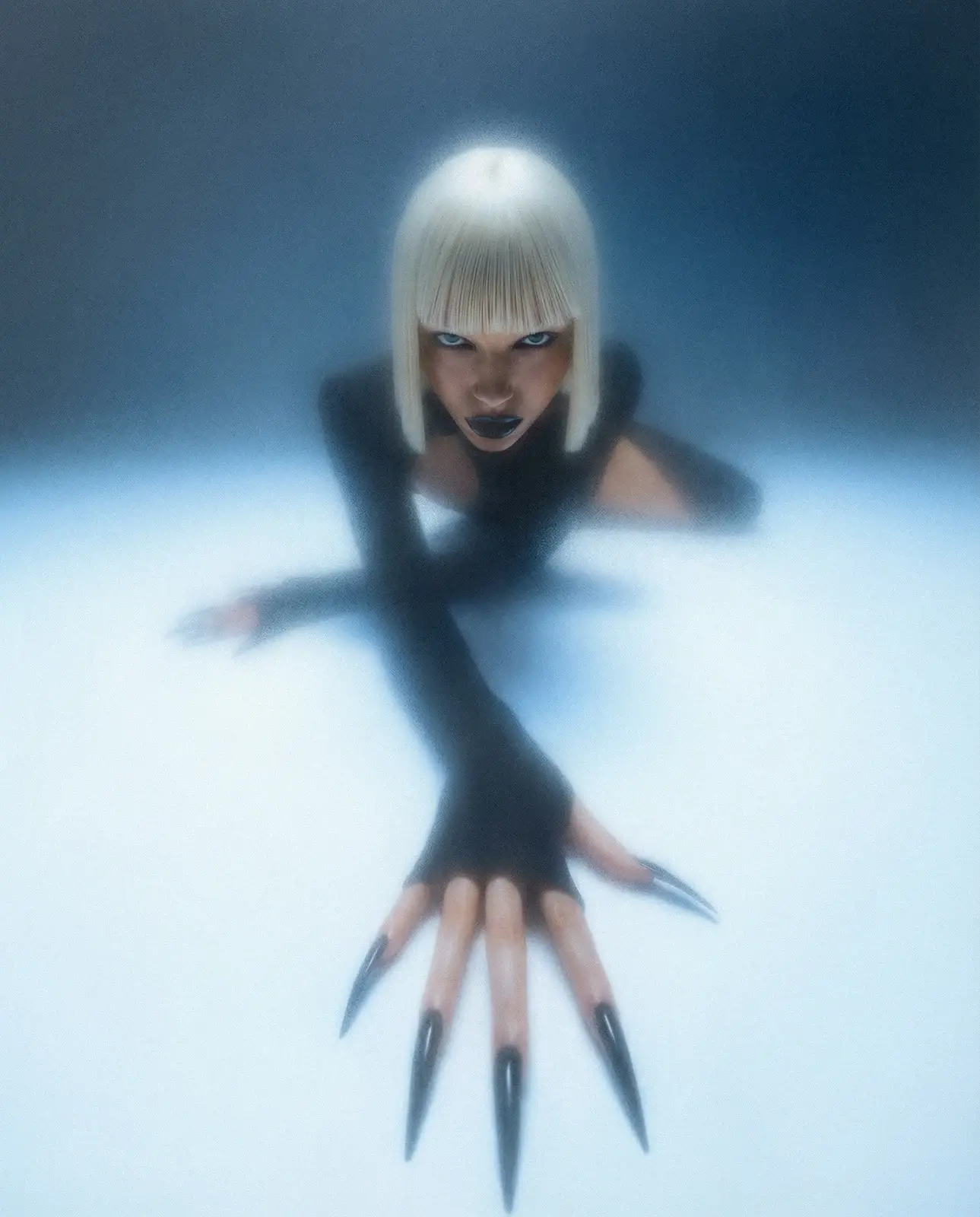
Nano Banana Pro
Copy
Carefully analyze the uploaded image and use it as the sole visual source. Preserve the original subject identity, facial features, body proportions, pose, expression, camera angle, framing, composition, background, clothing, objects, and all spatial relationships exactly as in the input image. Apply an image-edit transformation that operates directly on the existing pixels by adding a dense optical diffusion field over the entire frame. Create a very thick, milky, matte translucency similar to heavy frosted glass or dense milk haze positioned in front of the lens, with strong light scattering, soft micro-grain texture, and substantial visual depth. Build the effect using a continuous diffusion density gradient rather than a discrete visible region, so that parts of the subject gradually become more legible through smoother, thinner diffusion while remaining softly obscured by material thickness. The transition between high-density and lower-density diffusion is long, flowing, and organic, following the natural silhouette and volume of the subject instead of forming a localized opening. Visibility increases progressively and evenly, creating the impression of the subject slowly emerging through layers of translucent material. Color relationships, silhouettes, and geometry remain consistent with the original image, and the effect reads as density, depth, and material thickness rather than contrast or brightness changes. The final result should feel sculptural, atmospheric, and refined, closely resembling a figure softly manifesting through a dense, uniform, milk-like veil.
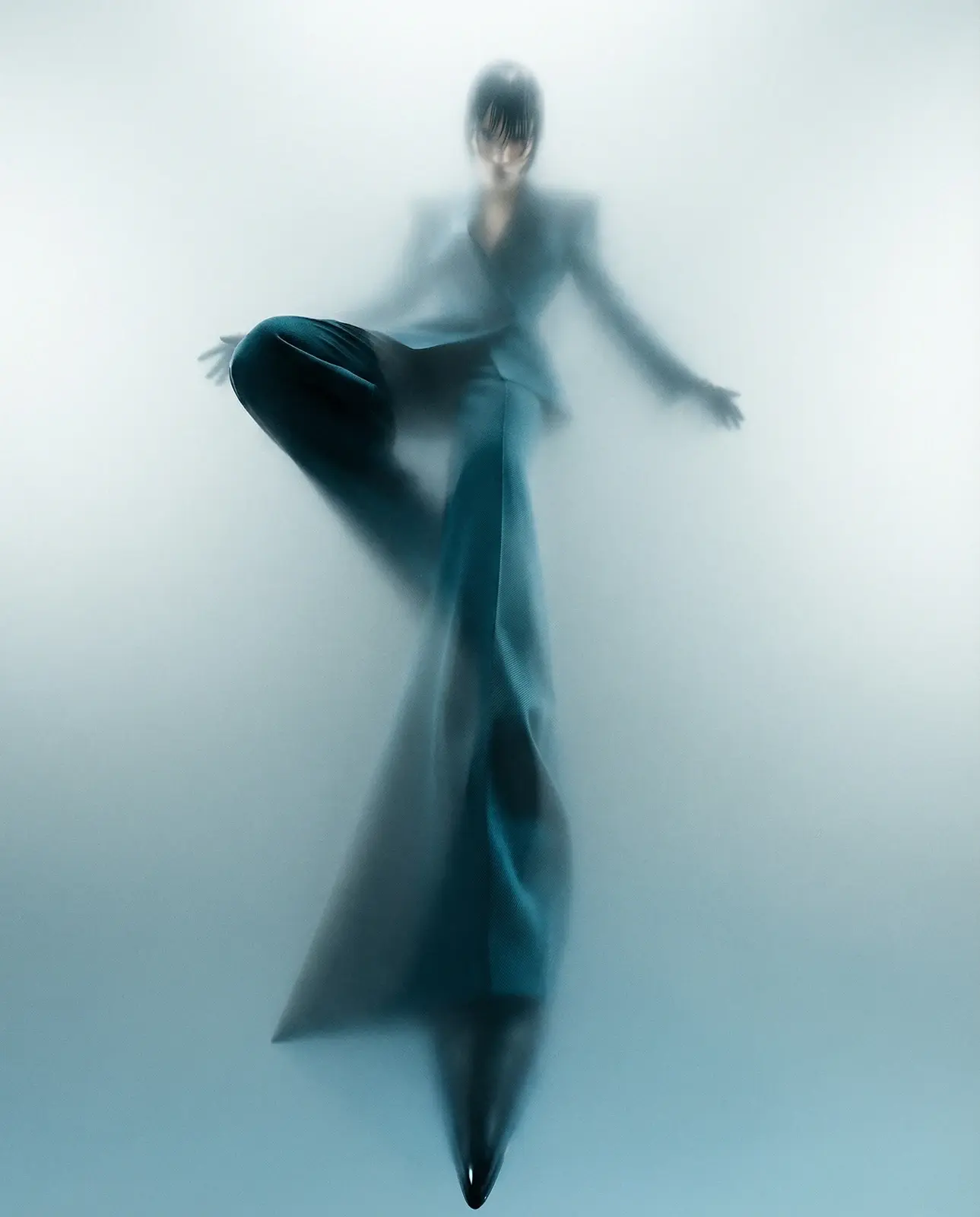
Nano Banana Pro
Copy
Carefully analyze the uploaded image and use it as the sole visual source. Preserve the original subject identity, facial features, body proportions, pose, expression, camera angle, framing, composition, background, clothing, objects, and all spatial relationships exactly as in the input image. Apply an image-edit transformation that operates directly on the existing pixels by adding a dense optical diffusion field over the entire frame. Create a very thick, milky, matte translucency similar to heavy frosted glass or dense milk haze positioned in front of the lens, with strong light scattering, soft micro-grain texture, and substantial visual depth. Build the effect using a continuous diffusion density gradient rather than a discrete visible region, so that parts of the subject gradually become more legible through smoother, thinner diffusion while remaining softly obscured by material thickness. The transition between high-density and lower-density diffusion is long, flowing, and organic, following the natural silhouette and volume of the subject instead of forming a localized opening. Visibility increases progressively and evenly, creating the impression of the subject slowly emerging through layers of translucent material. Color relationships, silhouettes, and geometry remain consistent with the original image, and the effect reads as density, depth, and material thickness rather than contrast or brightness changes. The final result should feel sculptural, atmospheric, and refined, closely resembling a figure softly manifesting through a dense, uniform, milk-like veil.
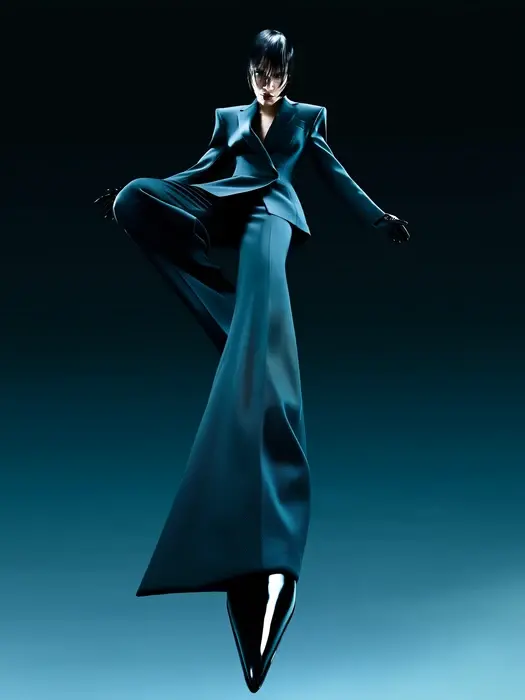
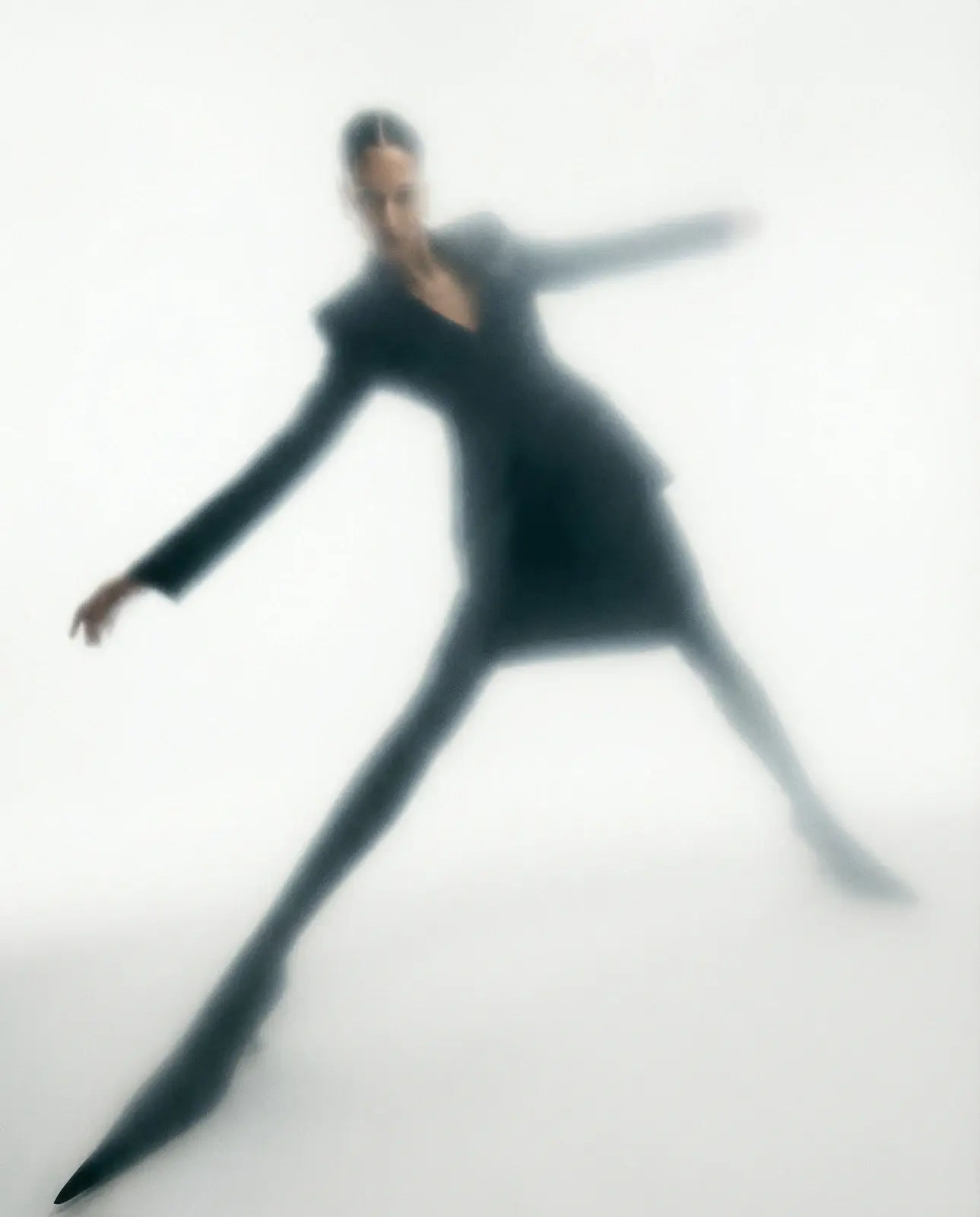
Nano Banana Pro
Copy
Carefully analyze the uploaded image and use it as the final and complete visual source. Preserve the original subject identity, facial features, body proportions, pose, expression, camera angle, framing, composition, background, clothing, objects, and all spatial relationships exactly as in the input image. Apply an image-edit transformation that works directly on the existing pixels by introducing a dense, layered optical diffusion field across the entire frame. Create a very thick, milky, matte translucency resembling multiple stacked layers of frosted glass or dense milk haze placed in front of the lens, with strong light scattering, visible depth, and soft micro-grain texture. Build the effect using a continuous and slow diffusion density gradient, so that parts of the subject gradually become more legible through accumulated translucency while remaining enveloped by material thickness. The transition from high-density diffusion to slightly thinner diffusion is extended, smooth, and organic, following the natural volume and silhouette of the subject rather than forming a distinct boundary. Visibility increases progressively through layered translucency and depth, creating the impression of the subject softly advancing through a dense medium. Color relationships, silhouettes, and geometry remain consistent with the original image, and the effect reads as optical density, depth, and material presence rather than blur or brightness changes. The final result should feel sculptural, immersive, and refined, closely matching the reference aesthetic of a figure slowly manifesting through a thick, uniform, milk-like veil.
Nano Banana Pro
Copy
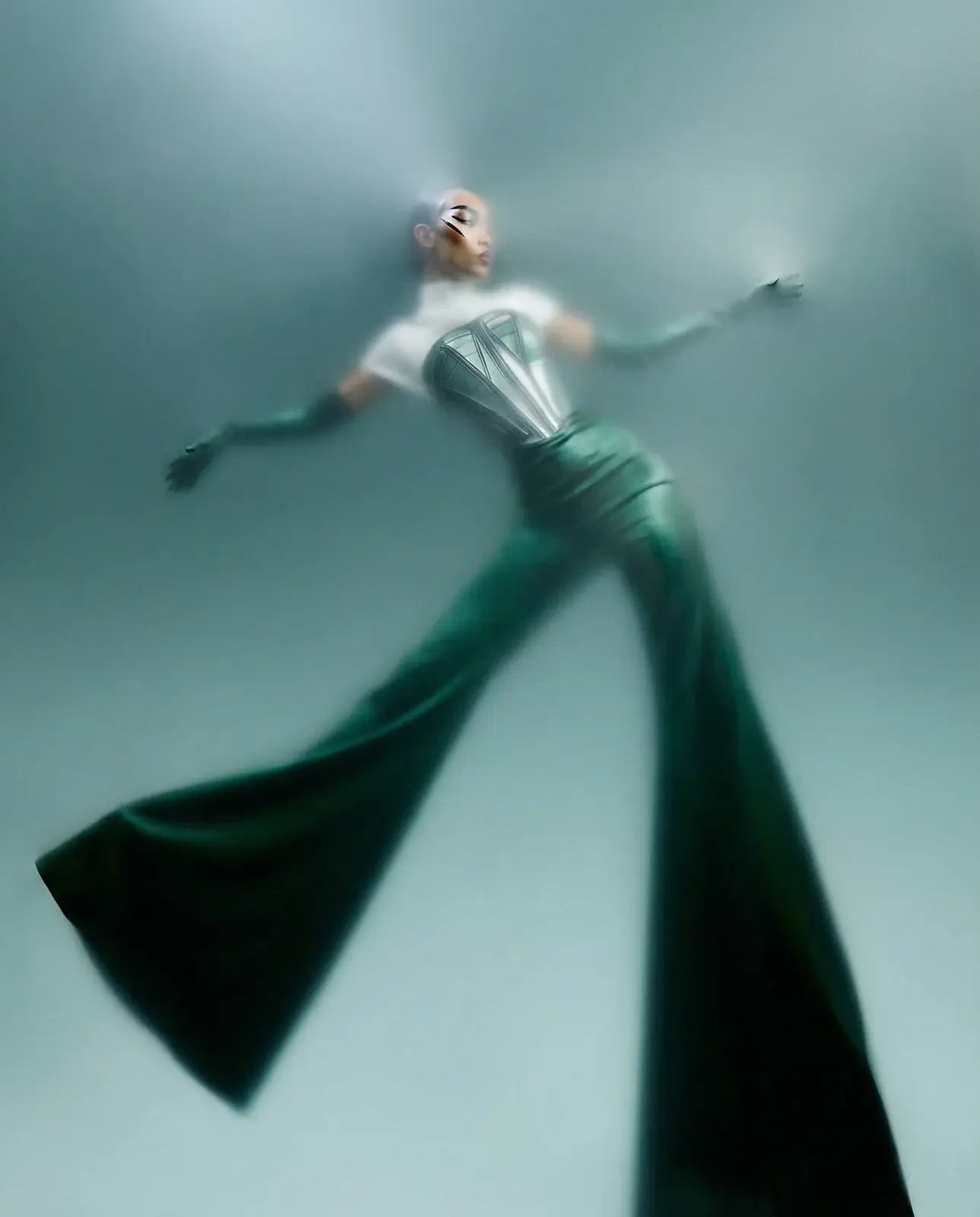
Analyze the uploaded image as a fixed source and keep the original subject, identity, pose, objects, clothing, environment, composition, framing, proportions, and perspective exactly the same.
Treat the image as a completed photograph and apply a single controlled optical effect layer on top of it, without altering or reinterpreting the scene itself.
Add a dense translucent diffusion effect resembling frosted glass, milk-like opacity, or thick atmospheric haze. This diffusion behaves as a physical semi-transparent layer placed between the camera and the scene.
Establish a subtle depth hierarchy within the existing image: one naturally prominent area of the original image appears slightly clearer and closer through the diffusion, while all other areas remain softly obscured behind the translucent layer. The clearer area is still gentle and diffused, never sharp.
The transition between clearer and more diffused zones is smooth, continuous, and organic, as if light is scattering through a real material.
Preserve all original shapes, silhouettes, colors, and spatial relationships. The effect modifies visibility and light diffusion only, not the structure or content of the image.
The final result should feel like viewing the same image through matte glass or dense mist, realistic, physical, calm, and editorial.

Nano Banana Pro
Copy
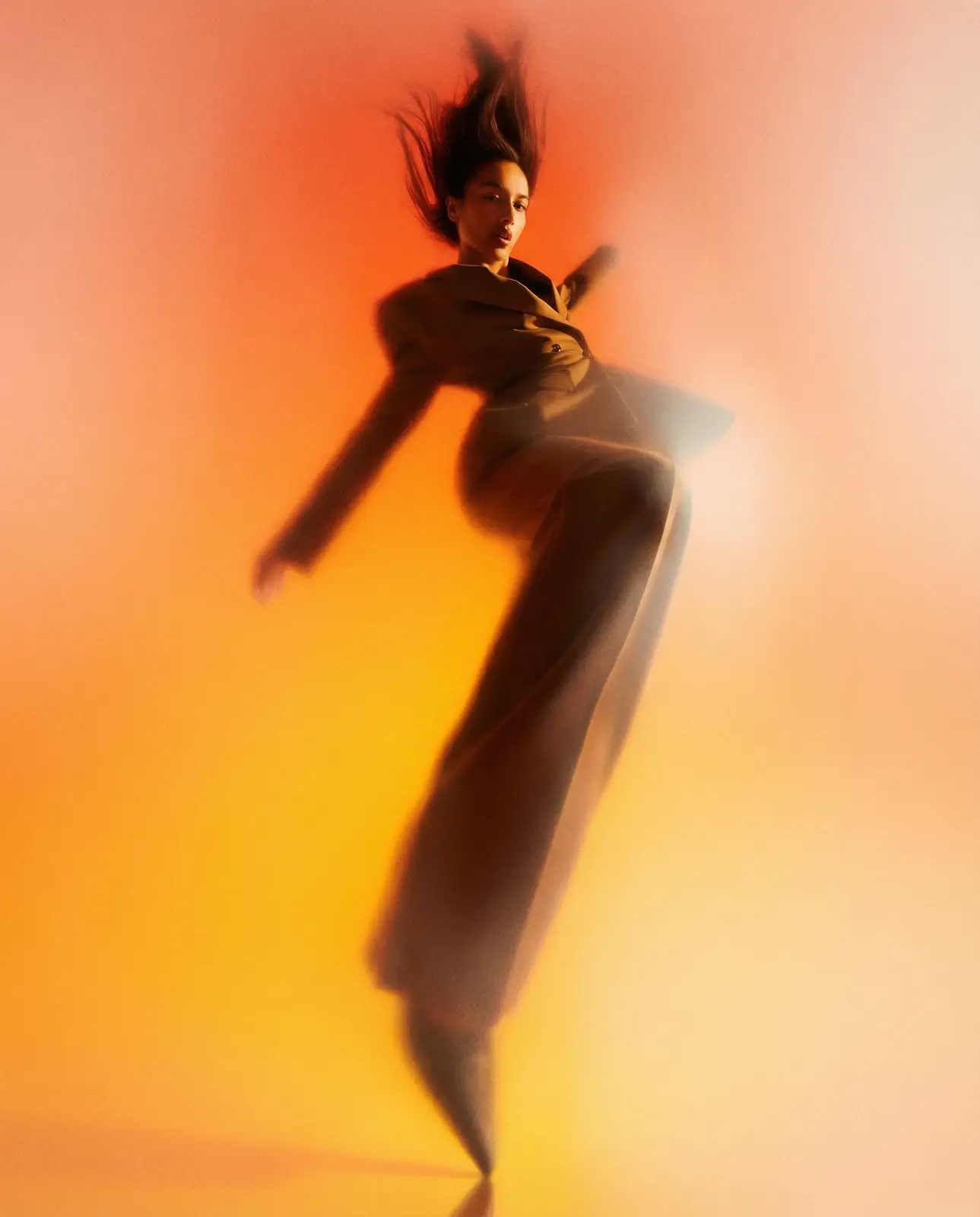
High-Quality Photograph, analyze the uploaded image as the sole source and strictly preserve the original subject or object, its exact shape, proportions, pose or geometry, spatial position, scale, camera angle, framing, composition, perspective, lighting structure, materials, textures and background, then apply a refined editorial optical overlay where a single continuous dense translucent veil covers the entire frame like a stretched sheet of matte frosted glass placed directly in front of the scene, the veil behaves as a physical material with uniform thickness, smooth diffusion and even opacity across the image, forming a calm seamless surface without breaks, inside this surface one selected area of the original subject or object subtly presses forward toward the viewer as if gently pushing against elastic frosted glass, creating a smooth rounded bulge with soft gradual transitions fully integrated into the veil, the revealed area stays perfectly aligned with the original image and remains optically clearer than the surrounding surface while still filtered by the veil, all other areas remain evenly diffused behind the same continuous layer, the effect reads as a controlled material interaction rather than smoke or atmosphere, maintaining high-end fashion and product editorial aesthetics with clean optics and physical plausibility.
Nano Banana Pro
Copy
Carefully analyze the uploaded image and use it as the sole visual source. Preserve the original subject identity, facial features, body proportions, pose, expression, camera angle, framing, composition, background, clothing, objects, and all spatial relationships exactly as in the input image. Apply an image-edit transformation that operates directly on the existing pixels by adding a dense optical diffusion field over the entire frame. Create a very thick, milky, matte translucency similar to heavy frosted glass or dense milk haze positioned in front of the lens, with strong light scattering, soft micro-grain texture, and substantial visual depth. Build the effect using a continuous diffusion density gradient rather than a discrete visible region, so that parts of the subject gradually become more legible through smoother, thinner diffusion while remaining softly obscured by material thickness. The transition between high-density and lower-density diffusion is long, flowing, and organic, following the natural silhouette and volume of the subject instead of forming a localized opening. Visibility increases progressively and evenly, creating the impression of the subject slowly emerging through layers of translucent material. Color relationships, silhouettes, and geometry remain consistent with the original image, and the effect reads as density, depth, and material thickness rather than contrast or brightness changes. The final result should feel sculptural, atmospheric, and refined, closely resembling a figure softly manifesting through a dense, uniform, milk-like veil.
Nano Banana Pro
Copy
Carefully analyze the uploaded image and use it as the complete and unchanged visual source. Preserve the original subject identity, facial features, body proportions, pose, expression, camera angle, framing, composition, background, clothing, objects, and all spatial relationships exactly as they appear. Apply an image-edit transformation that introduces a single, continuous optical diffusion sheet positioned in front of the camera and covering the entire frame. This diffusion sheet is very thick, milky, and matte, similar to dense frosted glass or opaque milk film, with strong light scattering, high optical density, and visible material depth. The diffusion behaves as one unified foreground layer rather than atmospheric fog. Within this layer, create subtle internal density variation so that parts of the subject carry stronger visual presence through the material, while remaining fully embedded in the same translucent medium. The visibility change is gradual, smooth, and volumetric, following the natural silhouette and mass of the subject instead of forming edges, openings, or localized clear zones. The subject appears to softly advance in visual priority through the dense layer without separation from it, creating the impression of a figure perceived through substantial thickness. Color relationships, silhouettes, and geometry remain consistent with the original image, and the effect reads as optical density, material presence, and layered translucency rather than blur, glow, or atmospheric haze. The final result should closely resemble the reference aesthetic of a dense, uniform, milk-like veil with gentle internal variation and a sculptural, refined appearance.
Nano Banana Pro
Copy
Carefully analyze the uploaded image and use it as the sole visual source. Preserve the original subject identity, facial features, body proportions, pose, expression, camera angle, framing, composition, background, clothing, objects, and all spatial relationships exactly as in the input image. Apply an image-edit transformation that operates directly on the existing pixels by adding a dense optical diffusion field over the entire frame. Create a very thick, milky, matte translucency similar to heavy frosted glass or dense milk haze positioned in front of the lens, with strong light scattering, soft micro-grain texture, and substantial visual depth. Build the effect using a continuous diffusion density gradient rather than a discrete visible region, so that parts of the subject gradually become more legible through smoother, thinner diffusion while remaining softly obscured by material thickness. The transition between high-density and lower-density diffusion is long, flowing, and organic, following the natural silhouette and volume of the subject instead of forming a localized opening. Visibility increases progressively and evenly, creating the impression of the subject slowly emerging through layers of translucent material. Color relationships, silhouettes, and geometry remain consistent with the original image, and the effect reads as density, depth, and material thickness rather than contrast or brightness changes. The final result should feel sculptural, atmospheric, and refined, closely resembling a figure softly manifesting through a dense, uniform, milk-like veil.
Nano Banana Pro
Copy
Carefully analyze the uploaded image and use it as the sole visual source. Preserve the original subject identity, facial features, body proportions, pose, expression, camera angle, framing, composition, background, clothing, objects, and all spatial relationships exactly as in the input image. Apply an image-edit transformation that operates directly on the existing pixels by adding a dense optical diffusion field over the entire frame. Create a very thick, milky, matte translucency similar to heavy frosted glass or dense milk haze positioned in front of the lens, with strong light scattering, soft micro-grain texture, and substantial visual depth. Build the effect using a continuous diffusion density gradient rather than a discrete visible region, so that parts of the subject gradually become more legible through smoother, thinner diffusion while remaining softly obscured by material thickness. The transition between high-density and lower-density diffusion is long, flowing, and organic, following the natural silhouette and volume of the subject instead of forming a localized opening. Visibility increases progressively and evenly, creating the impression of the subject slowly emerging through layers of translucent material. Color relationships, silhouettes, and geometry remain consistent with the original image, and the effect reads as density, depth, and material thickness rather than contrast or brightness changes. The final result should feel sculptural, atmospheric, and refined, closely resembling a figure softly manifesting through a dense, uniform, milk-like veil.
Nano Banana Pro
Copy
Carefully analyze the uploaded image and use it as the sole visual source. Preserve the original subject identity, facial features, body proportions, pose, expression, camera angle, framing, composition, background, clothing, objects, and all spatial relationships exactly as in the input image. Apply an image-edit transformation that operates directly on the existing pixels by adding a dense optical diffusion field over the entire frame. Create a very thick, milky, matte translucency similar to heavy frosted glass or dense milk haze positioned in front of the lens, with strong light scattering, soft micro-grain texture, and substantial visual depth. Build the effect using a continuous diffusion density gradient rather than a discrete visible region, so that parts of the subject gradually become more legible through smoother, thinner diffusion while remaining softly obscured by material thickness. The transition between high-density and lower-density diffusion is long, flowing, and organic, following the natural silhouette and volume of the subject instead of forming a localized opening. Visibility increases progressively and evenly, creating the impression of the subject slowly emerging through layers of translucent material. Color relationships, silhouettes, and geometry remain consistent with the original image, and the effect reads as density, depth, and material thickness rather than contrast or brightness changes. The final result should feel sculptural, atmospheric, and refined, closely resembling a figure softly manifesting through a dense, uniform, milk-like veil.
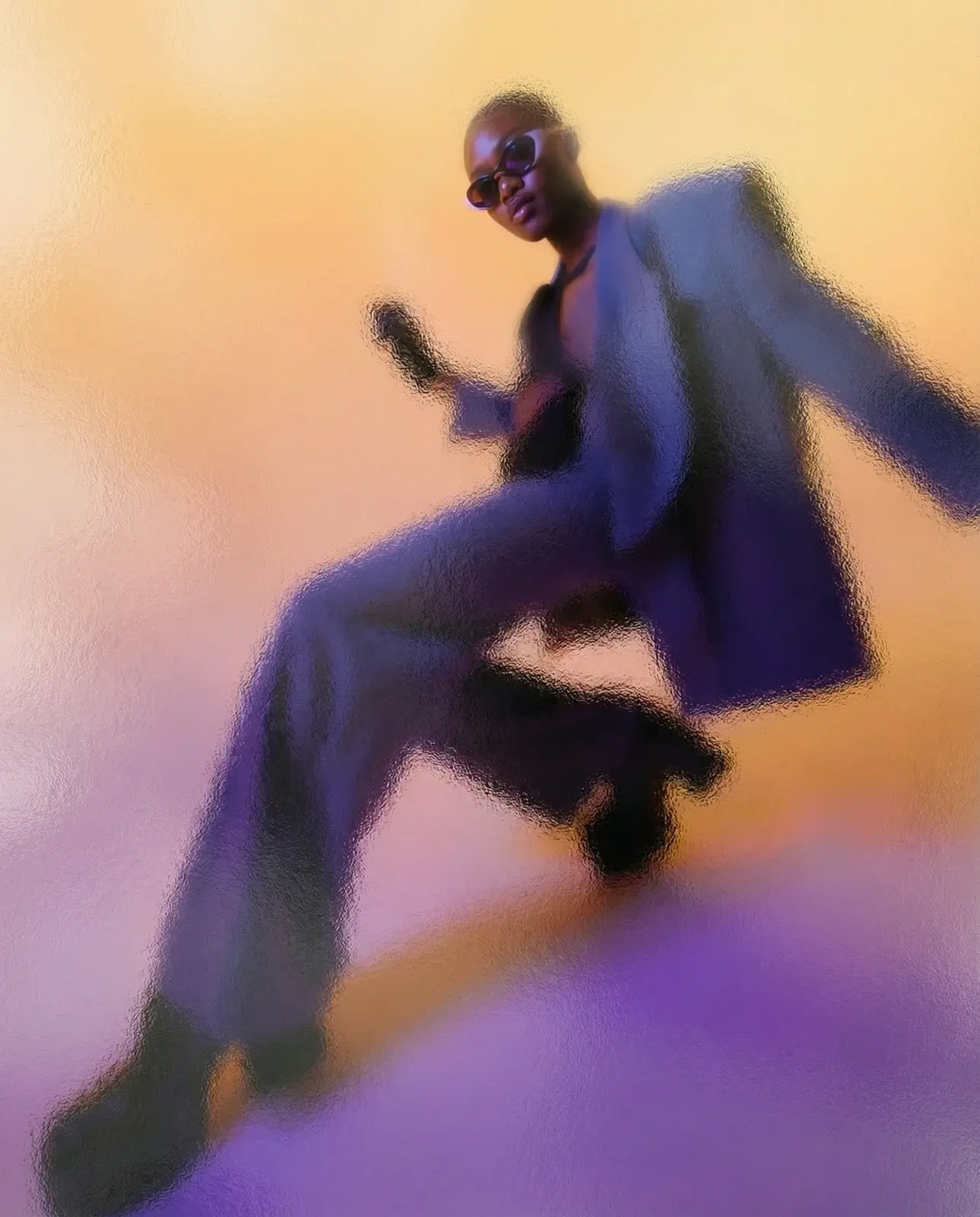
Nano Banana Pro
Copy
Analyze the uploaded image as a fixed, completed photograph and preserve the original subject, identity, pose, anatomy, objects, clothing, composition, framing, proportions, perspective, and spatial relationships in a pixel-accurate way. This task is strictly a post-processing transformation applied on top of the existing image, similar to placing a physical diffusion surface in front of the camera, without altering or reinterpreting the scene itself. Apply a very dense, thick, non-uniform optical diffusion effect resembling heavy frosted glass or opaque milky material positioned close to the lens, strongly obscuring most of the image. Create the illusion of depth exclusively by varying the density and thickness of the diffusion layer, not by moving, reshaping, or reconstructing any part of the image. One or several naturally prominent areas of the original image appear more visible through thinner diffusion, while remaining soft and diffused, as if seen through compressed translucent material, and all other areas stay deeply submerged behind the dense layer. The visibility difference is driven by optical density and light scattering only, never by brightness, glow, focus changes, pose alteration, or geometry changes. Light interaction is layered, uneven, and tactile, with a strong sense of material thickness and physical presence. The final result must feel like viewing the exact same image through dense matte glass with subtle variations in translucency, sculptural, atmospheric, and closely matching the reference effect.
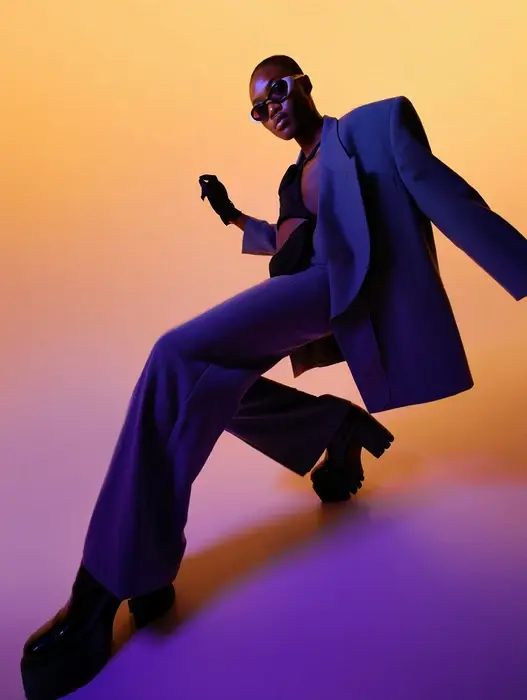
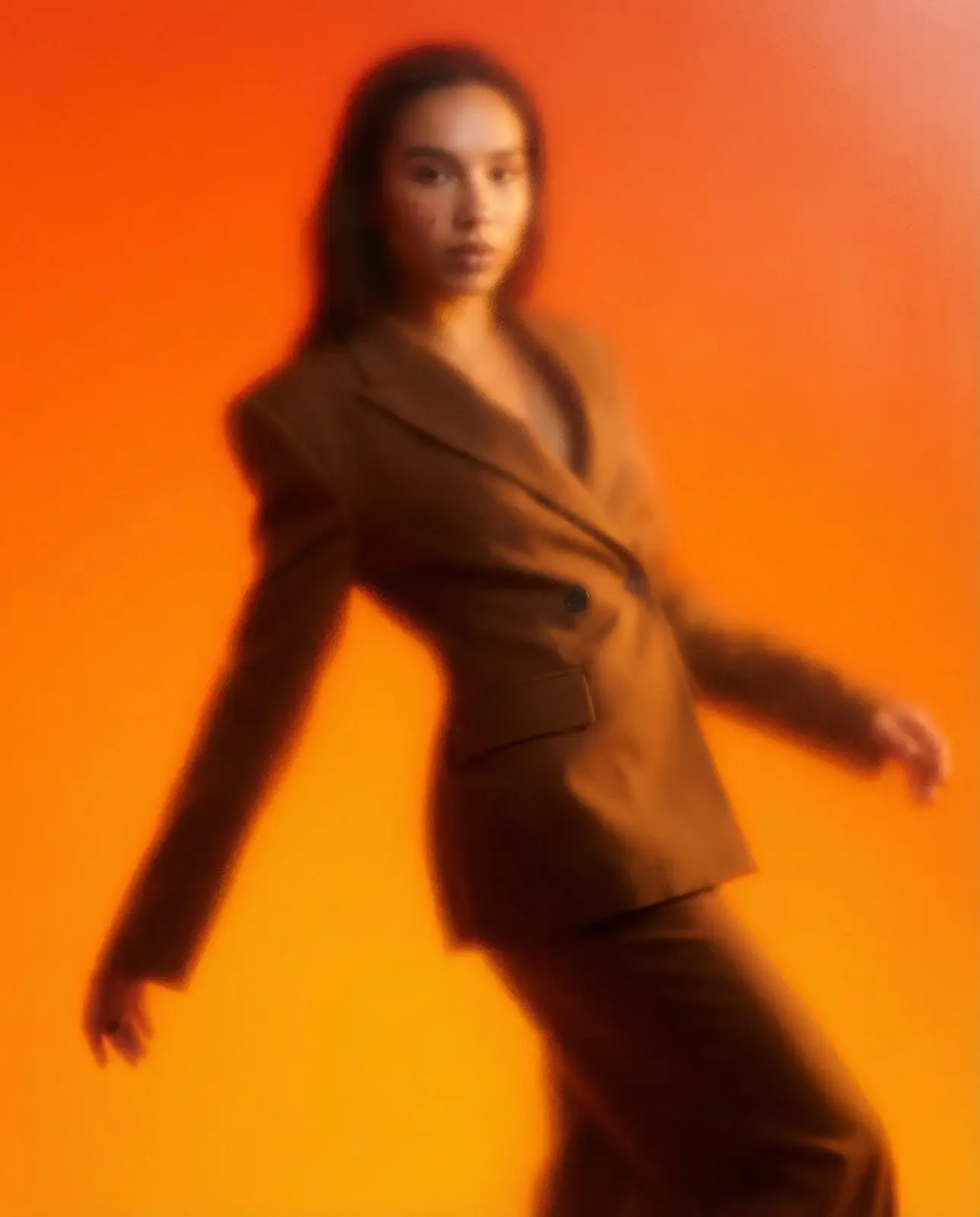
Nano Banana Pro
Copy
Carefully analyze the uploaded image and treat it as the final source image. Preserve the original subject identity, facial features, body proportions, pose, expression, camera angle, framing, composition, background, clothing, objects, and all spatial relationships exactly as they appear in the input. Perform an image-edit transformation that works directly on the existing pixels, applying a dense optical diffusion layer over the image. Create a very thick, milky, matte translucency effect similar to frosted glass or opaque milk haze positioned in front of the lens, with strong light scattering and soft micro-texture that submerges most of the image. Build a clear visibility hierarchy using diffusion density: one naturally dominant area of the original image appears more readable through thinner translucency, while the rest of the image remains deeply veiled by denser diffusion. The readable area stays soft, blurred by material thickness, and fully consistent with the original content. The effect is driven by opacity variation, diffusion thickness, and light scattering behavior, producing a sculptural, atmospheric look of the same unchanged image seen through dense matte translucent material with subtle non-uniform density.
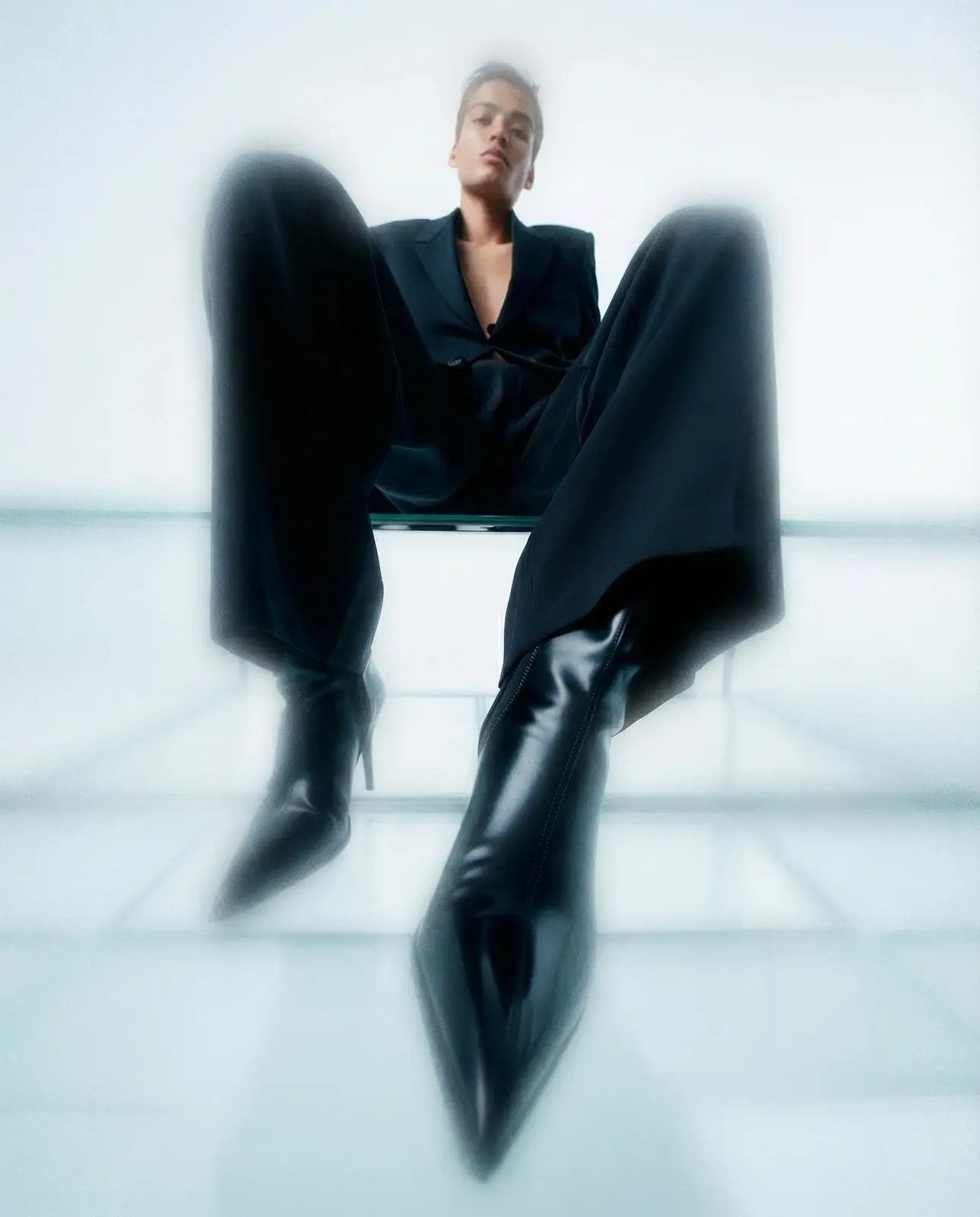
Nano Banana Pro
Copy
Carefully analyze the uploaded image and use it as the sole visual source. Preserve the original subject identity, facial features, body proportions, pose, expression, camera angle, framing, composition, background, clothing, objects, and all spatial relationships exactly as in the input image. Apply an image-edit transformation that operates directly on the existing pixels by adding a dense optical diffusion field over the entire frame. Create a very thick, milky, matte translucency similar to heavy frosted glass or dense milk haze positioned in front of the lens, with strong light scattering, soft micro-grain texture, and substantial visual depth. Build the effect using a continuous diffusion density gradient rather than a discrete visible region, so that parts of the subject gradually become more legible through smoother, thinner diffusion while remaining softly obscured by material thickness. The transition between high-density and lower-density diffusion is long, flowing, and organic, following the natural silhouette and volume of the subject instead of forming a localized opening. Visibility increases progressively and evenly, creating the impression of the subject slowly emerging through layers of translucent material. Color relationships, silhouettes, and geometry remain consistent with the original image, and the effect reads as density, depth, and material thickness rather than contrast or brightness changes. The final result should feel sculptural, atmospheric, and refined, closely resembling a figure softly manifesting through a dense, uniform, milk-like veil.
Nano Banana Pro
Copy
Carefully analyze the uploaded image and use it as the sole visual source. Preserve the original subject identity, facial features, body proportions, pose, expression, camera angle, framing, composition, background, clothing, objects, and all spatial relationships exactly as in the input image. Apply an image-edit transformation that operates directly on the existing pixels by adding a dense optical diffusion field over the entire frame. Create a very thick, milky, matte translucency similar to heavy frosted glass or dense milk haze positioned in front of the lens, with strong light scattering, soft micro-grain texture, and substantial visual depth. Build the effect using a continuous diffusion density gradient rather than a discrete visible region, so that parts of the subject gradually become more legible through smoother, thinner diffusion while remaining softly obscured by material thickness. The transition between high-density and lower-density diffusion is long, flowing, and organic, following the natural silhouette and volume of the subject instead of forming a localized opening. Visibility increases progressively and evenly, creating the impression of the subject slowly emerging through layers of translucent material. Color relationships, silhouettes, and geometry remain consistent with the original image, and the effect reads as density, depth, and material thickness rather than contrast or brightness changes. The final result should feel sculptural, atmospheric, and refined, closely resembling a figure softly manifesting through a dense, uniform, milk-like veil.
Nano Banana Pro
Copy
Carefully analyze the uploaded image and use it as the sole visual source. Preserve the original subject identity, facial features, body proportions, pose, expression, camera angle, framing, composition, background, clothing, objects, and all spatial relationships exactly as in the input image. Apply an image-edit transformation that operates directly on the existing pixels by adding a dense optical diffusion field over the entire frame. Create a very thick, milky, matte translucency similar to heavy frosted glass or dense milk haze positioned in front of the lens, with strong light scattering, soft micro-grain texture, and substantial visual depth. Build the effect using a continuous diffusion density gradient rather than a discrete visible region, so that parts of the subject gradually become more legible through smoother, thinner diffusion while remaining softly obscured by material thickness. The transition between high-density and lower-density diffusion is long, flowing, and organic, following the natural silhouette and volume of the subject instead of forming a localized opening. Visibility increases progressively and evenly, creating the impression of the subject slowly emerging through layers of translucent material. Color relationships, silhouettes, and geometry remain consistent with the original image, and the effect reads as density, depth, and material thickness rather than contrast or brightness changes. The final result should feel sculptural, atmospheric, and refined, closely resembling a figure softly manifesting through a dense, uniform, milk-like veil.
Nano Banana Pro
Copy
Analyze the uploaded image as a fixed, completed photograph and preserve the original subject, identity, pose, anatomy, objects, clothing, composition, framing, proportions, perspective, and spatial relationships in a pixel-accurate way. This task is strictly a post-processing transformation applied on top of the existing image, similar to placing a physical diffusion surface in front of the camera, without altering or reinterpreting the scene itself. Apply a very dense, thick, non-uniform optical diffusion effect resembling heavy frosted glass or opaque milky material positioned close to the lens, strongly obscuring most of the image. Create the illusion of depth exclusively by varying the density and thickness of the diffusion layer, not by moving, reshaping, or reconstructing any part of the image. One or several naturally prominent areas of the original image appear more visible through thinner diffusion, while remaining soft and diffused, as if seen through compressed translucent material, and all other areas stay deeply submerged behind the dense layer. The visibility difference is driven by optical density and light scattering only, never by brightness, glow, focus changes, pose alteration, or geometry changes. Light interaction is layered, uneven, and tactile, with a strong sense of material thickness and physical presence. The final result must feel like viewing the exact same image through dense matte glass with subtle variations in translucency, sculptural, atmospheric, and closely matching the reference effect.
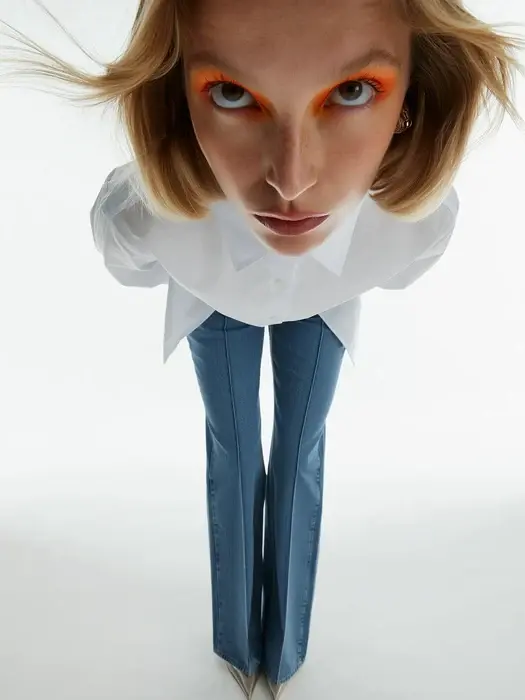
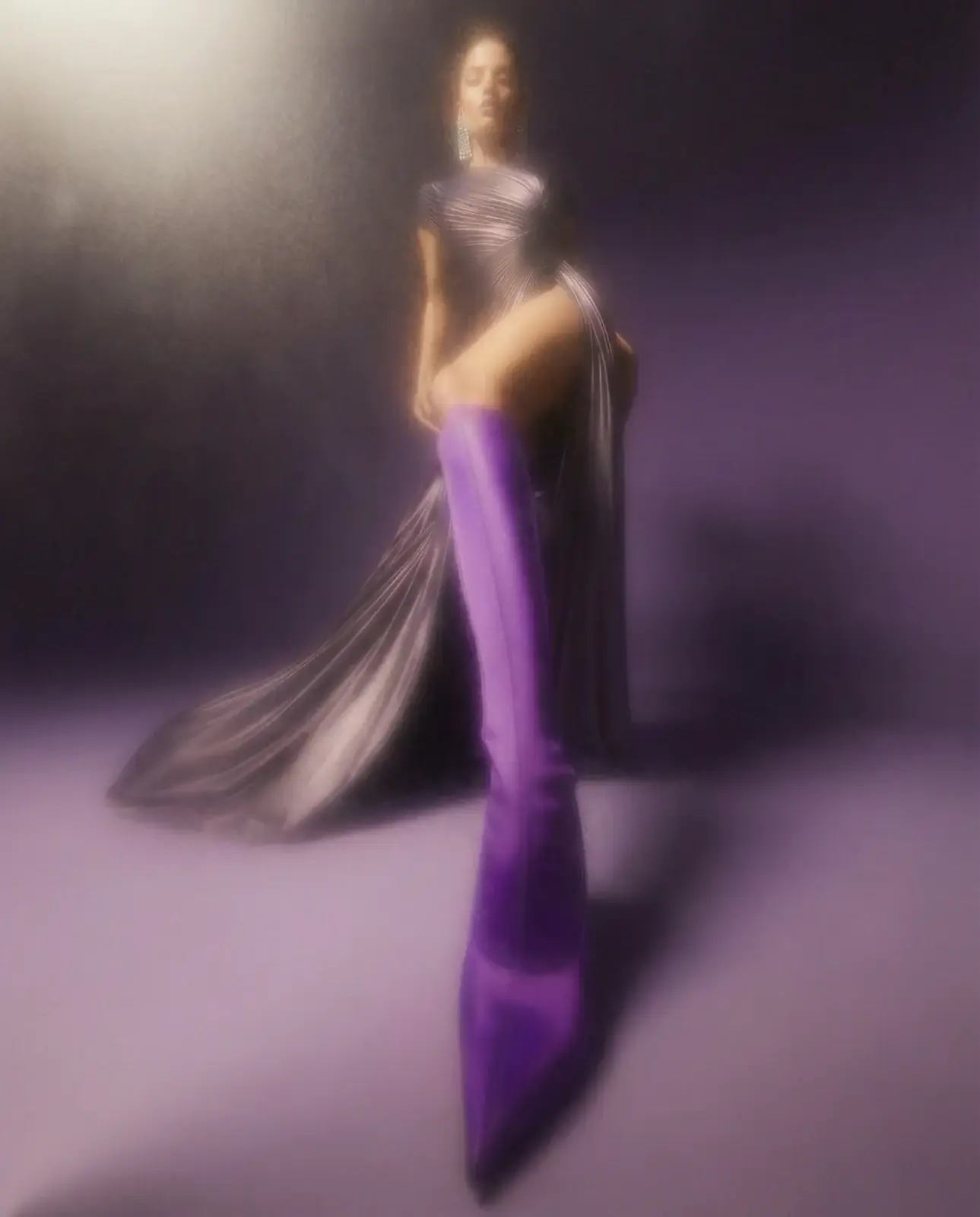
Nano Banana Pro
Copy
High-Quality Photograph. Carefully analyze the uploaded image and strictly preserve the original person, pose, body proportions, facial features, expression, hairstyle, and camera angle with absolute fidelity.
Apply a dense optical diffusion layer placed between the camera and the subject, simulating thick frosted glass or a professional diffusion filter. The diffusion is continuous, smooth, and physically realistic, softening the image without reshaping the body or face.
Allow limited areas of softened clarity where the diffusion gently thins, revealing parts of the face or body through gradual optical transitions. These zones appear as natural focus variations, never as holes, cutouts, or missing areas.
The face and body are not reconstructed, enhanced, or reinterpreted. No anatomy correction, no pose change, no facial regeneration. All visible details match the original image exactly.
The result is a refined fashion-editorial photograph with heavy diffusion, subtle glow, and controlled clarity, achieved purely through optical effects rather than structural modification.
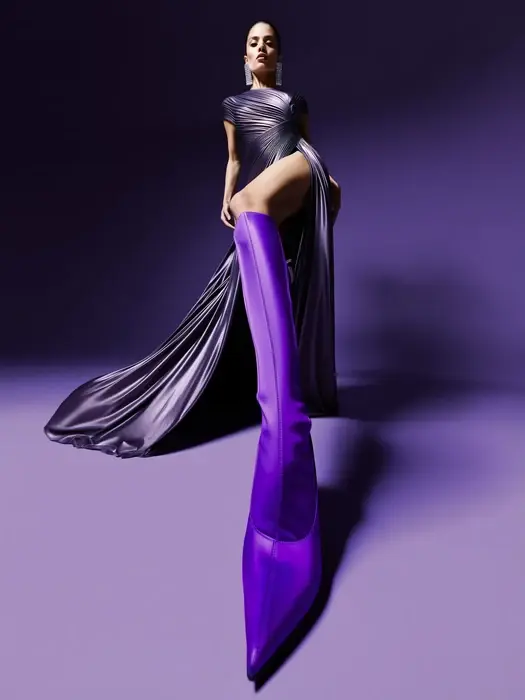
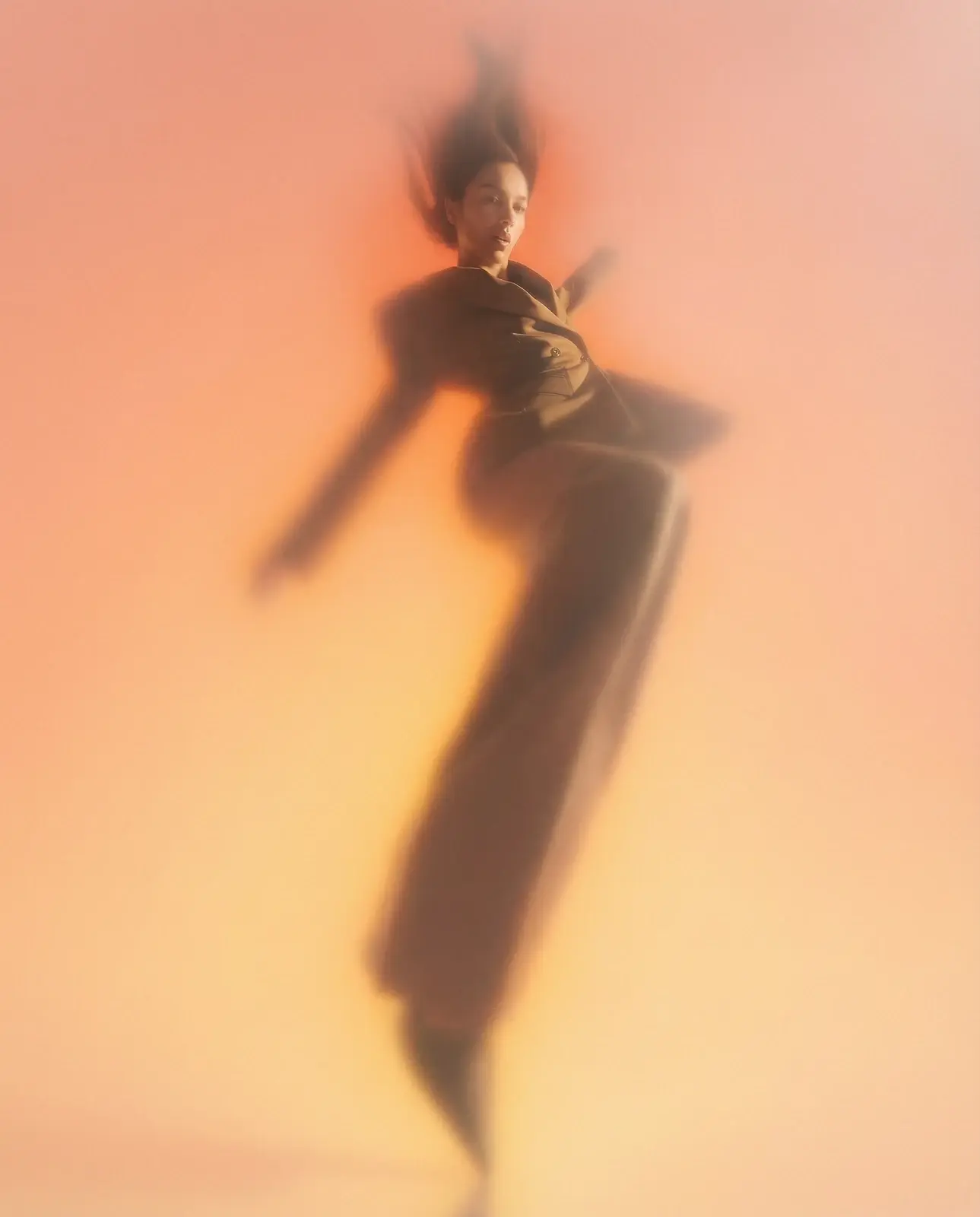
Nano Banana Pro
Copy
Examine the uploaded image and keep every structural element unchanged: identical subject identity, face, pose, anatomy, camera angle, framing, composition, clothing, props, and background. This is an edit of the existing image only. Apply an extreme dense milky diffusion veil that behaves like thick matte translucent glass, with strong opacity, layered light scattering, and tactile softness that submerges most details while preserving overall silhouettes. Implement the effect using a non-uniform optical density map: create one limited region of reduced density where the original pixels become partially clearer, while the rest of the image remains strongly obscured by higher-density diffusion. The clear region must still be soft and diffused, never crisp, and must match the original content exactly. Do not change any shapes, proportions, posture, expression, object positions, or perspective; only modulate visibility through diffusion thickness, translucency, and scattering intensity, avoiding exposure lift or white haze, so the final image feels like the same photo seen through very thick milk-glass with a controlled thin spot revealing part of the scene.
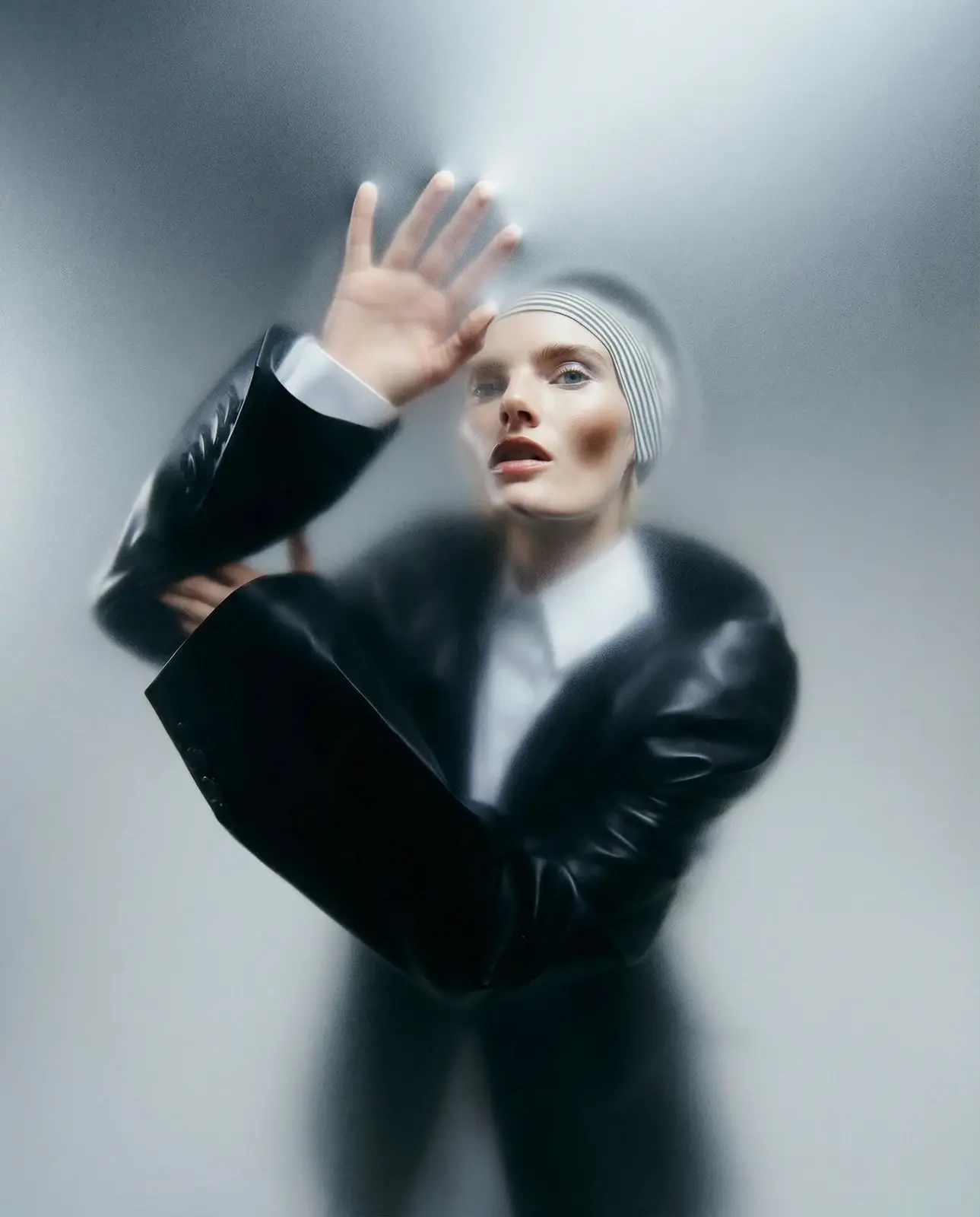
Nano Banana Pro
Copy
High-Quality Photograph, analyze the uploaded image as the sole source and strictly preserve the original subject or object, its exact shape, proportions, pose or geometry, spatial position, scale, camera angle, framing, composition, perspective, lighting structure, materials, textures and background, then apply a refined editorial optical overlay where a single continuous dense translucent veil covers the entire frame like a stretched sheet of matte frosted glass placed directly in front of the scene, the veil behaves as a physical material with uniform thickness, smooth diffusion and even opacity across the image, forming a calm seamless surface without breaks, inside this surface one selected area of the original subject or object subtly presses forward toward the viewer as if gently pushing against elastic frosted glass, creating a smooth rounded bulge with soft gradual transitions fully integrated into the veil, the revealed area stays perfectly aligned with the original image and remains optically clearer than the surrounding surface while still filtered by the veil, all other areas remain evenly diffused behind the same continuous layer, the effect reads as a controlled material interaction rather than smoke or atmosphere, maintaining high-end fashion and product editorial aesthetics with clean optics and physical plausibility.
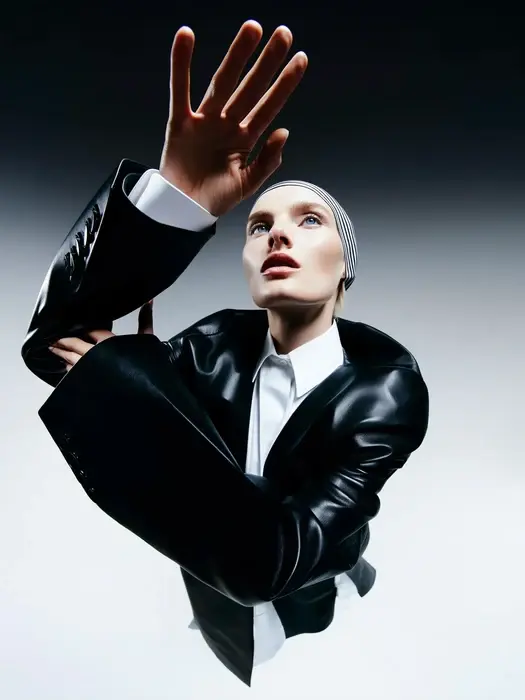
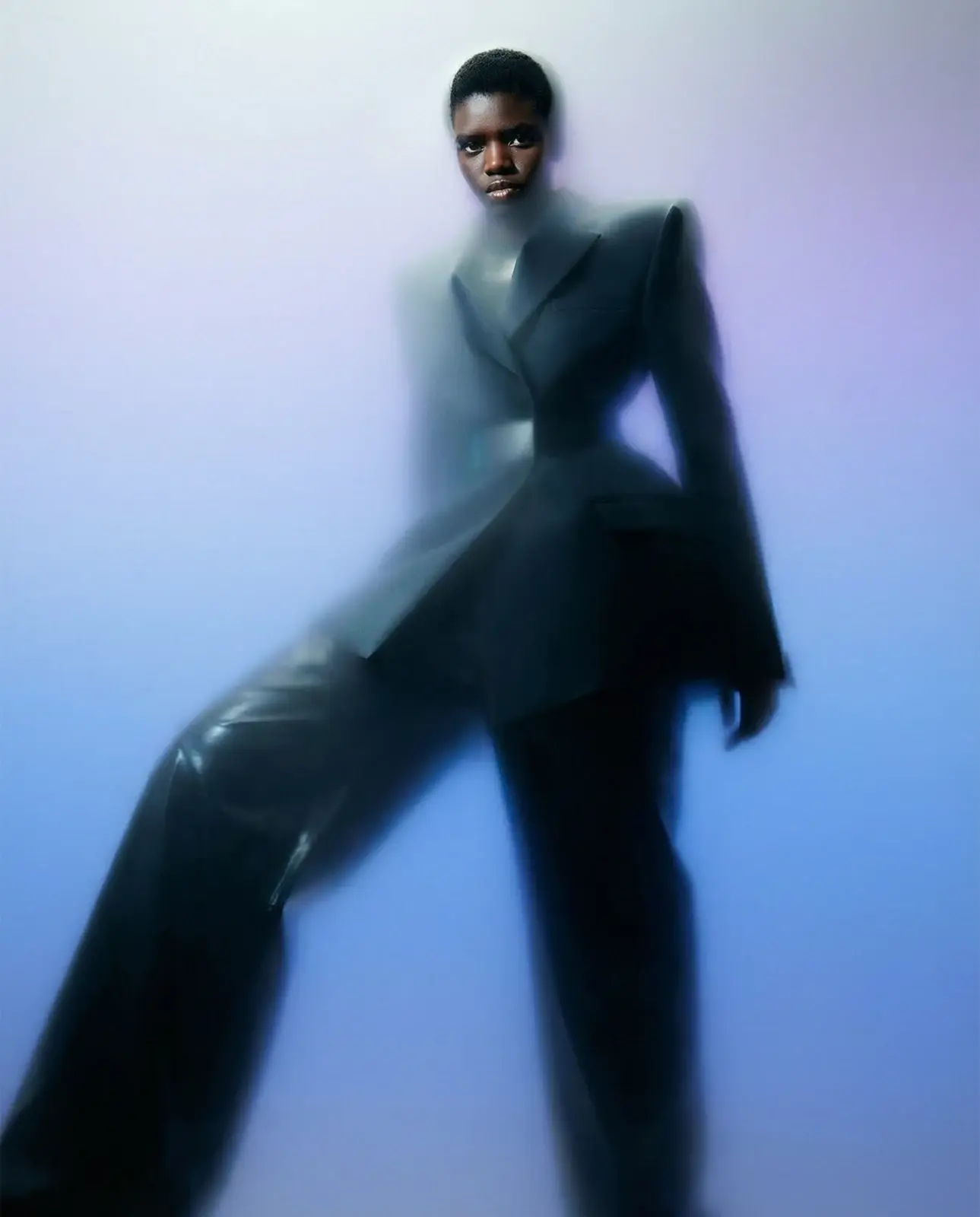
Nano Banana Pro
Copy
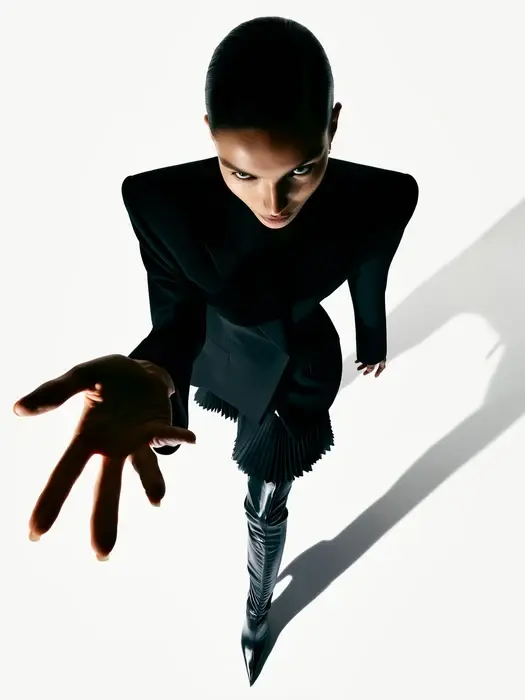
Carefully analyze the uploaded image and use it as the complete and unchanged visual source. Preserve the original subject identity, facial features, body proportions, pose, expression, camera angle, framing, composition, background, clothing, objects, and all spatial relationships exactly as they appear. Perform an image-edit transformation that applies a single, continuous, solid optical diffusion veil positioned directly in front of the camera and covering the entire frame. The veil behaves like thick matte glass or a laminated milky polymer sheet with high optical thickness, uniform material structure, and controlled subsurface light scattering. The diffusion has a smooth, cohesive surface quality with no turbulence, no cloud-like breakup, and no particulate behavior. Within this solid optical layer, introduce a gradual and controlled density falloff so that one dominant part of the subject, such as the face or the closest limb, becomes more legible through thinner material thickness. The transition follows the natural volume and silhouette of the subject with a wide, smooth gradient and continuous density, creating the impression of form pressing forward in visibility through a dense translucent material. The rest of the image remains deeply embedded behind the same uniform veil. Color relationships, silhouettes, and geometry remain consistent with the original image, and the effect reads as optical material density and thickness rather than atmospheric haze or smoke. The final result closely matches the reference aesthetic of a figure perceived through dense, solid, milk-like glass with refined, sculptural presence.
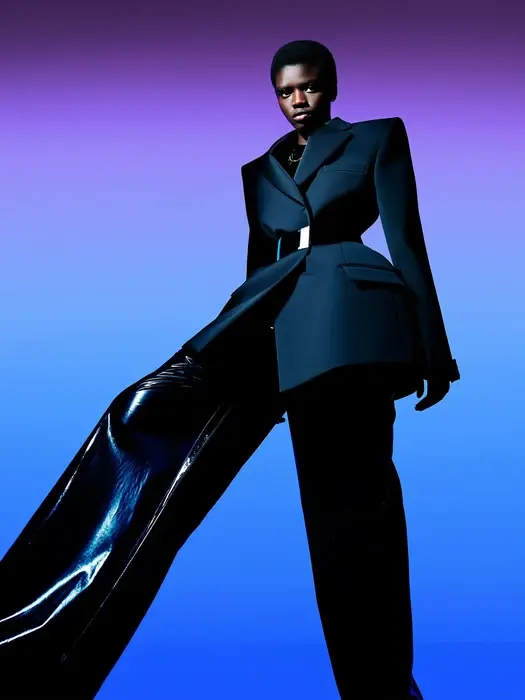
Nano Banana Pro
Copy
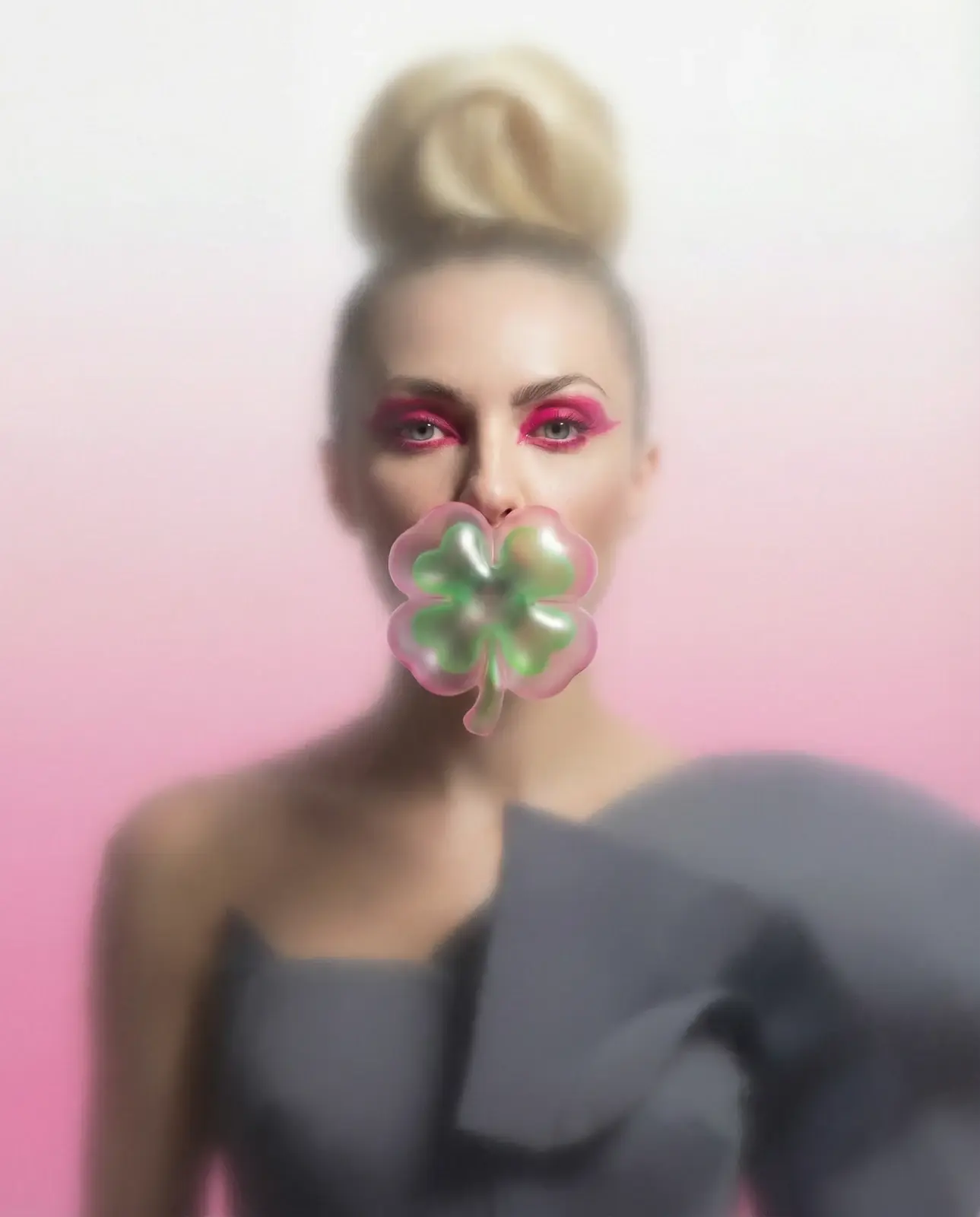
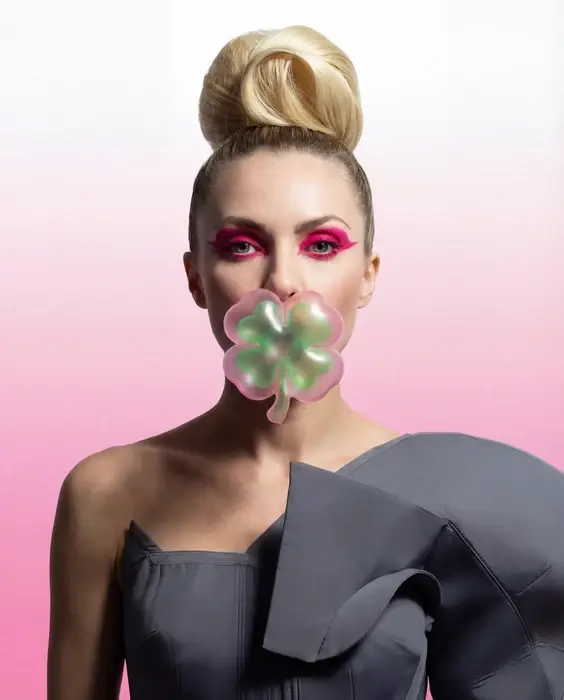
Carefully analyze the uploaded image and use it as the sole visual source. Preserve the original subject identity, facial features, body proportions, pose, expression, camera angle, framing, composition, background, clothing, objects, and all spatial relationships exactly as in the input image. Apply an image-edit transformation that operates directly on the existing pixels by adding a dense optical diffusion field over the entire frame. Create a very thick, milky, matte translucency similar to heavy frosted glass or dense milk haze positioned in front of the lens, with strong light scattering, soft micro-grain texture, and substantial visual depth. Build the effect using a continuous diffusion density gradient rather than a discrete visible region, so that parts of the subject gradually become more legible through smoother, thinner diffusion while remaining softly obscured by material thickness. The transition between high-density and lower-density diffusion is long, flowing, and organic, following the natural silhouette and volume of the subject instead of forming a localized opening. Visibility increases progressively and evenly, creating the impression of the subject slowly emerging through layers of translucent material. Color relationships, silhouettes, and geometry remain consistent with the original image, and the effect reads as density, depth, and material thickness rather than contrast or brightness changes. The final result should feel sculptural, atmospheric, and refined, closely resembling a figure softly manifesting through a dense, uniform, milk-like veil.
Nano Banana Pro
Copy
Carefully analyze the uploaded image and preserve its original composition, proportions, pose, perspective, and subject identity.
Apply a refined optical diffusion effect inspired by frosted glass, dense milk-like translucency, and atmospheric haze. The image should feel as if viewed through a thick semi-transparent layer that softly scatters light and detail.
Introduce a clear depth hierarchy: one primary area of the image is brought slightly forward through the diffusion and appears more defined, while remaining soft and natural. This focal area should feel closer to the viewer, gently emerging through the haze without sharp edges or hard focus.
All remaining areas recede behind the diffusion layer, becoming progressively softer, more obscured, and more ethereal. The transition between clarity and diffusion is smooth, organic, and gradual. The effect emphasizes softness, volume, and light scattering rather than blur. Shapes remain readable, silhouettes stay elegant, and the image retains a calm, editorial, tactile quality similar to viewing a subject behind matte glass or thick mist. Maintain realistic light behavior, subtle glow, and tonal depth. Avoid harsh contrast, digital artifacts, or obvious filter aesthetics. The final result should feel atmospheric, physical, and optically believable.
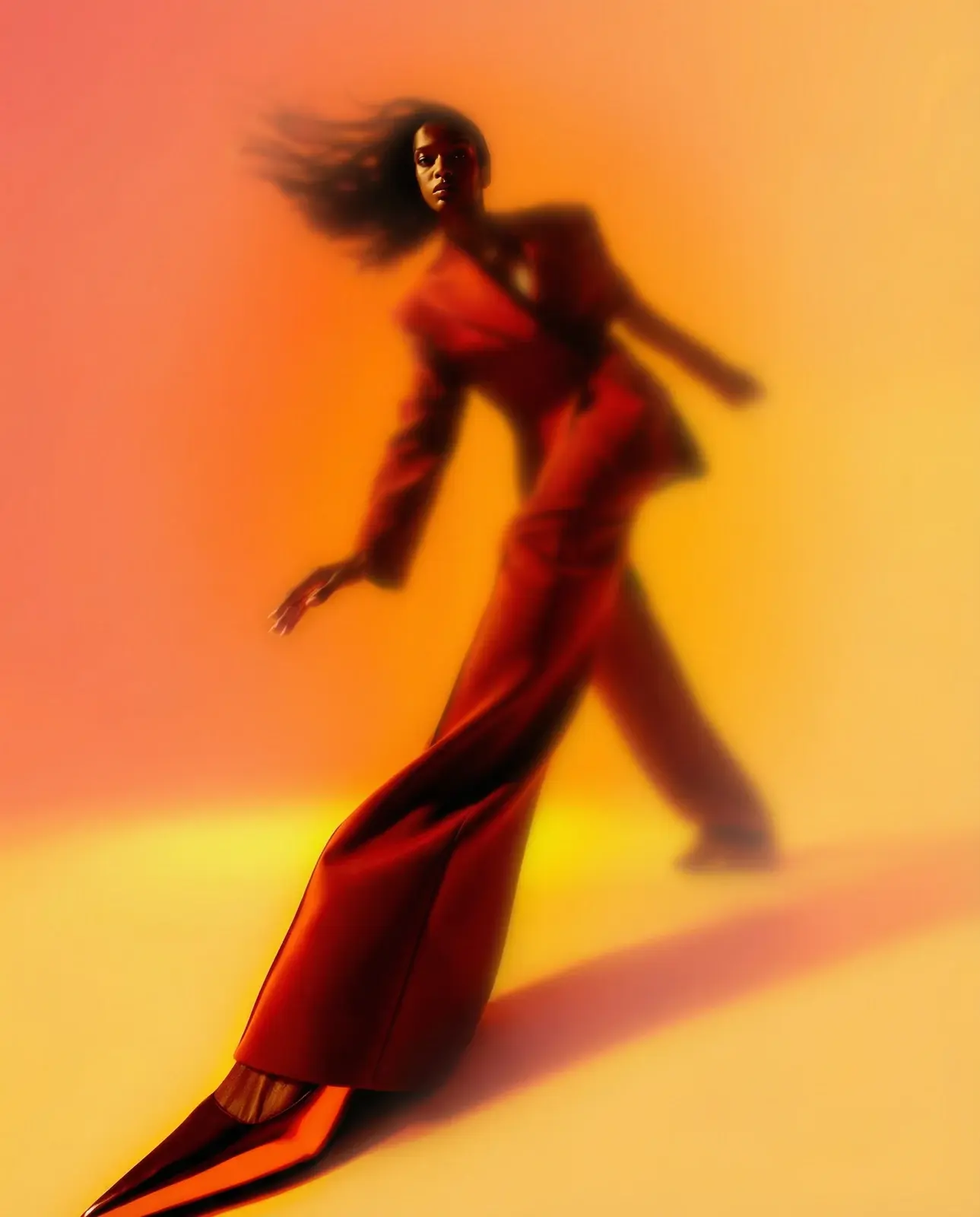
Nano Banana Pro
Copy
Carefully analyze the uploaded image and use it as the complete and unchanged visual source. Preserve the original subject identity, facial features, body proportions, pose, expression, camera angle, framing, composition, background, clothing, objects, and all spatial relationships exactly as they appear. Perform an image-edit transformation that applies a single, continuous, solid optical diffusion veil positioned directly in front of the camera and covering the entire frame. The veil behaves like thick matte glass or a laminated milky polymer sheet with high optical thickness, uniform material structure, and controlled subsurface light scattering. The diffusion has a smooth, cohesive surface quality with no turbulence, no cloud-like breakup, and no particulate behavior. Within this solid optical layer, introduce a gradual and controlled density falloff so that one dominant part of the subject, such as the face or the closest limb, becomes more legible through thinner material thickness. The transition follows the natural volume and silhouette of the subject with a wide, smooth gradient and continuous density, creating the impression of form pressing forward in visibility through a dense translucent material. The rest of the image remains deeply embedded behind the same uniform veil. Color relationships, silhouettes, and geometry remain consistent with the original image, and the effect reads as optical material density and thickness rather than atmospheric haze or smoke. The final result closely matches the reference aesthetic of a figure perceived through dense, solid, milk-like glass with refined, sculptural presence.
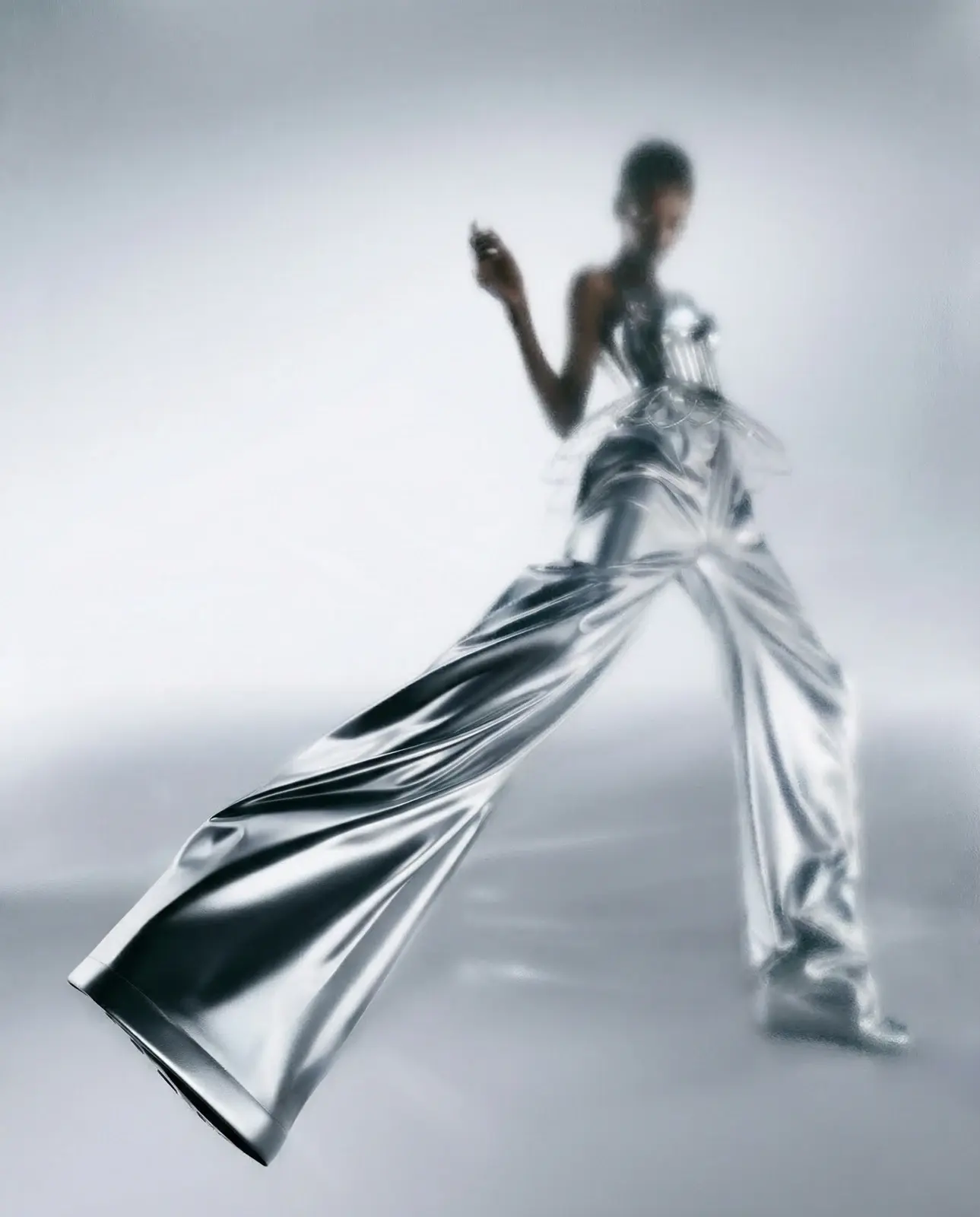
Nano Banana Pro
Copy
Analyze the uploaded image as a finished portrait or fashion photograph and preserve the person’s identity, pose, body position, facial features, expression, clothing, camera angle, and framing exactly as in the original. Overlay a single dense matte translucent layer across the entire image, resembling thick frosted glass pressed close to the lens. The layer has smooth physical continuity and subtle depth, with gentle, irregular variations in thickness that allow parts of the figure to appear more readable while staying softly diffused. The reveal happens through material density variation only, with no holes, windows, contours, or isolated zones. The layer behaves as one uninterrupted optical surface, and the underlying human figure remains fully aligned and unchanged beneath it.
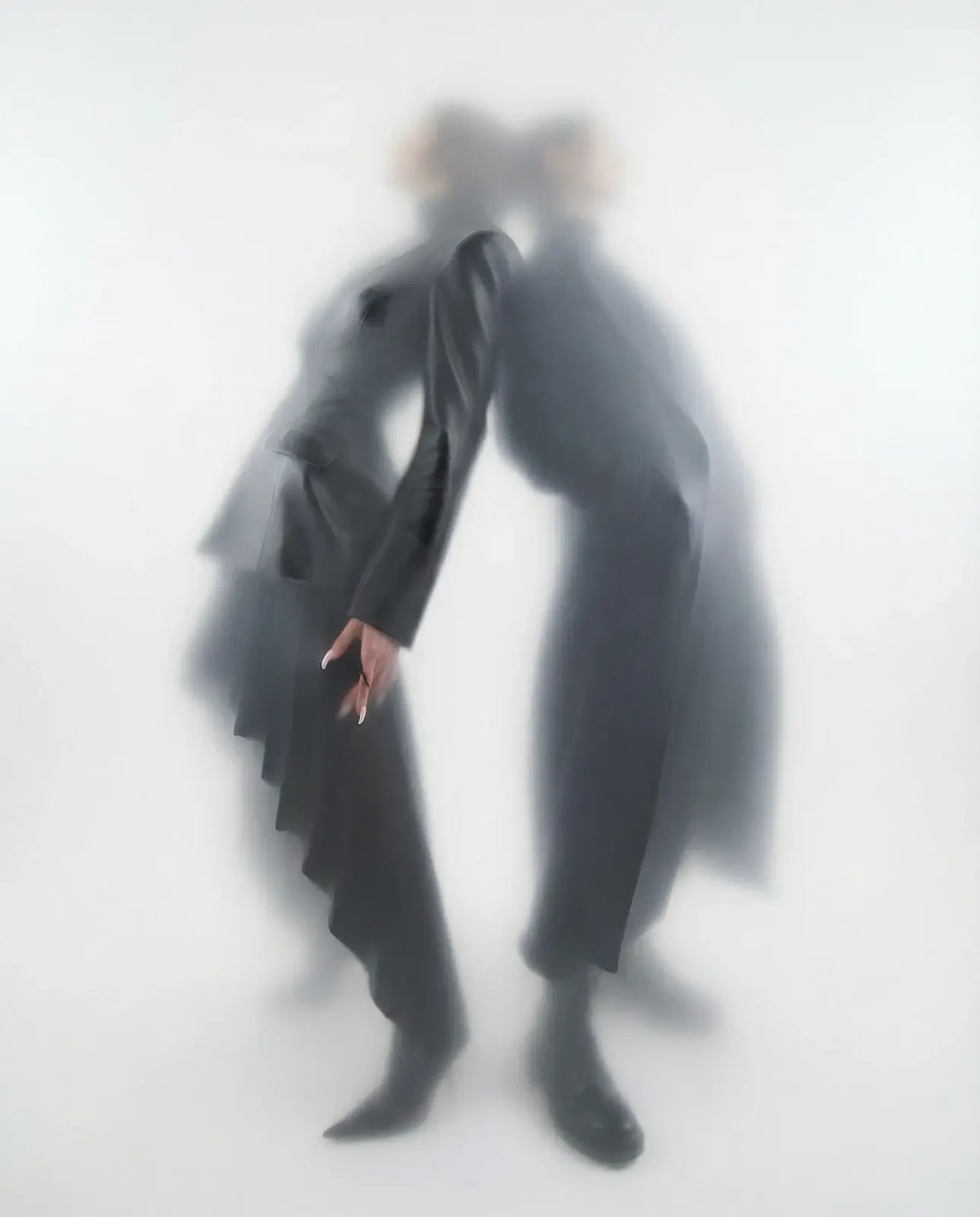
Nano Banana Pro
Copy
High-Quality Photograph, analyze the uploaded image as the sole source and strictly preserve the original subject or object, its exact shape, proportions, pose or geometry, spatial position, scale, camera angle, framing, composition, perspective, lighting structure, materials, textures and background, then apply a refined editorial optical overlay where a single continuous dense translucent veil covers the entire frame like a stretched sheet of matte frosted glass placed directly in front of the scene, the veil behaves as a physical material with uniform thickness, smooth diffusion and even opacity across the image, forming a calm seamless surface without breaks, inside this surface one selected area of the original subject or object subtly presses forward toward the viewer as if gently pushing against elastic frosted glass, creating a smooth rounded bulge with soft gradual transitions fully integrated into the veil, the revealed area stays perfectly aligned with the original image and remains optically clearer than the surrounding surface while still filtered by the veil, all other areas remain evenly diffused behind the same continuous layer, the effect reads as a controlled material interaction rather than smoke or atmosphere, maintaining high-end fashion and product editorial aesthetics with clean optics and physical plausibility.
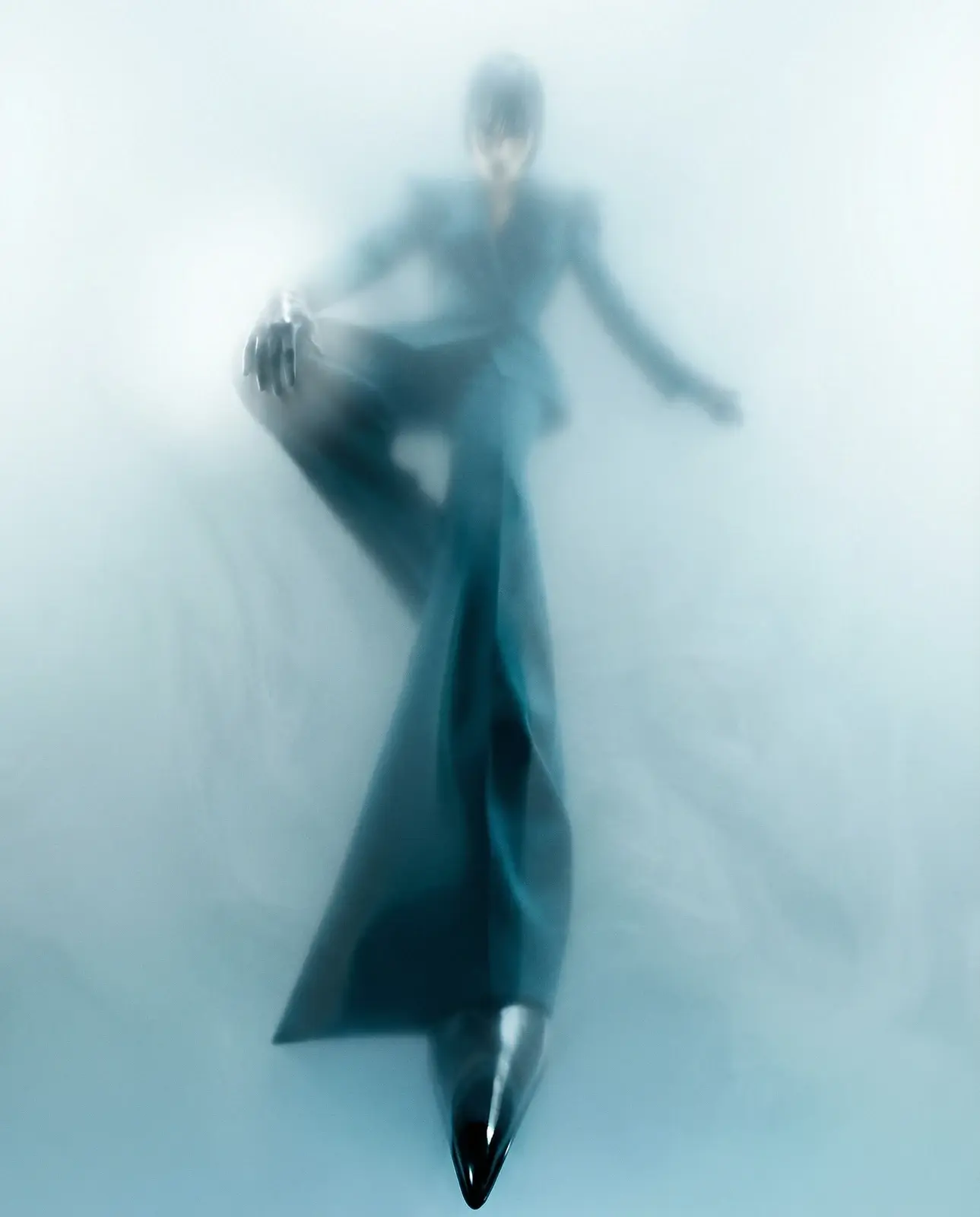
Nano Banana Pro
Copy
Carefully analyze the uploaded image and use it as the complete and unchanged source. Preserve the original subject identity, facial features, body proportions, pose, expression, camera angle, framing, composition, background, clothing, objects, and all spatial relationships exactly as they appear. Perform an image-edit transformation that applies a single, extremely dense milky diffusion veil in front of the camera, covering the entire frame like thick frosted glass with high optical thickness, strong subsurface scattering, soft micro-grain, and gentle internal swirl variation. Build a smooth emergence around the nearest hand or nearest limb as the primary emergence point: reduce veil density gradually in a wide feathered gradient centered on that hand or limb and following finger contours and limb volume, keeping edges soft and continuous. Keep the rest of the frame deeply submerged in the same dense veil, maintaining consistent color relationships and geometry from the input while the chosen hand or limb becomes more legible through thinner veil, still softened by material thickness. The final look matches the reference aesthetic of a figure perceived through thick milk-glass, with one body part gently manifesting through a dense translucent medium.
Nano Banana Pro
Copy
Carefully analyze the uploaded image and use it as the sole visual source. Preserve the original subject identity, facial features, body proportions, pose, expression, camera angle, framing, composition, background, clothing, objects, and all spatial relationships exactly as in the input image. Apply an image-edit transformation that operates directly on the existing pixels by adding a dense optical diffusion field over the entire frame. Create a very thick, milky, matte translucency similar to heavy frosted glass or dense milk haze positioned in front of the lens, with strong light scattering, soft micro-grain texture, and substantial visual depth. Build the effect using a continuous diffusion density gradient rather than a discrete visible region, so that parts of the subject gradually become more legible through smoother, thinner diffusion while remaining softly obscured by material thickness. The transition between high-density and lower-density diffusion is long, flowing, and organic, following the natural silhouette and volume of the subject instead of forming a localized opening. Visibility increases progressively and evenly, creating the impression of the subject slowly emerging through layers of translucent material. Color relationships, silhouettes, and geometry remain consistent with the original image, and the effect reads as density, depth, and material thickness rather than contrast or brightness changes. The final result should feel sculptural, atmospheric, and refined, closely resembling a figure softly manifesting through a dense, uniform, milk-like veil.

Nano Banana Pro
Copy
Carefully analyze the uploaded image and preserve its original composition, proportions, pose, perspective, and subject identity.
Apply a refined optical diffusion effect inspired by frosted glass, dense milk-like translucency, and atmospheric haze. The image should feel as if viewed through a thick semi-transparent layer that softly scatters light and detail.
Introduce a clear depth hierarchy: one primary area of the image is brought slightly forward through the diffusion and appears more defined, while remaining soft and natural. This focal area should feel closer to the viewer, gently emerging through the haze without sharp edges or hard focus.
All remaining areas recede behind the diffusion layer, becoming progressively softer, more obscured, and more ethereal. The transition between clarity and diffusion is smooth, organic, and gradual. The effect emphasizes softness, volume, and light scattering rather than blur. Shapes remain readable, silhouettes stay elegant, and the image retains a calm, editorial, tactile quality similar to viewing a subject behind matte glass or thick mist. Maintain realistic light behavior, subtle glow, and tonal depth. Avoid harsh contrast, digital artifacts, or obvious filter aesthetics. The final result should feel atmospheric, physical, and optically believable.
Apply a refined optical diffusion effect inspired by frosted glass, dense milk-like translucency, and atmospheric haze. The image should feel as if viewed through a thick semi-transparent layer that softly scatters light and detail.
Introduce a clear depth hierarchy: one primary area of the image is brought slightly forward through the diffusion and appears more defined, while remaining soft and natural. This focal area should feel closer to the viewer, gently emerging through the haze without sharp edges or hard focus.
All remaining areas recede behind the diffusion layer, becoming progressively softer, more obscured, and more ethereal. The transition between clarity and diffusion is smooth, organic, and gradual. The effect emphasizes softness, volume, and light scattering rather than blur. Shapes remain readable, silhouettes stay elegant, and the image retains a calm, editorial, tactile quality similar to viewing a subject behind matte glass or thick mist. Maintain realistic light behavior, subtle glow, and tonal depth. Avoid harsh contrast, digital artifacts, or obvious filter aesthetics. The final result should feel atmospheric, physical, and optically believable.

Nano Banana Pro
Copy
High-Quality Photograph, carefully analyze the uploaded image and fully preserve the original subject or object, its exact shape, proportions, position, pose or geometry, surface details, materials, textures, scale, camera angle, framing, composition, lighting structure, background and spatial relationships, then apply a refined editorial visual effect where the entire image is covered by a dense, smooth, uniform translucent veil behaving like stretched matte frosted glass placed in front of the scene, the veil has consistent optical thickness and even diffusion across the frame, forming a calm continuous surface, and within this surface selected parts of the original subject or object softly emerge forward through the veil as if gently pressing against elastic frosted glass, with smooth rounded transitions between obscured and revealed areas, the emerging elements remain physically accurate, sharp and fully aligned with the original image, while all other areas stay evenly diffused behind the veil, creating a controlled optical material effect rather than an atmospheric one, with high-end fashion and product editorial aesthetics.
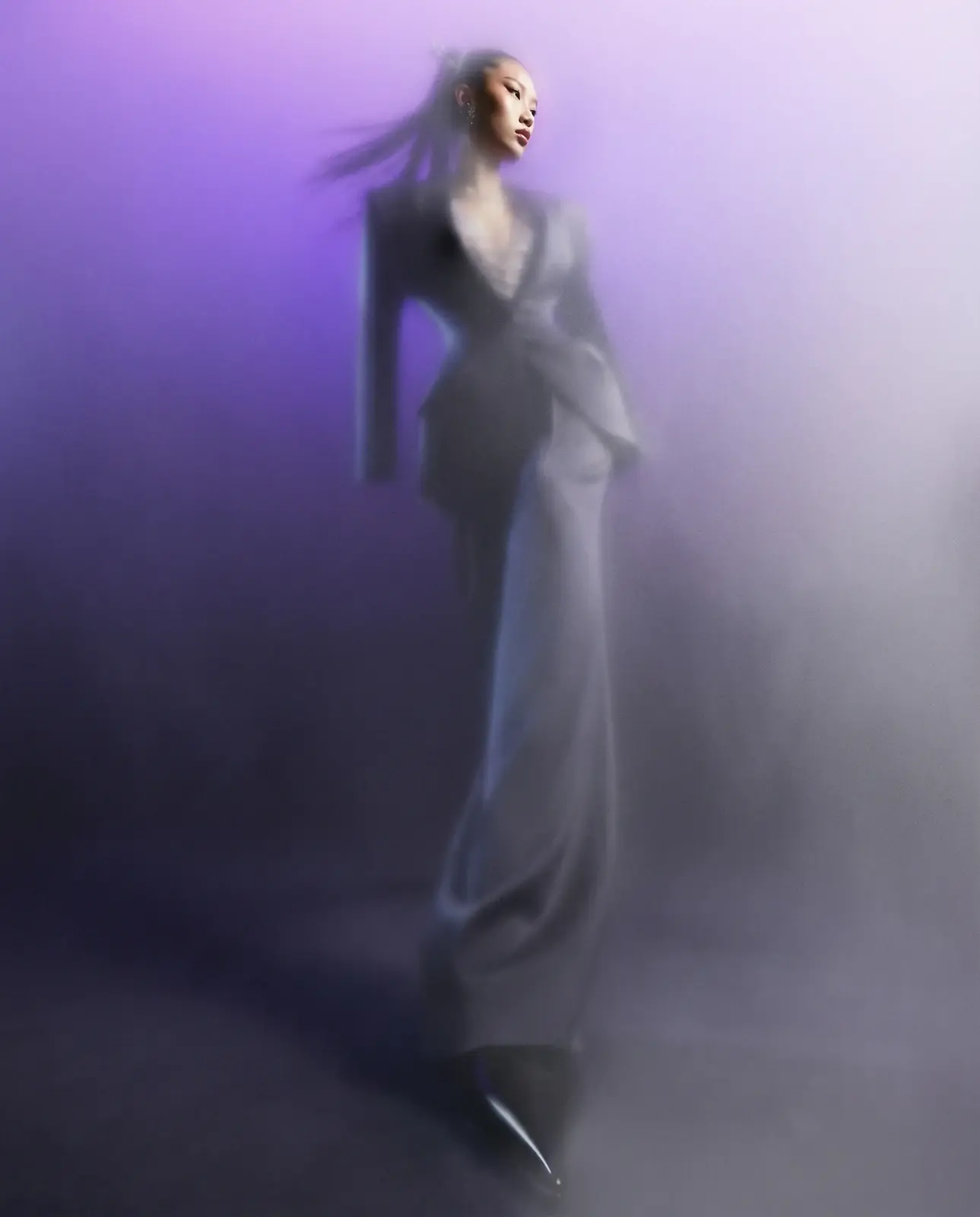
Nano Banana Pro
Copy
Carefully analyze the uploaded image and use it as the complete and unchanged source. Preserve the original subject identity, facial features, body proportions, pose, expression, camera angle, framing, composition, background, clothing, objects, and all spatial relationships exactly as they appear. Perform an image-edit transformation that applies a single, extremely dense milky diffusion veil in front of the camera, covering the entire frame like thick frosted glass with high optical thickness, strong subsurface scattering, soft micro-grain, and gentle internal swirl variation. Create a clear visual hierarchy through the veil by selecting the closest-to-camera feature as the primary emergence point, prioritizing either the face or the nearest hand depending on which is closer to the lens. Around this primary emergence point, reduce veil density gradually with a very wide feathered falloff that follows the natural silhouette and volume, producing a smooth sculptural transition with no abrupt boundary. Keep the rest of the frame deeply submerged in the same dense veil, maintaining consistent color relationships and geometry from the input while the primary emergence point becomes more legible through thinner veil, still softened by material thickness. The final look matches the reference aesthetic of a figure perceived through thick milk-glass, with one body part gently pushing forward in visibility through a dense translucent medium.
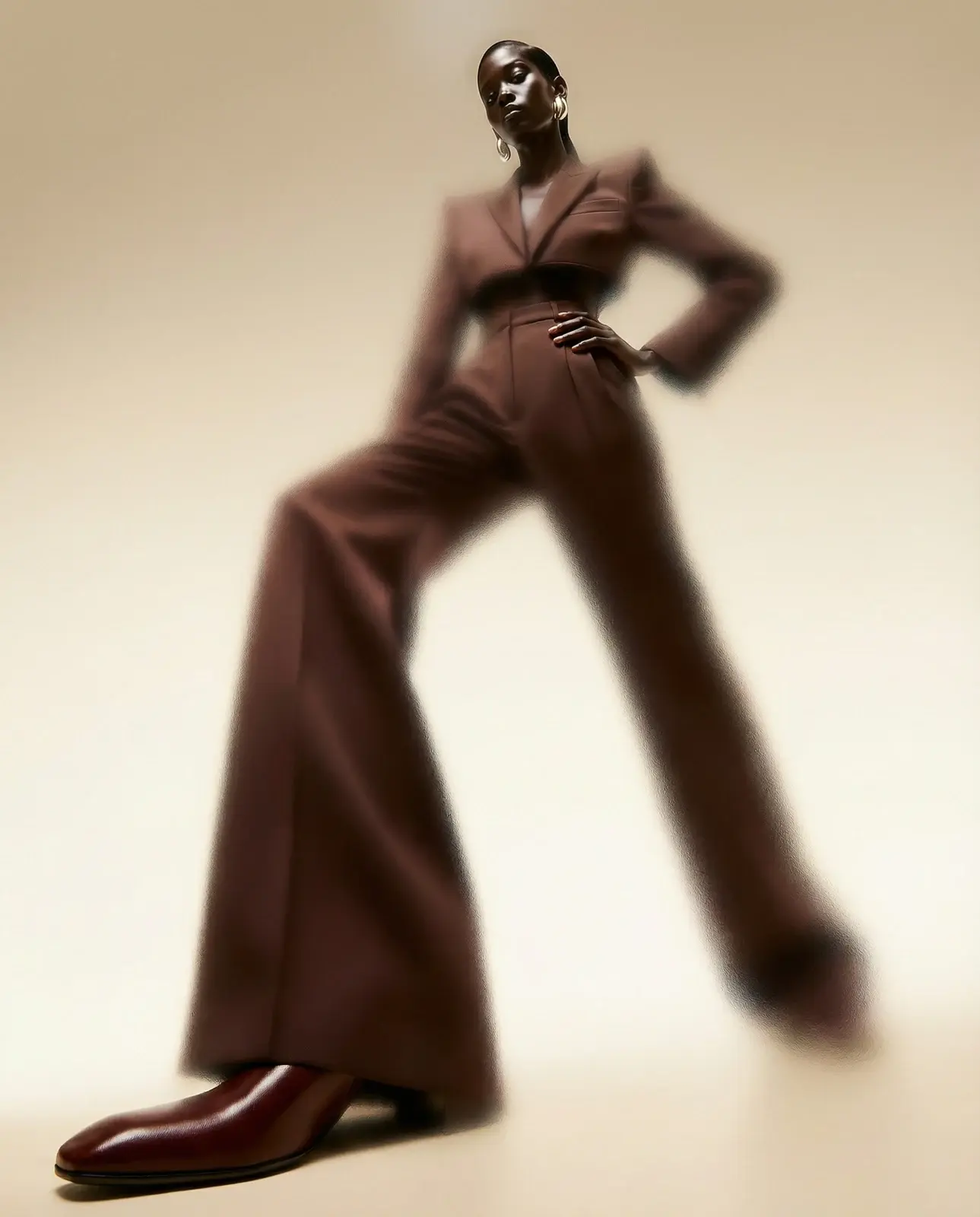
Nano Banana Pro
Copy
High-Quality Photograph. Carefully analyze the uploaded image and strictly preserve the original person, pose, body proportions, facial features, expression, hairstyle, and camera angle with absolute fidelity.
Apply a dense optical diffusion layer placed between the camera and the subject, simulating thick frosted glass or a professional diffusion filter. The diffusion is continuous, smooth, and physically realistic, softening the image without reshaping the body or face.
Allow limited areas of softened clarity where the diffusion gently thins, revealing parts of the face or body through gradual optical transitions. These zones appear as natural focus variations, never as holes, cutouts, or missing areas.
The face and body are not reconstructed, enhanced, or reinterpreted. No anatomy correction, no pose change, no facial regeneration. All visible details match the original image exactly.
The result is a refined fashion-editorial photograph with heavy diffusion, subtle glow, and controlled clarity, achieved purely through optical effects rather than structural modification.
Apply a dense optical diffusion layer placed between the camera and the subject, simulating thick frosted glass or a professional diffusion filter. The diffusion is continuous, smooth, and physically realistic, softening the image without reshaping the body or face.
Allow limited areas of softened clarity where the diffusion gently thins, revealing parts of the face or body through gradual optical transitions. These zones appear as natural focus variations, never as holes, cutouts, or missing areas.
The face and body are not reconstructed, enhanced, or reinterpreted. No anatomy correction, no pose change, no facial regeneration. All visible details match the original image exactly.
The result is a refined fashion-editorial photograph with heavy diffusion, subtle glow, and controlled clarity, achieved purely through optical effects rather than structural modification.
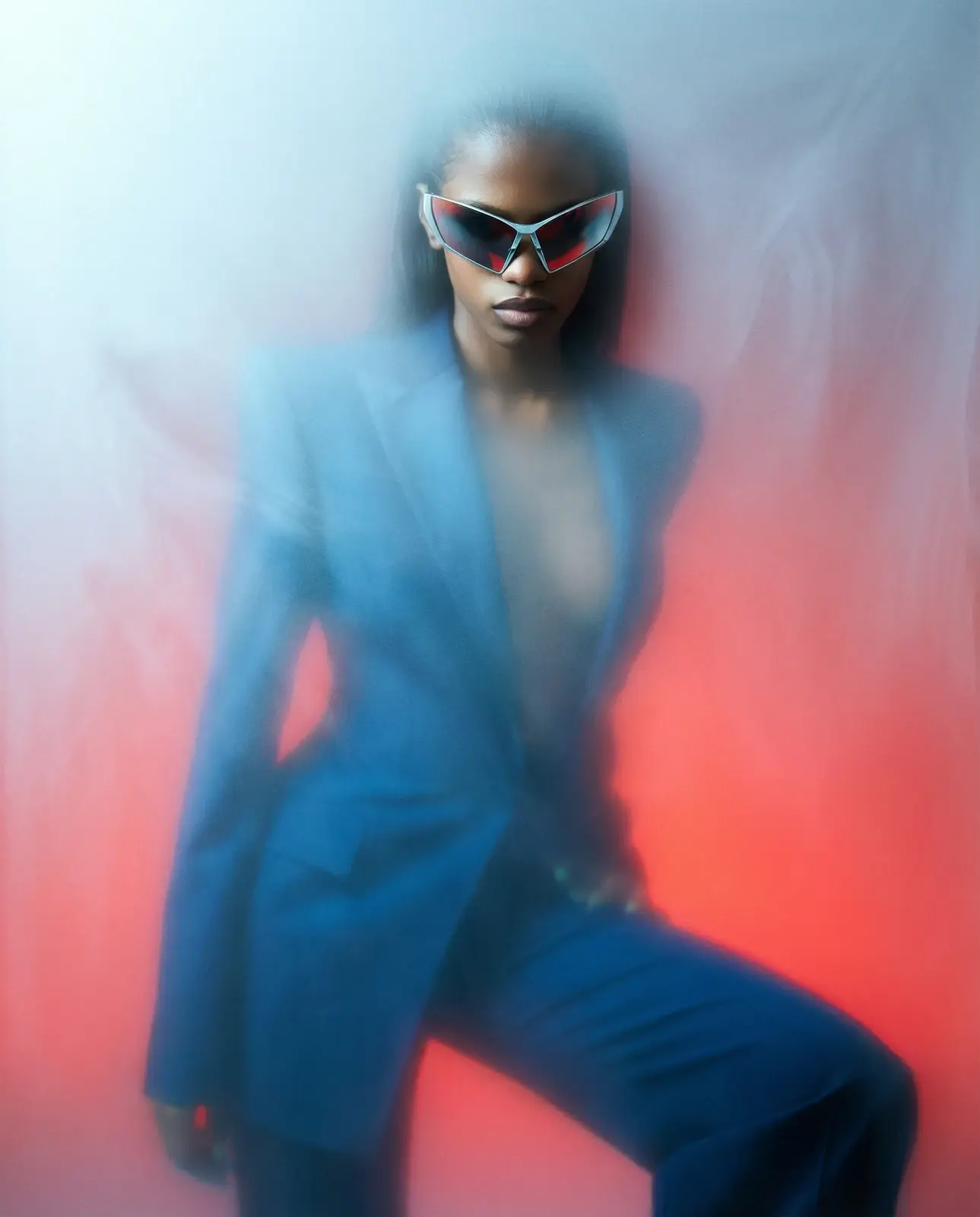
Nano Banana Pro
Copy
Carefully analyze the uploaded image and use it as the complete and unchanged source. Preserve the original subject identity, facial features, body proportions, pose, expression, camera angle, framing, composition, background, clothing, objects, and all spatial relationships exactly as they appear. Perform an image-edit transformation that applies a single, extremely dense milky diffusion veil in front of the camera, covering the entire frame like thick frosted glass with high optical thickness, strong subsurface scattering, soft micro-grain, and gentle internal swirl variation. Build a smooth emergence around the face as the primary emergence point: reduce veil density gradually in a wide feathered gradient centered on the face and following head silhouette and cheekbone volume, keeping edges soft and continuous. Keep the rest of the frame deeply submerged in the same dense veil, maintaining consistent color relationships and geometry from the input while the face becomes more legible through thinner veil, still softened by material thickness. The final look matches the reference aesthetic of a figure perceived through thick milk-glass, with the face gently manifesting through a dense translucent medium.
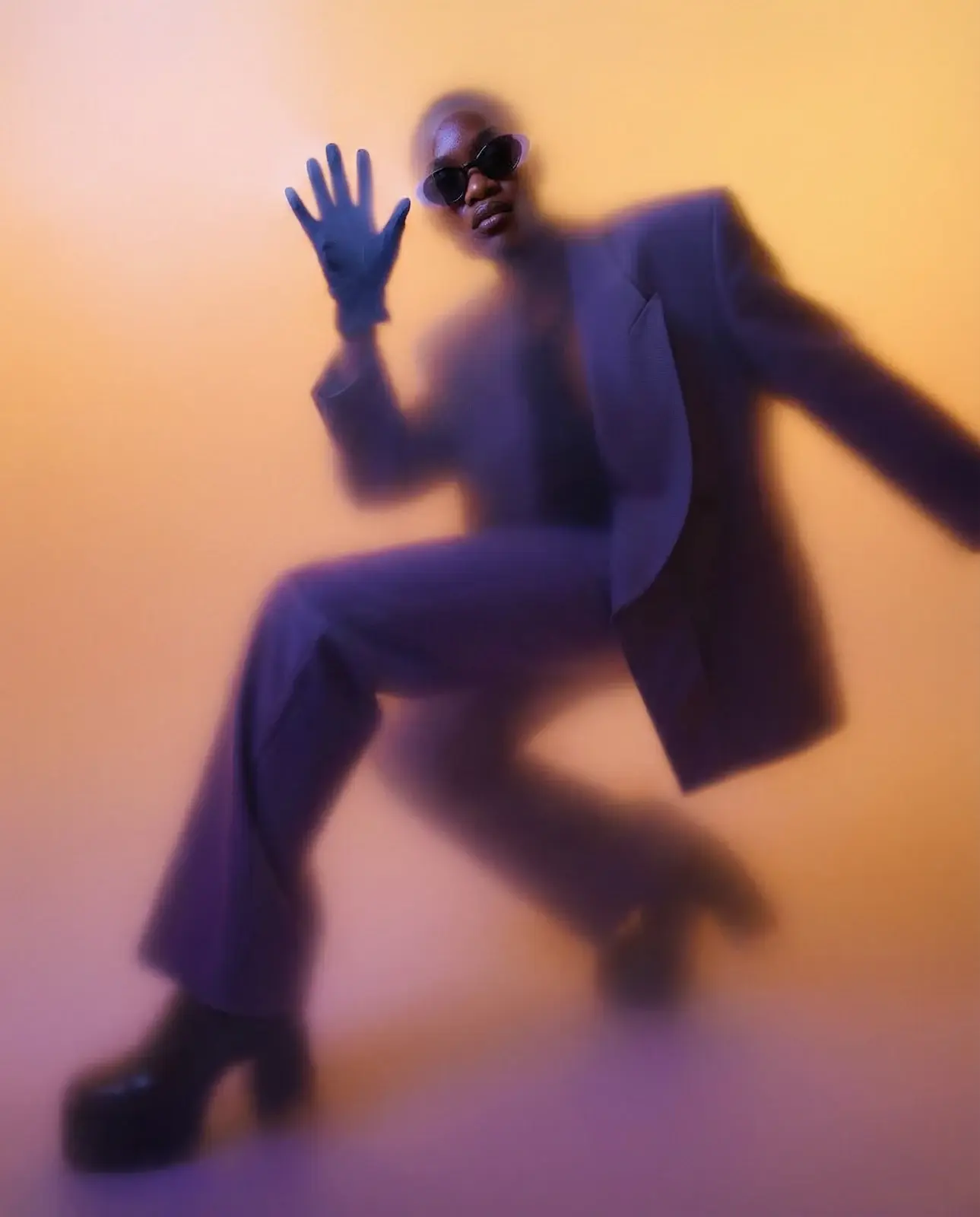
Nano Banana Pro
Copy
Analyze the uploaded image as a fixed and finished photograph. Preserve the original subject, identity, pose, objects, clothing, composition, proportions, framing, and perspective exactly as they are.
Apply a heavy, dense optical diffusion layer that behaves like thick frosted glass, milky silicone, or viscous translucent material placed very close to the camera.
This diffusion layer is not light or airy. It is deep, opaque, and tactile, strongly obscuring most of the image behind it.
Create the effect of physical interaction between the subject and the diffusion layer. One or several naturally prominent parts of the original image appear to press forward into the translucent surface, becoming more visible as if pushing against or emerging through the material.
These emerging areas remain soft and diffused but clearly read as closer to the viewer, with subtle deformation of light and shape caused by the dense material. The rest of the image stays heavily veiled, muted, and submerged behind the thick layer.
The visibility difference is driven by depth and pressure, not brightness or glow. Avoid flat whitening or uniform haze.
Light scattering is complex, layered, and uneven, with a strong sense of thickness, resistance, and volume, similar to viewing a subject through dense matte glass or milky fog pressed against the lens.
Do not reinterpret or redesign the image. Modify only the optical visibility and diffusion behavior. The final result should feel sculptural, physical, and atmospheric, closely matching the reference effect.
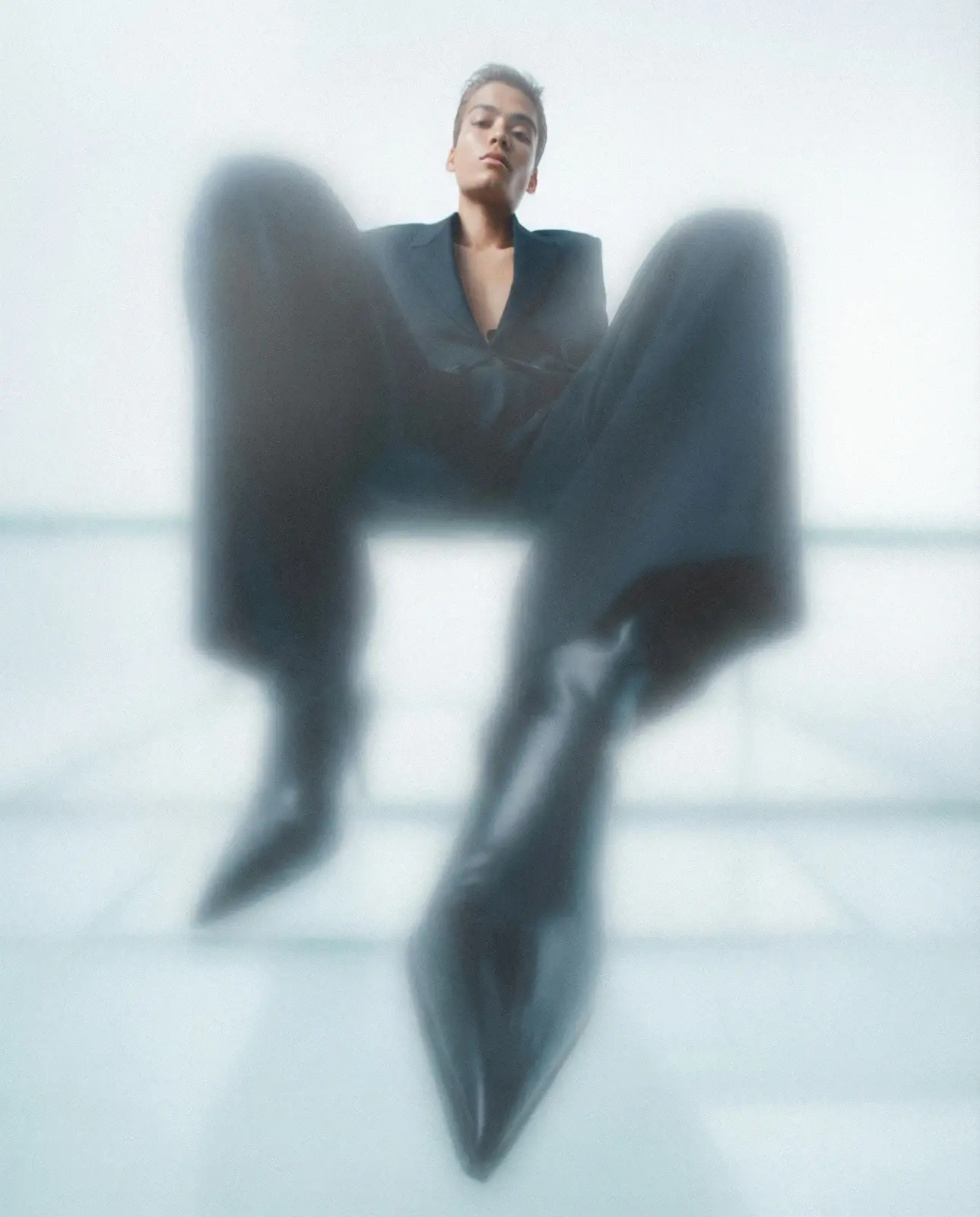
Nano Banana Pro
Copy
Carefully analyze the uploaded image and treat it as the single source that must remain unchanged in content. Preserve the original subject identity, facial features, body proportions, pose, camera angle, framing, composition, background elements, clothing, and all object placements exactly as in the input image. Perform an image-edit transformation only, applying a dense matte diffusion veil over the existing pixels rather than generating a new scene. Create a thick frosted-glass, milk-haze look by introducing a high-opacity translucent layer with soft light scattering and fine-grain diffusion texture, strongly reducing clarity across most of the frame while maintaining the same silhouettes and geometry. Build a controlled visibility hierarchy using an optical density field: select one naturally dominant area in the existing image and make it moderately more legible by locally thinning the diffusion opacity there, while the rest remains deeply veiled by thicker diffusion. The reveal must be achieved through reduced diffusion density and increased local translucency only, without changing shape, posture, expression, anatomy, perspective, or any scene structure. Keep color relationships consistent with the original image and avoid brightness-based whitening; the effect should read as thickness and diffusion, not exposure lift, producing a sculptural editorial look of the same photo seen through dense matte glass with subtle non-uniform translucency.
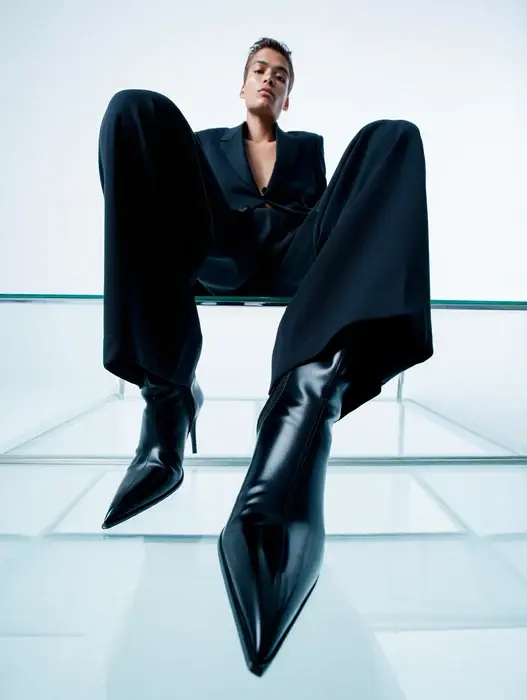
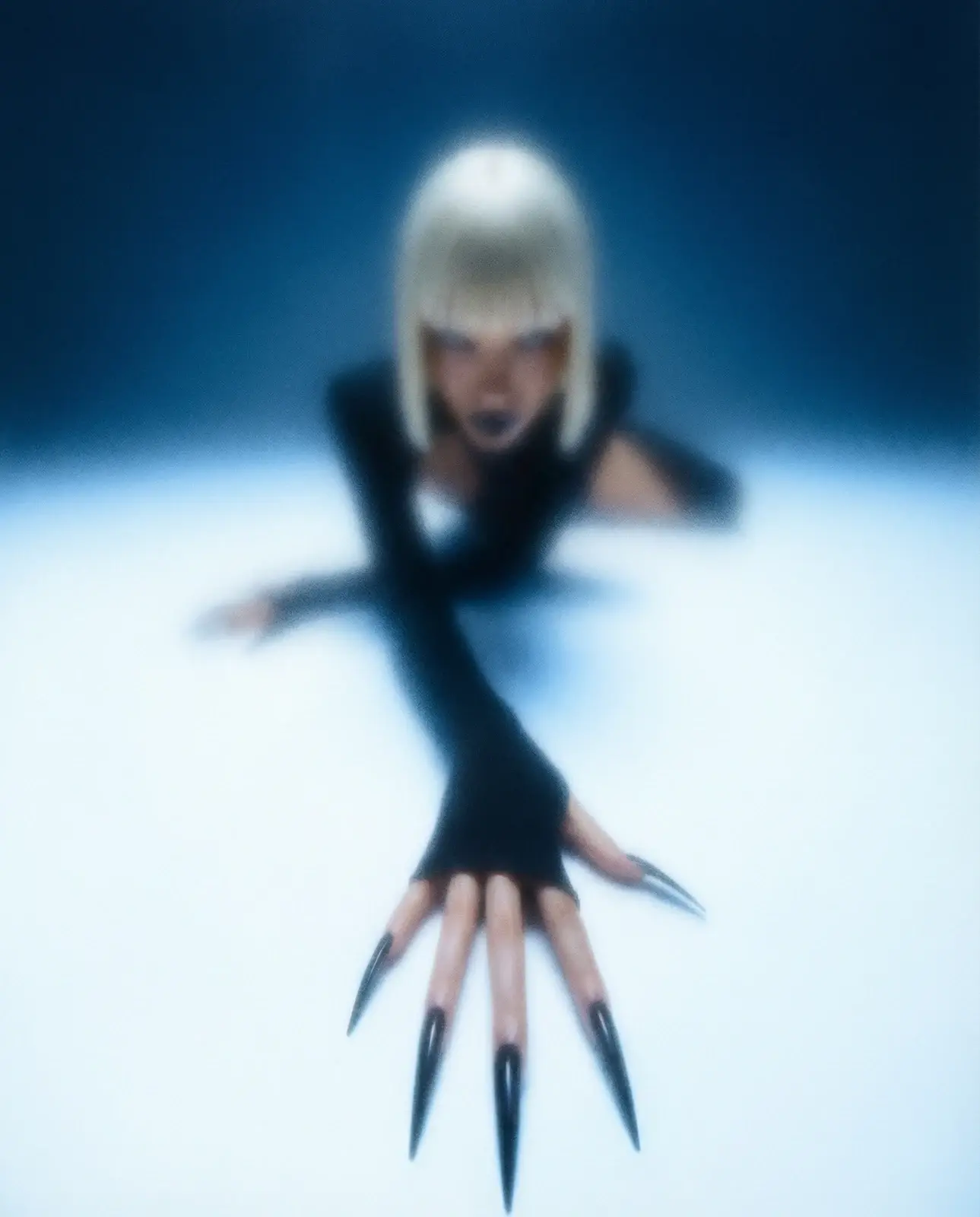
Nano Banana Pro
Copy
Carefully analyze the uploaded image and use it as the final and complete visual source. Preserve the original subject identity, facial features, body proportions, pose, expression, camera angle, framing, composition, background, clothing, objects, and all spatial relationships exactly as in the input image. Apply an image-edit transformation that works directly on the existing pixels by introducing a dense, layered optical diffusion field across the entire frame. Create a very thick, milky, matte translucency resembling multiple stacked layers of frosted glass or dense milk haze placed in front of the lens, with strong light scattering, visible depth, and soft micro-grain texture. Build the effect using a continuous and slow diffusion density gradient, so that parts of the subject gradually become more legible through accumulated translucency while remaining enveloped by material thickness. The transition from high-density diffusion to slightly thinner diffusion is extended, smooth, and organic, following the natural volume and silhouette of the subject rather than forming a distinct boundary. Visibility increases progressively through layered translucency and depth, creating the impression of the subject softly advancing through a dense medium. Color relationships, silhouettes, and geometry remain consistent with the original image, and the effect reads as optical density, depth, and material presence rather than blur or brightness changes. The final result should feel sculptural, immersive, and refined, closely matching the reference aesthetic of a figure slowly manifesting through a thick, uniform, milk-like veil.
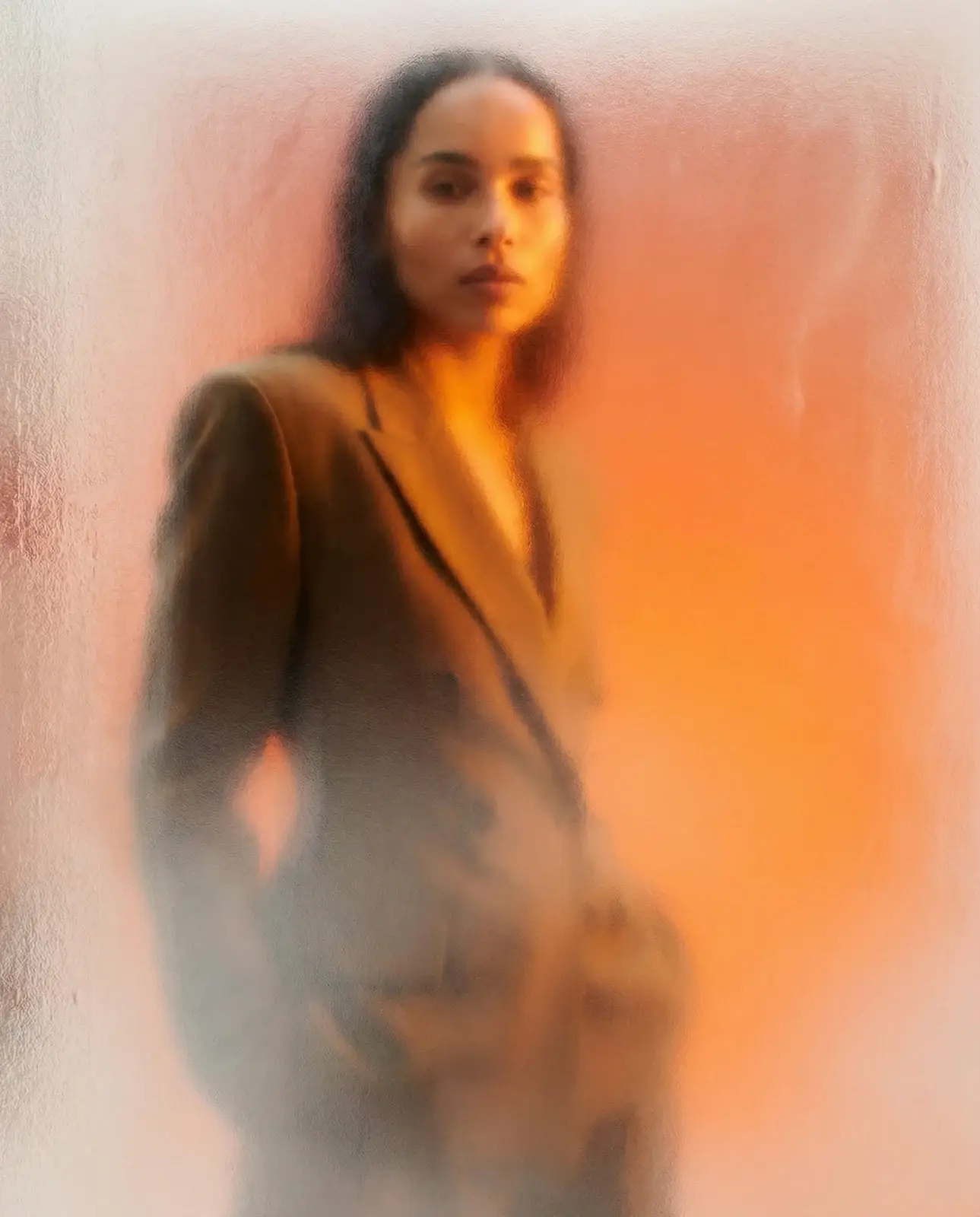
Nano Banana Pro
Copy
Analyze the uploaded image as a fixed, completed photograph and preserve the original subject, identity, pose, anatomy, objects, clothing, composition, framing, proportions, perspective, and spatial relationships in a pixel-accurate way. This task is strictly a post-processing transformation applied on top of the existing image, similar to placing a physical diffusion surface in front of the camera, without altering or reinterpreting the scene itself. Apply a very dense, thick, non-uniform optical diffusion effect resembling heavy frosted glass or opaque milky material positioned close to the lens, strongly obscuring most of the image. Create the illusion of depth exclusively by varying the density and thickness of the diffusion layer, not by moving, reshaping, or reconstructing any part of the image. One or several naturally prominent areas of the original image appear more visible through thinner diffusion, while remaining soft and diffused, as if seen through compressed translucent material, and all other areas stay deeply submerged behind the dense layer. The visibility difference is driven by optical density and light scattering only, never by brightness, glow, focus changes, pose alteration, or geometry changes. Light interaction is layered, uneven, and tactile, with a strong sense of material thickness and physical presence. The final result must feel like viewing the exact same image through dense matte glass with subtle variations in translucency, sculptural, atmospheric, and closely matching the reference effect.