
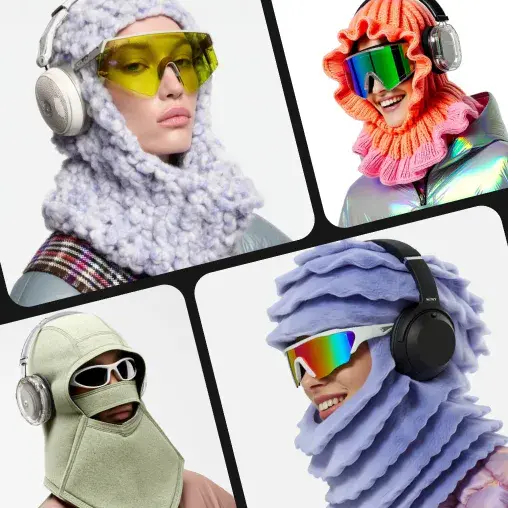
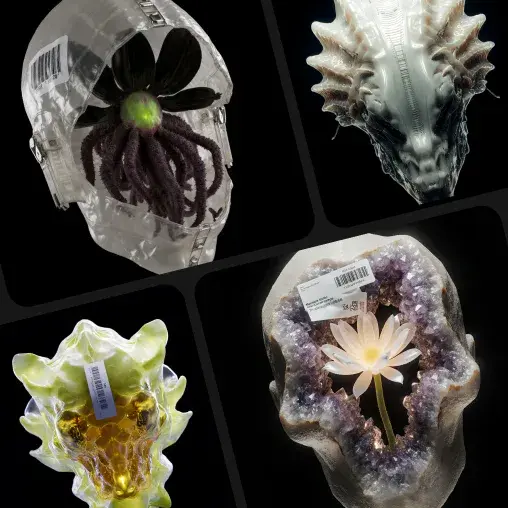


Wide angle
Превращайте свои референсы в эффектные широкоугольные кадры.


95 промптов
Seedream
Nano Banana
GPT Image
Wide angle
Превращайте свои референсы в эффектные широкоугольные кадры.
95 промптов
Seedream
Nano Banana
GPT Image
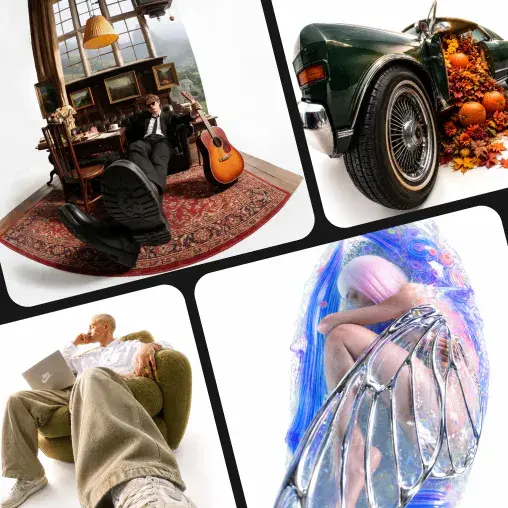
Объекты и люди
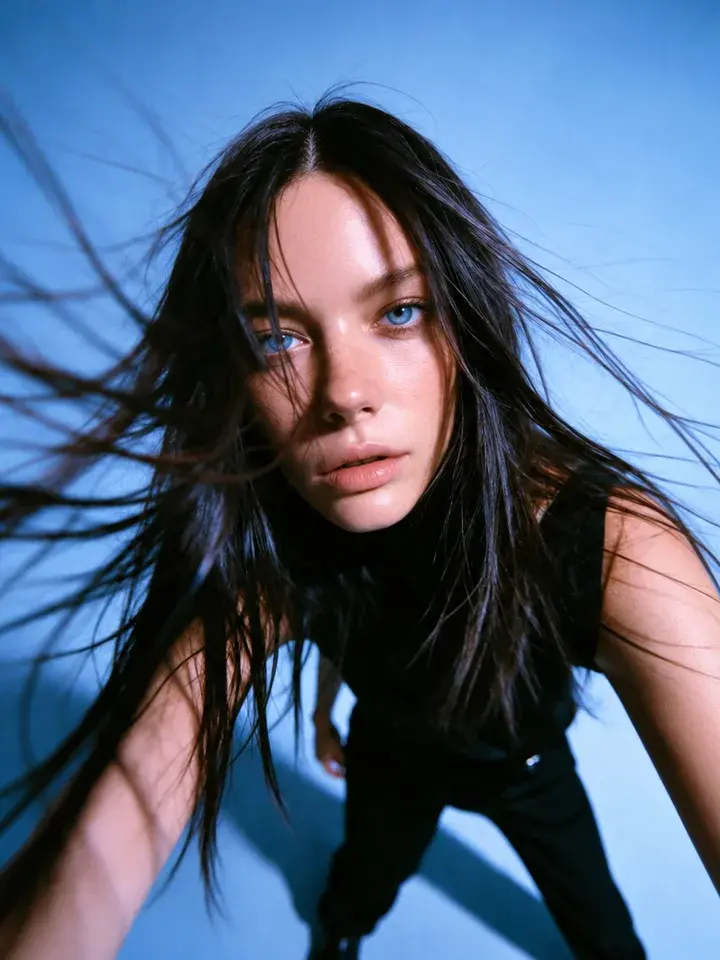
Seedream 5.0 Pro

Copy

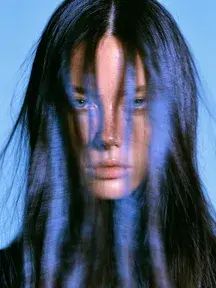
Use the uploaded image as the authoritative full-scene reference for both the main subject and the entire environment. Preserve the same recognizable person, character or object together with the same background, location and atmosphere. For a person, preserve the exact facial identity, face shape, age, skin tone, hairstyle, body type, clothing, fabrics, colors, patterns, logos, accessories and footwear. For an object, preserve its exact shape, construction, materials, textures, finish, colors, branding, graphics and correctly spelled text. Create a candid dynamic editorial moment with natural momentum, an asymmetrical body line, a subtle torso twist, limbs positioned across different depth planes and a clearly recognizable face. Let the nearest feature emerge organically from the movement and camera placement. Photograph the scene from an oblique subject-specific angle at point-blank range with an 8mm rectilinear ultra-wide close-focus lens. Extreme forced perspective is mandatory: the closest part appears four to five times larger than the farthest part, creating a dramatically expanded foreground, rapid scale reduction into depth, powerful foreshortening and stretched peripheral geometry. Keep the complete subject visible inside the frame with every outermost point preserved and a small amount of surrounding space. Retain the original background as the same identifiable place, preserving its architecture, landscape, furniture, objects, surfaces, colors, textures, signage, weather, time of day and lighting. Reconstruct the background consistently from the new camera position so its perspective lines, depth and peripheral areas respond naturally to the ultra-wide lens. Any newly revealed areas continue the original environment seamlessly. Integrate the subject naturally into the scene with matching light direction, color temperature, reflections, contact, depth and realistic shadows. Change only the camera position, lens perspective and natural motion of the subject while keeping the identity of the person, object and environment intact. The final image contains the original subject within the original recognizable setting, transformed into a bold dynamic ultra-wide photograph.
GPT Image 2.5 Flare
Copy
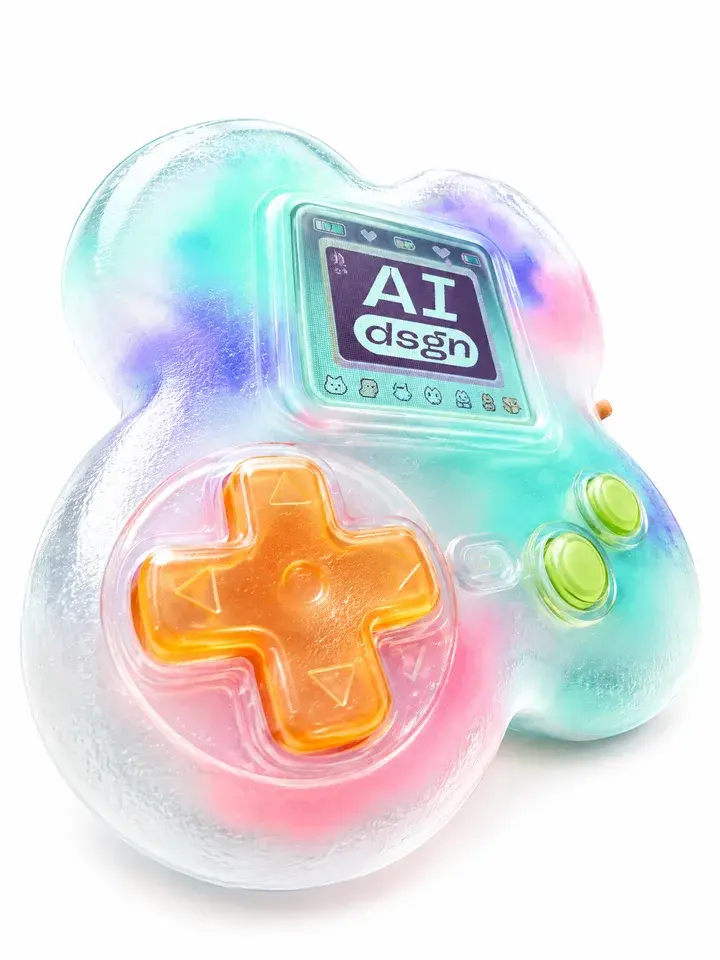
Use the uploaded image as the sole subject reference. Preserve the exact number of subjects, recognizable identity, underlying construction, colors, materials, surface texture, branding, typography and every defining detail. First analyze the subject’s geometry, pose, dominant axis and most expressive volumetric feature, then choose the camera position that presents its shape most powerfully. Use a different subject-specific viewing direction for every input, selecting the most effective low, elevated, frontal, side or three-quarter angle according to the form itself. Place the lens extremely close to the chosen foreground feature and photograph the subject with a 6mm ultra-wide fisheye close-focus lens. Strong visible wide-angle distortion is the defining effect of the image. Create extreme forced perspective, pronounced barrel distortion, dramatic foreshortening, bulging foreground volume, stretched peripheral geometry and rapid scale reduction into depth. The nearest part must appear approximately three times larger than the farthest part, while the rest of the subject visibly recedes away from the camera. Preserve the subject’s coherent structure so the transformation reads as real optical lens distortion rather than a redesigned shape. Maintain the extremely close camera position and use the ultra-wide field of view, subject orientation and framing to keep the complete silhouette visible. Keep every outermost point inside the image with a clean visible gap from every edge and approximately 8–12% white negative space surrounding the full subject. The final frame contains exactly the original number of subjects. For a flat logo, graphic or lettering, create a dimensional version with the original contours, typography and colors accurately preserved. Place the subject on a pure seamless white background with high-key diffused studio lighting, bright backlight, luminous rim glow, soft frontal fill, subtle bloom and airy highlights. Keep the enlarged foreground feature tactile and detailed, with gradual optical softness toward the distant parts. Contemporary premium editorial image, bold sculptural composition, playful monumental scale, polished photorealism, high resolution.


GPT Image 2.5 Flare
Copy
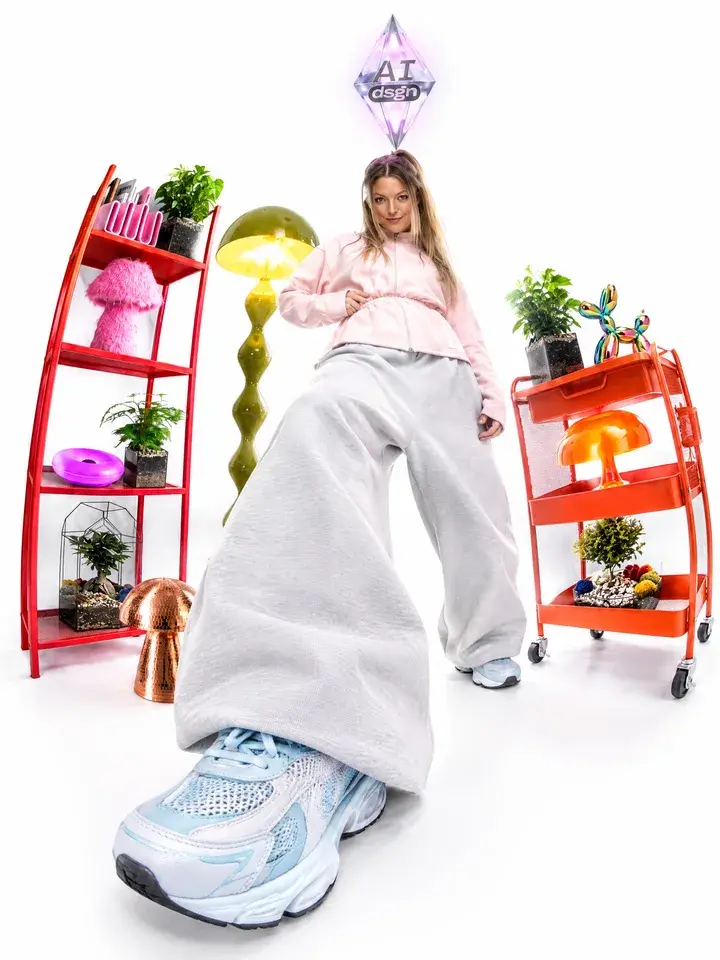
Use the uploaded image as the authoritative identity and appearance reference. Recreate exactly the same person, character or object one-to-one. The subject itself remains unchanged; only its spatial orientation, camera position and lens perspective change. For a person or character, preserve the exact facial identity, facial structure, distinctive features, age, skin tone, hairstyle, body proportions, pose and gesture. Keep the face clearly visible and instantly recognizable. Preserve the complete original outfit exactly, including every garment, silhouette, cut, fabric, texture, color, pattern, seam, fastening, logo, accessory, jewelry, bag and footwear. For an object, preserve its exact silhouette, underlying proportions, construction, number and placement of parts, materials, textures, surface finish, colors, transparency, reflections, wear, branding, graphics, labels and typography. Keep every logo and written element correctly spelled, legible and positioned on the original part of the object. Preserve the exact number of subjects and their defining relationships. Analyze the subject’s individual geometry and rotate the complete unchanged subject in three-dimensional space to create the strongest depth axis toward the camera. Choose the most expressive foreground anchor specifically for this subject while keeping its identity-defining features visible. Place this part extremely close to the lens and direct the opposite part deep into the background. Photograph from point-blank range with an 8mm rectilinear ultra-wide close-focus lens. Create unmistakable extreme wide-angle perspective with powerful foreshortening, an expanded foreground, stretched near-side geometry and rapid scale reduction into depth. The nearest part appears approximately three to four times larger than the farthest part. The deformation reads purely as optical perspective while the original anatomy, design and construction remain intact. Use the ultra-wide field of view and a carefully selected subject-specific angle to keep the complete silhouette inside the frame, with every outermost point visible and a narrow clean white gap around it. Suspend the subject weightlessly in an infinite pure-white space, fully separated from any physical surface. Create a groundless, shadowless environment with zero visible floor, horizon, support, cast shadow or contact shadow. Use high-key diffused backlighting, soft frontal fill, luminous rim light, airy highlights and subtle bloom. Keep the enlarged foreground tactile and detailed with gentle optical softness toward the distant parts. Clean contemporary editorial art direction, bold floating composition, polished photorealism, high-resolution material detail. The final image contains only the complete unchanged subject floating in white space.

GPT Image 2.5 Flare
Copy
Use the uploaded image as the sole subject reference. Preserve the exact number of subjects, recognizable identity, underlying construction, colors, materials, surface texture, branding, typography and every defining detail. First analyze the subject’s geometry, pose, dominant axis and most expressive volumetric feature, then choose the camera position that presents its shape most powerfully. Use a different subject-specific viewing direction for every input, selecting the most effective low, elevated, frontal, side or three-quarter angle according to the form itself. Place the lens extremely close to the chosen foreground feature and photograph the subject with a 6mm ultra-wide fisheye close-focus lens. Strong visible wide-angle distortion is the defining effect of the image. Create extreme forced perspective, pronounced barrel distortion, dramatic foreshortening, bulging foreground volume, stretched peripheral geometry and rapid scale reduction into depth. The nearest part must appear approximately three times larger than the farthest part, while the rest of the subject visibly recedes away from the camera. Preserve the subject’s coherent structure so the transformation reads as real optical lens distortion rather than a redesigned shape. Maintain the extremely close camera position and use the ultra-wide field of view, subject orientation and framing to keep the complete silhouette visible. Keep every outermost point inside the image with a clean visible gap from every edge and approximately 8–12% white negative space surrounding the full subject. The final frame contains exactly the original number of subjects. For a flat logo, graphic or lettering, create a dimensional version with the original contours, typography and colors accurately preserved. Place the subject on a pure seamless white background with high-key diffused studio lighting, bright backlight, luminous rim glow, soft frontal fill, subtle bloom and airy highlights. Keep the enlarged foreground feature tactile and detailed, with gradual optical softness toward the distant parts. Contemporary premium editorial image, bold sculptural composition, playful monumental scale, polished photorealism, high resolution.
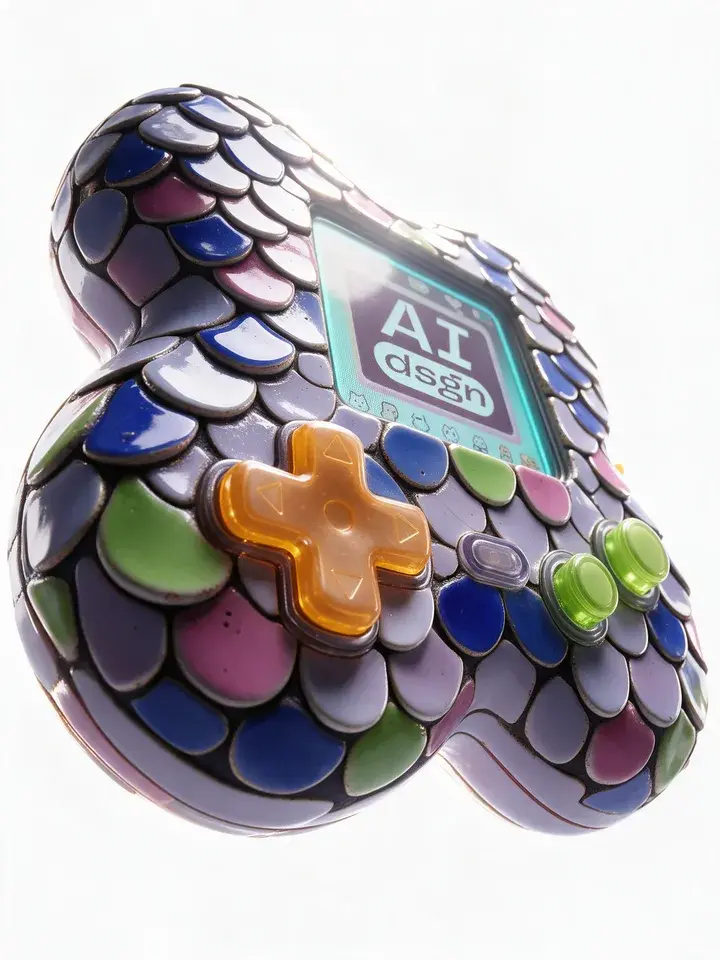
Seedream 5.0 Pro
Copy
Use the uploaded image as the sole subject reference. Preserve the exact number of subjects, recognizable identity, underlying construction, colors, materials, surface texture, branding, typography and every defining detail. First analyze the subject’s geometry, pose, dominant axis and most expressive volumetric feature, then choose the camera position that presents its shape most powerfully. Use a different subject-specific viewing direction for every input, selecting the most effective low, elevated, frontal, side or three-quarter angle according to the form itself. Place the lens extremely close to the chosen foreground feature and photograph the subject with a 6mm ultra-wide fisheye close-focus lens. Strong visible wide-angle distortion is the defining effect of the image. Create extreme forced perspective, pronounced barrel distortion, dramatic foreshortening, bulging foreground volume, stretched peripheral geometry and rapid scale reduction into depth. The nearest part must appear approximately three times larger than the farthest part, while the rest of the subject visibly recedes away from the camera. Preserve the subject’s coherent structure so the transformation reads as real optical lens distortion rather than a redesigned shape. Maintain the extremely close camera position and use the ultra-wide field of view, subject orientation and framing to keep the complete silhouette visible. Keep every outermost point inside the image with a clean visible gap from every edge and approximately 8–12% white negative space surrounding the full subject. The final frame contains exactly the original number of subjects. For a flat logo, graphic or lettering, create a dimensional version with the original contours, typography and colors accurately preserved. Place the subject on a pure seamless white background with high-key diffused studio lighting, bright backlight, luminous rim glow, soft frontal fill, subtle bloom and airy highlights. Keep the enlarged foreground feature tactile and detailed, with gradual optical softness toward the distant parts. Contemporary premium editorial image, bold sculptural composition, playful monumental scale, polished photorealism, high resolution.

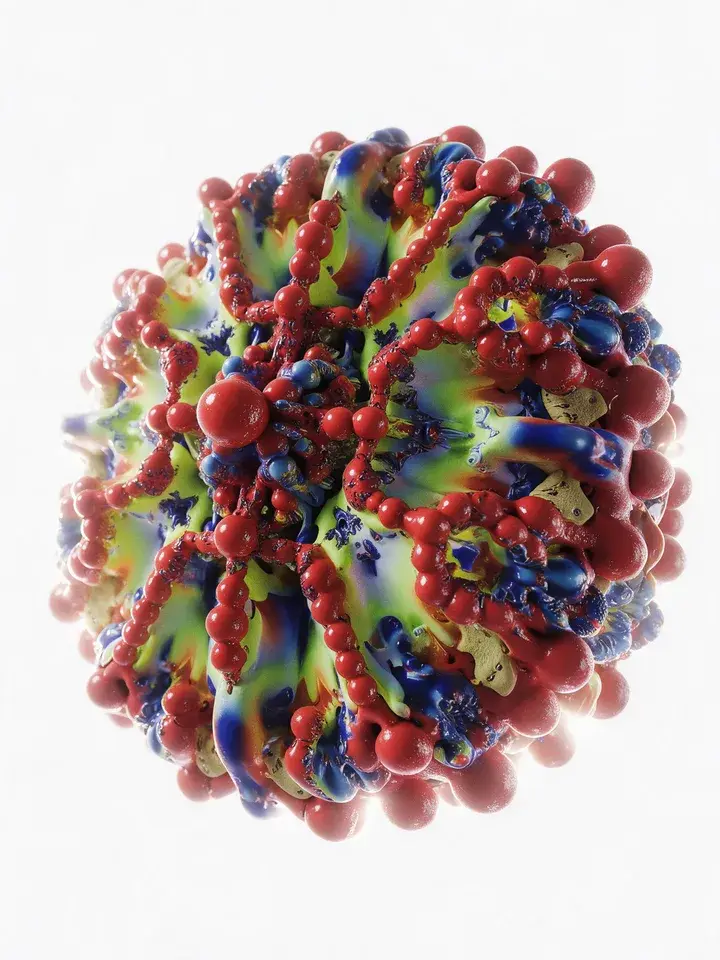
Seedream 5.0 Pro
Copy
Use the uploaded image as the sole subject reference. Preserve the exact number of subjects, recognizable identity, underlying structure, silhouette, colors, materials, surface texture, branding, typography and every defining detail. One subject in the source produces one subject in the final image. First analyze the subject’s proportions, dominant axis, pose, most recognizable features, functional side and distribution of visual weight. Then choose a bespoke camera elevation, viewing side, rotation and tilt that reveal its strongest silhouette, create clear spatial depth and keep the defining details visible. Select the most flattering viewpoint for this specific subject, using a low, elevated, front three-quarter, side three-quarter or top-down angle according to its individual geometry. Every new subject receives its own compositionally appropriate viewpoint rather than a fixed frontal formula. Create a strong ultra-wide perspective with an 8–12mm close-focus lens, bringing one naturally prominent part closer to the camera while the remaining form gradually recedes into depth. Keep the perspective exaggeration bold yet controlled, with coherent anatomy, construction and connections between every part. Adjust the camera distance and subject scale until the complete silhouette fits comfortably inside the frame. Keep every outermost point fully visible, including limbs, hair, handles, edges, spikes, accessories and lettering. The subject occupies approximately 65–75% of the image area with generous clean white negative space on every side and a clear gap between the subject and every frame edge. Build the near-to-far depth axis around the subject’s natural shape and use an asymmetrical, balanced composition. For a flat logo, graphic or lettering, create a clean volumetric version while preserving its exact contours, typography and colors. Place the subject on a pure seamless white background with high-key diffused studio lighting, soft frontal fill, bright backlight, luminous rim glow, subtle bloom and airy highlights. Render the closest material details with tactile realism and use a gentle depth-of-field falloff toward the distant parts. Contemporary premium editorial campaign, clean art direction, playful monumental scale, polished photorealism, high resolution. The final image contains exactly the referenced subject or subjects and the white background.
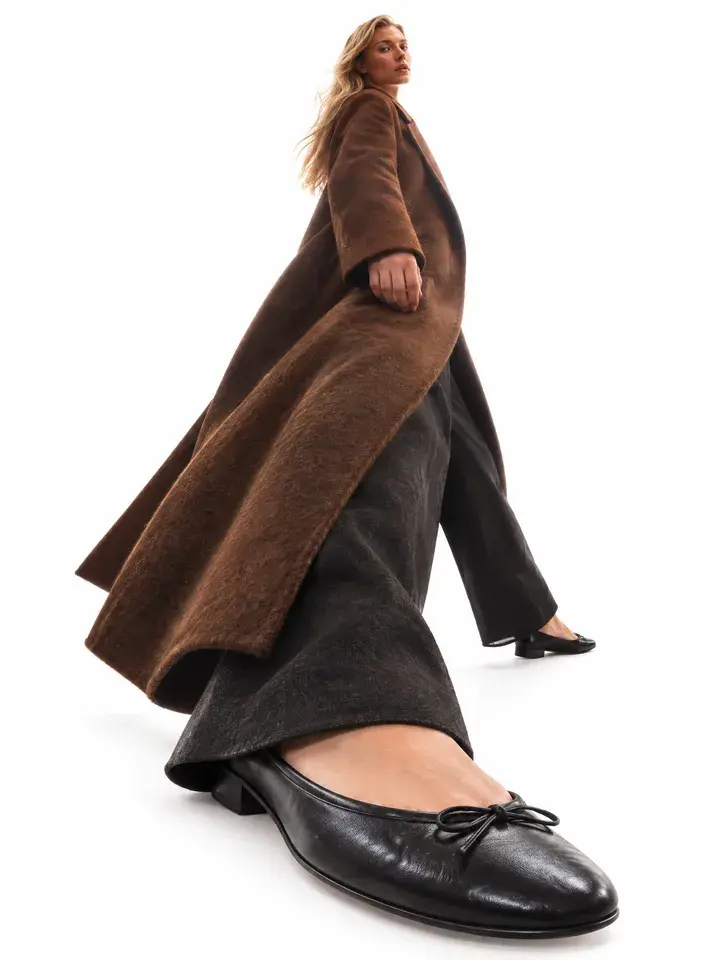
GPT Image 2.5 Sunburst
Copy
Use the uploaded image as the sole subject reference. Preserve the exact number of subjects, recognizable identity, underlying construction, colors, materials, surface texture, branding, typography and every defining detail. First analyze the subject’s geometry, pose, dominant axis and most expressive volumetric feature, then choose the camera position that presents its shape most powerfully. Use a different subject-specific viewing direction for every input, selecting the most effective low, elevated, frontal, side or three-quarter angle according to the form itself. Place the lens extremely close to the chosen foreground feature and photograph the subject with a 6mm ultra-wide fisheye close-focus lens. Strong visible wide-angle distortion is the defining effect of the image. Create extreme forced perspective, pronounced barrel distortion, dramatic foreshortening, bulging foreground volume, stretched peripheral geometry and rapid scale reduction into depth. The nearest part must appear approximately three times larger than the farthest part, while the rest of the subject visibly recedes away from the camera. Preserve the subject’s coherent structure so the transformation reads as real optical lens distortion rather than a redesigned shape. Maintain the extremely close camera position and use the ultra-wide field of view, subject orientation and framing to keep the complete silhouette visible. Keep every outermost point inside the image with a clean visible gap from every edge and approximately 8–12% white negative space surrounding the full subject. The final frame contains exactly the original number of subjects. For a flat logo, graphic or lettering, create a dimensional version with the original contours, typography and colors accurately preserved. Place the subject on a pure seamless white background with high-key diffused studio lighting, bright backlight, luminous rim glow, soft frontal fill, subtle bloom and airy highlights. Keep the enlarged foreground feature tactile and detailed, with gradual optical softness toward the distant parts. Contemporary premium editorial image, bold sculptural composition, playful monumental scale, polished photorealism, high resolution.
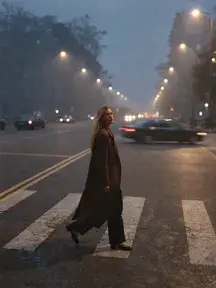
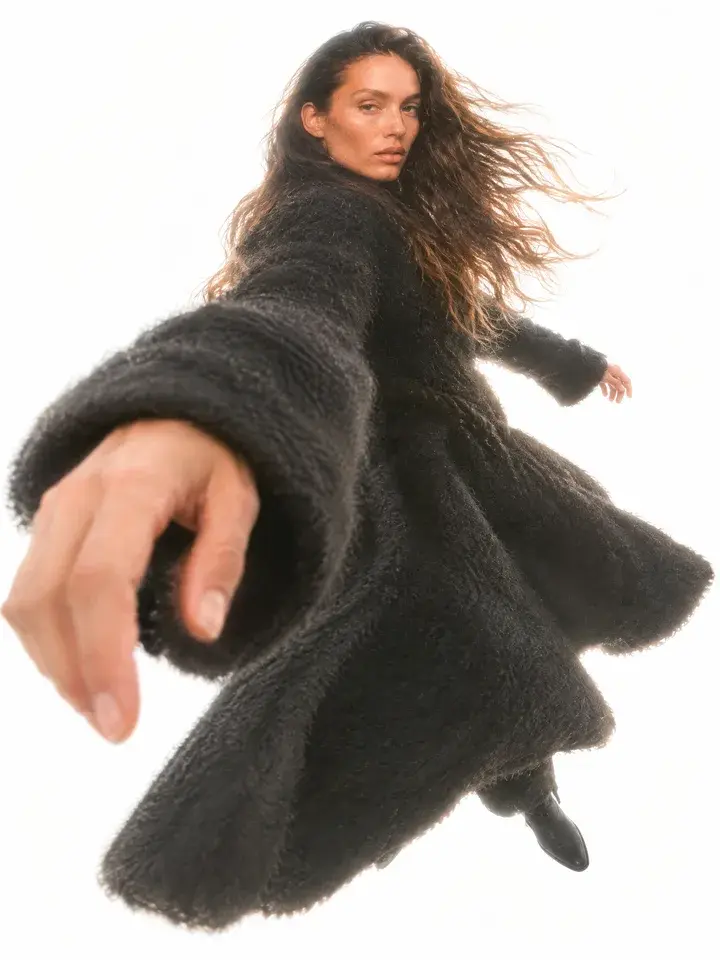
GPT Image 2.5 Flare
Copy
Use the uploaded image as the sole subject reference. Preserve the exact facial identity, appearance, hairstyle, body type, clothing, fabrics, colors, patterns, logos, accessories and footwear of every person or character. Preserve the exact shape, construction, materials, textures, colors, branding and correctly spelled text of every object. Every visible element in the final scene must originate from the uploaded image. Create a candid dynamic editorial moment with believable momentum rather than a staged pose. For a person or character, use an asymmetrical mid-motion body position with a natural torso twist, shoulders and hips on different axes, limbs occupying different depth planes, relaxed hands and a clear three-quarter view of the recognizable face. Direct the body diagonally through space as if the camera caught the subject between movements. Let the closest body part, accessory or carried object emerge organically from this movement through camera placement rather than a deliberate reach toward the lens. For an object, rotate the complete unchanged form in three-dimensional space so its strongest visual axis points toward the camera. Photograph from an oblique subject-specific angle at point-blank range with an 8mm rectilinear ultra-wide close-focus lens. Extreme forced perspective is mandatory: the closest feature appears four to five times larger than the farthest feature, with a dramatically expanded foreground, rapid scale reduction into depth, powerful foreshortening and stretched peripheral geometry. The result instantly reads as strong ultra-wide lens distortion. Use the extremely wide field of view to keep the complete silhouette visible, with every outermost point inside the frame and a narrow 5–8% white gap around it. Suspend the subject weightlessly in an infinite pure-white void with zero visible floor, horizon, support, cast shadow or contact shadow. Use high-key diffused backlighting, soft frontal fill, luminous rim glow, airy highlights and subtle bloom. The final image contains only the complete original subject and its original belongings floating in white space.
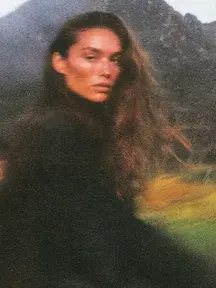
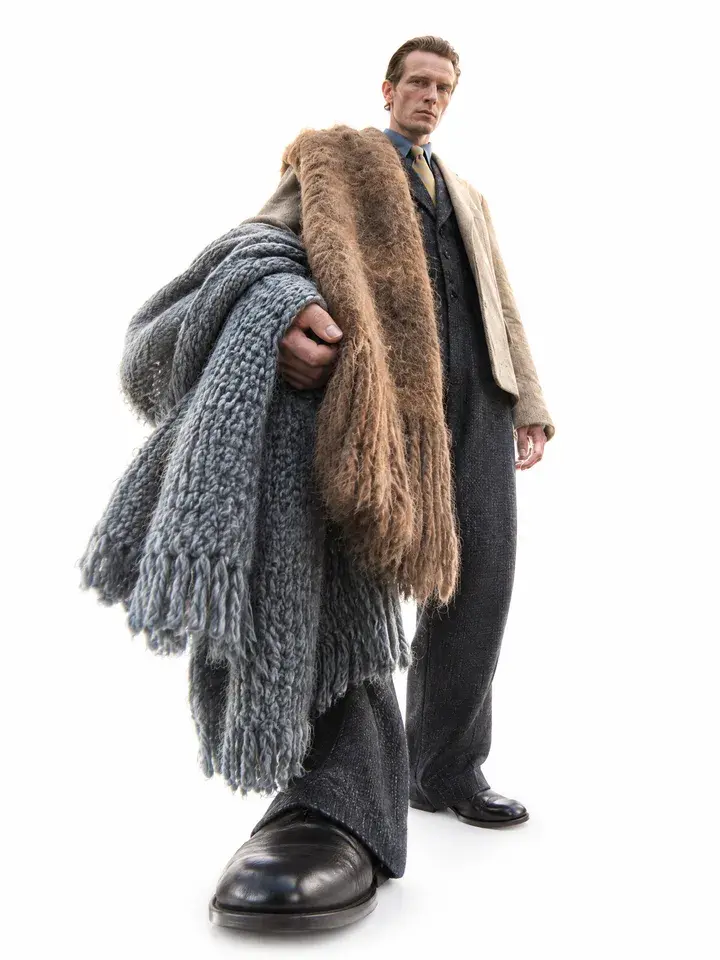
GPT Image 2.5 Flare
Copy
Use the uploaded image as the sole subject reference. Preserve the exact number of subjects, recognizable identity, underlying construction, colors, materials, surface texture, branding, typography and every defining detail. First analyze the subject’s geometry, pose, dominant axis and most expressive volumetric feature, then choose the camera position that presents its shape most powerfully. Use a different subject-specific viewing direction for every input, selecting the most effective low, elevated, frontal, side or three-quarter angle according to the form itself. Place the lens extremely close to the chosen foreground feature and photograph the subject with a 6mm ultra-wide fisheye close-focus lens. Strong visible wide-angle distortion is the defining effect of the image. Create extreme forced perspective, pronounced barrel distortion, dramatic foreshortening, bulging foreground volume, stretched peripheral geometry and rapid scale reduction into depth. The nearest part must appear approximately three times larger than the farthest part, while the rest of the subject visibly recedes away from the camera. Preserve the subject’s coherent structure so the transformation reads as real optical lens distortion rather than a redesigned shape. Maintain the extremely close camera position and use the ultra-wide field of view, subject orientation and framing to keep the complete silhouette visible. Keep every outermost point inside the image with a clean visible gap from every edge and approximately 8–12% white negative space surrounding the full subject. The final frame contains exactly the original number of subjects. For a flat logo, graphic or lettering, create a dimensional version with the original contours, typography and colors accurately preserved. Place the subject on a pure seamless white background with high-key diffused studio lighting, bright backlight, luminous rim glow, soft frontal fill, subtle bloom and airy highlights. Keep the enlarged foreground feature tactile and detailed, with gradual optical softness toward the distant parts. Contemporary premium editorial image, bold sculptural composition, playful monumental scale, polished photorealism, high resolution.
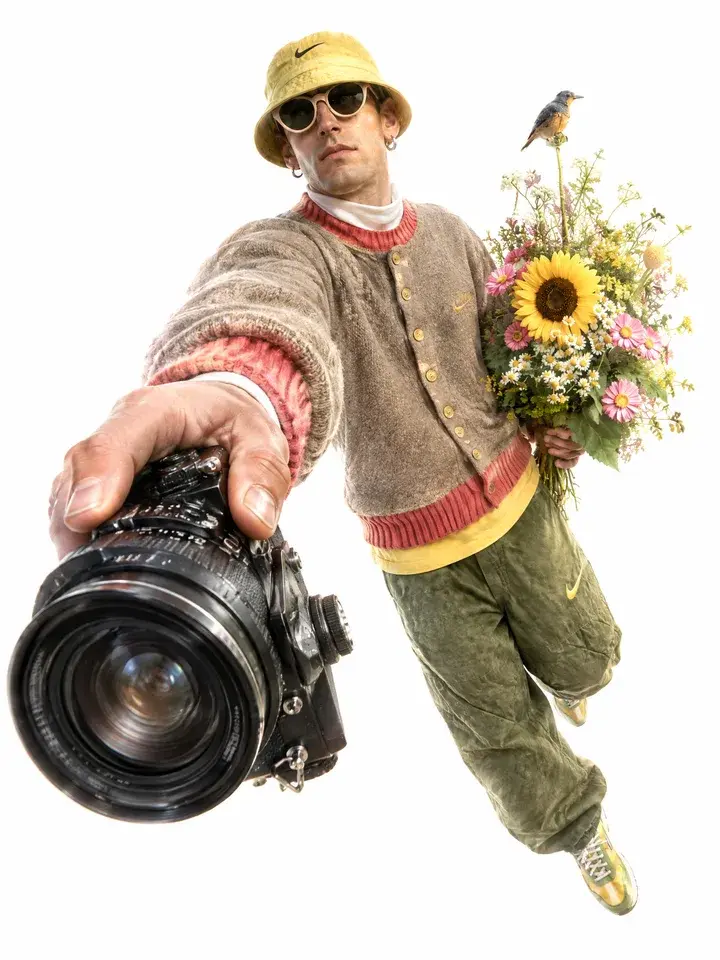
GPT Image 2.5 Flare
Copy
Use the uploaded image as the sole subject reference. Preserve the exact identity, number of elements, recognizable structure, shape, colors, materials, textures, logos, typography and defining details of the original subject. Analyze its individual geometry and rotate it in three-dimensional space to create the strongest possible depth axis toward the camera. Choose the most expressive foreground anchor specifically for this subject, placing one distinctive part extremely close to the lens while the opposite part points deep into the background. Photograph from point-blank range with an 8mm rectilinear ultra-wide close-focus lens. Extreme wide-angle perspective is the main visual effect: the nearest part appears approximately three to four times larger than the farthest part, with powerful foreshortening, a dramatically expanded foreground, stretched near-side geometry and rapid scale reduction into depth. The subject must feel sculptural, dimensional and strongly projected toward the viewer. Use the ultra-wide field of view and a carefully selected subject-specific angle to keep the entire outer silhouette visible inside the frame. Keep every edge, limb, handle, tip, accessory and letter fully visible, surrounded by a narrow clean white gap on every side. Suspend the complete subject weightlessly in an infinite pure-white studio void, fully separated from any physical surface. Create a groundless and shadowless environment with zero visible floor, horizon, support, cast shadow or contact shadow. Use bright high-key diffused backlighting, soft frontal fill, luminous rim light, airy overexposed highlights and subtle bloom around the contours. Keep the enlarged foreground area tactile and detailed, with gentle optical softness toward the distant parts. Clean contemporary editorial art direction, bold floating composition, polished photorealism, high-resolution material detail. The final image contains only the complete transformed subject floating in white space.

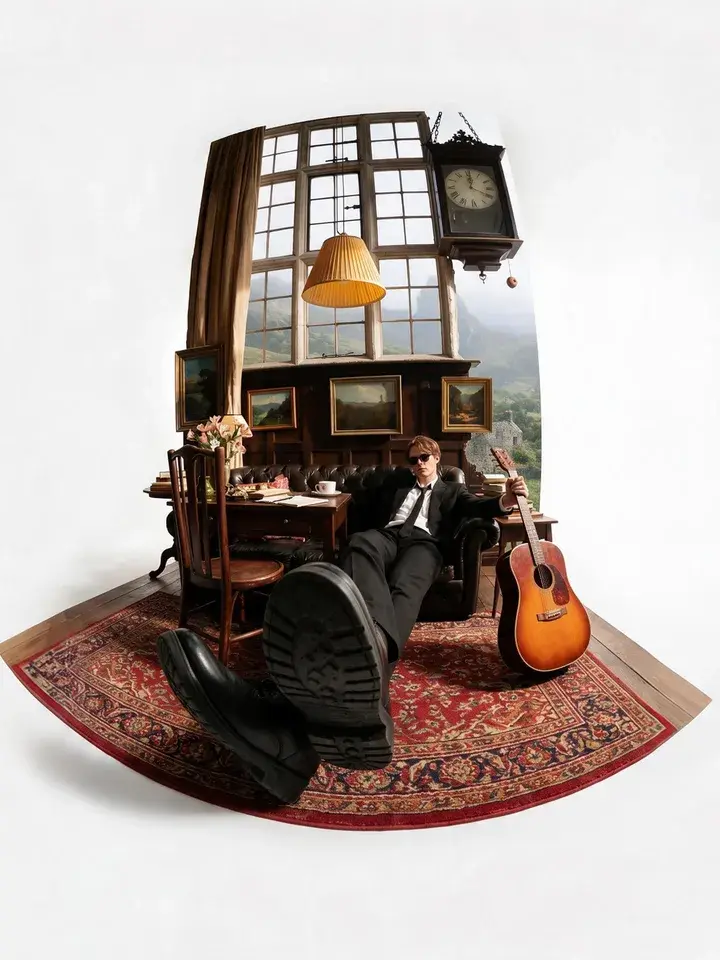
Nano Banana Pro
Copy
Use the uploaded image as the sole subject reference. Preserve the exact number of subjects, recognizable identity, underlying construction, colors, materials, surface texture, branding, typography and every defining detail. First analyze the subject’s geometry, pose, dominant axis and most expressive volumetric feature, then choose the camera position that presents its shape most powerfully. Use a different subject-specific viewing direction for every input, selecting the most effective low, elevated, frontal, side or three-quarter angle according to the form itself. Place the lens extremely close to the chosen foreground feature and photograph the subject with a 6mm ultra-wide fisheye close-focus lens. Strong visible wide-angle distortion is the defining effect of the image. Create extreme forced perspective, pronounced barrel distortion, dramatic foreshortening, bulging foreground volume, stretched peripheral geometry and rapid scale reduction into depth. The nearest part must appear approximately three times larger than the farthest part, while the rest of the subject visibly recedes away from the camera. Preserve the subject’s coherent structure so the transformation reads as real optical lens distortion rather than a redesigned shape. Maintain the extremely close camera position and use the ultra-wide field of view, subject orientation and framing to keep the complete silhouette visible. Keep every outermost point inside the image with a clean visible gap from every edge and approximately 8–12% white negative space surrounding the full subject. The final frame contains exactly the original number of subjects. For a flat logo, graphic or lettering, create a dimensional version with the original contours, typography and colors accurately preserved. Place the subject on a pure seamless white background with high-key diffused studio lighting, bright backlight, luminous rim glow, soft frontal fill, subtle bloom and airy highlights. Keep the enlarged foreground feature tactile and detailed, with gradual optical softness toward the distant parts. Contemporary premium editorial image, bold sculptural composition, playful monumental scale, polished photorealism, high resolution.

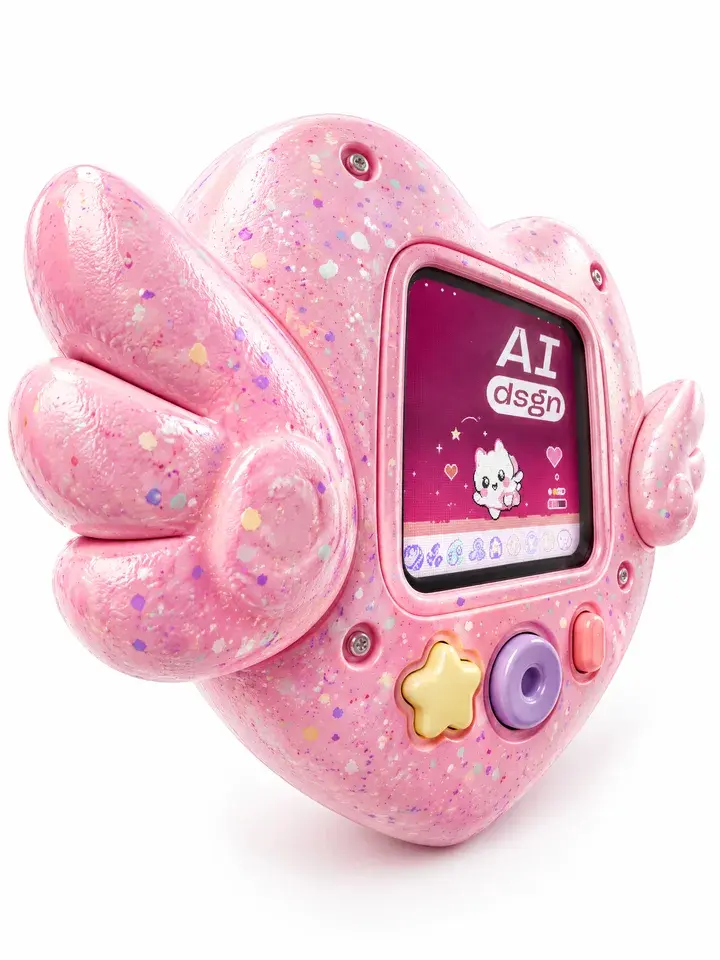
GPT Image 2.5 Flare
Copy
Use the uploaded image as the sole subject reference. Preserve the exact number of subjects, recognizable identity, underlying construction, colors, materials, surface texture, branding, typography and every defining detail. First analyze the subject’s geometry, pose, dominant axis and most expressive volumetric feature, then choose the camera position that presents its shape most powerfully. Use a different subject-specific viewing direction for every input, selecting the most effective low, elevated, frontal, side or three-quarter angle according to the form itself. Place the lens extremely close to the chosen foreground feature and photograph the subject with a 6mm ultra-wide fisheye close-focus lens. Strong visible wide-angle distortion is the defining effect of the image. Create extreme forced perspective, pronounced barrel distortion, dramatic foreshortening, bulging foreground volume, stretched peripheral geometry and rapid scale reduction into depth. The nearest part must appear approximately three times larger than the farthest part, while the rest of the subject visibly recedes away from the camera. Preserve the subject’s coherent structure so the transformation reads as real optical lens distortion rather than a redesigned shape. Maintain the extremely close camera position and use the ultra-wide field of view, subject orientation and framing to keep the complete silhouette visible. Keep every outermost point inside the image with a clean visible gap from every edge and approximately 8–12% white negative space surrounding the full subject. The final frame contains exactly the original number of subjects. For a flat logo, graphic or lettering, create a dimensional version with the original contours, typography and colors accurately preserved. Place the subject on a pure seamless white background with high-key diffused studio lighting, bright backlight, luminous rim glow, soft frontal fill, subtle bloom and airy highlights. Keep the enlarged foreground feature tactile and detailed, with gradual optical softness toward the distant parts. Contemporary premium editorial image, bold sculptural composition, playful monumental scale, polished photorealism, high resolution.


GPT Image 2.5 Flare
Copy
Use the uploaded image as the sole subject reference. Preserve the exact number of subjects, recognizable identity, underlying construction, colors, materials, surface texture, branding, typography and every defining detail. First analyze the subject’s geometry, pose, dominant axis and most expressive volumetric feature, then choose the camera position that presents its shape most powerfully. Use a different subject-specific viewing direction for every input, selecting the most effective low, elevated, frontal, side or three-quarter angle according to the form itself. Place the lens extremely close to the chosen foreground feature and photograph the subject with a 6mm ultra-wide fisheye close-focus lens. Strong visible wide-angle distortion is the defining effect of the image. Create extreme forced perspective, pronounced barrel distortion, dramatic foreshortening, bulging foreground volume, stretched peripheral geometry and rapid scale reduction into depth. The nearest part must appear approximately three times larger than the farthest part, while the rest of the subject visibly recedes away from the camera. Preserve the subject’s coherent structure so the transformation reads as real optical lens distortion rather than a redesigned shape. Maintain the extremely close camera position and use the ultra-wide field of view, subject orientation and framing to keep the complete silhouette visible. Keep every outermost point inside the image with a clean visible gap from every edge and approximately 8–12% white negative space surrounding the full subject. The final frame contains exactly the original number of subjects. For a flat logo, graphic or lettering, create a dimensional version with the original contours, typography and colors accurately preserved. Place the subject on a pure seamless white background with high-key diffused studio lighting, bright backlight, luminous rim glow, soft frontal fill, subtle bloom and airy highlights. Keep the enlarged foreground feature tactile and detailed, with gradual optical softness toward the distant parts. Contemporary premium editorial image, bold sculptural composition, playful monumental scale, polished photorealism, high resolution.

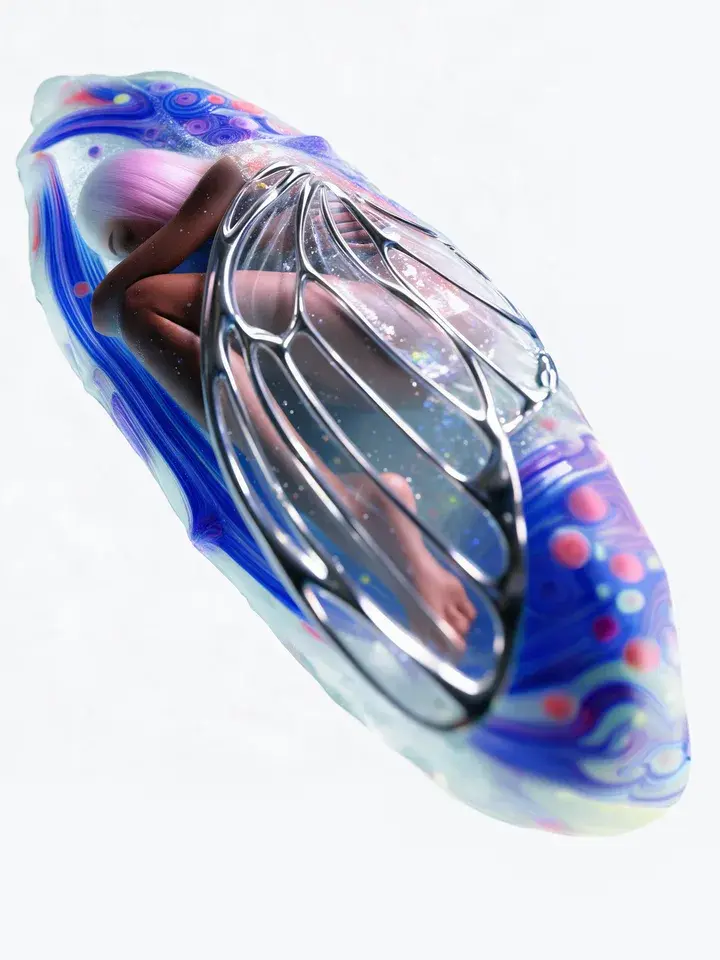
Seedream 5.0 Pro
Copy
Use the uploaded image as the authoritative identity and appearance reference. Recreate exactly the same person, character or object one-to-one. The subject itself remains unchanged; only its spatial orientation, camera position and lens perspective change. For a person or character, preserve the exact facial identity, facial structure, distinctive features, age, skin tone, hairstyle, body proportions, pose and gesture. Keep the face clearly visible and instantly recognizable. Preserve the complete original outfit exactly, including every garment, silhouette, cut, fabric, texture, color, pattern, seam, fastening, logo, accessory, jewelry, bag and footwear. For an object, preserve its exact silhouette, underlying proportions, construction, number and placement of parts, materials, textures, surface finish, colors, transparency, reflections, wear, branding, graphics, labels and typography. Keep every logo and written element correctly spelled, legible and positioned on the original part of the object. Preserve the exact number of subjects and their defining relationships. Analyze the subject’s individual geometry and rotate the complete unchanged subject in three-dimensional space to create the strongest depth axis toward the camera. Choose the most expressive foreground anchor specifically for this subject while keeping its identity-defining features visible. Place this part extremely close to the lens and direct the opposite part deep into the background. Photograph from point-blank range with an 8mm rectilinear ultra-wide close-focus lens. Create unmistakable extreme wide-angle perspective with powerful foreshortening, an expanded foreground, stretched near-side geometry and rapid scale reduction into depth. The nearest part appears approximately three to four times larger than the farthest part. The deformation reads purely as optical perspective while the original anatomy, design and construction remain intact. Use the ultra-wide field of view and a carefully selected subject-specific angle to keep the complete silhouette inside the frame, with every outermost point visible and a narrow clean white gap around it. Suspend the subject weightlessly in an infinite pure-white space, fully separated from any physical surface. Create a groundless, shadowless environment with zero visible floor, horizon, support, cast shadow or contact shadow. Use high-key diffused backlighting, soft frontal fill, luminous rim light, airy highlights and subtle bloom. Keep the enlarged foreground tactile and detailed with gentle optical softness toward the distant parts. Clean contemporary editorial art direction, bold floating composition, polished photorealism, high-resolution material detail. The final image contains only the complete unchanged subject floating in white space.
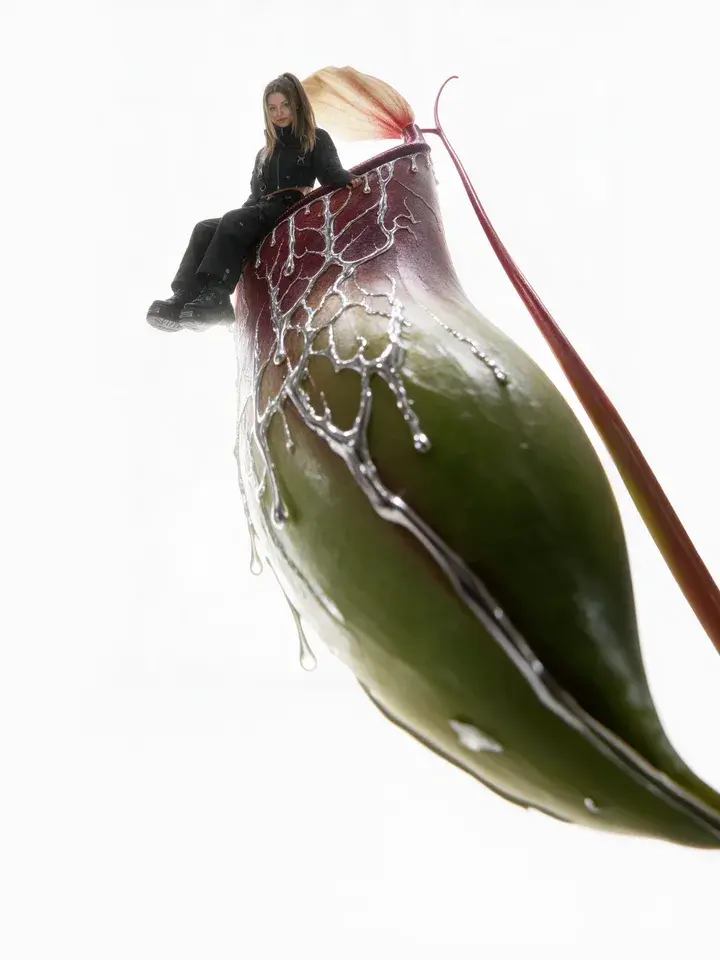
Seedream 5.0 Pro
Copy
Use the uploaded image as the sole subject reference. Preserve the exact identity, number of elements, recognizable structure, shape, colors, materials, textures, logos, typography and defining details of the original subject. Analyze its individual geometry and rotate it in three-dimensional space to create the strongest possible depth axis toward the camera. Choose the most expressive foreground anchor specifically for this subject, placing one distinctive part extremely close to the lens while the opposite part points deep into the background. Photograph from point-blank range with an 8mm rectilinear ultra-wide close-focus lens. Extreme wide-angle perspective is the main visual effect: the nearest part appears approximately three to four times larger than the farthest part, with powerful foreshortening, a dramatically expanded foreground, stretched near-side geometry and rapid scale reduction into depth. The subject must feel sculptural, dimensional and strongly projected toward the viewer. Use the ultra-wide field of view and a carefully selected subject-specific angle to keep the entire outer silhouette visible inside the frame. Keep every edge, limb, handle, tip, accessory and letter fully visible, surrounded by a narrow clean white gap on every side. Suspend the complete subject weightlessly in an infinite pure-white studio void, fully separated from any physical surface. Create a groundless and shadowless environment with zero visible floor, horizon, support, cast shadow or contact shadow. Use bright high-key diffused backlighting, soft frontal fill, luminous rim light, airy overexposed highlights and subtle bloom around the contours. Keep the enlarged foreground area tactile and detailed, with gentle optical softness toward the distant parts. Clean contemporary editorial art direction, bold floating composition, polished photorealism, high-resolution material detail. The final image contains only the complete transformed subject floating in white space.
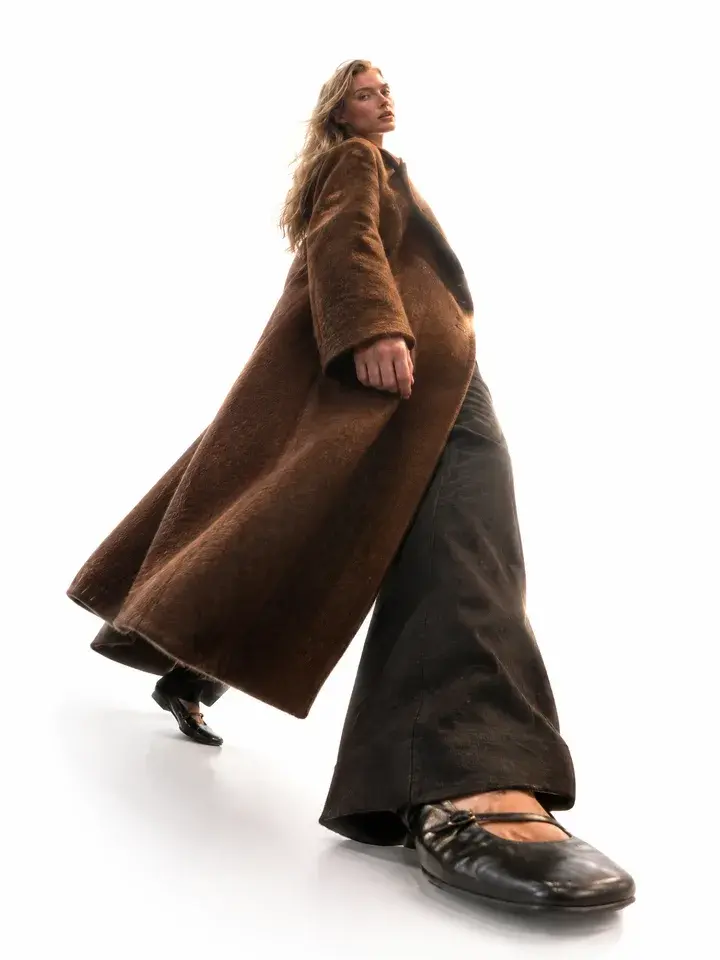
GPT Image 2.5 Flare
Copy
Use the uploaded image as the sole subject reference. Preserve the exact number of subjects, recognizable identity, underlying construction, colors, materials, surface texture, branding, typography and every defining detail. First analyze the subject’s geometry, pose, dominant axis and most expressive volumetric feature, then choose the camera position that presents its shape most powerfully. Use a different subject-specific viewing direction for every input, selecting the most effective low, elevated, frontal, side or three-quarter angle according to the form itself. Place the lens extremely close to the chosen foreground feature and photograph the subject with a 6mm ultra-wide fisheye close-focus lens. Strong visible wide-angle distortion is the defining effect of the image. Create extreme forced perspective, pronounced barrel distortion, dramatic foreshortening, bulging foreground volume, stretched peripheral geometry and rapid scale reduction into depth. The nearest part must appear approximately three times larger than the farthest part, while the rest of the subject visibly recedes away from the camera. Preserve the subject’s coherent structure so the transformation reads as real optical lens distortion rather than a redesigned shape. Maintain the extremely close camera position and use the ultra-wide field of view, subject orientation and framing to keep the complete silhouette visible. Keep every outermost point inside the image with a clean visible gap from every edge and approximately 8–12% white negative space surrounding the full subject. The final frame contains exactly the original number of subjects. For a flat logo, graphic or lettering, create a dimensional version with the original contours, typography and colors accurately preserved. Place the subject on a pure seamless white background with high-key diffused studio lighting, bright backlight, luminous rim glow, soft frontal fill, subtle bloom and airy highlights. Keep the enlarged foreground feature tactile and detailed, with gradual optical softness toward the distant parts. Contemporary premium editorial image, bold sculptural composition, playful monumental scale, polished photorealism, high resolution.
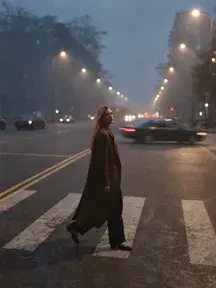
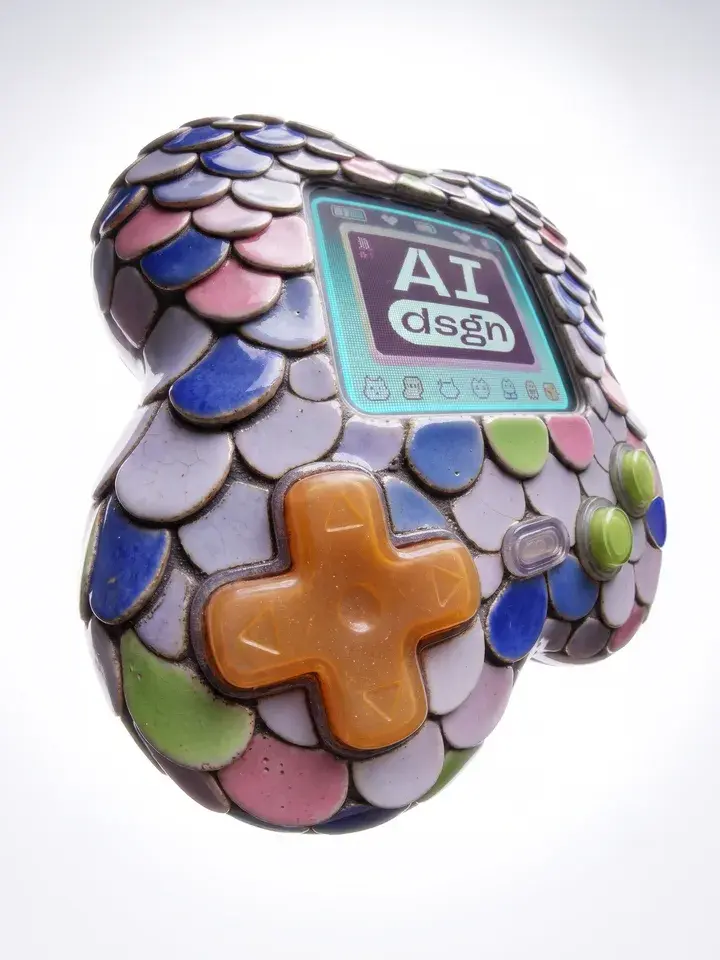
Nano Banana Pro
Copy
Use the uploaded image as the sole subject reference. Preserve the exact number of subjects, recognizable identity, underlying construction, colors, materials, surface texture, branding, typography and every defining detail. First analyze the subject’s geometry, pose, dominant axis and most expressive volumetric feature, then choose the camera position that presents its shape most powerfully. Use a different subject-specific viewing direction for every input, selecting the most effective low, elevated, frontal, side or three-quarter angle according to the form itself. Place the lens extremely close to the chosen foreground feature and photograph the subject with a 6mm ultra-wide fisheye close-focus lens. Strong visible wide-angle distortion is the defining effect of the image. Create extreme forced perspective, pronounced barrel distortion, dramatic foreshortening, bulging foreground volume, stretched peripheral geometry and rapid scale reduction into depth. The nearest part must appear approximately three times larger than the farthest part, while the rest of the subject visibly recedes away from the camera. Preserve the subject’s coherent structure so the transformation reads as real optical lens distortion rather than a redesigned shape. Maintain the extremely close camera position and use the ultra-wide field of view, subject orientation and framing to keep the complete silhouette visible. Keep every outermost point inside the image with a clean visible gap from every edge and approximately 8–12% white negative space surrounding the full subject. The final frame contains exactly the original number of subjects. For a flat logo, graphic or lettering, create a dimensional version with the original contours, typography and colors accurately preserved. Place the subject on a pure seamless white background with high-key diffused studio lighting, bright backlight, luminous rim glow, soft frontal fill, subtle bloom and airy highlights. Keep the enlarged foreground feature tactile and detailed, with gradual optical softness toward the distant parts. Contemporary premium editorial image, bold sculptural composition, playful monumental scale, polished photorealism, high resolution.

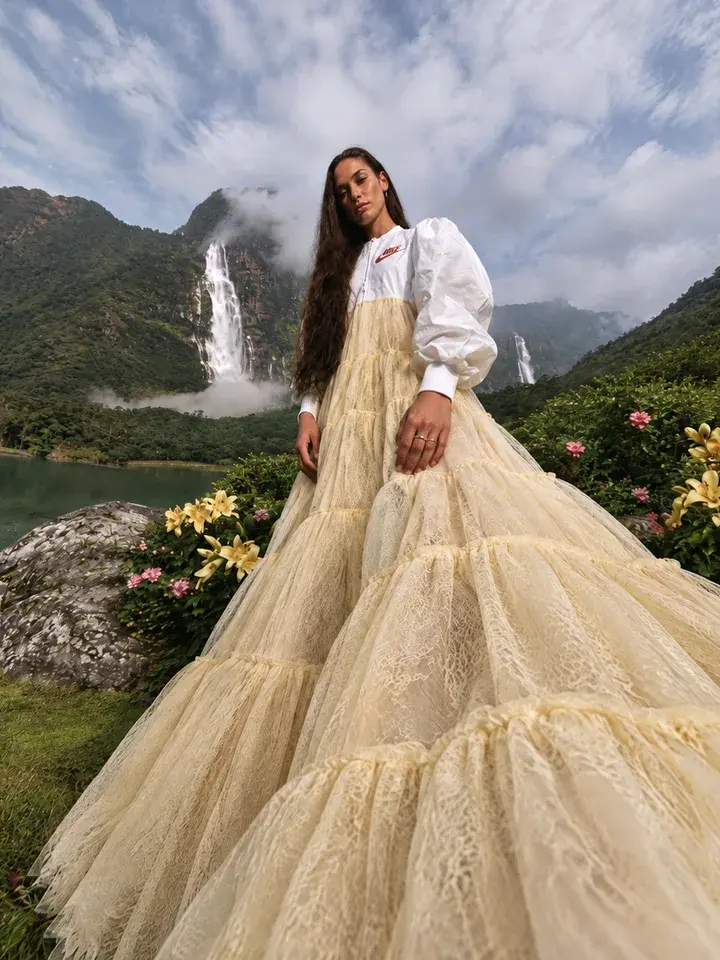
GPT Image 2.5 Flare
Copy
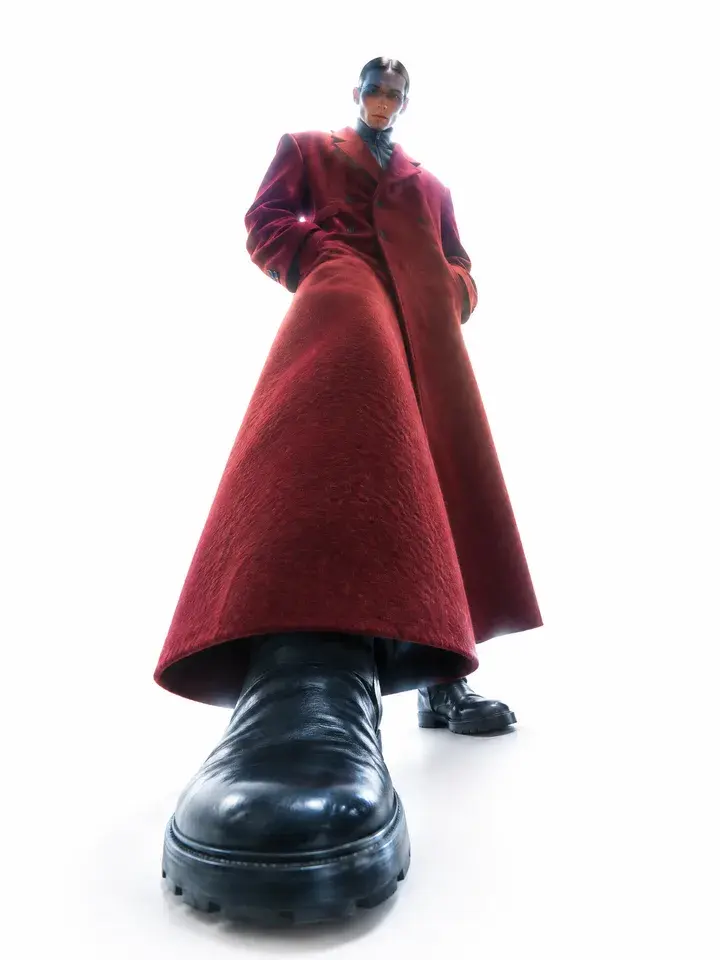
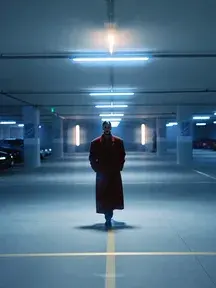
Use the uploaded image as the sole visual reference for both the subject and the environment. Preserve the exact number of subjects, recognizable identity, underlying construction, colors, materials, surface texture, branding, typography and every defining detail. First analyze the subject’s geometry, pose, dominant axis and most expressive volumetric feature, then choose the camera position that presents its shape most powerfully. Use a different subject-specific viewing direction for every input, selecting the most effective low, elevated, frontal, side or three-quarter angle according to the form itself. Place the camera extremely close to the chosen foreground feature and photograph the subject with an 8mm full-frame rectilinear ultra-wide close-focus lens using complete rectangular edge-to-edge coverage. Strong visible wide-angle distortion is the defining effect of the image. Create extreme forced perspective, dramatic foreshortening, powerful foreground expansion, stretched peripheral geometry and rapid scale reduction into depth. The nearest part must appear approximately three times larger than the farthest part, while the rest of the subject visibly recedes away from the camera. Preserve the subject’s coherent structure so the transformation reads as real optical perspective rather than a redesigned shape. Maintain the extremely close camera position and use the ultra-wide field of view, subject orientation and framing to keep the complete silhouette visible. Keep every outermost point inside the image with a clean visible gap from every edge and approximately 8–12% of the original environment surrounding the full subject. The final frame contains exactly the original number of subjects. For a flat logo, graphic or lettering, create a dimensional version with the original contours, typography and colors accurately preserved. Retain the same recognizable background, location and surrounding elements from the uploaded image, including its architecture, landscape, furniture, objects, surfaces, colors, textures, signage, weather, time of day and atmosphere. Preserve the original light direction, softness, contrast, color temperature, reflections and overall mood. Reproject the environment consistently from the new camera position so its depth, scale and perspective respond naturally to the ultra-wide viewpoint, with newly revealed areas continuing the original setting seamlessly. Keep the enlarged foreground feature tactile and detailed, with gradual optical softness toward the distant parts. The environment continues naturally into all four corners of the rectangular frame. Contemporary premium editorial image, bold sculptural composition, playful monumental scale, polished photorealism, high resolution.
GPT Image 2.5 Flare
Copy
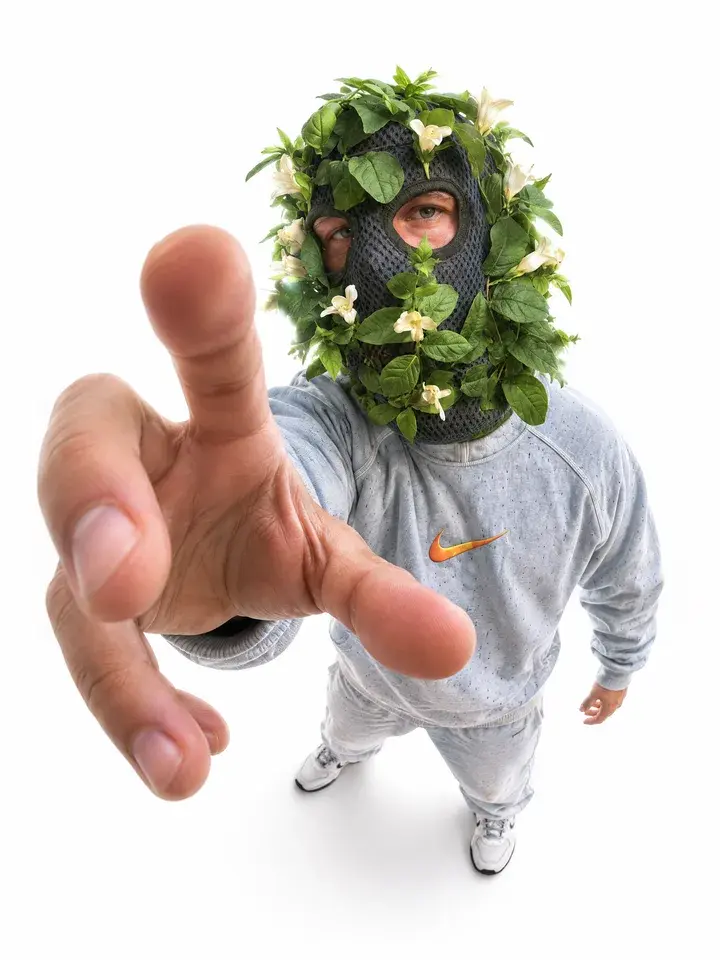
Use the uploaded image as the sole subject reference. Preserve the exact number of subjects, recognizable identity, underlying construction, colors, materials, surface texture, branding, typography and every defining detail. First analyze the subject’s geometry, pose, dominant axis and most expressive volumetric feature, then choose the camera position that presents its shape most powerfully. Use a different subject-specific viewing direction for every input, selecting the most effective low, elevated, frontal, side or three-quarter angle according to the form itself. Place the lens extremely close to the chosen foreground feature and photograph the subject with a 6mm ultra-wide fisheye close-focus lens. Strong visible wide-angle distortion is the defining effect of the image. Create extreme forced perspective, pronounced barrel distortion, dramatic foreshortening, bulging foreground volume, stretched peripheral geometry and rapid scale reduction into depth. The nearest part must appear approximately three times larger than the farthest part, while the rest of the subject visibly recedes away from the camera. Preserve the subject’s coherent structure so the transformation reads as real optical lens distortion rather than a redesigned shape. Maintain the extremely close camera position and use the ultra-wide field of view, subject orientation and framing to keep the complete silhouette visible. Keep every outermost point inside the image with a clean visible gap from every edge and approximately 8–12% white negative space surrounding the full subject. The final frame contains exactly the original number of subjects. For a flat logo, graphic or lettering, create a dimensional version with the original contours, typography and colors accurately preserved. Place the subject on a pure seamless white background with high-key diffused studio lighting, bright backlight, luminous rim glow, soft frontal fill, subtle bloom and airy highlights. Keep the enlarged foreground feature tactile and detailed, with gradual optical softness toward the distant parts. Contemporary premium editorial image, bold sculptural composition, playful monumental scale, polished photorealism, high resolution.
GPT Image 2.5 Sunburst
Copy
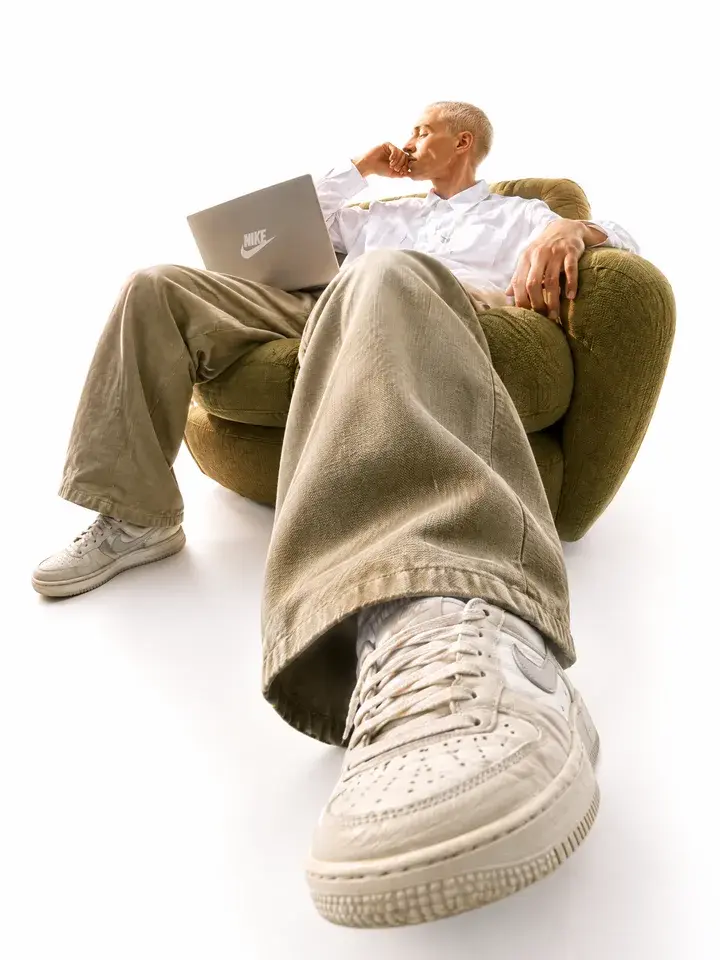
Use the uploaded image as the sole subject reference. Preserve the exact number of subjects, recognizable identity, underlying construction, colors, materials, surface texture, branding, typography and every defining detail. First analyze the subject’s geometry, pose, dominant axis and most expressive volumetric feature, then choose the camera position that presents its shape most powerfully. Use a different subject-specific viewing direction for every input, selecting the most effective low, elevated, frontal, side or three-quarter angle according to the form itself. Place the lens extremely close to the chosen foreground feature and photograph the subject with a 6mm ultra-wide fisheye close-focus lens. Strong visible wide-angle distortion is the defining effect of the image. Create extreme forced perspective, pronounced barrel distortion, dramatic foreshortening, bulging foreground volume, stretched peripheral geometry and rapid scale reduction into depth. The nearest part must appear approximately three times larger than the farthest part, while the rest of the subject visibly recedes away from the camera. Preserve the subject’s coherent structure so the transformation reads as real optical lens distortion rather than a redesigned shape. Maintain the extremely close camera position and use the ultra-wide field of view, subject orientation and framing to keep the complete silhouette visible. Keep every outermost point inside the image with a clean visible gap from every edge and approximately 8–12% white negative space surrounding the full subject. The final frame contains exactly the original number of subjects. For a flat logo, graphic or lettering, create a dimensional version with the original contours, typography and colors accurately preserved. Place the subject on a pure seamless white background with high-key diffused studio lighting, bright backlight, luminous rim glow, soft frontal fill, subtle bloom and airy highlights. Keep the enlarged foreground feature tactile and detailed, with gradual optical softness toward the distant parts. Contemporary premium editorial image, bold sculptural composition, playful monumental scale, polished photorealism, high resolution.

GPT Image 2.5 Flare
Copy
Use the uploaded image as the sole subject reference. Preserve the exact number of subjects, recognizable identity, underlying construction, colors, materials, surface texture, branding, typography and every defining detail. First analyze the subject’s geometry, pose, dominant axis and most expressive volumetric feature, then choose the camera position that presents its shape most powerfully. Use a different subject-specific viewing direction for every input, selecting the most effective low, elevated, frontal, side or three-quarter angle according to the form itself. Place the lens extremely close to the chosen foreground feature and photograph the subject with a 6mm ultra-wide fisheye close-focus lens. Strong visible wide-angle distortion is the defining effect of the image. Create extreme forced perspective, pronounced barrel distortion, dramatic foreshortening, bulging foreground volume, stretched peripheral geometry and rapid scale reduction into depth. The nearest part must appear approximately three times larger than the farthest part, while the rest of the subject visibly recedes away from the camera. Preserve the subject’s coherent structure so the transformation reads as real optical lens distortion rather than a redesigned shape. Maintain the extremely close camera position and use the ultra-wide field of view, subject orientation and framing to keep the complete silhouette visible. Keep every outermost point inside the image with a clean visible gap from every edge and approximately 8–12% white negative space surrounding the full subject. The final frame contains exactly the original number of subjects. For a flat logo, graphic or lettering, create a dimensional version with the original contours, typography and colors accurately preserved. Place the subject on a pure seamless white background with high-key diffused studio lighting, bright backlight, luminous rim glow, soft frontal fill, subtle bloom and airy highlights. Keep the enlarged foreground feature tactile and detailed, with gradual optical softness toward the distant parts. Contemporary premium editorial image, bold sculptural composition, playful monumental scale, polished photorealism, high resolution.

Seedream 5.0 Pro
Copy
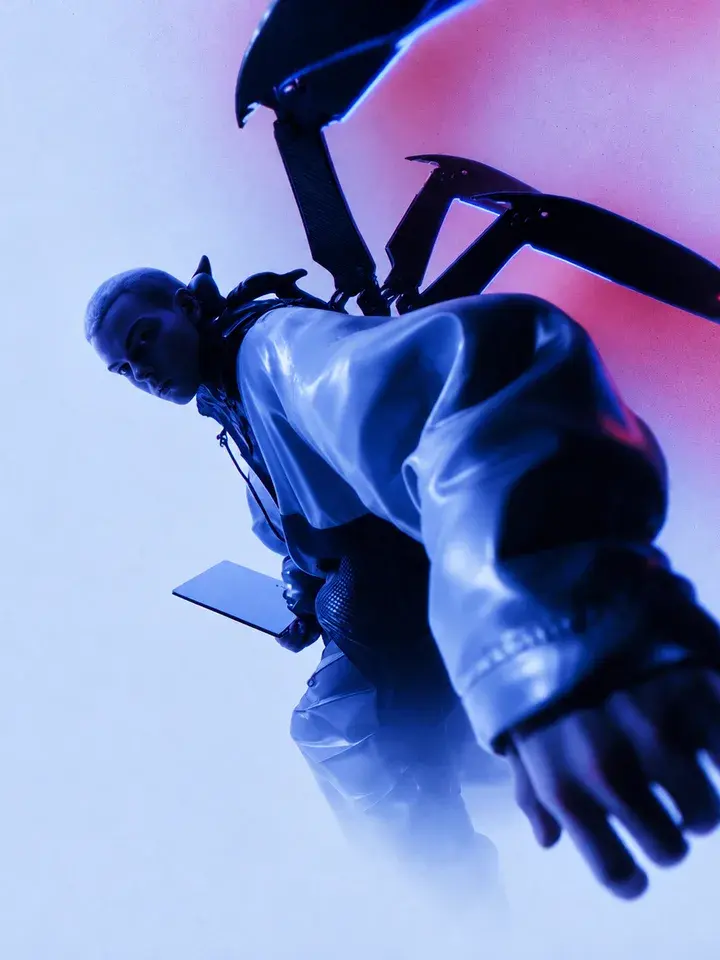
Use the uploaded image as the authoritative full-scene reference for both the main subject and the entire environment. Preserve the same recognizable person, character or object together with the same background, location and atmosphere. For a person, preserve the exact facial identity, face shape, age, skin tone, hairstyle, body type, clothing, fabrics, colors, patterns, logos, accessories and footwear. For an object, preserve its exact shape, construction, materials, textures, finish, colors, branding, graphics and correctly spelled text. Create a candid dynamic editorial moment with natural momentum, an asymmetrical body line, a subtle torso twist, limbs positioned across different depth planes and a clearly recognizable face. Let the nearest feature emerge organically from the movement and camera placement. Photograph the scene from an oblique subject-specific angle at point-blank range with an 8mm rectilinear ultra-wide close-focus lens. Extreme forced perspective is mandatory: the closest part appears four to five times larger than the farthest part, creating a dramatically expanded foreground, rapid scale reduction into depth, powerful foreshortening and stretched peripheral geometry. Keep the complete subject visible inside the frame with every outermost point preserved and a small amount of surrounding space. Retain the original background as the same identifiable place, preserving its architecture, landscape, furniture, objects, surfaces, colors, textures, signage, weather, time of day and lighting. Reconstruct the background consistently from the new camera position so its perspective lines, depth and peripheral areas respond naturally to the ultra-wide lens. Any newly revealed areas continue the original environment seamlessly. Integrate the subject naturally into the scene with matching light direction, color temperature, reflections, contact, depth and realistic shadows. Change only the camera position, lens perspective and natural motion of the subject while keeping the identity of the person, object and environment intact. The final image contains the original subject within the original recognizable setting, transformed into a bold dynamic ultra-wide photograph.

Nano Banana Pro
Copy
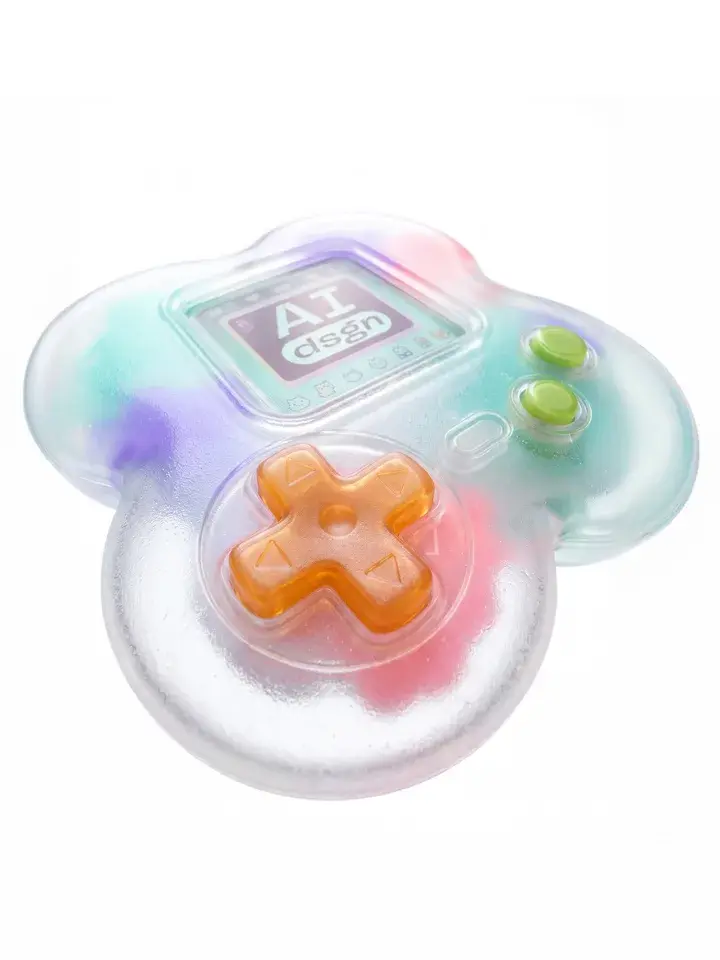
Use the uploaded image as the sole subject reference. Preserve the exact number of subjects, recognizable identity, underlying construction, colors, materials, surface texture, branding, typography and every defining detail. First analyze the subject’s geometry, pose, dominant axis and most expressive volumetric feature, then choose the camera position that presents its shape most powerfully. Use a different subject-specific viewing direction for every input, selecting the most effective low, elevated, frontal, side or three-quarter angle according to the form itself. Place the lens extremely close to the chosen foreground feature and photograph the subject with a 6mm ultra-wide fisheye close-focus lens. Strong visible wide-angle distortion is the defining effect of the image. Create extreme forced perspective, pronounced barrel distortion, dramatic foreshortening, bulging foreground volume, stretched peripheral geometry and rapid scale reduction into depth. The nearest part must appear approximately three times larger than the farthest part, while the rest of the subject visibly recedes away from the camera. Preserve the subject’s coherent structure so the transformation reads as real optical lens distortion rather than a redesigned shape. Maintain the extremely close camera position and use the ultra-wide field of view, subject orientation and framing to keep the complete silhouette visible. Keep every outermost point inside the image with a clean visible gap from every edge and approximately 8–12% white negative space surrounding the full subject. The final frame contains exactly the original number of subjects. For a flat logo, graphic or lettering, create a dimensional version with the original contours, typography and colors accurately preserved. Place the subject on a pure seamless white background with high-key diffused studio lighting, bright backlight, luminous rim glow, soft frontal fill, subtle bloom and airy highlights. Keep the enlarged foreground feature tactile and detailed, with gradual optical softness toward the distant parts. Contemporary premium editorial image, bold sculptural composition, playful monumental scale, polished photorealism, high resolution.
GPT Image 2.5 Flare
Copy
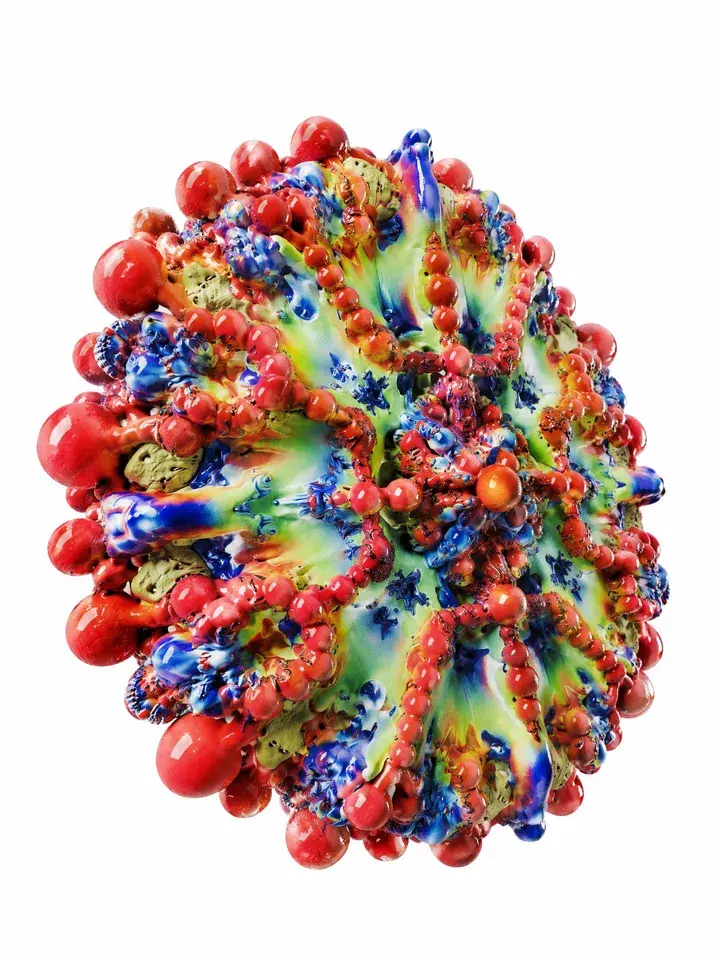
Use the uploaded image as the sole subject reference. Preserve the exact number of subjects, recognizable identity, underlying structure, silhouette, colors, materials, surface texture, branding, typography and every defining detail. One subject in the source produces one subject in the final image. First analyze the subject’s proportions, dominant axis, pose, most recognizable features, functional side and distribution of visual weight. Then choose a bespoke camera elevation, viewing side, rotation and tilt that reveal its strongest silhouette, create clear spatial depth and keep the defining details visible. Select the most flattering viewpoint for this specific subject, using a low, elevated, front three-quarter, side three-quarter or top-down angle according to its individual geometry. Every new subject receives its own compositionally appropriate viewpoint rather than a fixed frontal formula. Create a strong ultra-wide perspective with an 8–12mm close-focus lens, bringing one naturally prominent part closer to the camera while the remaining form gradually recedes into depth. Keep the perspective exaggeration bold yet controlled, with coherent anatomy, construction and connections between every part. Adjust the camera distance and subject scale until the complete silhouette fits comfortably inside the frame. Keep every outermost point fully visible, including limbs, hair, handles, edges, spikes, accessories and lettering. The subject occupies approximately 65–75% of the image area with generous clean white negative space on every side and a clear gap between the subject and every frame edge. Build the near-to-far depth axis around the subject’s natural shape and use an asymmetrical, balanced composition. For a flat logo, graphic or lettering, create a clean volumetric version while preserving its exact contours, typography and colors. Place the subject on a pure seamless white background with high-key diffused studio lighting, soft frontal fill, bright backlight, luminous rim glow, subtle bloom and airy highlights. Render the closest material details with tactile realism and use a gentle depth-of-field falloff toward the distant parts. Contemporary premium editorial campaign, clean art direction, playful monumental scale, polished photorealism, high resolution. The final image contains exactly the referenced subject or subjects and the white background.
GPT Image 2.5 Flare
Copy
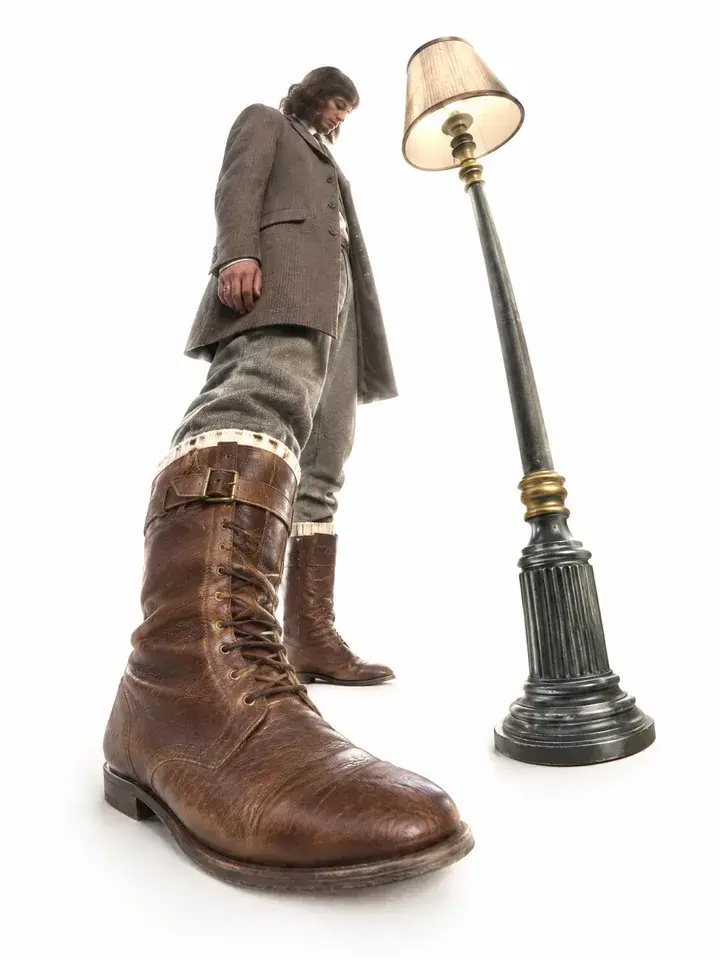
Use the uploaded image as the sole subject reference. Preserve the exact number of subjects, recognizable identity, underlying construction, colors, materials, surface texture, branding, typography and every defining detail. First analyze the subject’s geometry, pose, dominant axis and most expressive volumetric feature, then choose the camera position that presents its shape most powerfully. Use a different subject-specific viewing direction for every input, selecting the most effective low, elevated, frontal, side or three-quarter angle according to the form itself. Place the lens extremely close to the chosen foreground feature and photograph the subject with a 6mm ultra-wide fisheye close-focus lens. Strong visible wide-angle distortion is the defining effect of the image. Create extreme forced perspective, pronounced barrel distortion, dramatic foreshortening, bulging foreground volume, stretched peripheral geometry and rapid scale reduction into depth. The nearest part must appear approximately three times larger than the farthest part, while the rest of the subject visibly recedes away from the camera. Preserve the subject’s coherent structure so the transformation reads as real optical lens distortion rather than a redesigned shape. Maintain the extremely close camera position and use the ultra-wide field of view, subject orientation and framing to keep the complete silhouette visible. Keep every outermost point inside the image with a clean visible gap from every edge and approximately 8–12% white negative space surrounding the full subject. The final frame contains exactly the original number of subjects. For a flat logo, graphic or lettering, create a dimensional version with the original contours, typography and colors accurately preserved. Place the subject on a pure seamless white background with high-key diffused studio lighting, bright backlight, luminous rim glow, soft frontal fill, subtle bloom and airy highlights. Keep the enlarged foreground feature tactile and detailed, with gradual optical softness toward the distant parts. Contemporary premium editorial image, bold sculptural composition, playful monumental scale, polished photorealism, high resolution.
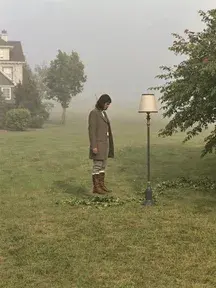
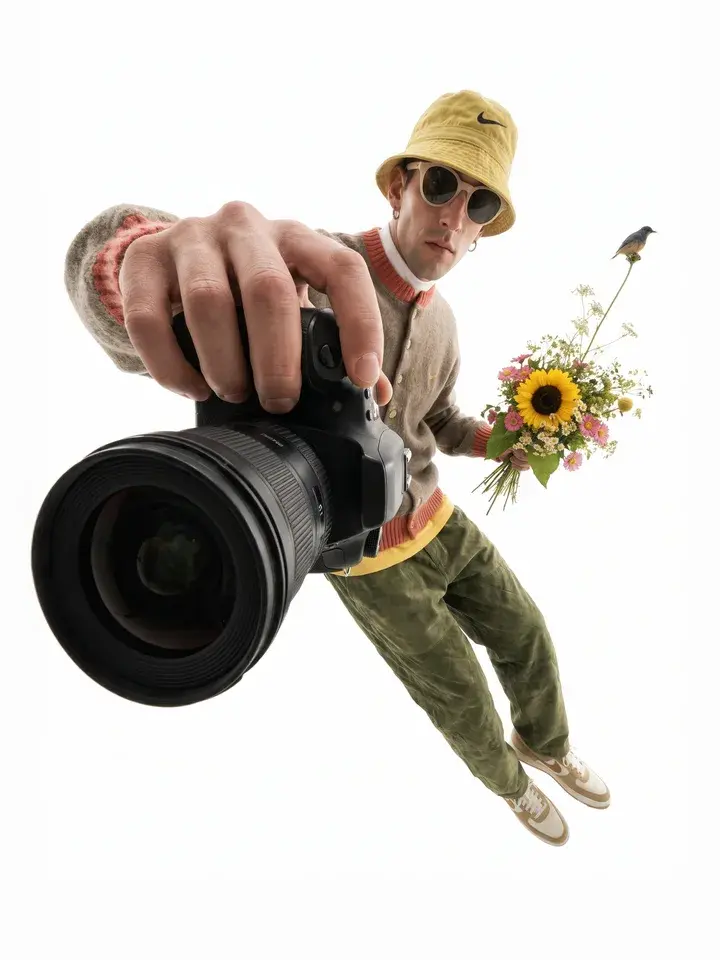
Nano Banana Pro
Copy
Use the uploaded image as the authoritative identity and appearance reference. Recreate exactly the same person, character or object one-to-one. The subject itself remains unchanged; only its spatial orientation, camera position and lens perspective change. For a person or character, preserve the exact facial identity, facial structure, distinctive features, age, skin tone, hairstyle, body proportions, pose and gesture. Keep the face clearly visible and instantly recognizable. Preserve the complete original outfit exactly, including every garment, silhouette, cut, fabric, texture, color, pattern, seam, fastening, logo, accessory, jewelry, bag and footwear. For an object, preserve its exact silhouette, underlying proportions, construction, number and placement of parts, materials, textures, surface finish, colors, transparency, reflections, wear, branding, graphics, labels and typography. Keep every logo and written element correctly spelled, legible and positioned on the original part of the object. Preserve the exact number of subjects and their defining relationships. Analyze the subject’s individual geometry and rotate the complete unchanged subject in three-dimensional space to create the strongest depth axis toward the camera. Choose the most expressive foreground anchor specifically for this subject while keeping its identity-defining features visible. Place this part extremely close to the lens and direct the opposite part deep into the background. Photograph from point-blank range with an 8mm rectilinear ultra-wide close-focus lens. Create unmistakable extreme wide-angle perspective with powerful foreshortening, an expanded foreground, stretched near-side geometry and rapid scale reduction into depth. The nearest part appears approximately three to four times larger than the farthest part. The deformation reads purely as optical perspective while the original anatomy, design and construction remain intact. Use the ultra-wide field of view and a carefully selected subject-specific angle to keep the complete silhouette inside the frame, with every outermost point visible and a narrow clean white gap around it. Suspend the subject weightlessly in an infinite pure-white space, fully separated from any physical surface. Create a groundless, shadowless environment with zero visible floor, horizon, support, cast shadow or contact shadow. Use high-key diffused backlighting, soft frontal fill, luminous rim light, airy highlights and subtle bloom. Keep the enlarged foreground tactile and detailed with gentle optical softness toward the distant parts. Clean contemporary editorial art direction, bold floating composition, polished photorealism, high-resolution material detail. The final image contains only the complete unchanged subject floating in white space.
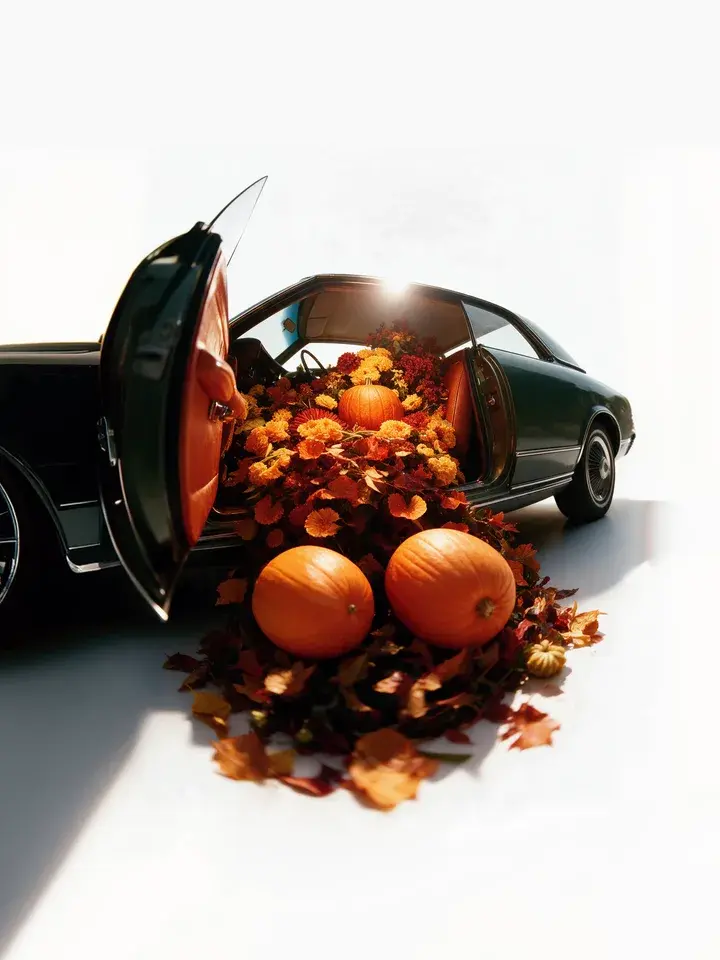
Seedream 5.0 Pro
Copy
Use the uploaded image as the sole subject reference. Preserve the exact number of subjects, recognizable identity, underlying construction, colors, materials, surface texture, branding, typography and every defining detail. First analyze the subject’s geometry, pose, dominant axis and most expressive volumetric feature, then choose the camera position that presents its shape most powerfully. Use a different subject-specific viewing direction for every input, selecting the most effective low, elevated, frontal, side or three-quarter angle according to the form itself. Place the lens extremely close to the chosen foreground feature and photograph the subject with a 6mm ultra-wide fisheye close-focus lens. Strong visible wide-angle distortion is the defining effect of the image. Create extreme forced perspective, pronounced barrel distortion, dramatic foreshortening, bulging foreground volume, stretched peripheral geometry and rapid scale reduction into depth. The nearest part must appear approximately three times larger than the farthest part, while the rest of the subject visibly recedes away from the camera. Preserve the subject’s coherent structure so the transformation reads as real optical lens distortion rather than a redesigned shape. Maintain the extremely close camera position and use the ultra-wide field of view, subject orientation and framing to keep the complete silhouette visible. Keep every outermost point inside the image with a clean visible gap from every edge and approximately 8–12% white negative space surrounding the full subject. The final frame contains exactly the original number of subjects. For a flat logo, graphic or lettering, create a dimensional version with the original contours, typography and colors accurately preserved. Place the subject on a pure seamless white background with high-key diffused studio lighting, bright backlight, luminous rim glow, soft frontal fill, subtle bloom and airy highlights. Keep the enlarged foreground feature tactile and detailed, with gradual optical softness toward the distant parts. Contemporary premium editorial image, bold sculptural composition, playful monumental scale, polished photorealism, high resolution.
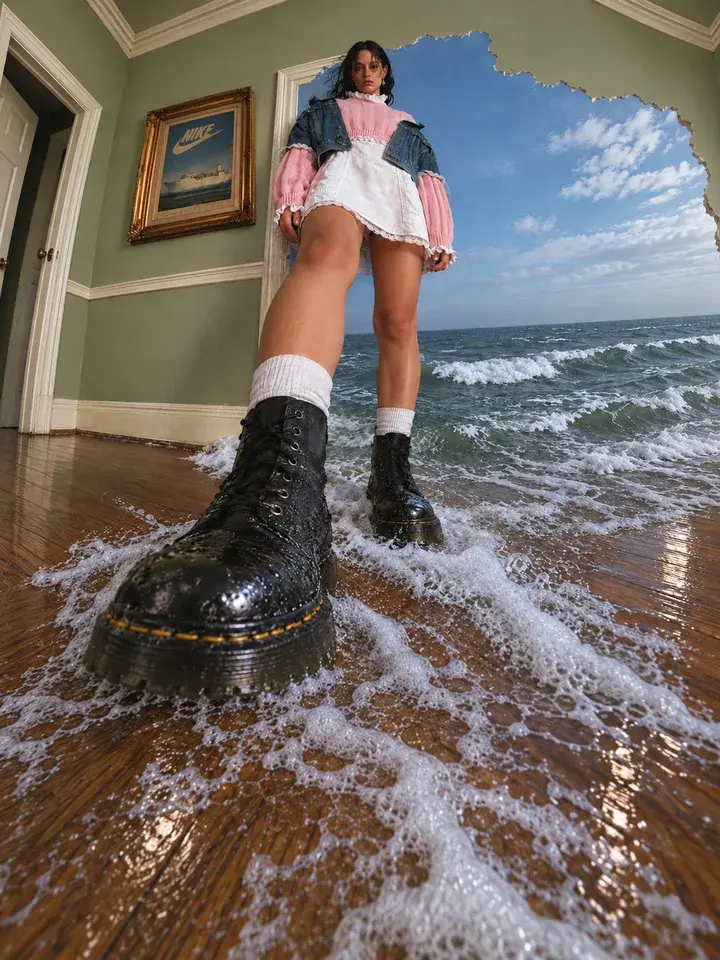
GPT Image 2.5 Flare
Copy
Use the uploaded image as the sole visual reference for both the subject and the environment. Preserve the exact number of subjects, recognizable identity, underlying construction, colors, materials, surface texture, branding, typography and every defining detail. First analyze the subject’s geometry, pose, dominant axis and most expressive volumetric feature, then choose the camera position that presents its shape most powerfully. Use a different subject-specific viewing direction for every input, selecting the most effective low, elevated, frontal, side or three-quarter angle according to the form itself. Place the camera extremely close to the chosen foreground feature and photograph the subject with an 8mm full-frame rectilinear ultra-wide close-focus lens using complete rectangular edge-to-edge coverage. Strong visible wide-angle distortion is the defining effect of the image. Create extreme forced perspective, dramatic foreshortening, powerful foreground expansion, stretched peripheral geometry and rapid scale reduction into depth. The nearest part must appear approximately three times larger than the farthest part, while the rest of the subject visibly recedes away from the camera. Preserve the subject’s coherent structure so the transformation reads as real optical perspective rather than a redesigned shape. Maintain the extremely close camera position and use the ultra-wide field of view, subject orientation and framing to keep the complete silhouette visible. Keep every outermost point inside the image with a clean visible gap from every edge and approximately 8–12% of the original environment surrounding the full subject. The final frame contains exactly the original number of subjects. For a flat logo, graphic or lettering, create a dimensional version with the original contours, typography and colors accurately preserved. Retain the same recognizable background, location and surrounding elements from the uploaded image, including its architecture, landscape, furniture, objects, surfaces, colors, textures, signage, weather, time of day and atmosphere. Preserve the original light direction, softness, contrast, color temperature, reflections and overall mood. Reproject the environment consistently from the new camera position so its depth, scale and perspective respond naturally to the ultra-wide viewpoint, with newly revealed areas continuing the original setting seamlessly. Keep the enlarged foreground feature tactile and detailed, with gradual optical softness toward the distant parts. The environment continues naturally into all four corners of the rectangular frame. Contemporary premium editorial image, bold sculptural composition, playful monumental scale, polished photorealism, high resolution.
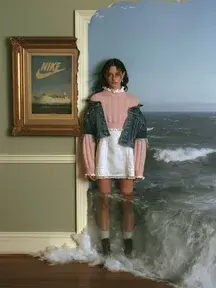
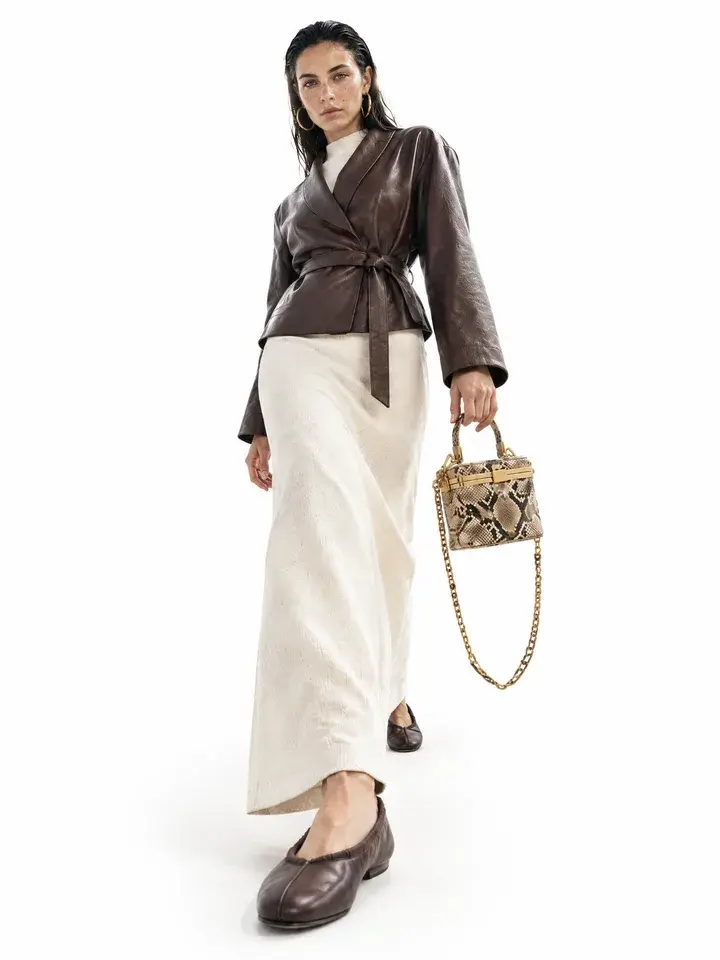
GPT Image 2.5 Flare
Copy
Use the uploaded image as the sole subject reference. Preserve the exact number of subjects, recognizable identity, underlying structure, silhouette, colors, materials, surface texture, branding, typography and every defining detail. One subject in the source produces one subject in the final image. First analyze the subject’s proportions, dominant axis, pose, most recognizable features, functional side and distribution of visual weight. Then choose a bespoke camera elevation, viewing side, rotation and tilt that reveal its strongest silhouette, create clear spatial depth and keep the defining details visible. Select the most flattering viewpoint for this specific subject, using a low, elevated, front three-quarter, side three-quarter or top-down angle according to its individual geometry. Every new subject receives its own compositionally appropriate viewpoint rather than a fixed frontal formula. Create a strong ultra-wide perspective with an 8–12mm close-focus lens, bringing one naturally prominent part closer to the camera while the remaining form gradually recedes into depth. Keep the perspective exaggeration bold yet controlled, with coherent anatomy, construction and connections between every part. Adjust the camera distance and subject scale until the complete silhouette fits comfortably inside the frame. Keep every outermost point fully visible, including limbs, hair, handles, edges, spikes, accessories and lettering. The subject occupies approximately 65–75% of the image area with generous clean white negative space on every side and a clear gap between the subject and every frame edge. Build the near-to-far depth axis around the subject’s natural shape and use an asymmetrical, balanced composition. For a flat logo, graphic or lettering, create a clean volumetric version while preserving its exact contours, typography and colors. Place the subject on a pure seamless white background with high-key diffused studio lighting, soft frontal fill, bright backlight, luminous rim glow, subtle bloom and airy highlights. Render the closest material details with tactile realism and use a gentle depth-of-field falloff toward the distant parts. Contemporary premium editorial campaign, clean art direction, playful monumental scale, polished photorealism, high resolution. The final image contains exactly the referenced subject or subjects and the white background.

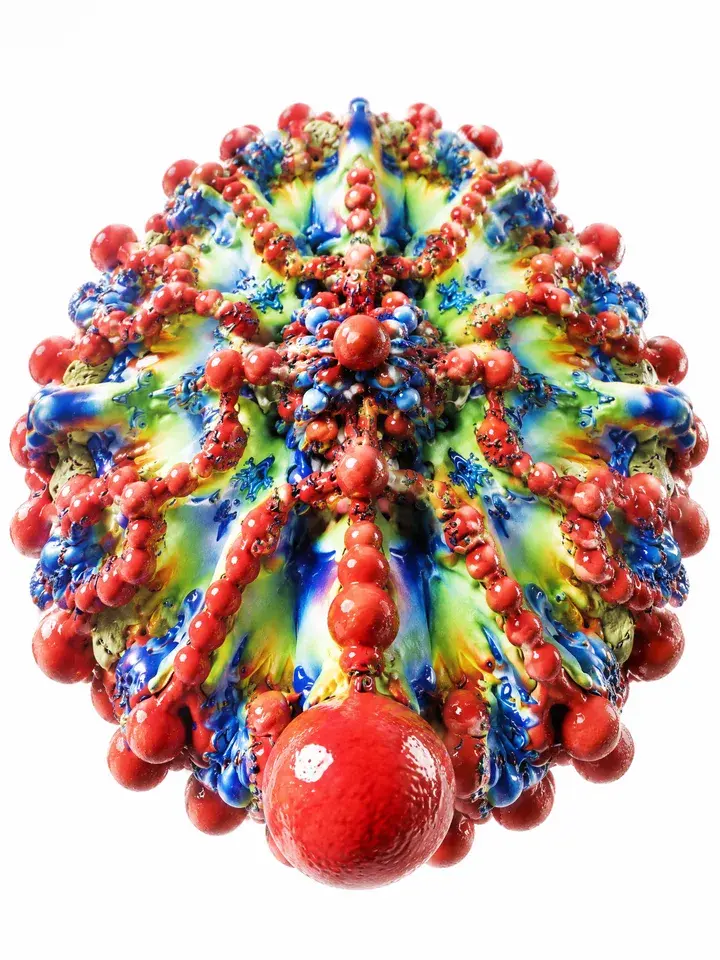
GPT Image 2.5 Flare
Copy
Use the uploaded image as the sole subject reference. Preserve the exact number of subjects, recognizable identity, underlying construction, colors, materials, surface texture, branding, typography and every defining detail. First analyze the subject’s geometry, pose, dominant axis and most expressive volumetric feature, then choose the camera position that presents its shape most powerfully. Use a different subject-specific viewing direction for every input, selecting the most effective low, elevated, frontal, side or three-quarter angle according to the form itself. Place the lens extremely close to the chosen foreground feature and photograph the subject with a 6mm ultra-wide fisheye close-focus lens. Strong visible wide-angle distortion is the defining effect of the image. Create extreme forced perspective, pronounced barrel distortion, dramatic foreshortening, bulging foreground volume, stretched peripheral geometry and rapid scale reduction into depth. The nearest part must appear approximately three times larger than the farthest part, while the rest of the subject visibly recedes away from the camera. Preserve the subject’s coherent structure so the transformation reads as real optical lens distortion rather than a redesigned shape. Maintain the extremely close camera position and use the ultra-wide field of view, subject orientation and framing to keep the complete silhouette visible. Keep every outermost point inside the image with a clean visible gap from every edge and approximately 8–12% white negative space surrounding the full subject. The final frame contains exactly the original number of subjects. For a flat logo, graphic or lettering, create a dimensional version with the original contours, typography and colors accurately preserved. Place the subject on a pure seamless white background with high-key diffused studio lighting, bright backlight, luminous rim glow, soft frontal fill, subtle bloom and airy highlights. Keep the enlarged foreground feature tactile and detailed, with gradual optical softness toward the distant parts. Contemporary premium editorial image, bold sculptural composition, playful monumental scale, polished photorealism, high resolution.
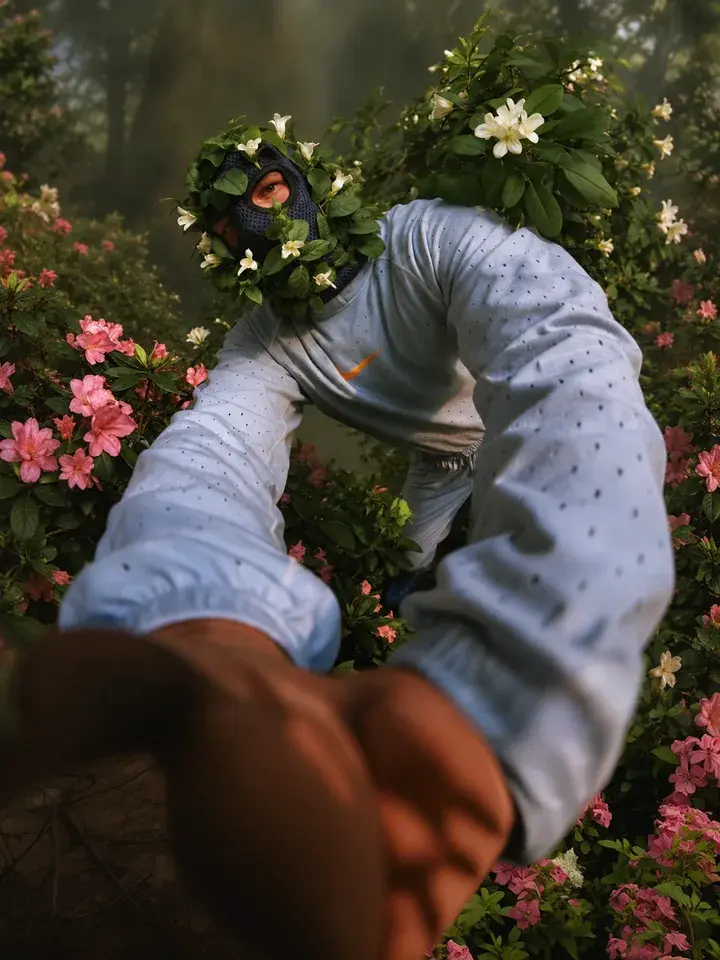
Seedream 5.0 Pro
Copy
Use the uploaded image as the authoritative full-scene reference for both the main subject and the entire environment. Preserve the same recognizable person, character or object together with the same background, location and atmosphere. For a person, preserve the exact facial identity, face shape, age, skin tone, hairstyle, body type, clothing, fabrics, colors, patterns, logos, accessories and footwear. For an object, preserve its exact shape, construction, materials, textures, finish, colors, branding, graphics and correctly spelled text. Create a candid dynamic editorial moment with natural momentum, an asymmetrical body line, a subtle torso twist, limbs positioned across different depth planes and a clearly recognizable face. Let the nearest feature emerge organically from the movement and camera placement. Photograph the scene from an oblique subject-specific angle at point-blank range with an 8mm rectilinear ultra-wide close-focus lens. Extreme forced perspective is mandatory: the closest part appears four to five times larger than the farthest part, creating a dramatically expanded foreground, rapid scale reduction into depth, powerful foreshortening and stretched peripheral geometry. Keep the complete subject visible inside the frame with every outermost point preserved and a small amount of surrounding space. Retain the original background as the same identifiable place, preserving its architecture, landscape, furniture, objects, surfaces, colors, textures, signage, weather, time of day and lighting. Reconstruct the background consistently from the new camera position so its perspective lines, depth and peripheral areas respond naturally to the ultra-wide lens. Any newly revealed areas continue the original environment seamlessly. Integrate the subject naturally into the scene with matching light direction, color temperature, reflections, contact, depth and realistic shadows. Change only the camera position, lens perspective and natural motion of the subject while keeping the identity of the person, object and environment intact. The final image contains the original subject within the original recognizable setting, transformed into a bold dynamic ultra-wide photograph.
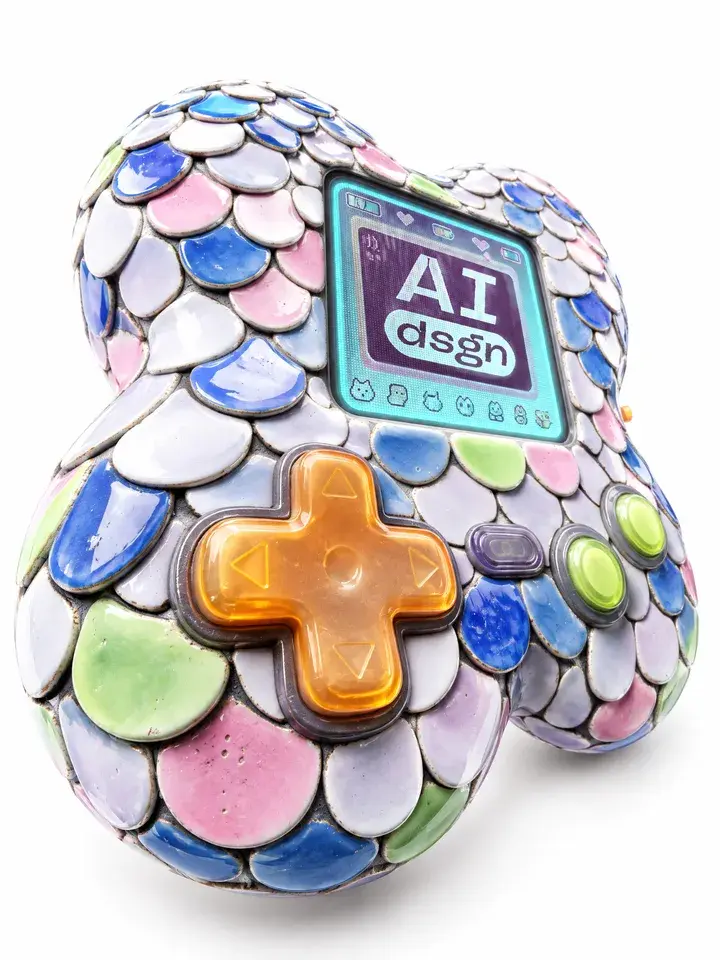
GPT Image 2.5 Flare
Copy
Use the uploaded image as the sole subject reference. Preserve the exact number of subjects, recognizable identity, underlying construction, colors, materials, surface texture, branding, typography and every defining detail. First analyze the subject’s geometry, pose, dominant axis and most expressive volumetric feature, then choose the camera position that presents its shape most powerfully. Use a different subject-specific viewing direction for every input, selecting the most effective low, elevated, frontal, side or three-quarter angle according to the form itself. Place the lens extremely close to the chosen foreground feature and photograph the subject with a 6mm ultra-wide fisheye close-focus lens. Strong visible wide-angle distortion is the defining effect of the image. Create extreme forced perspective, pronounced barrel distortion, dramatic foreshortening, bulging foreground volume, stretched peripheral geometry and rapid scale reduction into depth. The nearest part must appear approximately three times larger than the farthest part, while the rest of the subject visibly recedes away from the camera. Preserve the subject’s coherent structure so the transformation reads as real optical lens distortion rather than a redesigned shape. Maintain the extremely close camera position and use the ultra-wide field of view, subject orientation and framing to keep the complete silhouette visible. Keep every outermost point inside the image with a clean visible gap from every edge and approximately 8–12% white negative space surrounding the full subject. The final frame contains exactly the original number of subjects. For a flat logo, graphic or lettering, create a dimensional version with the original contours, typography and colors accurately preserved. Place the subject on a pure seamless white background with high-key diffused studio lighting, bright backlight, luminous rim glow, soft frontal fill, subtle bloom and airy highlights. Keep the enlarged foreground feature tactile and detailed, with gradual optical softness toward the distant parts. Contemporary premium editorial image, bold sculptural composition, playful monumental scale, polished photorealism, high resolution.

Seedream 5.0 Pro
Copy
Use the uploaded image as the sole subject reference. Preserve the exact number of subjects, recognizable identity, underlying construction, colors, materials, surface texture, branding, typography and every defining detail. First analyze the subject’s geometry, pose, dominant axis and most expressive volumetric feature, then choose the camera position that presents its shape most powerfully. Use a different subject-specific viewing direction for every input, selecting the most effective low, elevated, frontal, side or three-quarter angle according to the form itself. Place the lens extremely close to the chosen foreground feature and photograph the subject with a 6mm ultra-wide fisheye close-focus lens. Strong visible wide-angle distortion is the defining effect of the image. Create extreme forced perspective, pronounced barrel distortion, dramatic foreshortening, bulging foreground volume, stretched peripheral geometry and rapid scale reduction into depth. The nearest part must appear approximately three times larger than the farthest part, while the rest of the subject visibly recedes away from the camera. Preserve the subject’s coherent structure so the transformation reads as real optical lens distortion rather than a redesigned shape. Maintain the extremely close camera position and use the ultra-wide field of view, subject orientation and framing to keep the complete silhouette visible. Keep every outermost point inside the image with a clean visible gap from every edge and approximately 8–12% white negative space surrounding the full subject. The final frame contains exactly the original number of subjects. For a flat logo, graphic or lettering, create a dimensional version with the original contours, typography and colors accurately preserved. Place the subject on a pure seamless white background with high-key diffused studio lighting, bright backlight, luminous rim glow, soft frontal fill, subtle bloom and airy highlights. Keep the enlarged foreground feature tactile and detailed, with gradual optical softness toward the distant parts. Contemporary premium editorial image, bold sculptural composition, playful monumental scale, polished photorealism, high resolution.
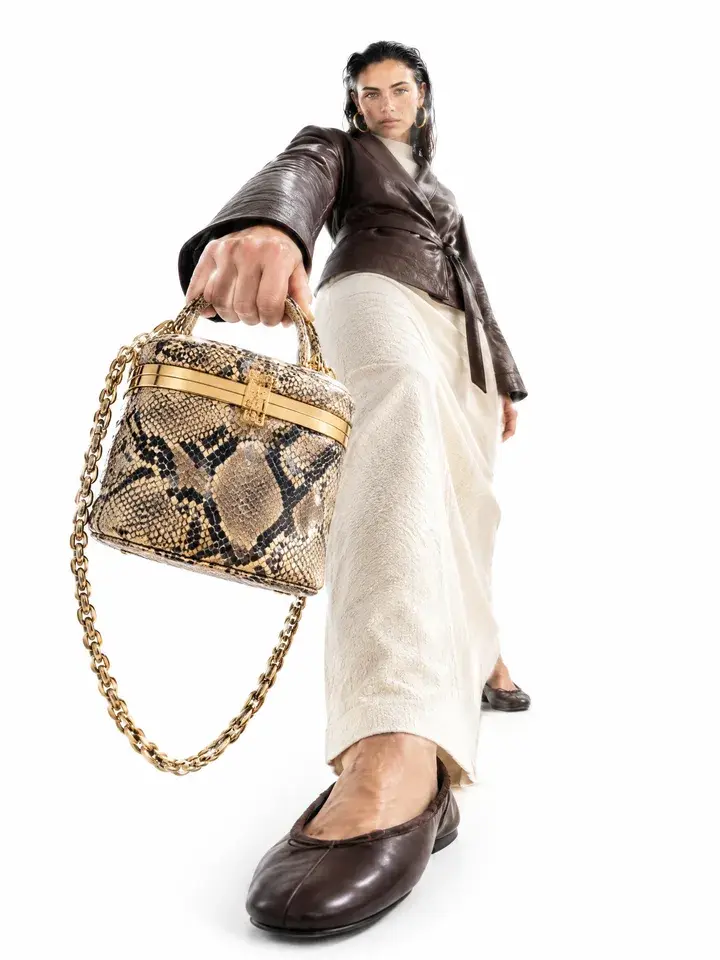
GPT Image 2.5 Flare
Copy
Use the uploaded image as the sole subject reference. Preserve the exact number of subjects, recognizable identity, underlying construction, colors, materials, surface texture, branding, typography and every defining detail. First analyze the subject’s geometry, pose, dominant axis and most expressive volumetric feature, then choose the camera position that presents its shape most powerfully. Use a different subject-specific viewing direction for every input, selecting the most effective low, elevated, frontal, side or three-quarter angle according to the form itself. Place the lens extremely close to the chosen foreground feature and photograph the subject with a 6mm ultra-wide fisheye close-focus lens. Strong visible wide-angle distortion is the defining effect of the image. Create extreme forced perspective, pronounced barrel distortion, dramatic foreshortening, bulging foreground volume, stretched peripheral geometry and rapid scale reduction into depth. The nearest part must appear approximately three times larger than the farthest part, while the rest of the subject visibly recedes away from the camera. Preserve the subject’s coherent structure so the transformation reads as real optical lens distortion rather than a redesigned shape. Maintain the extremely close camera position and use the ultra-wide field of view, subject orientation and framing to keep the complete silhouette visible. Keep every outermost point inside the image with a clean visible gap from every edge and approximately 8–12% white negative space surrounding the full subject. The final frame contains exactly the original number of subjects. For a flat logo, graphic or lettering, create a dimensional version with the original contours, typography and colors accurately preserved. Place the subject on a pure seamless white background with high-key diffused studio lighting, bright backlight, luminous rim glow, soft frontal fill, subtle bloom and airy highlights. Keep the enlarged foreground feature tactile and detailed, with gradual optical softness toward the distant parts. Contemporary premium editorial image, bold sculptural composition, playful monumental scale, polished photorealism, high resolution.
Для объектов

GPT Image 2.5 Flare
Copy
Use the uploaded image as the sole subject reference. Recreate the same object, product, character, creature, sculpture, logo or lettering with its recognizable identity, underlying structure, silhouette, colors, materials, surface texture, branding and every defining detail faithfully preserved. Change only the camera perspective. Photograph the subject from an extremely close dynamic three-quarter viewpoint using an 8–10mm ultra-wide close-focus lens, positioning the camera only a few centimeters from one naturally prominent part of the subject. Let this closest area dominate the foreground at a dramatically exaggerated scale while the remaining form rapidly tapers and recedes into depth, creating intense forced perspective, powerful foreshortening and a bold sculptural silhouette. Select the foreground anchor according to the subject’s own geometry and pose so the result remains instantly recognizable and compositionally strong. Keep the distortion optical and perspective-driven while maintaining coherent anatomy, construction and connections between every part. Fill most of the frame with one isolated subject and build the composition along a pronounced near-to-far depth axis. For a flat logo, graphic or lettering, create a clean volumetric version while preserving its exact contours, typography and colors. Place the subject on a pure seamless white background with high-key diffused studio lighting, soft frontal fill, bright backlight, luminous rim glow, subtle bloom and airy overexposed highlights. Render the closest material details with tactile realism and create a gentle depth-of-field falloff toward the distant parts. Contemporary premium editorial campaign, clean art direction, playful monumental scale, polished photorealism, high resolution. Deliver a clean final image containing only the transformed subject and the white background.

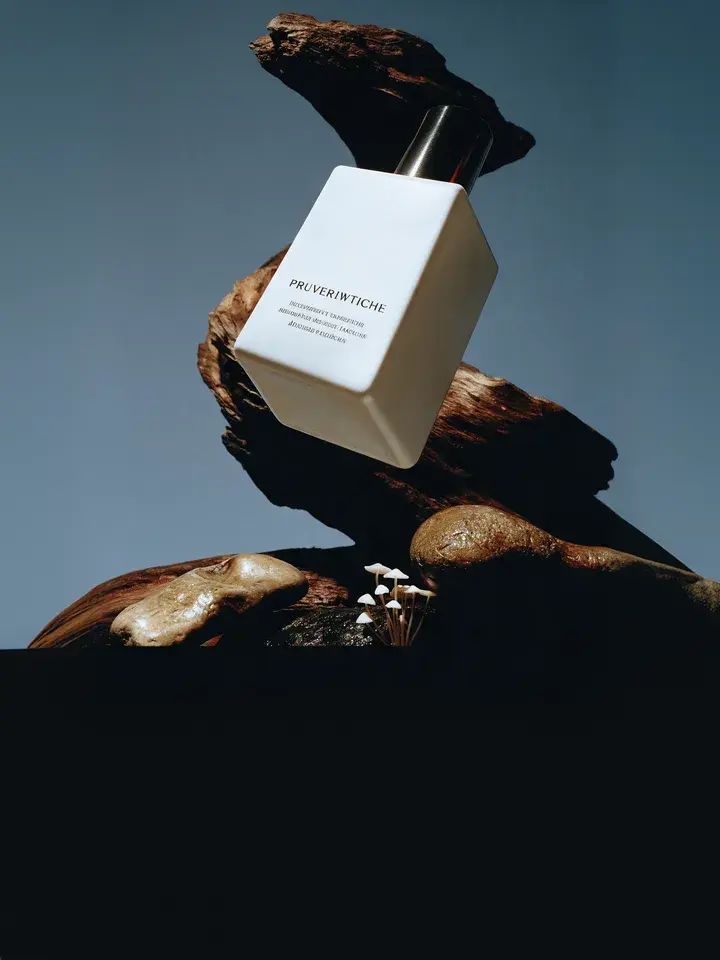
Seedream 5.0 Pro
Copy
Use the uploaded image as the visual source and preserve the object’s exact recognizable shape, construction, proportions, colors, materials, textures, patterns, logos, inscriptions and placement of every detail. Rebuild the composition around extreme object-specific foreshortening. Analyze the silhouette and identify the two most widely separated structural points, the principal three-dimensional axis and the broadest, heaviest or most distinctive endpoint. Direct this individual axis almost straight toward the camera, placing the selected endpoint only 5–15 cm from the lens while the opposite endpoint recedes deeply away from it. The nearest section occupies 45–60% of the composition and appears three to five times larger than the farthest section. For a compact object, construct the depth axis between its most distinctive asymmetrical feature and the opposite contour point. The frontal surface turns into a sharply receding plane while every identifying feature remains readable. Use a 10 mm rectilinear ultra-wide perspective with clean rectangular edge-to-edge coverage, uninterrupted corners and the lens completely outside the photograph. Prioritize severe near-to-far scale change, elongated depth and dramatic perspective shortening over a balanced frontal product view. Levitate the object freely in the original environment with visible empty space beneath and around it, zero support, zero surface contact and zero cast or contact shadow. Keep the entire object and every attached component inside the frame with a narrow margin of breathing room. Preserve the original background, lighting, colors and atmosphere, transformed consistently by the new camera position. The chosen foreground endpoint, depth direction, rotation and camera height must arise from the unique geometry of each uploaded object, creating a different dramatic viewpoint for every input.
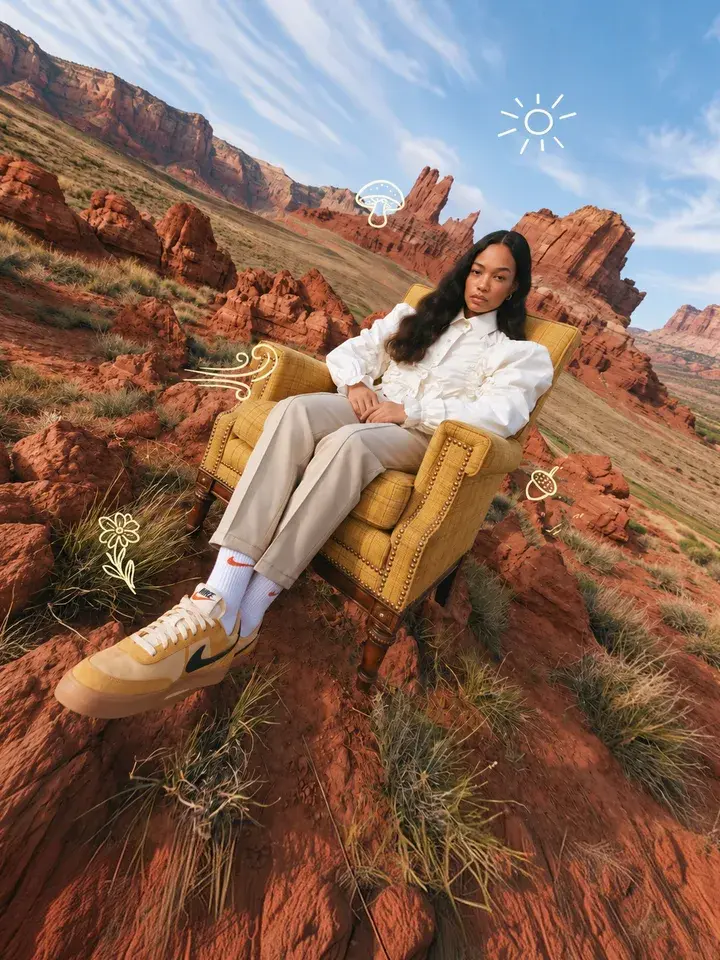
Nano Banana Pro
Copy
Use the uploaded image as the visual source and preserve the object’s exact recognizable shape, construction, proportions, colors, materials, textures, patterns, logos, inscriptions and placement of every detail. Analyze this specific object before composing the shot: identify its strongest asymmetrical feature, dominant spatial axis, direction of visual weight, most expressive contour and the angle from which its construction looks most distinctive. Build the camera position from these individual characteristics so every new object receives its own viewpoint. A protruding feature creates an axial view along its direction, a flat construction creates a grazing lateral view, a vertically weighted form creates an upper or lower oblique view, and a compact symmetrical form rotates toward its most distinctive side while its identifying front details remain readable. Position the object across several depth planes, with one structurally meaningful area close to the camera and the opposite area receding sharply, creating an obvious difference in scale through real near-to-far perspective. Use a 10–12 mm rectilinear ultra-wide lens with full-sensor edge-to-edge coverage, a clean rectangular photographic frame and uninterrupted background extending naturally into all four corners. The lens, glass, housing, circular border and dark rim remain completely outside the image. Levitate the object freely in the original environment with a clear air gap around and beneath it, zero surface contact, zero support and zero cast or contact shadow below. Give the object an input-specific spatial rotation around its natural construction axis rather than a standard centered product orientation. Keep the complete object and every attached element fully inside the frame with breathing room around the silhouette. Preserve the original background, lighting, colors and atmosphere, transformed consistently by the new camera position. The result feels sculptural, dynamic and editorial, with strong wide-angle perspective created by proximity and depth while the object remains completely recognizable.

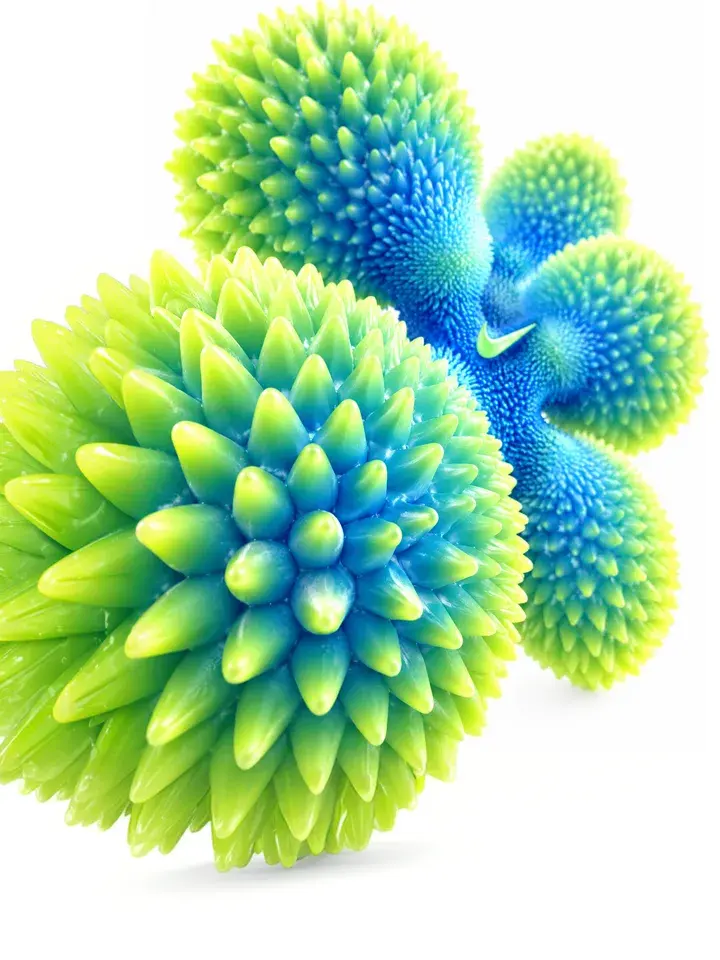
GPT Image 2.5 Flare
Copy
Use the uploaded image as the sole subject reference. Recreate the same object, product, character, creature, sculpture, logo or lettering with its recognizable identity, underlying structure, silhouette, colors, materials, surface texture, branding and every defining detail faithfully preserved. Change only the camera perspective. Photograph the subject from an extremely close dynamic three-quarter viewpoint using an 8–10mm ultra-wide close-focus lens, positioning the camera only a few centimeters from one naturally prominent part of the subject. Let this closest area dominate the foreground at a dramatically exaggerated scale while the remaining form rapidly tapers and recedes into depth, creating intense forced perspective, powerful foreshortening and a bold sculptural silhouette. Select the foreground anchor according to the subject’s own geometry and pose so the result remains instantly recognizable and compositionally strong. Keep the distortion optical and perspective-driven while maintaining coherent anatomy, construction and connections between every part. Fill most of the frame with one isolated subject and build the composition along a pronounced near-to-far depth axis. For a flat logo, graphic or lettering, create a clean volumetric version while preserving its exact contours, typography and colors. Place the subject on a pure seamless white background with high-key diffused studio lighting, soft frontal fill, bright backlight, luminous rim glow, subtle bloom and airy overexposed highlights. Render the closest material details with tactile realism and create a gentle depth-of-field falloff toward the distant parts. Contemporary premium editorial campaign, clean art direction, playful monumental scale, polished photorealism, high resolution. Deliver a clean final image containing only the transformed subject and the white background.
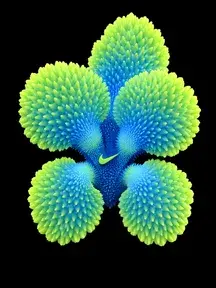
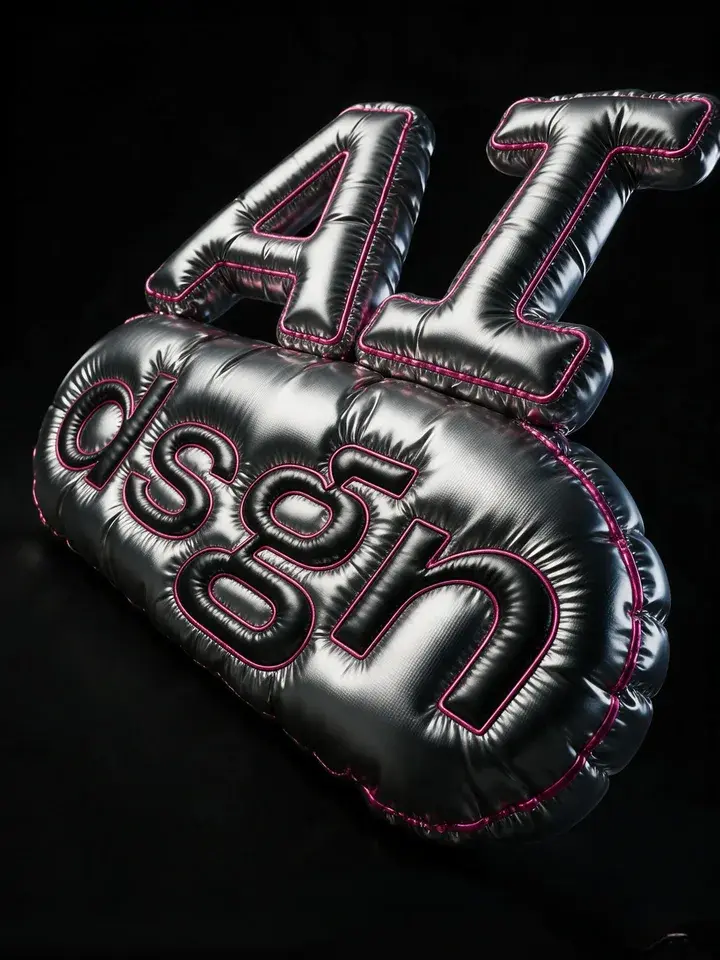
Seedream 5 Pro
Copy
Use the uploaded image as the authoritative full-scene reference for the object and its environment. Preserve the exact number of objects and each object’s recognizable silhouette, rigid construction, proportions, number and placement of parts, colors, materials, textures, patterns, finish, logos, inscriptions and every identifying detail. Preserve the same recognizable background, location, surrounding objects, architecture or landscape, lighting, colors and atmosphere. Analyze the silhouette, principal three-dimensional axis, two most widely separated structural points and the broadest, heaviest or most distinctive volume, then choose a unique camera side, height, tilt and rotation derived from this specific construction. Treat the object as an unchanged rigid volume and create all exaggeration through camera position and perspective. For an elongated object, point its length almost directly toward the camera; for a flat or compact object, turn its main face 55–75 degrees away from the image plane and direct its strongest edge or corner toward the camera; for an asymmetrical object, align its most distinctive volume with the opposite contour point. Position an extreme rectilinear ultra-wide close-focus virtual camera closer to the foreground surface than the object’s own front-to-back depth. The nearest section occupies 50–65% of the composition and appears four to six times larger than the farthest section. Create a continuous scale cascade across the whole object through dramatically expanded near geometry, rapid reduction into depth, severe foreshortening, peripheral stretching and strongly converging structural lines. Build this perspective transformation first, then extend the surrounding canvas until the complete distorted silhouette fits inside the image with 8–12% breathing room. Levitate the object freely within the original environment, with visible open air beneath and around it, complete separation from surrounding surfaces and shadowless suspension. Reproject the same identifiable background consistently from the new viewpoint. The image fills the complete rectangular canvas edge to edge with natural background imagery in all four corners; optical hardware, circular image boundaries, black rims and vignetting are entirely absent.

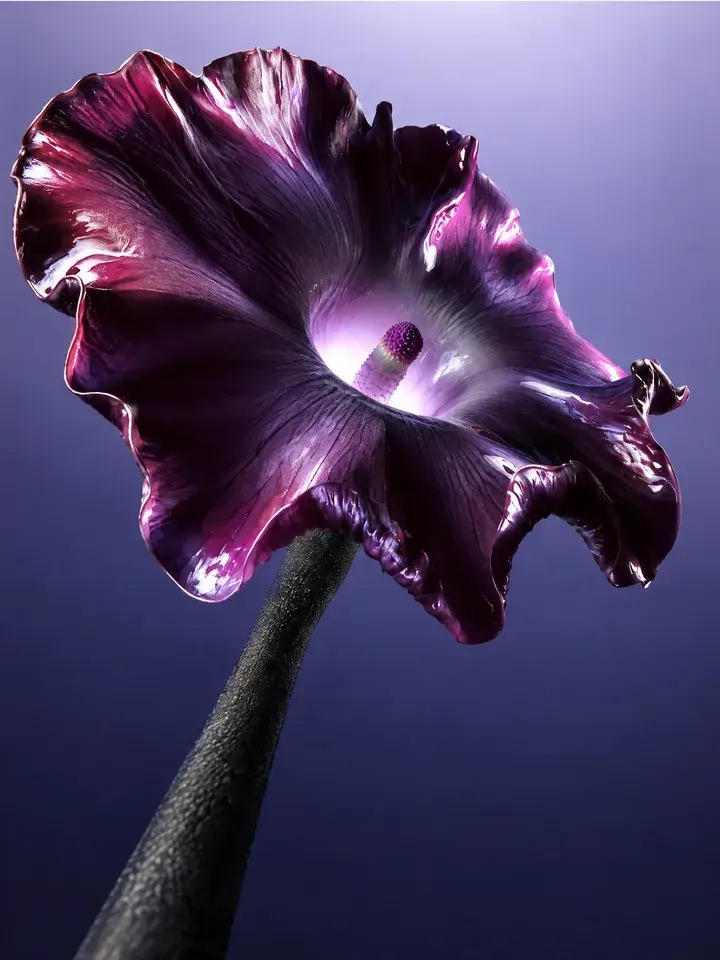
GPT Image 2.5 Flare
Copy
Edit the uploaded image itself rather than generating a new scene. Use it as the sole source for the object and environment. Preserve the exact number of objects and each object’s recognizable silhouette, rigid construction, proportions, number and placement of parts, colors, materials, textures, patterns, finish, branding, inscriptions and small identifying details. Change only the spatial projection, object orientation and viewpoint. Analyze the object’s geometry, dominant three-dimensional axis, two most widely separated structural points and strongest asymmetrical feature, then select a viewing direction unique to that construction. Direct the length of an elongated form deeply toward the viewpoint; turn the main surface of a flat or compact form 60–75 degrees across the depth axis and bring its strongest edge or corner forward; align a projecting functional part with the opposite contour of an irregular form. Position the virtual viewpoint closer to the nearest surface than the object’s own front-to-back depth. The nearest structural zone occupies 50–65% of the composition and appears four to six times larger than the farthest zone. Create a continuous perspective gradient through the complete object, with expanded near geometry, rapid scale reduction, severe foreshortening, stretched peripheral space and strongly converging structural lines. Form the extreme perspective first, then expand the surrounding composition until the entire distorted silhouette and every attached component fit inside the image with 8–12% breathing room. Suspend the object freely in the same recognizable environment with visible open air beneath and around it, complete separation from surrounding surfaces and clean shadowless levitation. Retain the source background elements, location, colors, lighting and atmosphere, applying the same spatial projection coherently across the scene. Present the result as a standard rectangular edge-to-edge image with continuous environment reaching all four corners, intact construction, readable branding and detailed photorealism.

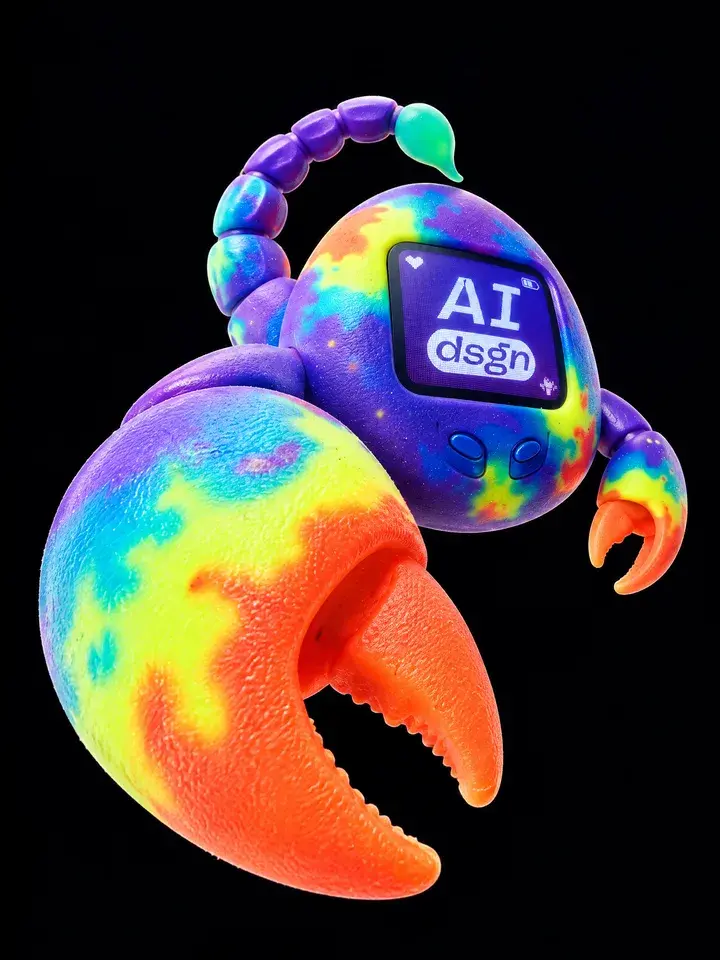
GPT Image 2.5 Flare
Copy
Use the uploaded image as the visual source and preserve the object’s exact recognizable shape, construction, proportions, colors, materials, textures, patterns, logos, inscriptions and placement of every detail. Rebuild the composition around extreme object-specific foreshortening. Analyze the silhouette and identify the two most widely separated structural points, the principal three-dimensional axis and the broadest, heaviest or most distinctive endpoint. Direct this individual axis almost straight toward the camera, placing the selected endpoint only 5–15 cm from the lens while the opposite endpoint recedes deeply away from it. The nearest section occupies 45–60% of the composition and appears three to five times larger than the farthest section. For a compact object, construct the depth axis between its most distinctive asymmetrical feature and the opposite contour point. The frontal surface turns into a sharply receding plane while every identifying feature remains readable. Use a 10 mm rectilinear ultra-wide perspective with clean rectangular edge-to-edge coverage, uninterrupted corners and the lens completely outside the photograph. Prioritize severe near-to-far scale change, elongated depth and dramatic perspective shortening over a balanced frontal product view. Levitate the object freely in the original environment with visible empty space beneath and around it, zero support, zero surface contact and zero cast or contact shadow. Keep the entire object and every attached component inside the frame with a narrow margin of breathing room. Preserve the original background, lighting, colors and atmosphere, transformed consistently by the new camera position. The chosen foreground endpoint, depth direction, rotation and camera height must arise from the unique geometry of each uploaded object, creating a different dramatic viewpoint for every input.

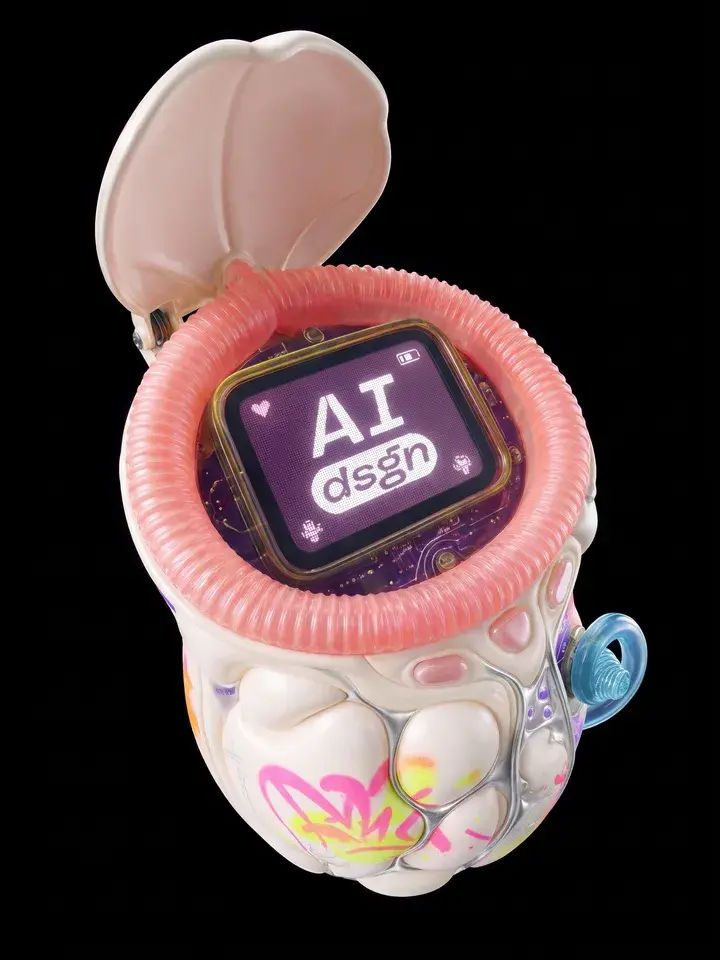
Nano Banana Pro
Copy
Use the uploaded image as the fixed visual source. Preserve the object with very high fidelity: the same recognizable silhouette, proportions, construction, number and placement of parts, colors, materials, surface textures, patterns, labels, logos and small identifying details. Do not redesign, simplify, melt or invent parts of the object.Before generating, silently analyze the object’s specific geometry. Identify its dominant axis, most recognizable feature, strongest surface detail and most expressive side. Based on that analysis, select a unique camera position that reveals this particular object most dramatically. The viewpoint must be determined by the object’s individual shape, not by a reusable standard composition.Avoid the default centered front view and ordinary three-quarter product angle. Depending on the object’s geometry, choose an extreme axial view along its longest dimension, a low underside diagonal, a high oblique orbit, an edge-leading perspective, a tilted lateral sweep or another unexpected viewpoint that best exaggerates its distinctive construction. Do not apply the same camera angle to every object.Photograph the object from very close range using an extreme 6–10 mm ultra-wide lens. The wide-angle effect must be unmistakable: the nearest defining part becomes optically enlarged, the rest of the object recedes dramatically into depth, parallel spatial lines converge, and the background stretches through perspective. Use strong but coherent optical distortion and controlled barrel distortion, without turning the object into an unrecognizable shape.The object must levitate freely in space with a subtle dynamic rotation appropriate to its form. It must not stand, sit or rest on any surface. No pedestal, holder, visible support, floor contact, contact shadow or cast shadow beneath it. Environmental light and reflections may remain on its materials, but there must be no visual indication that the object is supported by the ground.The complete object and every attached component must fit entirely inside the image. Nothing may be cropped or touch the frame edges. Leave generous breathing room around the full silhouette while maintaining strong close-range perspective. The composition should be asymmetrical, spatial and energetic rather than a centered catalog packshot.Retain the original location and background from the uploaded image: the same recognizable environment, background elements, colors, textures, lighting and atmosphere. Reconstruct it consistently from the selected ultra-wide viewpoint. Do not replace it with a white studio or an unrelated background unless the original image already contains one.The final image should feel like an experimental high-fashion object photograph: sculptural, weightless, visually tense and
strongly distorted through real ultra-wide perspective, while the original object remains completely recognizable.Hard exclusions: floor contact, pedestal, support, contact shadow, cast shadow beneath the object, cropped edges, missing parts, duplicated parts, changed design, melted geometry, centered catalog composition, ordinary eye-level three-quarter view, weak perspective, identical camera treatment for different objects, white replacement background.

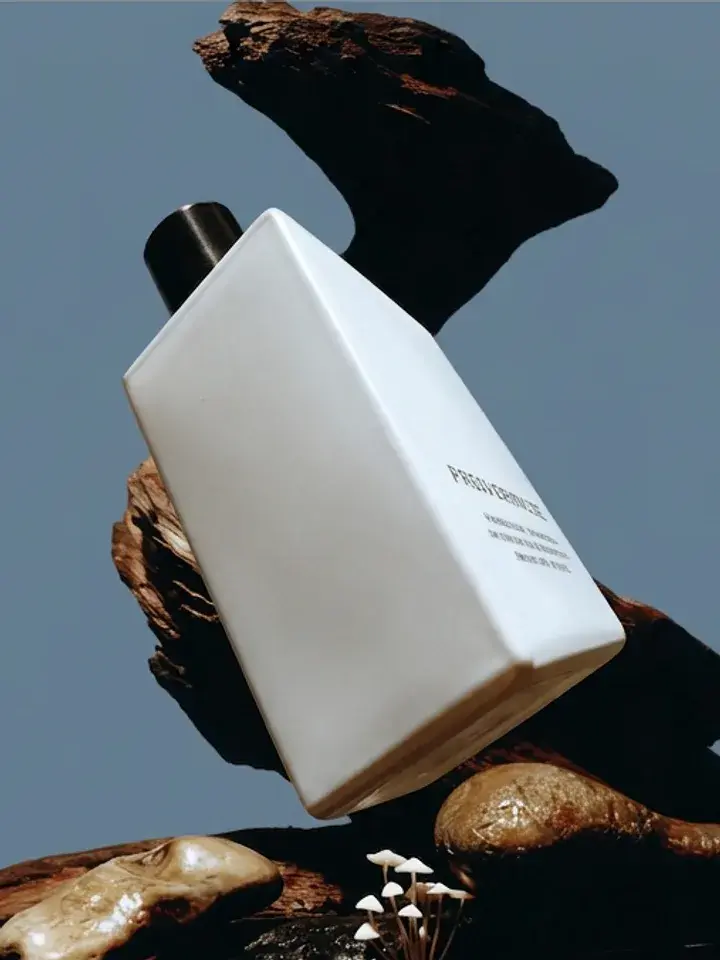
Seedream 5.0 Pro
Copy
Use the uploaded image as the authoritative full-scene reference for the object and its environment. Preserve the exact number of objects and each object’s recognizable silhouette, rigid construction, proportions, number and placement of parts, colors, materials, textures, patterns, finish, logos, inscriptions and every identifying detail. Preserve the same recognizable background, location, surrounding objects, architecture or landscape, lighting, colors and atmosphere. Analyze the silhouette, principal three-dimensional axis, two most widely separated structural points and the broadest, heaviest or most distinctive volume, then choose a unique camera side, height, tilt and rotation derived from this specific construction. Treat the object as an unchanged rigid volume and create all exaggeration through camera position and perspective. For an elongated object, point its length almost directly toward the camera; for a flat or compact object, turn its main face 55–75 degrees away from the image plane and direct its strongest edge or corner toward the camera; for an asymmetrical object, align its most distinctive volume with the opposite contour point. Position an extreme rectilinear ultra-wide close-focus virtual camera closer to the foreground surface than the object’s own front-to-back depth. The nearest section occupies 50–65% of the composition and appears four to six times larger than the farthest section. Create a continuous scale cascade across the whole object through dramatically expanded near geometry, rapid reduction into depth, severe foreshortening, peripheral stretching and strongly converging structural lines. Build this perspective transformation first, then extend the surrounding canvas until the complete distorted silhouette fits inside the image with 8–12% breathing room. Levitate the object freely within the original environment, with visible open air beneath and around it, complete separation from surrounding surfaces and shadowless suspension. Reproject the same identifiable background consistently from the new viewpoint. The image fills the complete rectangular canvas edge to edge with natural background imagery in all four corners; optical hardware, circular image boundaries, black rims and vignetting are entirely absent.

GPT Image 2.5 Flare
Copy
Use the uploaded image as the visual source and preserve the object’s exact recognizable shape, construction, proportions, colors, materials, textures, patterns, logos, inscriptions and placement of every detail. Rebuild the composition around extreme object-specific foreshortening. Analyze the silhouette and identify the two most widely separated structural points, the principal three-dimensional axis and the broadest, heaviest or most distinctive endpoint. Direct this individual axis almost straight toward the camera, placing the selected endpoint only 5–15 cm from the lens while the opposite endpoint recedes deeply away from it. The nearest section occupies 45–60% of the composition and appears three to five times larger than the farthest section. For a compact object, construct the depth axis between its most distinctive asymmetrical feature and the opposite contour point. The frontal surface turns into a sharply receding plane while every identifying feature remains readable. Use a 10 mm rectilinear ultra-wide perspective with clean rectangular edge-to-edge coverage, uninterrupted corners and the lens completely outside the photograph. Prioritize severe near-to-far scale change, elongated depth and dramatic perspective shortening over a balanced frontal product view. Levitate the object freely in the original environment with visible empty space beneath and around it, zero support, zero surface contact and zero cast or contact shadow. Keep the entire object and every attached component inside the frame with a narrow margin of breathing room. Preserve the original background, lighting, colors and atmosphere, transformed consistently by the new camera position. The chosen foreground endpoint, depth direction, rotation and camera height must arise from the unique geometry of each uploaded object, creating a different dramatic viewpoint for every input.
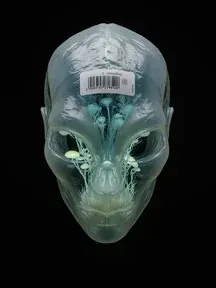
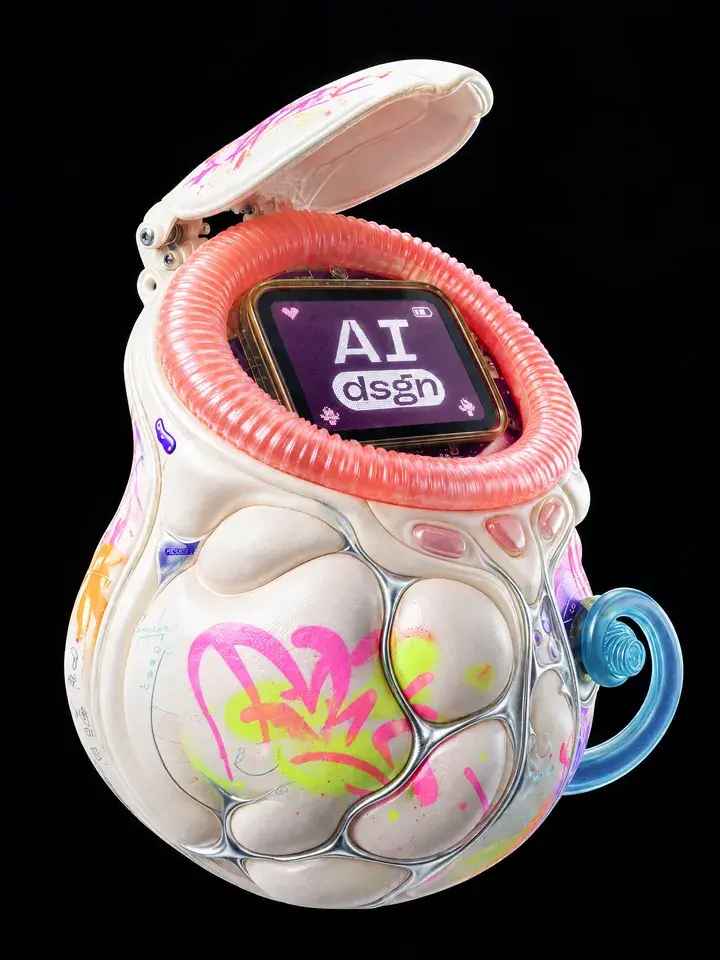
GPT Image 2.5 Flare
Copy
Use the uploaded image as the fixed visual source. Preserve the object with very high fidelity: the same recognizable silhouette, proportions, construction, number and placement of parts, colors, materials, surface textures, patterns, labels, logos and small identifying details. Do not redesign, simplify, melt or invent parts of the object.Before generating, silently analyze the object’s specific geometry. Identify its dominant axis, most recognizable feature, strongest surface detail and most expressive side. Based on that analysis, select a unique camera position that reveals this particular object most dramatically. The viewpoint must be determined by the object’s individual shape, not by a reusable standard composition.Avoid the default centered front view and ordinary three-quarter product angle. Depending on the object’s geometry, choose an extreme axial view along its longest dimension, a low underside diagonal, a high oblique orbit, an edge-leading perspective, a tilted lateral sweep or another unexpected viewpoint that best exaggerates its distinctive construction. Do not apply the same camera angle to every object.Photograph the object from very close range using an extreme 6–10 mm ultra-wide lens. The wide-angle effect must be unmistakable: the nearest defining part becomes optically enlarged, the rest of the object recedes dramatically into depth, parallel spatial lines converge, and the background stretches through perspective. Use strong but coherent optical distortion and controlled barrel distortion, without turning the object into an unrecognizable shape.The object must levitate freely in space with a subtle dynamic rotation appropriate to its form. It must not stand, sit or rest on any surface. No pedestal, holder, visible support, floor contact, contact shadow or cast shadow beneath it. Environmental light and reflections may remain on its materials, but there must be no visual indication that the object is supported by the ground.The complete object and every attached component must fit entirely inside the image. Nothing may be cropped or touch the frame edges. Leave generous breathing room around the full silhouette while maintaining strong close-range perspective. The composition should be asymmetrical, spatial and energetic rather than a centered catalog packshot.Retain the original location and background from the uploaded image: the same recognizable environment, background elements, colors, textures, lighting and atmosphere. Reconstruct it consistently from the selected ultra-wide viewpoint. Do not replace it with a white studio or an unrelated background unless the original image already contains one.The final image should feel like an experimental high-fashion object photograph: sculptural, weightless, visually tense and
strongly distorted through real ultra-wide perspective, while the original object remains completely recognizable.Hard exclusions: floor contact, pedestal, support, contact shadow, cast shadow beneath the object, cropped edges, missing parts, duplicated parts, changed design, melted geometry, centered catalog composition, ordinary eye-level three-quarter view, weak perspective, identical camera treatment for different objects, white replacement background.
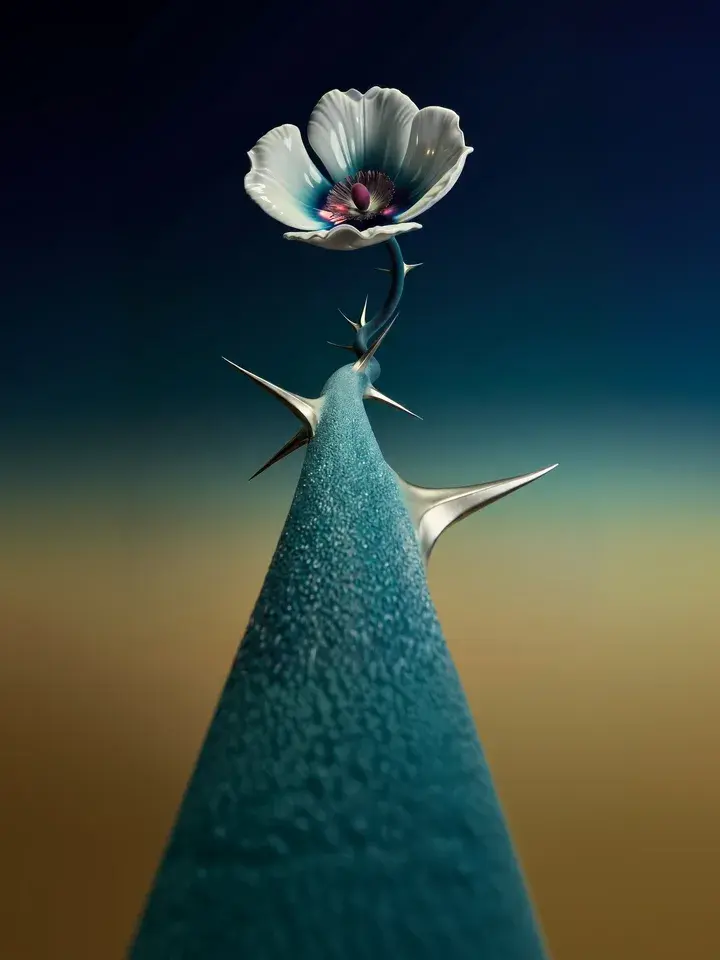
Nano Banana Pro
Copy
Use the uploaded image as the authoritative full-scene reference for the object and its environment. Preserve the exact number of objects and each object’s recognizable silhouette, rigid construction, proportions, number and placement of parts, colors, materials, textures, patterns, finish, logos, inscriptions and every identifying detail. Preserve the same recognizable background, location, surrounding objects, architecture or landscape, lighting, colors and atmosphere. Analyze the silhouette, principal three-dimensional axis, two most widely separated structural points and the broadest, heaviest or most distinctive volume, then choose a unique camera side, height, tilt and rotation derived from this specific construction. Treat the object as an unchanged rigid volume and create all exaggeration through camera position and perspective. For an elongated object, point its length almost directly toward the camera; for a flat or compact object, turn its main face 55–75 degrees away from the image plane and direct its strongest edge or corner toward the camera; for an asymmetrical object, align its most distinctive volume with the opposite contour point. Position an extreme rectilinear ultra-wide close-focus virtual camera closer to the foreground surface than the object’s own front-to-back depth. The nearest section occupies 50–65% of the composition and appears four to six times larger than the farthest section. Create a continuous scale cascade across the whole object through dramatically expanded near geometry, rapid reduction into depth, severe foreshortening, peripheral stretching and strongly converging structural lines. Build this perspective transformation first, then extend the surrounding canvas until the complete distorted silhouette fits inside the image with 8–12% breathing room. Levitate the object freely within the original environment, with visible open air beneath and around it, complete separation from surrounding surfaces and shadowless suspension. Reproject the same identifiable background consistently from the new viewpoint. The image fills the complete rectangular canvas edge to edge with natural background imagery in all four corners; optical hardware, circular image boundaries, black rims and vignetting are entirely absent.

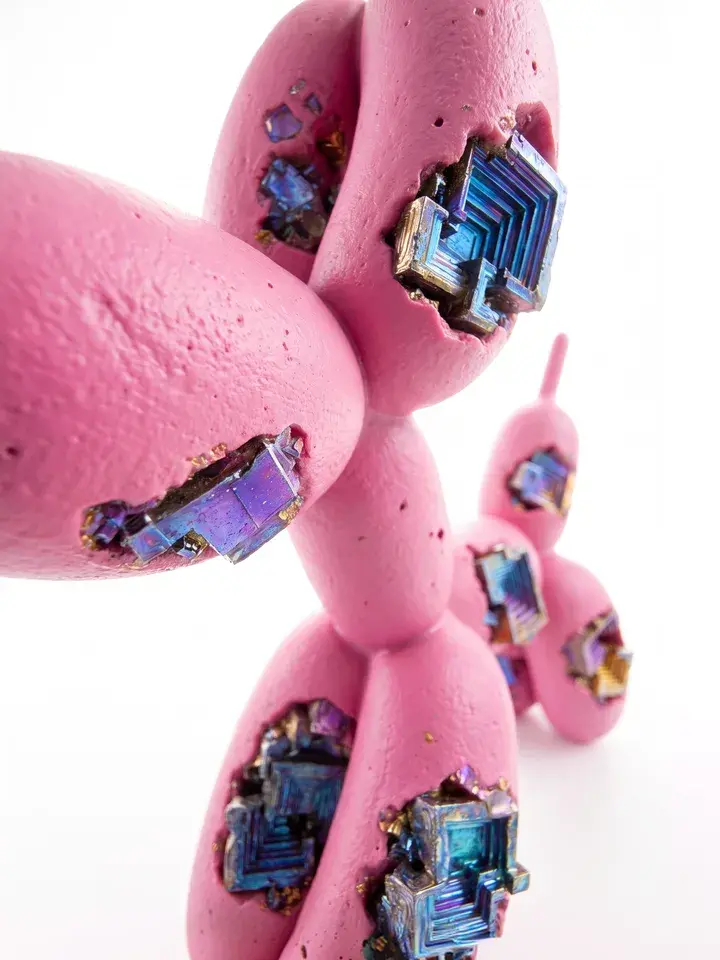
Nano Banana Pro
Copy
Use the uploaded image as the sole subject reference. Recreate the same object, product, character, creature, sculpture, logo or lettering with its recognizable identity, underlying structure, silhouette, colors, materials, surface texture, branding and every defining detail faithfully preserved. Change only the camera perspective. Photograph the subject from an extremely close dynamic three-quarter viewpoint using an 8–10mm ultra-wide close-focus lens, positioning the camera only a few centimeters from one naturally prominent part of the subject. Let this closest area dominate the foreground at a dramatically exaggerated scale while the remaining form rapidly tapers and recedes into depth, creating intense forced perspective, powerful foreshortening and a bold sculptural silhouette. Select the foreground anchor according to the subject’s own geometry and pose so the result remains instantly recognizable and compositionally strong. Keep the distortion optical and perspective-driven while maintaining coherent anatomy, construction and connections between every part. Fill most of the frame with one isolated subject and build the composition along a pronounced near-to-far depth axis. For a flat logo, graphic or lettering, create a clean volumetric version while preserving its exact contours, typography and colors. Place the subject on a pure seamless white background with high-key diffused studio lighting, soft frontal fill, bright backlight, luminous rim glow, subtle bloom and airy overexposed highlights. Render the closest material details with tactile realism and create a gentle depth-of-field falloff toward the distant parts. Contemporary premium editorial campaign, clean art direction, playful monumental scale, polished photorealism, high resolution. Deliver a clean final image containing only the transformed subject and the white background.
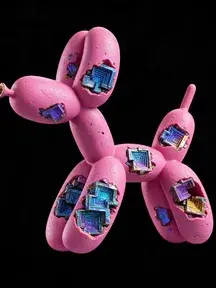
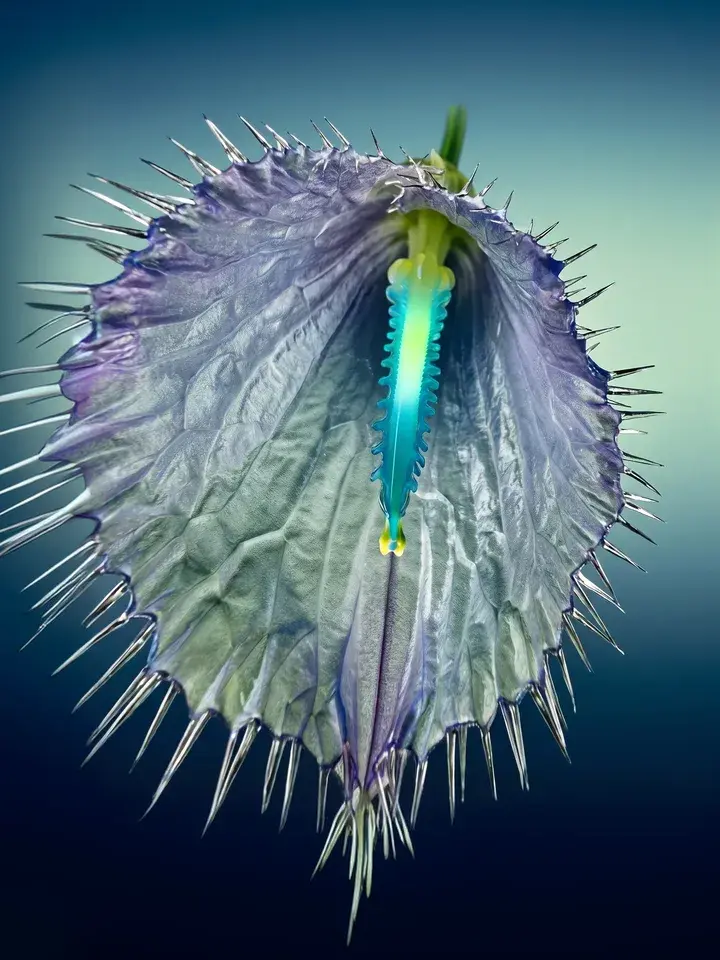
Nano Banana Pro
Copy
Edit the uploaded image itself rather than generating a new scene. Use it as the sole source for the object and environment. Preserve the exact number of objects and each object’s recognizable silhouette, rigid construction, proportions, number and placement of parts, colors, materials, textures, patterns, finish, branding, inscriptions and small identifying details. Change only the spatial projection, object orientation and viewpoint. Analyze the object’s geometry, dominant three-dimensional axis, two most widely separated structural points and strongest asymmetrical feature, then select a viewing direction unique to that construction. Direct the length of an elongated form deeply toward the viewpoint; turn the main surface of a flat or compact form 60–75 degrees across the depth axis and bring its strongest edge or corner forward; align a projecting functional part with the opposite contour of an irregular form. Position the virtual viewpoint closer to the nearest surface than the object’s own front-to-back depth. The nearest structural zone occupies 50–65% of the composition and appears four to six times larger than the farthest zone. Create a continuous perspective gradient through the complete object, with expanded near geometry, rapid scale reduction, severe foreshortening, stretched peripheral space and strongly converging structural lines. Form the extreme perspective first, then expand the surrounding composition until the entire distorted silhouette and every attached component fit inside the image with 8–12% breathing room. Suspend the object freely in the same recognizable environment with visible open air beneath and around it, complete separation from surrounding surfaces and clean shadowless levitation. Retain the source background elements, location, colors, lighting and atmosphere, applying the same spatial projection coherently across the scene. Present the result as a standard rectangular edge-to-edge image with continuous environment reaching all four corners, intact construction, readable branding and detailed photorealism.

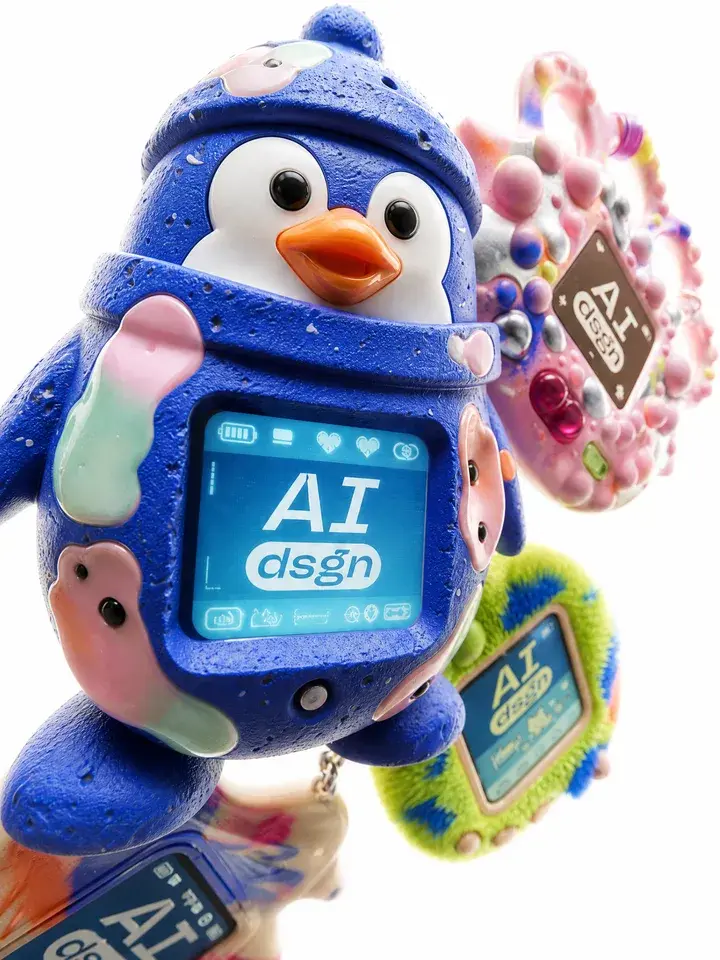
GPT Image 2
Copy
Use the uploaded image as the sole subject reference. Recreate the same object, product, character, creature, sculpture, logo or lettering with its recognizable identity, underlying structure, silhouette, colors, materials, surface texture, branding and every defining detail faithfully preserved. Change only the camera perspective. Photograph the subject from an extremely close dynamic three-quarter viewpoint using an 8–10mm ultra-wide close-focus lens, positioning the camera only a few centimeters from one naturally prominent part of the subject. Let this closest area dominate the foreground at a dramatically exaggerated scale while the remaining form rapidly tapers and recedes into depth, creating intense forced perspective, powerful foreshortening and a bold sculptural silhouette. Select the foreground anchor according to the subject’s own geometry and pose so the result remains instantly recognizable and compositionally strong. Keep the distortion optical and perspective-driven while maintaining coherent anatomy, construction and connections between every part. Fill most of the frame with one isolated subject and build the composition along a pronounced near-to-far depth axis. For a flat logo, graphic or lettering, create a clean volumetric version while preserving its exact contours, typography and colors. Place the subject on a pure seamless white background with high-key diffused studio lighting, soft frontal fill, bright backlight, luminous rim glow, subtle bloom and airy overexposed highlights. Render the closest material details with tactile realism and create a gentle depth-of-field falloff toward the distant parts. Contemporary premium editorial campaign, clean art direction, playful monumental scale, polished photorealism, high resolution. Deliver a clean final image containing only the transformed subject and the white background.
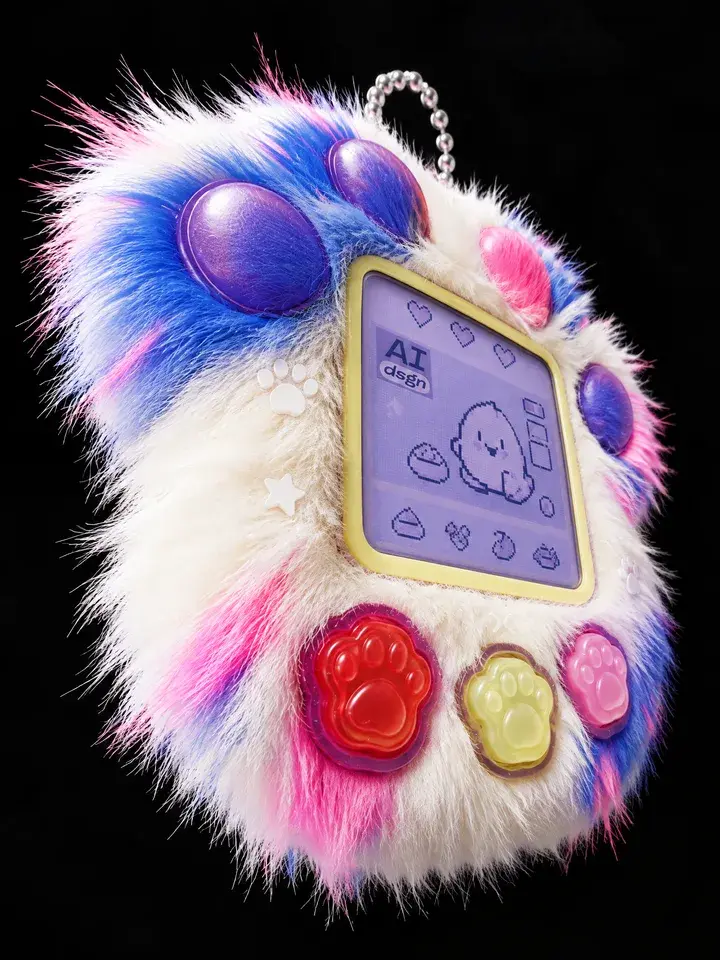
GPT Image 2.5 Flare
Copy
Use the uploaded image as the fixed visual source. Preserve the object with very high fidelity: the same recognizable silhouette, proportions, construction, number and placement of parts, colors, materials, surface textures, patterns, labels, logos and small identifying details. Do not redesign, simplify, melt or invent parts of the object.Before generating, silently analyze the object’s specific geometry. Identify its dominant axis, most recognizable feature, strongest surface detail and most expressive side. Based on that analysis, select a unique camera position that reveals this particular object most dramatically. The viewpoint must be determined by the object’s individual shape, not by a reusable standard composition.Avoid the default centered front view and ordinary three-quarter product angle. Depending on the object’s geometry, choose an extreme axial view along its longest dimension, a low underside diagonal, a high oblique orbit, an edge-leading perspective, a tilted lateral sweep or another unexpected viewpoint that best exaggerates its distinctive construction. Do not apply the same camera angle to every object.Photograph the object from very close range using an extreme 6–10 mm ultra-wide lens. The wide-angle effect must be unmistakable: the nearest defining part becomes optically enlarged, the rest of the object recedes dramatically into depth, parallel spatial lines converge, and the background stretches through perspective. Use strong but coherent optical distortion and controlled barrel distortion, without turning the object into an unrecognizable shape.The object must levitate freely in space with a subtle dynamic rotation appropriate to its form. It must not stand, sit or rest on any surface. No pedestal, holder, visible support, floor contact, contact shadow or cast shadow beneath it. Environmental light and reflections may remain on its materials, but there must be no visual indication that the object is supported by the ground.The complete object and every attached component must fit entirely inside the image. Nothing may be cropped or touch the frame edges. Leave generous breathing room around the full silhouette while maintaining strong close-range perspective. The composition should be asymmetrical, spatial and energetic rather than a centered catalog packshot.Retain the original location and background from the uploaded image: the same recognizable environment, background elements, colors, textures, lighting and atmosphere. Reconstruct it consistently from the selected ultra-wide viewpoint. Do not replace it with a white studio or an unrelated background unless the original image already contains one.The final image should feel like an experimental high-fashion object photograph: sculptural, weightless, visually tense and
strongly distorted through real ultra-wide perspective, while the original object remains completely recognizable.Hard exclusions: floor contact, pedestal, support, contact shadow, cast shadow beneath the object, cropped edges, missing parts, duplicated parts, changed design, melted geometry, centered catalog composition, ordinary eye-level three-quarter view, weak perspective, identical camera treatment for different objects, white replacement background.

Seedream 5.0 Pro
Copy
Use the uploaded image as the authoritative full-scene reference for the object and its environment. Preserve the exact number of objects and each object’s recognizable silhouette, rigid construction, proportions, number and placement of parts, colors, materials, textures, patterns, finish, logos, inscriptions and every identifying detail. Preserve the same recognizable background, location, surrounding objects, architecture or landscape, lighting, colors and atmosphere. Analyze the silhouette, principal three-dimensional axis, two most widely separated structural points and the broadest, heaviest or most distinctive volume, then choose a unique camera side, height, tilt and rotation derived from this specific construction. Treat the object as an unchanged rigid volume and create all exaggeration through camera position and perspective. For an elongated object, point its length almost directly toward the camera; for a flat or compact object, turn its main face 55–75 degrees away from the image plane and direct its strongest edge or corner toward the camera; for an asymmetrical object, align its most distinctive volume with the opposite contour point. Position an extreme rectilinear ultra-wide close-focus virtual camera closer to the foreground surface than the object’s own front-to-back depth. The nearest section occupies 50–65% of the composition and appears four to six times larger than the farthest section. Create a continuous scale cascade across the whole object through dramatically expanded near geometry, rapid reduction into depth, severe foreshortening, peripheral stretching and strongly converging structural lines. Build this perspective transformation first, then extend the surrounding canvas until the complete distorted silhouette fits inside the image with 8–12% breathing room. Levitate the object freely within the original environment, with visible open air beneath and around it, complete separation from surrounding surfaces and shadowless suspension. Reproject the same identifiable background consistently from the new viewpoint. The image fills the complete rectangular canvas edge to edge with natural background imagery in all four corners; optical hardware, circular image boundaries, black rims and vignetting are entirely absent.

Nano Banana Pro
Copy
Edit the uploaded image itself rather than generating a new scene. Use it as the sole source for the object and environment. Preserve the exact number of objects and each object’s recognizable silhouette, rigid construction, proportions, number and placement of parts, colors, materials, textures, patterns, finish, branding, inscriptions and small identifying details. Change only the spatial projection, object orientation and viewpoint. Analyze the object’s geometry, dominant three-dimensional axis, two most widely separated structural points and strongest asymmetrical feature, then select a viewing direction unique to that construction. Direct the length of an elongated form deeply toward the viewpoint; turn the main surface of a flat or compact form 60–75 degrees across the depth axis and bring its strongest edge or corner forward; align a projecting functional part with the opposite contour of an irregular form. Position the virtual viewpoint closer to the nearest surface than the object’s own front-to-back depth. The nearest structural zone occupies 50–65% of the composition and appears four to six times larger than the farthest zone. Create a continuous perspective gradient through the complete object, with expanded near geometry, rapid scale reduction, severe foreshortening, stretched peripheral space and strongly converging structural lines. Form the extreme perspective first, then expand the surrounding composition until the entire distorted silhouette and every attached component fit inside the image with 8–12% breathing room. Suspend the object freely in the same recognizable environment with visible open air beneath and around it, complete separation from surrounding surfaces and clean shadowless levitation. Retain the source background elements, location, colors, lighting and atmosphere, applying the same spatial projection coherently across the scene. Present the result as a standard rectangular edge-to-edge image with continuous environment reaching all four corners, intact construction, readable branding and detailed photorealism.

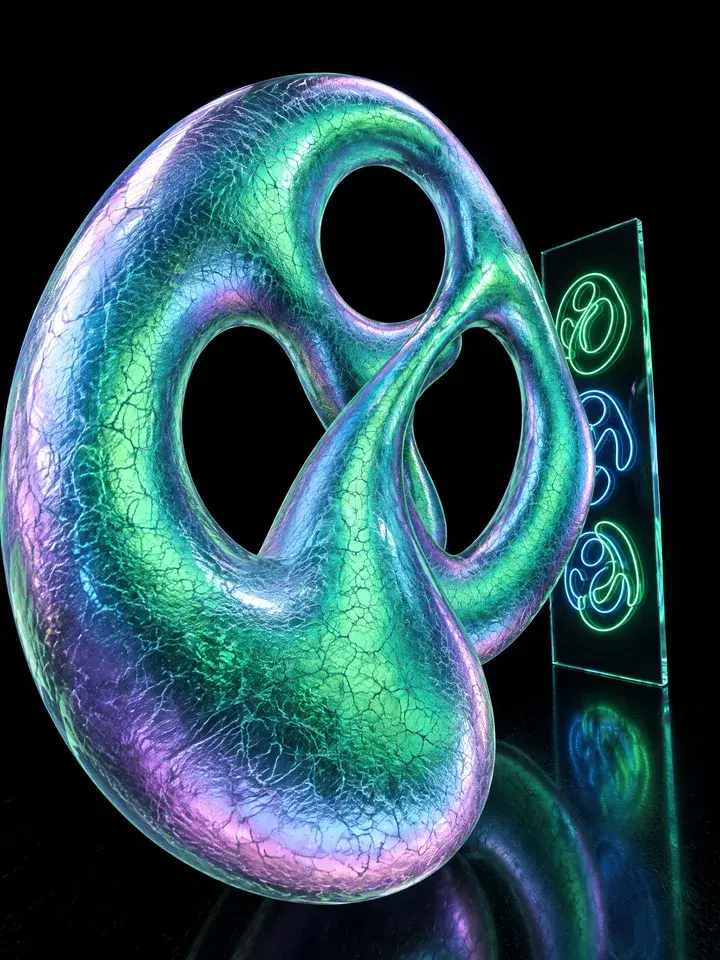
GPT Image 2.5 Flare
Copy
Use the uploaded image as the authoritative reference for both the object and the complete environment. Preserve the object one-to-one: exact silhouette, proportions, construction, number and placement of parts, materials, textures, surface finish, colors, transparency, reflections, branding, graphics, labels and correctly spelled text. Preserve the exact number of objects and keep grouped elements visually connected. Analyze the object’s geometry and identify the viewing axis that creates the strongest silhouette and greatest near-to-far depth. Move the camera around the object and orient the complete unchanged form so one distinctive structural feature points toward the lens while the opposite side recedes deeply into the scene. Photograph from point-blank range with an 8mm rectilinear ultra-wide close-focus lens. The closest part appears three to four times larger than the farthest part, creating an expanded foreground, rapid scale reduction into depth, powerful foreshortening and stretched peripheral geometry. The transformation reads entirely as optical perspective while the original design remains intact. Keep the complete silhouette inside the frame with every edge, tip, handle, component and letter fully visible and a 5–8% margin of the original environment around it. Preserve the object’s original physical relationship with the scene, including its support, placement, contact, suspension or interaction with other elements. Retain the original background as the same identifiable place with its surfaces, architecture, furniture, landscape, colors, textures and lighting. Reconstruct the environment consistently from the new camera position so its perspective responds naturally to the ultra-wide lens. Match the original shadows, reflections and color temperature. The final image contains the exact original object or object group within the same recognizable environment, captured as a bold high-end ultra-wide editorial photograph.

GPT Image 2.5 Flare
Copy
Use the uploaded image as the visual source and preserve the object’s exact recognizable shape, construction, proportions, colors, materials, textures, patterns, logos, inscriptions and placement of every detail. Analyze this specific object before composing the shot: identify its strongest asymmetrical feature, dominant spatial axis, direction of visual weight, most expressive contour and the angle from which its construction looks most distinctive. Build the camera position from these individual characteristics so every new object receives its own viewpoint. A protruding feature creates an axial view along its direction, a flat construction creates a grazing lateral view, a vertically weighted form creates an upper or lower oblique view, and a compact symmetrical form rotates toward its most distinctive side while its identifying front details remain readable. Position the object across several depth planes, with one structurally meaningful area close to the camera and the opposite area receding sharply, creating an obvious difference in scale through real near-to-far perspective. Use a 10–12 mm rectilinear ultra-wide lens with full-sensor edge-to-edge coverage, a clean rectangular photographic frame and uninterrupted background extending naturally into all four corners. The lens, glass, housing, circular border and dark rim remain completely outside the image. Levitate the object freely in the original environment with a clear air gap around and beneath it, zero surface contact, zero support and zero cast or contact shadow below. Give the object an input-specific spatial rotation around its natural construction axis rather than a standard centered product orientation. Keep the complete object and every attached element fully inside the frame with breathing room around the silhouette. Preserve the original background, lighting, colors and atmosphere, transformed consistently by the new camera position. The result feels sculptural, dynamic and editorial, with strong wide-angle perspective created by proximity and depth while the object remains completely recognizable.


Nano Banana Pro
Copy
Use the uploaded image as the authoritative full-scene reference for the object and its environment. Preserve the exact number of objects and each object’s recognizable silhouette, rigid construction, proportions, number and placement of parts, colors, materials, textures, patterns, finish, logos, inscriptions and every identifying detail. Preserve the same recognizable background, location, surrounding objects, architecture or landscape, lighting, colors and atmosphere. Analyze the silhouette, principal three-dimensional axis, two most widely separated structural points and the broadest, heaviest or most distinctive volume, then choose a unique camera side, height, tilt and rotation derived from this specific construction. Treat the object as an unchanged rigid volume and create all exaggeration through camera position and perspective. For an elongated object, point its length almost directly toward the camera; for a flat or compact object, turn its main face 55–75 degrees away from the image plane and direct its strongest edge or corner toward the camera; for an asymmetrical object, align its most distinctive volume with the opposite contour point. Position an extreme rectilinear ultra-wide close-focus virtual camera closer to the foreground surface than the object’s own front-to-back depth. The nearest section occupies 50–65% of the composition and appears four to six times larger than the farthest section. Create a continuous scale cascade across the whole object through dramatically expanded near geometry, rapid reduction into depth, severe foreshortening, peripheral stretching and strongly converging structural lines. Build this perspective transformation first, then extend the surrounding canvas until the complete distorted silhouette fits inside the image with 8–12% breathing room. Levitate the object freely within the original environment, with visible open air beneath and around it, complete separation from surrounding surfaces and shadowless suspension. Reproject the same identifiable background consistently from the new viewpoint. The image fills the complete rectangular canvas edge to edge with natural background imagery in all four corners; optical hardware, circular image boundaries, black rims and vignetting are entirely absent.
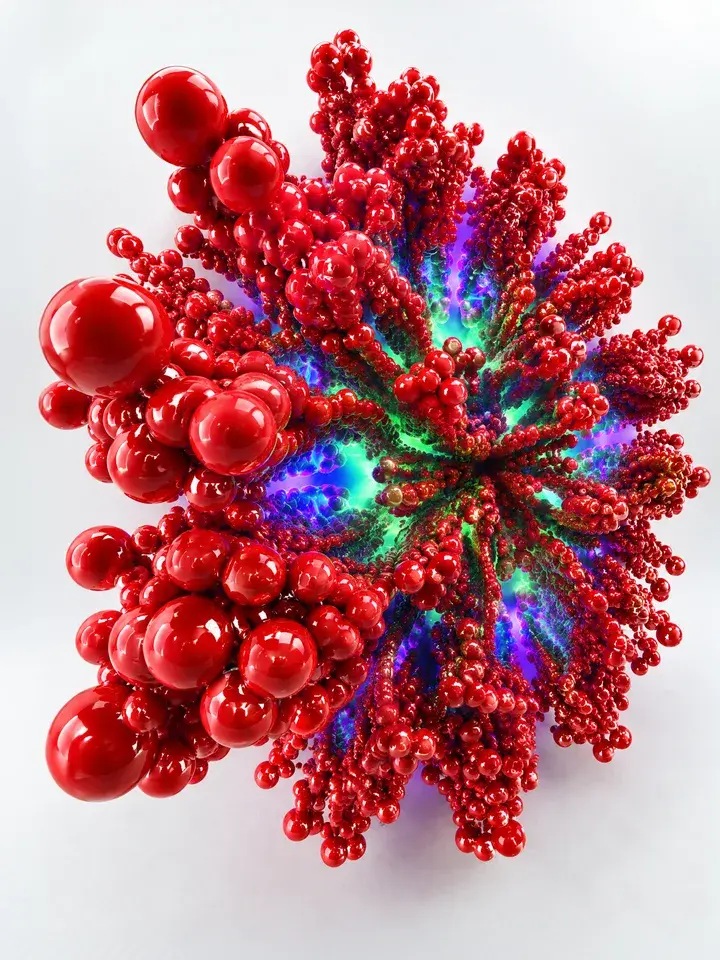
GPT Image 2.5 Flare
Copy
Use the uploaded image as the authoritative reference for both the object and the complete environment. Preserve the object one-to-one: exact silhouette, proportions, construction, number and placement of parts, materials, textures, surface finish, colors, transparency, reflections, branding, graphics, labels and correctly spelled text. Preserve the exact number of objects and keep grouped elements visually connected. Analyze the object’s geometry and identify the viewing axis that creates the strongest silhouette and greatest near-to-far depth. Move the camera around the object and orient the complete unchanged form so one distinctive structural feature points toward the lens while the opposite side recedes deeply into the scene. Photograph from point-blank range with an 8mm rectilinear ultra-wide close-focus lens. The closest part appears three to four times larger than the farthest part, creating an expanded foreground, rapid scale reduction into depth, powerful foreshortening and stretched peripheral geometry. The transformation reads entirely as optical perspective while the original design remains intact. Keep the complete silhouette inside the frame with every edge, tip, handle, component and letter fully visible and a 5–8% margin of the original environment around it. Preserve the object’s original physical relationship with the scene, including its support, placement, contact, suspension or interaction with other elements. Retain the original background as the same identifiable place with its surfaces, architecture, furniture, landscape, colors, textures and lighting. Reconstruct the environment consistently from the new camera position so its perspective responds naturally to the ultra-wide lens. Match the original shadows, reflections and color temperature. The final image contains the exact original object or object group within the same recognizable environment, captured as a bold high-end ultra-wide editorial photograph.
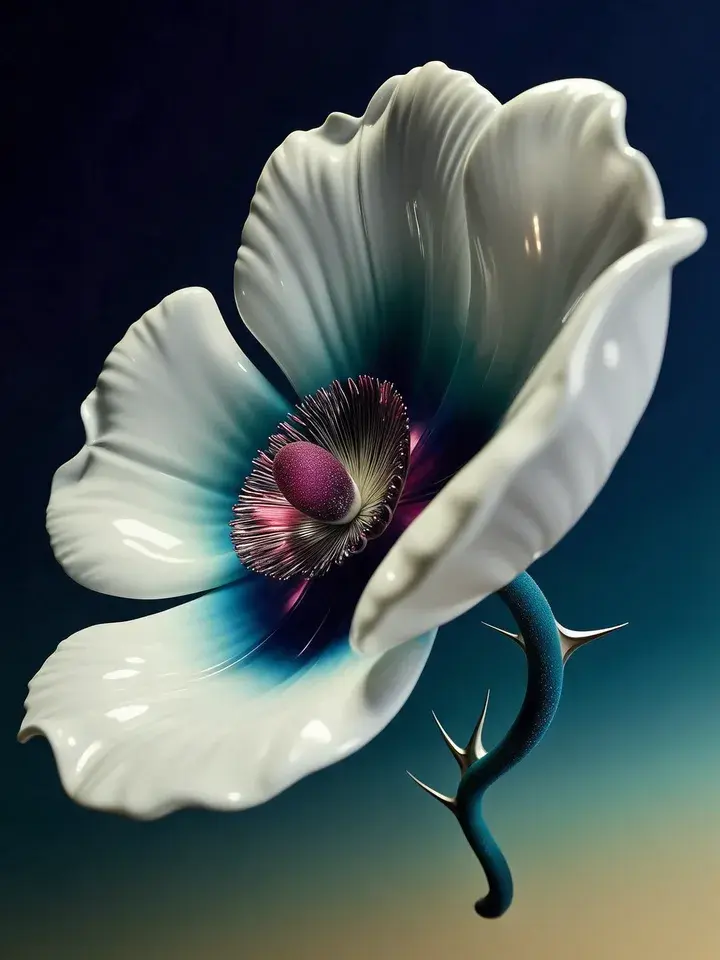
Seedream 5.0 Pro
Copy
Use the uploaded image as the authoritative full-scene reference for the object and its environment. Preserve the exact number of objects and each object’s recognizable silhouette, rigid construction, proportions, number and placement of parts, colors, materials, textures, patterns, finish, logos, inscriptions and every identifying detail. Preserve the same recognizable background, location, surrounding objects, architecture or landscape, lighting, colors and atmosphere. Analyze the silhouette, principal three-dimensional axis, two most widely separated structural points and the broadest, heaviest or most distinctive volume, then choose a unique camera side, height, tilt and rotation derived from this specific construction. Treat the object as an unchanged rigid volume and create all exaggeration through camera position and perspective. For an elongated object, point its length almost directly toward the camera; for a flat or compact object, turn its main face 55–75 degrees away from the image plane and direct its strongest edge or corner toward the camera; for an asymmetrical object, align its most distinctive volume with the opposite contour point. Position an extreme rectilinear ultra-wide close-focus virtual camera closer to the foreground surface than the object’s own front-to-back depth. The nearest section occupies 50–65% of the composition and appears four to six times larger than the farthest section. Create a continuous scale cascade across the whole object through dramatically expanded near geometry, rapid reduction into depth, severe foreshortening, peripheral stretching and strongly converging structural lines. Build this perspective transformation first, then extend the surrounding canvas until the complete distorted silhouette fits inside the image with 8–12% breathing room. Levitate the object freely within the original environment, with visible open air beneath and around it, complete separation from surrounding surfaces and shadowless suspension. Reproject the same identifiable background consistently from the new viewpoint. The image fills the complete rectangular canvas edge to edge with natural background imagery in all four corners; optical hardware, circular image boundaries, black rims and vignetting are entirely absent.
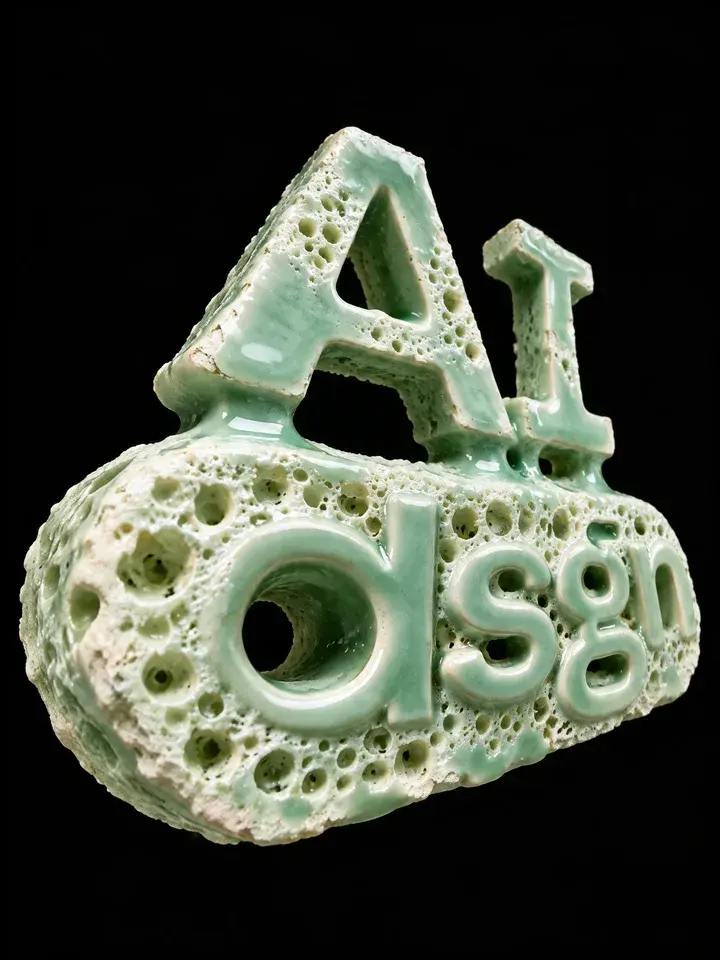
GPT Image 2.5 Flare
Copy
Use the uploaded image as the visual source and preserve the object’s exact recognizable shape, construction, proportions, colors, materials, textures, patterns, logos, inscriptions and placement of every detail. Rebuild the composition around extreme object-specific foreshortening. Analyze the silhouette and identify the two most widely separated structural points, the principal three-dimensional axis and the broadest, heaviest or most distinctive endpoint. Direct this individual axis almost straight toward the camera, placing the selected endpoint only 5–15 cm from the lens while the opposite endpoint recedes deeply away from it. The nearest section occupies 45–60% of the composition and appears three to five times larger than the farthest section. For a compact object, construct the depth axis between its most distinctive asymmetrical feature and the opposite contour point. The frontal surface turns into a sharply receding plane while every identifying feature remains readable. Use a 10 mm rectilinear ultra-wide perspective with clean rectangular edge-to-edge coverage, uninterrupted corners and the lens completely outside the photograph. Prioritize severe near-to-far scale change, elongated depth and dramatic perspective shortening over a balanced frontal product view. Levitate the object freely in the original environment with visible empty space beneath and around it, zero support, zero surface contact and zero cast or contact shadow. Keep the entire object and every attached component inside the frame with a narrow margin of breathing room. Preserve the original background, lighting, colors and atmosphere, transformed consistently by the new camera position. The chosen foreground endpoint, depth direction, rotation and camera height must arise from the unique geometry of each uploaded object, creating a different dramatic viewpoint for every input.

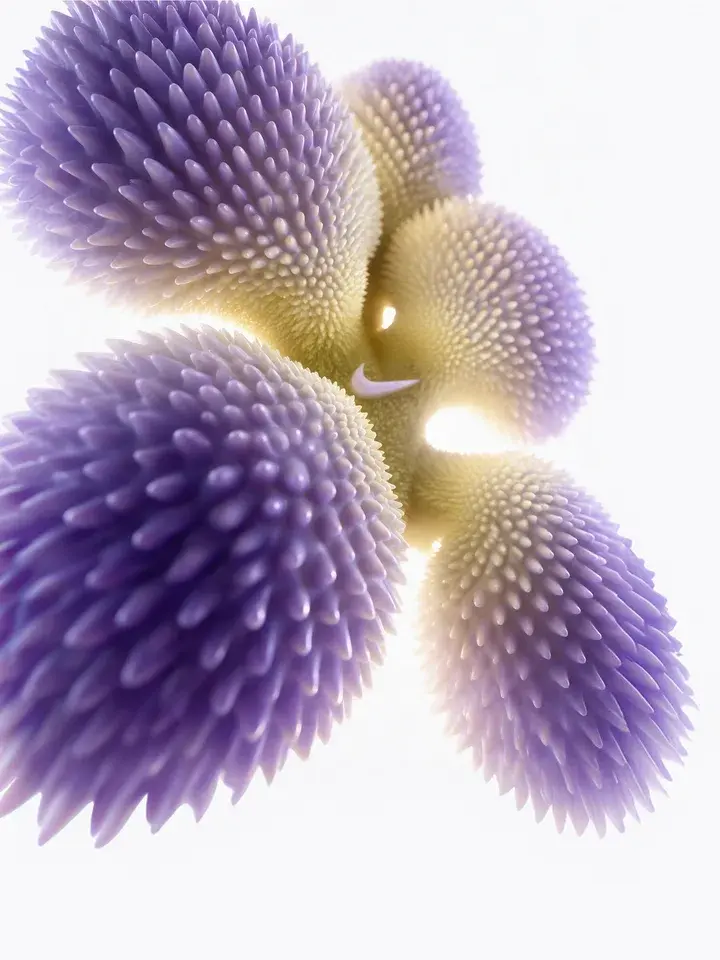
Seedream 5.0 Pro
Copy
Use the uploaded image as the sole subject reference. Recreate the same object, product, character, creature, sculpture, logo or lettering with its recognizable identity, underlying structure, silhouette, colors, materials, surface texture, branding and every defining detail faithfully preserved. Change only the camera perspective. Photograph the subject from an extremely close dynamic three-quarter viewpoint using an 8–10mm ultra-wide close-focus lens, positioning the camera only a few centimeters from one naturally prominent part of the subject. Let this closest area dominate the foreground at a dramatically exaggerated scale while the remaining form rapidly tapers and recedes into depth, creating intense forced perspective, powerful foreshortening and a bold sculptural silhouette. Select the foreground anchor according to the subject’s own geometry and pose so the result remains instantly recognizable and compositionally strong. Keep the distortion optical and perspective-driven while maintaining coherent anatomy, construction and connections between every part. Fill most of the frame with one isolated subject and build the composition along a pronounced near-to-far depth axis. For a flat logo, graphic or lettering, create a clean volumetric version while preserving its exact contours, typography and colors. Place the subject on a pure seamless white background with high-key diffused studio lighting, soft frontal fill, bright backlight, luminous rim glow, subtle bloom and airy overexposed highlights. Render the closest material details with tactile realism and create a gentle depth-of-field falloff toward the distant parts. Contemporary premium editorial campaign, clean art direction, playful monumental scale, polished photorealism, high resolution. Deliver a clean final image containing only the transformed subject and the white background.
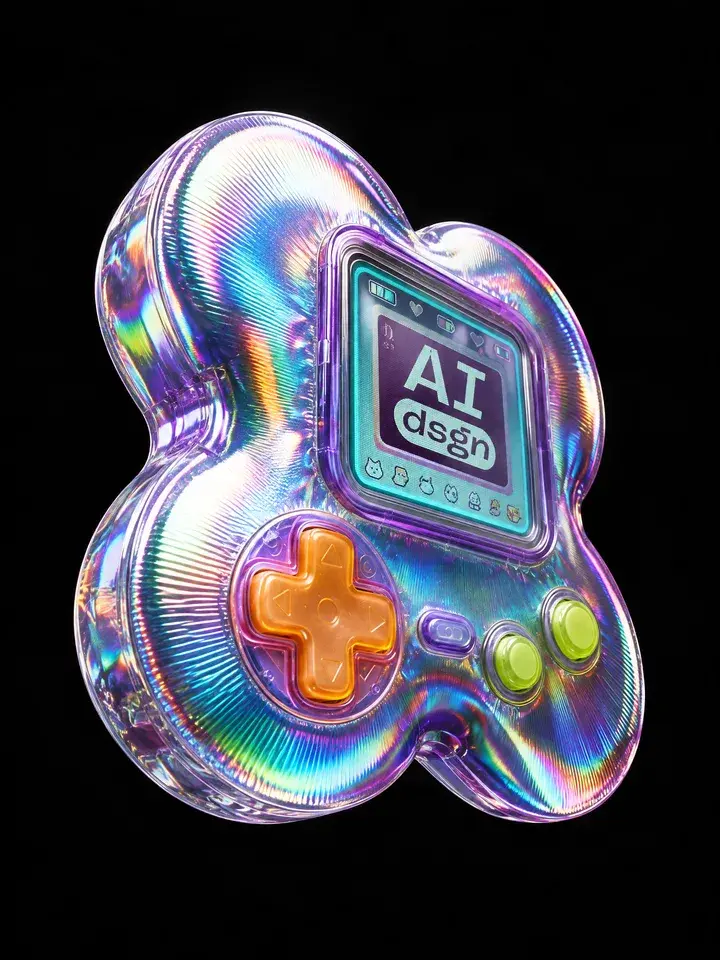
GPT Image 2.5 Flare
Copy
Use the uploaded image as the visual source and preserve the object’s exact recognizable shape, construction, proportions, colors, materials, textures, patterns, logos, inscriptions and placement of every detail. Analyze this specific object before composing the shot: identify its strongest asymmetrical feature, dominant spatial axis, direction of visual weight, most expressive contour and the angle from which its construction looks most distinctive. Build the camera position from these individual characteristics so every new object receives its own viewpoint. A protruding feature creates an axial view along its direction, a flat construction creates a grazing lateral view, a vertically weighted form creates an upper or lower oblique view, and a compact symmetrical form rotates toward its most distinctive side while its identifying front details remain readable. Position the object across several depth planes, with one structurally meaningful area close to the camera and the opposite area receding sharply, creating an obvious difference in scale through real near-to-far perspective. Use a 10–12 mm rectilinear ultra-wide lens with full-sensor edge-to-edge coverage, a clean rectangular photographic frame and uninterrupted background extending naturally into all four corners. The lens, glass, housing, circular border and dark rim remain completely outside the image. Levitate the object freely in the original environment with a clear air gap around and beneath it, zero surface contact, zero support and zero cast or contact shadow below. Give the object an input-specific spatial rotation around its natural construction axis rather than a standard centered product orientation. Keep the complete object and every attached element fully inside the frame with breathing room around the silhouette. Preserve the original background, lighting, colors and atmosphere, transformed consistently by the new camera position. The result feels sculptural, dynamic and editorial, with strong wide-angle perspective created by proximity and depth while the object remains completely recognizable.


GPT Image 2.5 Flare
Copy
Use the uploaded image as the sole content source and preserve one complete object with its exact recognizable silhouette, rigid construction, proportions, number and placement of parts, colors, materials, textures, patterns, logos, inscriptions and small identifying details. Create an extreme close-proximity forced-perspective photograph using 6 mm rectilinear ultra-wide optics at minimum focusing distance. Treat the object as an unchanged rigid three-dimensional volume; all visual exaggeration comes entirely from the camera position and viewing direction. Analyze the specific geometry and choose an individual camera axis: follow the length of an elongated form, approach a flat form edge-first, use the strongest asymmetrical contour of a compact form, or look along the functional direction of a projecting part. Rotate the object freely in pitch, yaw and roll until this geometry-specific axis points deeply into the camera, placing one meaningful surface extremely close to the lens while the opposite structure recedes rapidly through space. Create an unmistakable continuous scale gradient across the whole object: nearby surfaces expand dramatically, repeated details shrink quickly with distance, parallel structural lines converge and the far end becomes visibly smaller while every part remains correctly connected. Build this extreme perspective first, then extend the surrounding canvas until the entire already-distorted object fits inside the image with clear breathing room. The image contains one object only, fully visible and structurally intact. Levitate it freely in the original environment with visible empty space beneath it, zero support, zero surface contact and zero cast or contact shadow. Preserve the original background, lighting, colors and atmosphere, reprojected consistently from the new camera position. Use a clean full-bleed rectangular photograph with uninterrupted background in all four corners and the physical lens outside the image. The final viewpoint must arise from this object’s unique construction rather than from a standard frontal or three-quarter product composition.


Seedream 5 Pro
Copy
Use the uploaded image as the visual source and preserve the object’s exact recognizable shape, construction, proportions, colors, materials, textures, patterns, logos, inscriptions and placement of every detail. Rebuild the composition around extreme object-specific foreshortening. Analyze the silhouette and identify the two most widely separated structural points, the principal three-dimensional axis and the broadest, heaviest or most distinctive endpoint. Direct this individual axis almost straight toward the camera, placing the selected endpoint only 5–15 cm from the lens while the opposite endpoint recedes deeply away from it. The nearest section occupies 45–60% of the composition and appears three to five times larger than the farthest section. For a compact object, construct the depth axis between its most distinctive asymmetrical feature and the opposite contour point. The frontal surface turns into a sharply receding plane while every identifying feature remains readable. Use a 10 mm rectilinear ultra-wide perspective with clean rectangular edge-to-edge coverage, uninterrupted corners and the lens completely outside the photograph. Prioritize severe near-to-far scale change, elongated depth and dramatic perspective shortening over a balanced frontal product view. Levitate the object freely in the original environment with visible empty space beneath and around it, zero support, zero surface contact and zero cast or contact shadow. Keep the entire object and every attached component inside the frame with a narrow margin of breathing room. Preserve the original background, lighting, colors and atmosphere, transformed consistently by the new camera position. The chosen foreground endpoint, depth direction, rotation and camera height must arise from the unique geometry of each uploaded object, creating a different dramatic viewpoint for every input.

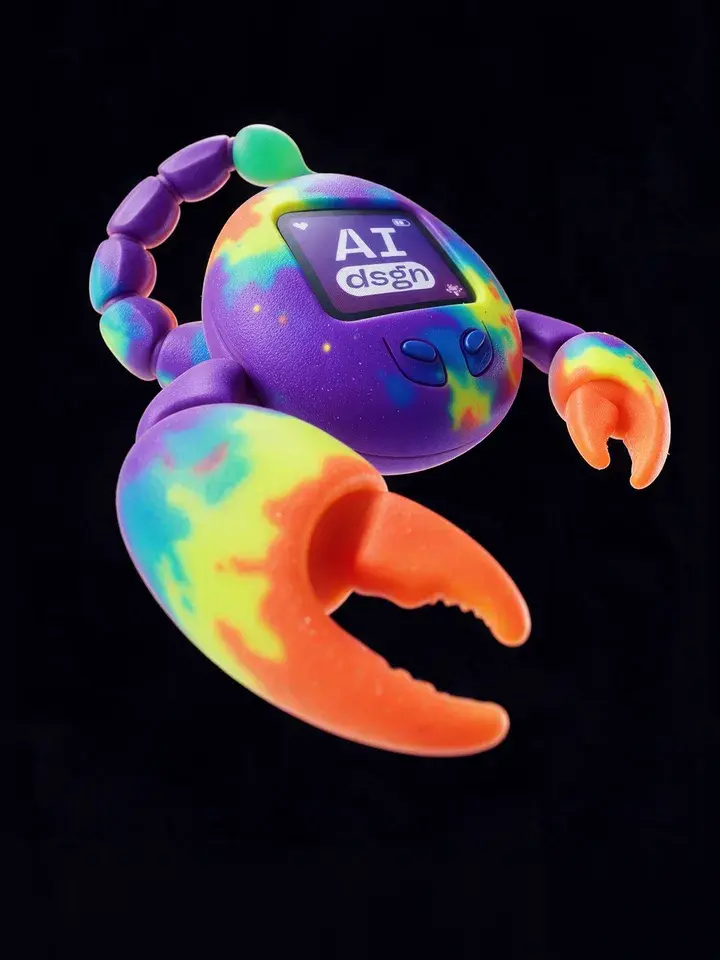
Seedream 5.0 Pro
Copy
Use the uploaded image as the visual source and preserve the object’s exact recognizable shape, construction, proportions, colors, materials, textures, patterns, logos, inscriptions and placement of every detail. Rebuild the composition around extreme object-specific foreshortening. Analyze the silhouette and identify the two most widely separated structural points, the principal three-dimensional axis and the broadest, heaviest or most distinctive endpoint. Direct this individual axis almost straight toward the camera, placing the selected endpoint only 5–15 cm from the lens while the opposite endpoint recedes deeply away from it. The nearest section occupies 45–60% of the composition and appears three to five times larger than the farthest section. For a compact object, construct the depth axis between its most distinctive asymmetrical feature and the opposite contour point. The frontal surface turns into a sharply receding plane while every identifying feature remains readable. Use a 10 mm rectilinear ultra-wide perspective with clean rectangular edge-to-edge coverage, uninterrupted corners and the lens completely outside the photograph. Prioritize severe near-to-far scale change, elongated depth and dramatic perspective shortening over a balanced frontal product view. Levitate the object freely in the original environment with visible empty space beneath and around it, zero support, zero surface contact and zero cast or contact shadow. Keep the entire object and every attached component inside the frame with a narrow margin of breathing room. Preserve the original background, lighting, colors and atmosphere, transformed consistently by the new camera position. The chosen foreground endpoint, depth direction, rotation and camera height must arise from the unique geometry of each uploaded object, creating a different dramatic viewpoint for every input.

GPT Image 2.5 Flare
Copy
Use the uploaded image as the authoritative full-scene reference for the object and its environment. Preserve the exact number of objects and each object’s recognizable silhouette, rigid construction, proportions, number and placement of parts, colors, materials, textures, patterns, finish, logos, inscriptions and every identifying detail. Preserve the same recognizable background, location, surrounding objects, architecture or landscape, lighting, colors and atmosphere. Analyze the silhouette, principal three-dimensional axis, two most widely separated structural points and the broadest, heaviest or most distinctive volume, then choose a unique camera side, height, tilt and rotation derived from this specific construction. Treat the object as an unchanged rigid volume and create all exaggeration through camera position and perspective. For an elongated object, point its length almost directly toward the camera; for a flat or compact object, turn its main face 55–75 degrees away from the image plane and direct its strongest edge or corner toward the camera; for an asymmetrical object, align its most distinctive volume with the opposite contour point. Position an extreme rectilinear ultra-wide close-focus virtual camera closer to the foreground surface than the object’s own front-to-back depth. The nearest section occupies 50–65% of the composition and appears four to six times larger than the farthest section. Create a continuous scale cascade across the whole object through dramatically expanded near geometry, rapid reduction into depth, severe foreshortening, peripheral stretching and strongly converging structural lines. Build this perspective transformation first, then extend the surrounding canvas until the complete distorted silhouette fits inside the image with 8–12% breathing room. Levitate the object freely within the original environment, with visible open air beneath and around it, complete separation from surrounding surfaces and shadowless suspension. Reproject the same identifiable background consistently from the new viewpoint. The image fills the complete rectangular canvas edge to edge with natural background imagery in all four corners; optical hardware, circular image boundaries, black rims and vignetting are entirely absent.

Nano Banana Pro
Copy
Use the uploaded image as the sole content source and preserve one complete object with its exact recognizable silhouette, rigid construction, proportions, number and placement of parts, colors, materials, textures, patterns, logos, inscriptions and small identifying details. Create an extreme close-proximity forced-perspective photograph using 6 mm rectilinear ultra-wide optics at minimum focusing distance. Treat the object as an unchanged rigid three-dimensional volume; all visual exaggeration comes entirely from the camera position and viewing direction. Analyze the specific geometry and choose an individual camera axis: follow the length of an elongated form, approach a flat form edge-first, use the strongest asymmetrical contour of a compact form, or look along the functional direction of a projecting part. Rotate the object freely in pitch, yaw and roll until this geometry-specific axis points deeply into the camera, placing one meaningful surface extremely close to the lens while the opposite structure recedes rapidly through space. Create an unmistakable continuous scale gradient across the whole object: nearby surfaces expand dramatically, repeated details shrink quickly with distance, parallel structural lines converge and the far end becomes visibly smaller while every part remains correctly connected. Build this extreme perspective first, then extend the surrounding canvas until the entire already-distorted object fits inside the image with clear breathing room. The image contains one object only, fully visible and structurally intact. Levitate it freely in the original environment with visible empty space beneath it, zero support, zero surface contact and zero cast or contact shadow. Preserve the original background, lighting, colors and atmosphere, reprojected consistently from the new camera position. Use a clean full-bleed rectangular photograph with uninterrupted background in all four corners and the physical lens outside the image. The final viewpoint must arise from this object’s unique construction rather than from a standard frontal or three-quarter product composition.
GPT Image 2.5 Flare
Copy
Use the uploaded image as the visual source and preserve the object’s exact recognizable shape, construction, proportions, colors, materials, textures, patterns, logos, inscriptions and placement of every detail. Analyze this specific object before composing the shot: identify its strongest asymmetrical feature, dominant spatial axis, direction of visual weight, most expressive contour and the angle from which its construction looks most distinctive. Build the camera position from these individual characteristics so every new object receives its own viewpoint. A protruding feature creates an axial view along its direction, a flat construction creates a grazing lateral view, a vertically weighted form creates an upper or lower oblique view, and a compact symmetrical form rotates toward its most distinctive side while its identifying front details remain readable. Position the object across several depth planes, with one structurally meaningful area close to the camera and the opposite area receding sharply, creating an obvious difference in scale through real near-to-far perspective. Use a 10–12 mm rectilinear ultra-wide lens with full-sensor edge-to-edge coverage, a clean rectangular photographic frame and uninterrupted background extending naturally into all four corners. The lens, glass, housing, circular border and dark rim remain completely outside the image. Levitate the object freely in the original environment with a clear air gap around and beneath it, zero surface contact, zero support and zero cast or contact shadow below. Give the object an input-specific spatial rotation around its natural construction axis rather than a standard centered product orientation. Keep the complete object and every attached element fully inside the frame with breathing room around the silhouette. Preserve the original background, lighting, colors and atmosphere, transformed consistently by the new camera position. The result feels sculptural, dynamic and editorial, with strong wide-angle perspective created by proximity and depth while the object remains completely recognizable.

GPT Image 2.5 Flare
Copy
Use the uploaded image as the authoritative full-scene reference for the object and its environment. Preserve the exact number of objects and each object’s recognizable silhouette, rigid construction, proportions, number and placement of parts, colors, materials, textures, patterns, finish, logos, inscriptions and every identifying detail. Preserve the same recognizable background, location, surrounding objects, architecture or landscape, lighting, colors and atmosphere. Analyze the silhouette, principal three-dimensional axis, two most widely separated structural points and the broadest, heaviest or most distinctive volume, then choose a unique camera side, height, tilt and rotation derived from this specific construction. Treat the object as an unchanged rigid volume and create all exaggeration through camera position and perspective. For an elongated object, point its length almost directly toward the camera; for a flat or compact object, turn its main face 55–75 degrees away from the image plane and direct its strongest edge or corner toward the camera; for an asymmetrical object, align its most distinctive volume with the opposite contour point. Position an extreme rectilinear ultra-wide close-focus virtual camera closer to the foreground surface than the object’s own front-to-back depth. The nearest section occupies 50–65% of the composition and appears four to six times larger than the farthest section. Create a continuous scale cascade across the whole object through dramatically expanded near geometry, rapid reduction into depth, severe foreshortening, peripheral stretching and strongly converging structural lines. Build this perspective transformation first, then extend the surrounding canvas until the complete distorted silhouette fits inside the image with 8–12% breathing room. Levitate the object freely within the original environment, with visible open air beneath and around it, complete separation from surrounding surfaces and shadowless suspension. Reproject the same identifiable background consistently from the new viewpoint. The image fills the complete rectangular canvas edge to edge with natural background imagery in all four corners; optical hardware, circular image boundaries, black rims and vignetting are entirely absent.
GPT Image 2.5 Sunburst
Copy
Use the uploaded image as the authoritative reference for both the object and the complete environment. Preserve the object one-to-one: exact silhouette, proportions, construction, number and placement of parts, materials, textures, surface finish, colors, transparency, reflections, branding, graphics, labels and correctly spelled text. Preserve the exact number of objects and keep grouped elements visually connected. Analyze the object’s geometry and identify the viewing axis that creates the strongest silhouette and greatest near-to-far depth. Move the camera around the object and orient the complete unchanged form so one distinctive structural feature points toward the lens while the opposite side recedes deeply into the scene. Photograph from point-blank range with an 8mm rectilinear ultra-wide close-focus lens. The closest part appears three to four times larger than the farthest part, creating an expanded foreground, rapid scale reduction into depth, powerful foreshortening and stretched peripheral geometry. The transformation reads entirely as optical perspective while the original design remains intact. Keep the complete silhouette inside the frame with every edge, tip, handle, component and letter fully visible and a 5–8% margin of the original environment around it. Preserve the object’s original physical relationship with the scene, including its support, placement, contact, suspension or interaction with other elements. Retain the original background as the same identifiable place with its surfaces, architecture, furniture, landscape, colors, textures and lighting. Reconstruct the environment consistently from the new camera position so its perspective responds naturally to the ultra-wide lens. Match the original shadows, reflections and color temperature. The final image contains the exact original object or object group within the same recognizable environment, captured as a bold high-end ultra-wide editorial photograph.

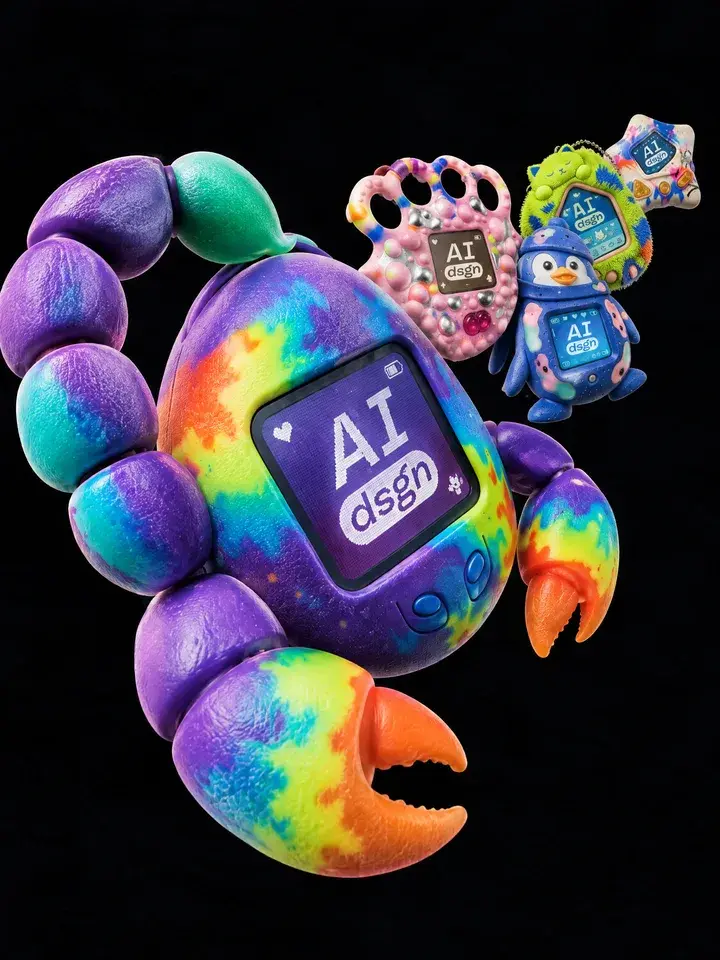
GPT Image 2.5 Flare
Copy
Use the uploaded image as the sole content source and preserve one complete object with its exact recognizable silhouette, rigid construction, proportions, number and placement of parts, colors, materials, textures, patterns, logos, inscriptions and small identifying details. Create an extreme close-proximity forced-perspective photograph using 6 mm rectilinear ultra-wide optics at minimum focusing distance. Treat the object as an unchanged rigid three-dimensional volume; all visual exaggeration comes entirely from the camera position and viewing direction. Analyze the specific geometry and choose an individual camera axis: follow the length of an elongated form, approach a flat form edge-first, use the strongest asymmetrical contour of a compact form, or look along the functional direction of a projecting part. Rotate the object freely in pitch, yaw and roll until this geometry-specific axis points deeply into the camera, placing one meaningful surface extremely close to the lens while the opposite structure recedes rapidly through space. Create an unmistakable continuous scale gradient across the whole object: nearby surfaces expand dramatically, repeated details shrink quickly with distance, parallel structural lines converge and the far end becomes visibly smaller while every part remains correctly connected. Build this extreme perspective first, then extend the surrounding canvas until the entire already-distorted object fits inside the image with clear breathing room. The image contains one object only, fully visible and structurally intact. Levitate it freely in the original environment with visible empty space beneath it, zero support, zero surface contact and zero cast or contact shadow. Preserve the original background, lighting, colors and atmosphere, reprojected consistently from the new camera position. Use a clean full-bleed rectangular photograph with uninterrupted background in all four corners and the physical lens outside the image. The final viewpoint must arise from this object’s unique construction rather than from a standard frontal or three-quarter product composition.
Для людей
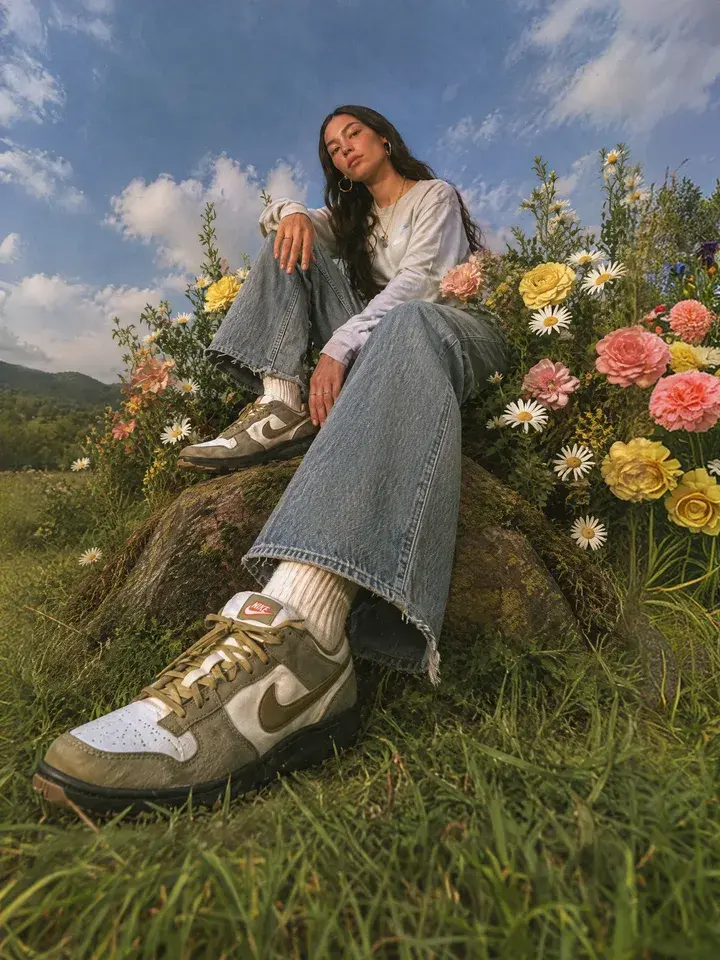
GPT Image 2.5 Flare
Copy
Use the uploaded image as the authoritative full-scene reference. Preserve the exact number of people and each person’s recognizable identity, facial features, age, skin tone, hairstyle, body type, clothing, footwear, accessories, colors, prints, logos and fabric textures. Preserve the same recognizable location, surrounding objects, architecture or landscape, lighting, weather, time of day, palette and atmosphere. Preserve the source framing category and visible anatomy: a headshot remains a headshot, waist-up remains waist-up, three-quarter remains three-quarter and full-body remains full-body. Analyze the existing pose, silhouette, dominant body axis, garment volume and direction of movement, then choose an individual camera side, height, tilt and rotation that presents this specific figure most powerfully. Use the original pose as the source of dynamism and intensify its natural line through camera placement. Position an extreme rectilinear ultra-wide close-focus virtual camera at point-blank range beside a broad connected body or clothing plane such as the shoulder with torso, side of the coat, torso with hip or flowing fabric. Aim along the whole visible figure so the complete silhouette recedes through depth in one continuous scale cascade, with the nearest third appearing approximately three times larger than the farthest third. Keep the face, hands, knees and feet integrated with their neighboring anatomy. Make the extreme wide-angle perspective unmistakable across the entire person through expanded near volume, rapid scale reduction, powerful foreshortening, stretched peripheral space and environmental lines converging around the figure. Keep every originally visible part fully inside the frame with 8–12% breathing room. Reconstruct the same environment consistently from the new viewpoint and continue newly revealed areas seamlessly. The photograph fills the complete rectangular canvas edge to edge with natural background imagery in all four corners; optical hardware, circular image boundaries, black rims and vignetting are entirely absent.

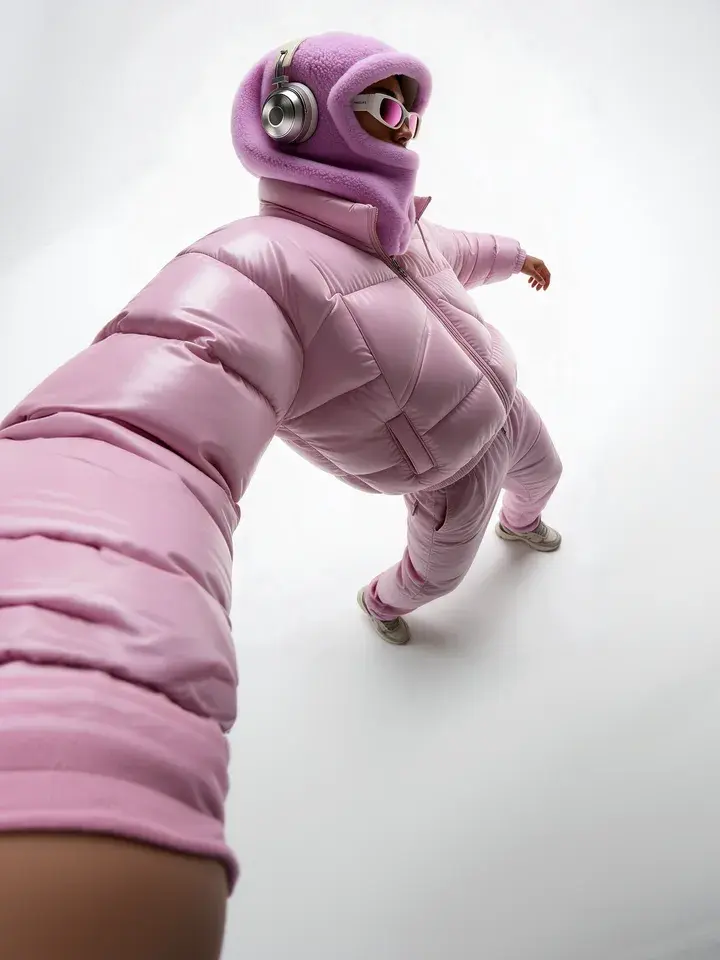
Seedream 5.0 Pro
Copy
Use the uploaded image as the sole visual source and preserve the person’s exact recognizable identity, facial features, hairstyle, skin tone, body type, clothing, footwear, accessories, colors, prints, materials and fabric textures. Create an extreme full-body wide-angle fashion photograph in which perspective distortion is distributed continuously across the entire figure rather than concentrated in one hand, foot or isolated garment detail. Rebuild the pose so the head, shoulders, ribcage, arms, pelvis, knees, legs and feet occupy multiple clearly separated depth planes along one strong curved or diagonal spatial path. The whole person must feel stretched through three-dimensional space, with a gradual and dramatic scale transition running through the complete silhouette from the nearest broad body plane to the farthest body plane. Build the depth from large connected volumes of the shoulders, torso, hips, clothing and limbs; hands and footwear remain proportional continuations of this whole-body perspective. Use an 8 mm rectilinear ultra-wide lens at very close camera distance with full-sensor coverage, powerful spatial expansion and strong perspective convergence across the entire body and surrounding environment. The wide-angle effect must be visible simultaneously in the changing scale of the shoulders, torso, pelvis, arms, legs and background, while the anatomy remains naturally connected and the face stays clearly recognizable. Select a fresh camera height, direction and body axis from the specific silhouette, outfit and leading lines of the uploaded environment. Create an unconventional candid movement driven by the center of gravity, torso rotation and shifting balance, with the whole body participating in the gesture. Arrange the complete figure in deep perspective first, then frame the scene so the person remains fully visible from head to soles with both hands, both feet, every accessory and clear breathing room around the silhouette. Preserve the original location, background elements, lighting, colors and atmosphere, reprojected consistently through the new viewpoint. Use a clean rectangular edge-to-edge photograph with uninterrupted background in every corner and the physical lens outside the image.
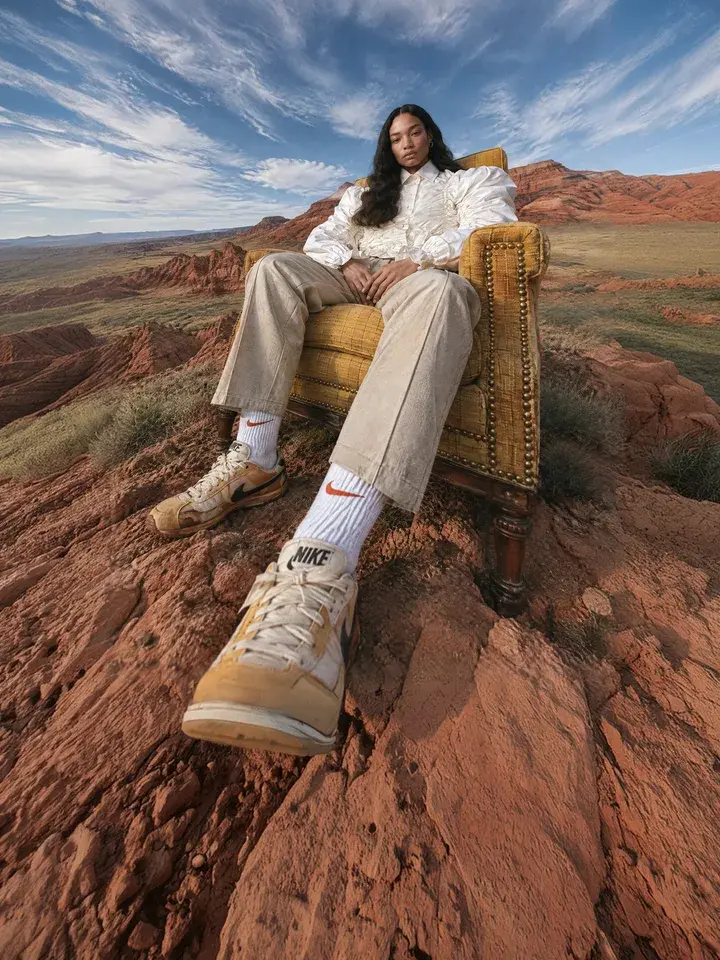
GPT Image 2.5 Flare
Copy
Use the uploaded image as the authoritative full-scene reference. Preserve the exact number of people and each person’s recognizable identity, facial features, age, skin tone, hairstyle, body type, clothing, footwear, accessories, colors, prints, logos and fabric textures. Preserve the same recognizable location, surrounding objects, architecture or landscape, lighting, weather, time of day, palette and atmosphere. Preserve the source framing category and visible anatomy: a headshot remains a headshot, waist-up remains waist-up, three-quarter remains three-quarter and full-body remains full-body. Analyze the existing pose, silhouette, dominant body axis, garment volume and direction of movement, then choose an individual camera side, height, tilt and rotation that presents this specific figure most powerfully. Use the original pose as the source of dynamism and intensify its natural line through camera placement. Position an extreme rectilinear ultra-wide close-focus virtual camera at point-blank range beside a broad connected body or clothing plane such as the shoulder with torso, side of the coat, torso with hip or flowing fabric. Aim along the whole visible figure so the complete silhouette recedes through depth in one continuous scale cascade, with the nearest third appearing approximately three times larger than the farthest third. Keep the face, hands, knees and feet integrated with their neighboring anatomy. Make the extreme wide-angle perspective unmistakable across the entire person through expanded near volume, rapid scale reduction, powerful foreshortening, stretched peripheral space and environmental lines converging around the figure. Keep every originally visible part fully inside the frame with 8–12% breathing room. Reconstruct the same environment consistently from the new viewpoint and continue newly revealed areas seamlessly. The photograph fills the complete rectangular canvas edge to edge with natural background imagery in all four corners; optical hardware, circular image boundaries, black rims and vignetting are entirely absent.
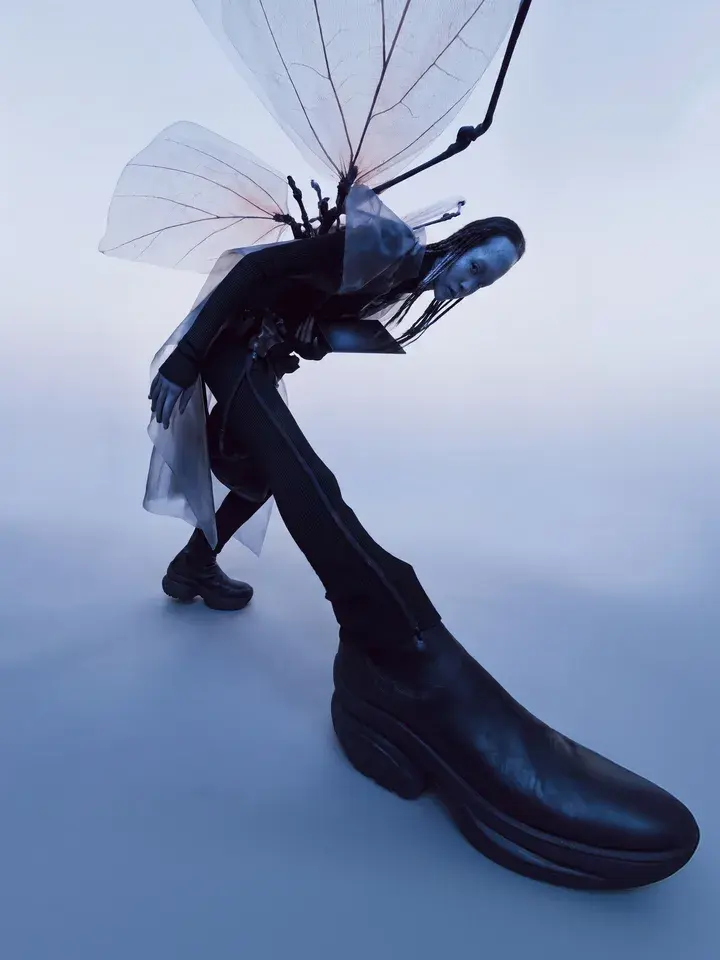
Nano Banana Pro
Copy
Use the uploaded image as the sole visual source and preserve the person’s exact recognizable identity, facial features, hairstyle, skin tone, body type, clothing, footwear, accessories, colors, prints, materials and fabric textures. Create an extreme full-body wide-angle fashion photograph in which perspective distortion is distributed continuously across the entire figure rather than concentrated in one hand, foot or isolated garment detail. Rebuild the pose so the head, shoulders, ribcage, arms, pelvis, knees, legs and feet occupy multiple clearly separated depth planes along one strong curved or diagonal spatial path. The whole person must feel stretched through three-dimensional space, with a gradual and dramatic scale transition running through the complete silhouette from the nearest broad body plane to the farthest body plane. Build the depth from large connected volumes of the shoulders, torso, hips, clothing and limbs; hands and footwear remain proportional continuations of this whole-body perspective. Use an 8 mm rectilinear ultra-wide lens at very close camera distance with full-sensor coverage, powerful spatial expansion and strong perspective convergence across the entire body and surrounding environment. The wide-angle effect must be visible simultaneously in the changing scale of the shoulders, torso, pelvis, arms, legs and background, while the anatomy remains naturally connected and the face stays clearly recognizable. Select a fresh camera height, direction and body axis from the specific silhouette, outfit and leading lines of the uploaded environment. Create an unconventional candid movement driven by the center of gravity, torso rotation and shifting balance, with the whole body participating in the gesture. Arrange the complete figure in deep perspective first, then frame the scene so the person remains fully visible from head to soles with both hands, both feet, every accessory and clear breathing room around the silhouette. Preserve the original location, background elements, lighting, colors and atmosphere, reprojected consistently through the new viewpoint. Use a clean rectangular edge-to-edge photograph with uninterrupted background in every corner and the physical lens outside the image.

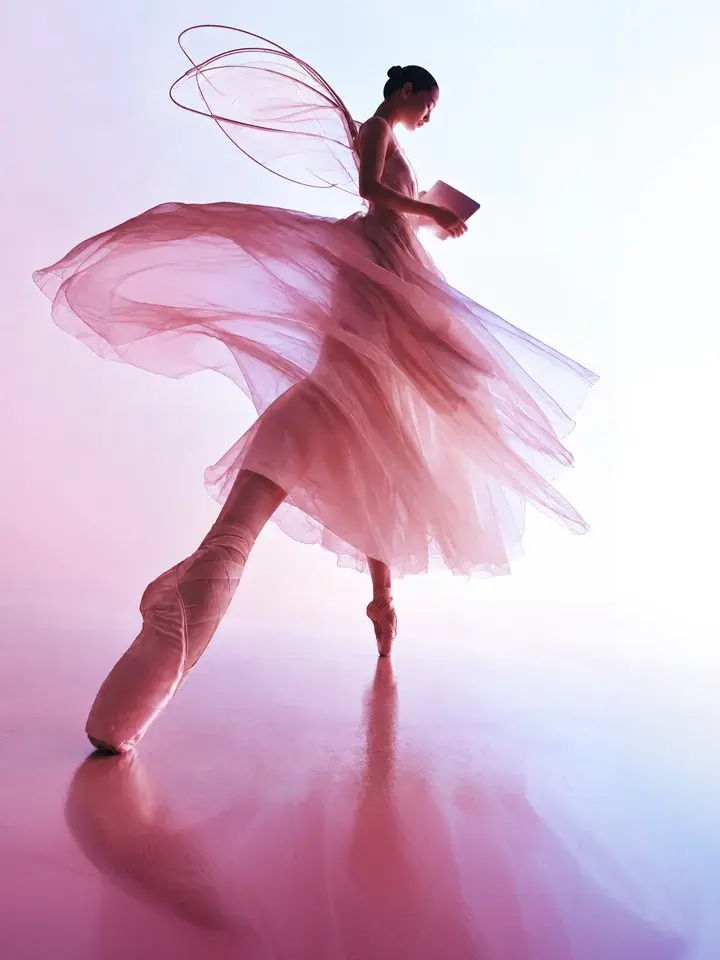
GPT Image 2.5 Flare
Copy
Use the uploaded image as the sole visual source and preserve the person’s exact recognizable identity, facial features, hairstyle, skin tone, body type, clothing, footwear, accessories, colors, prints, materials and fabric textures. Create an extreme full-body wide-angle fashion photograph in which perspective distortion is distributed continuously across the entire figure rather than concentrated in one hand, foot or isolated garment detail. Rebuild the pose so the head, shoulders, ribcage, arms, pelvis, knees, legs and feet occupy multiple clearly separated depth planes along one strong curved or diagonal spatial path. The whole person must feel stretched through three-dimensional space, with a gradual and dramatic scale transition running through the complete silhouette from the nearest broad body plane to the farthest body plane. Build the depth from large connected volumes of the shoulders, torso, hips, clothing and limbs; hands and footwear remain proportional continuations of this whole-body perspective. Use an 8 mm rectilinear ultra-wide lens at very close camera distance with full-sensor coverage, powerful spatial expansion and strong perspective convergence across the entire body and surrounding environment. The wide-angle effect must be visible simultaneously in the changing scale of the shoulders, torso, pelvis, arms, legs and background, while the anatomy remains naturally connected and the face stays clearly recognizable. Select a fresh camera height, direction and body axis from the specific silhouette, outfit and leading lines of the uploaded environment. Create an unconventional candid movement driven by the center of gravity, torso rotation and shifting balance, with the whole body participating in the gesture. Arrange the complete figure in deep perspective first, then frame the scene so the person remains fully visible from head to soles with both hands, both feet, every accessory and clear breathing room around the silhouette. Preserve the original location, background elements, lighting, colors and atmosphere, reprojected consistently through the new viewpoint. Use a clean rectangular edge-to-edge photograph with uninterrupted background in every corner and the physical lens outside the image.
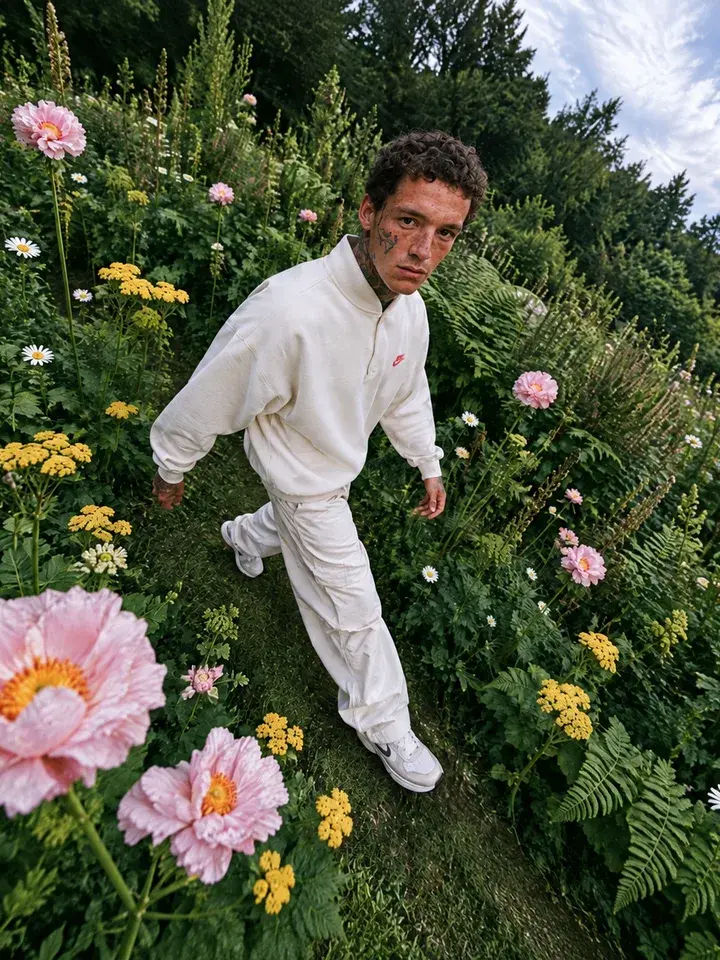
GPT Image 2.5 Flare
Copy
Use the uploaded image as the fixed visual source. Preserve the person’s identity with very high fidelity: the same recognizable face, facial features, body proportions, hairstyle, skin tone, clothing, footwear, accessories, colors, prints, materials and fabric textures.Before generating, silently analyze this specific person, outfit and environment. Select a unique camera position and a non-generic movement that visually suits this particular subject. Do not automatically use the same low-angle shot, frontal composition or hand-to-camera pose.Create a bold experimental fashion photograph captured with an extreme 8–12 mm ultra-wide lens at close camera distance. The wide-angle perspective must be immediately obvious: dramatic depth, strong foreground-to-background scale difference, stretched spatial lines, pronounced perspective convergence and controlled optical distortion. The distortion must come from the camera position and depth, not from broken anatomy.Choose the most flattering and visually interesting viewpoint for this exact person and scene: an extreme low diagonal, high oblique view, side-skimming angle, tilted orbital view or another unexpected off-axis perspective. Select only the angle that best complements the person’s silhouette, clothing and surrounding architecture. Never default to an ordinary eye-level or standard three-quarter portrait.Show the person caught naturally in the middle of an unusual movement rather than performing a staged modeling pose. Use asymmetry, shifting balance, torso rotation, opposing shoulder and hip directions, a suspended step, pivot, lean, turn or another spontaneous transitional gesture appropriate to the environment. The pose must feel editorial, effortless and slightly unpredictable.Do not use a hand reaching toward the camera. No giant palm, pointing finger or grabbing-the-lens gesture. If a foreground accent is needed, use a shoe, garment edge, shoulder, bent knee, bag or another visually relevant element instead.The entire person must remain fully visible from the top of the head to the soles of the shoes. Both arms, both hands, both legs, all clothing and all accessories must fit completely inside the image. Leave clear breathing room around the complete silhouette; no body part may touch or cross the frame edge. Adjust the camera distance, body orientation and diagonal placement to preserve the extreme perspective while keeping the full figure in frame.Retain the original location and background from the uploaded image: the same recognizable setting, structures, landscape, colors, textures, lighting direction and atmosphere. Reconstruct the background consistently from the new ultra-wide camera viewpoint. Do not replace it with a white studio, empty backdrop or unrelated environment.The result
should feel like a high-end experimental editorial photograph: dynamic, visually daring and strongly distorted by a real ultra-wide lens, while the person’s identity, anatomy, clothing and environment remain clearly recognizable.Hard exclusions: cropped body, missing feet, missing hands, changed face, changed outfit, malformed anatomy, static frontal stance, conventional catalog pose, hand reaching into the lens, generic low-angle composition, weak wide-angle effect, ordinary portrait perspective, white replacement background.


Nano Banana Pro
Copy
Use the uploaded image as the sole visual source and preserve the person’s exact recognizable identity, facial features, hairstyle, skin tone, body type, clothing, footwear, accessories, colors, prints, materials and fabric textures. Create an extreme full-body wide-angle fashion photograph in which perspective distortion is distributed continuously across the entire figure rather than concentrated in one hand, foot or isolated garment detail. Rebuild the pose so the head, shoulders, ribcage, arms, pelvis, knees, legs and feet occupy multiple clearly separated depth planes along one strong curved or diagonal spatial path. The whole person must feel stretched through three-dimensional space, with a gradual and dramatic scale transition running through the complete silhouette from the nearest broad body plane to the farthest body plane. Build the depth from large connected volumes of the shoulders, torso, hips, clothing and limbs; hands and footwear remain proportional continuations of this whole-body perspective. Use an 8 mm rectilinear ultra-wide lens at very close camera distance with full-sensor coverage, powerful spatial expansion and strong perspective convergence across the entire body and surrounding environment. The wide-angle effect must be visible simultaneously in the changing scale of the shoulders, torso, pelvis, arms, legs and background, while the anatomy remains naturally connected and the face stays clearly recognizable. Select a fresh camera height, direction and body axis from the specific silhouette, outfit and leading lines of the uploaded environment. Create an unconventional candid movement driven by the center of gravity, torso rotation and shifting balance, with the whole body participating in the gesture. Arrange the complete figure in deep perspective first, then frame the scene so the person remains fully visible from head to soles with both hands, both feet, every accessory and clear breathing room around the silhouette. Preserve the original location, background elements, lighting, colors and atmosphere, reprojected consistently through the new viewpoint. Use a clean rectangular edge-to-edge photograph with uninterrupted background in every corner and the physical lens outside the image.
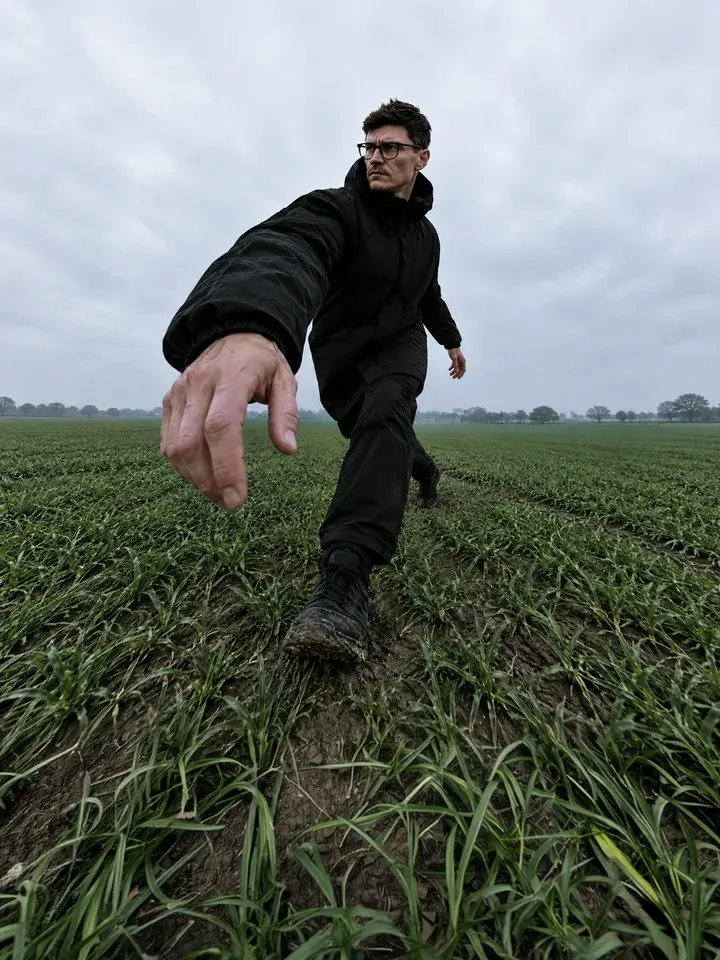
GPT Image 2.5 Flare
Copy
Use the uploaded image as the visual source and preserve the person’s recognizable identity, facial features, hairstyle, body type, clothing, footwear, accessories, colors, prints, materials and fabric textures. Create a completely new editorial composition built around extreme perspective foreshortening and an input-specific whole-body movement. Analyze the person’s silhouette, clothing volume, accessories, dominant body line and the directional structure of the original environment. Select the strongest graphic zone of the actual outfit or silhouette as the foreground anchor and align a long diagonal through the body almost toward the camera, placing the remaining body mass progressively deeper in space. The nearest zone occupies 35–50% of the composition and appears approximately three times larger than the farthest zone, producing an unmistakable near-to-far scale shift while the face remains clear and recognizable. Build the pose through the center of gravity, ribcage and pelvis with an asymmetrical transitional movement, spatial torso rotation, changing balance and limbs moving across different lateral and depth planes. The foreground anchor comes from the specific styling and body line rather than a default extended hand, knee or shoe. Determine the camera height, side and direction from the interaction between the unique body axis and the leading lines of the uploaded background, creating a different viewpoint for every person. Use a 10 mm rectilinear ultra-wide perspective with clean rectangular edge-to-edge coverage, uninterrupted corners and the lens completely outside the photograph. Keep the complete person visible from head to soles, including both hands, both feet, clothing and accessories, with breathing room around the entire silhouette. Preserve the same recognizable location, background elements, lighting, colors and atmosphere. The final image feels spontaneous, unconventional and strongly dimensional, with extreme perspective clearly visible before any styling effects.

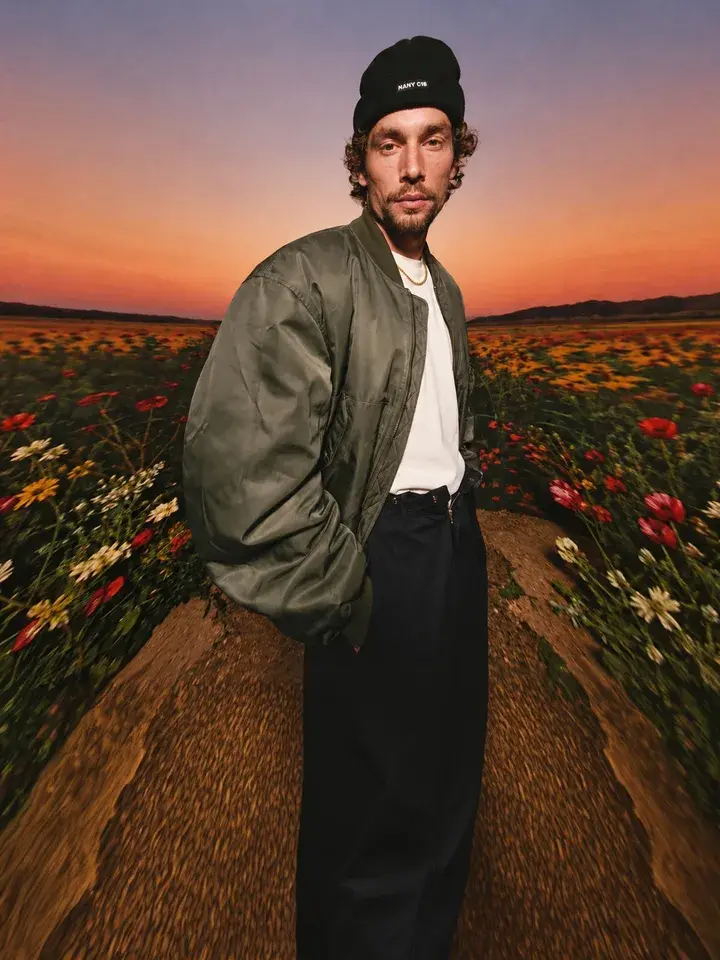
Nano Banana Pro
Copy
Use the uploaded image as the authoritative full-scene reference. Preserve the exact number of people and each person’s recognizable identity, facial features, age, skin tone, hairstyle, body type, clothing, footwear, accessories, colors, prints, logos and fabric textures. Preserve the same recognizable location, surrounding objects, architecture or landscape, lighting, weather, time of day, palette and atmosphere. Preserve the source framing category and visible anatomy: a headshot remains a headshot, waist-up remains waist-up, three-quarter remains three-quarter and full-body remains full-body. Analyze the existing pose, silhouette, dominant body axis, garment volume and direction of movement, then choose an individual camera side, height, tilt and rotation that presents this specific figure most powerfully. Use the original pose as the source of dynamism and intensify its natural line through camera placement. Position an extreme rectilinear ultra-wide close-focus virtual camera at point-blank range beside a broad connected body or clothing plane such as the shoulder with torso, side of the coat, torso with hip or flowing fabric. Aim along the whole visible figure so the complete silhouette recedes through depth in one continuous scale cascade, with the nearest third appearing approximately three times larger than the farthest third. Keep the face, hands, knees and feet integrated with their neighboring anatomy. Make the extreme wide-angle perspective unmistakable across the entire person through expanded near volume, rapid scale reduction, powerful foreshortening, stretched peripheral space and environmental lines converging around the figure. Keep every originally visible part fully inside the frame with 8–12% breathing room. Reconstruct the same environment consistently from the new viewpoint and continue newly revealed areas seamlessly. The photograph fills the complete rectangular canvas edge to edge with natural background imagery in all four corners; optical hardware, circular image boundaries, black rims and vignetting are entirely absent.
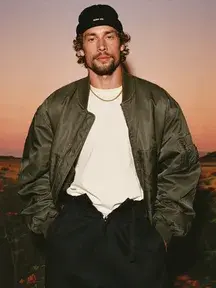
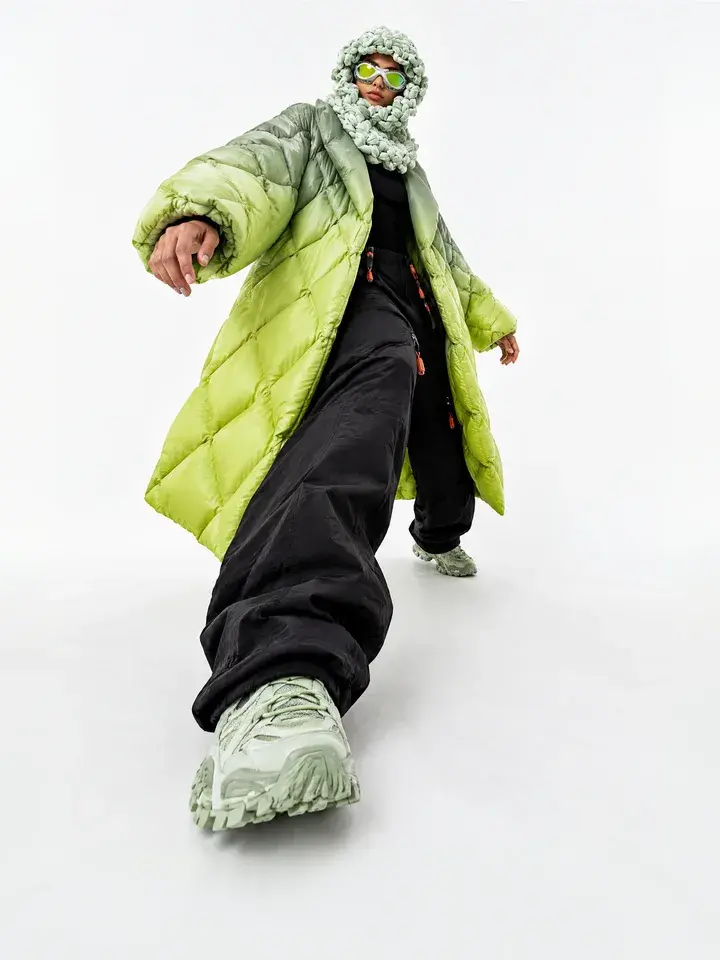
GPT Image 2.5 Flare
Copy
Use the uploaded image as the sole visual source and preserve the person’s exact recognizable identity, facial features, hairstyle, skin tone, body type, clothing, footwear, accessories, colors, prints, materials and fabric textures. Create an extreme full-body wide-angle fashion photograph in which perspective distortion is distributed continuously across the entire figure rather than concentrated in one hand, foot or isolated garment detail. Rebuild the pose so the head, shoulders, ribcage, arms, pelvis, knees, legs and feet occupy multiple clearly separated depth planes along one strong curved or diagonal spatial path. The whole person must feel stretched through three-dimensional space, with a gradual and dramatic scale transition running through the complete silhouette from the nearest broad body plane to the farthest body plane. Build the depth from large connected volumes of the shoulders, torso, hips, clothing and limbs; hands and footwear remain proportional continuations of this whole-body perspective. Use an 8 mm rectilinear ultra-wide lens at very close camera distance with full-sensor coverage, powerful spatial expansion and strong perspective convergence across the entire body and surrounding environment. The wide-angle effect must be visible simultaneously in the changing scale of the shoulders, torso, pelvis, arms, legs and background, while the anatomy remains naturally connected and the face stays clearly recognizable. Select a fresh camera height, direction and body axis from the specific silhouette, outfit and leading lines of the uploaded environment. Create an unconventional candid movement driven by the center of gravity, torso rotation and shifting balance, with the whole body participating in the gesture. Arrange the complete figure in deep perspective first, then frame the scene so the person remains fully visible from head to soles with both hands, both feet, every accessory and clear breathing room around the silhouette. Preserve the original location, background elements, lighting, colors and atmosphere, reprojected consistently through the new viewpoint. Use a clean rectangular edge-to-edge photograph with uninterrupted background in every corner and the physical lens outside the image.
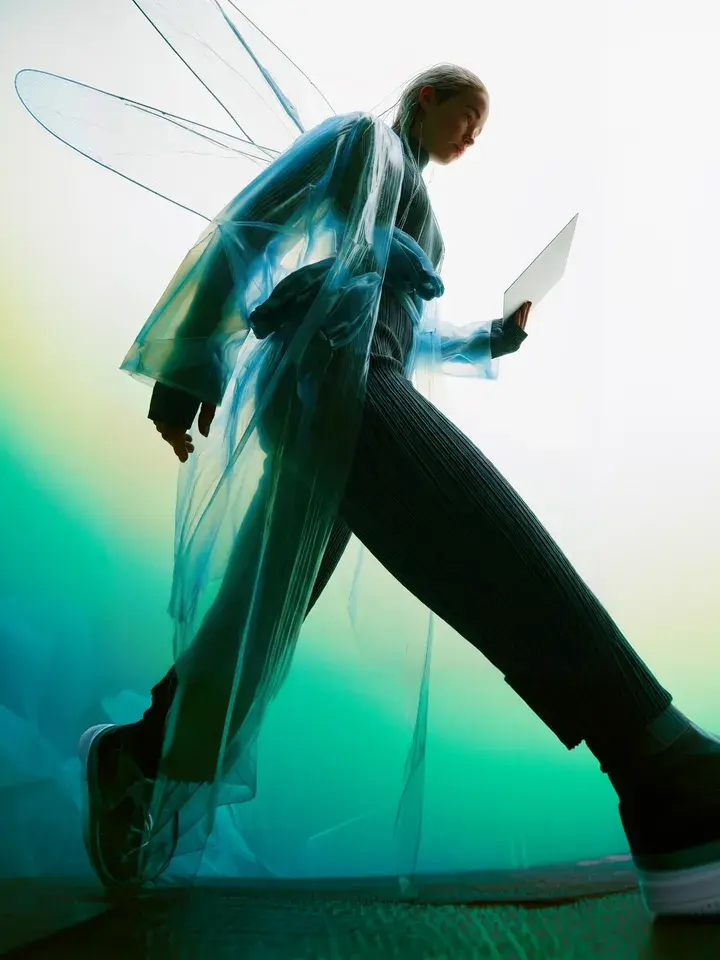
Nano Banana Pro
Copy
Use the uploaded image as the sole visual source and preserve one person’s exact recognizable identity, facial features, hairstyle, skin tone, body type, clothing, footwear, accessories, colors, prints, materials and fabric textures. Create an extreme close-proximity forced-perspective fashion photograph using 6 mm rectilinear ultra-wide optics at minimum focusing distance. Keep the anatomy coherent and generate all exaggeration through camera placement, viewing direction and real depth between body planes. Analyze the person’s silhouette, dominant clothing volume, accessories and the directional lines of the original environment, then redesign the pose and select a viewpoint specifically for this combination. Arrange the shoulders, ribcage, pelvis, clothing and legs along a deep oblique path aimed toward the camera so the whole figure recedes through space rather than remaining parallel to the image plane. Choose the nearest visual anchor from the actual structure of the outfit or movement: flowing fabric leads through its volume, structured outerwear leads through a shoulder or torso plane, a prominent accessory leads together with the body, and fitted clothing leads through the torso and pelvis. Hands and footwear remain integrated into the whole-body gesture rather than becoming the automatic foreground subject. Capture an unposed transitional movement driven by the center of gravity, spatial torso rotation, changing balance and opposing shoulder and hip directions. Create an unmistakable continuous scale gradient through the complete figure, with nearby body and clothing planes strongly enlarged and distant planes rapidly reduced. Build the extreme perspective first, then extend the original environment around the already-distorted figure until the entire person fits inside the frame from head to soles with both hands, both feet, every accessory and clear breathing room visible. Preserve the same recognizable location, background elements, lighting, colors and atmosphere. Use one person only and a clean full-bleed rectangular photograph with uninterrupted background in every corner and the physical lens outside the image.

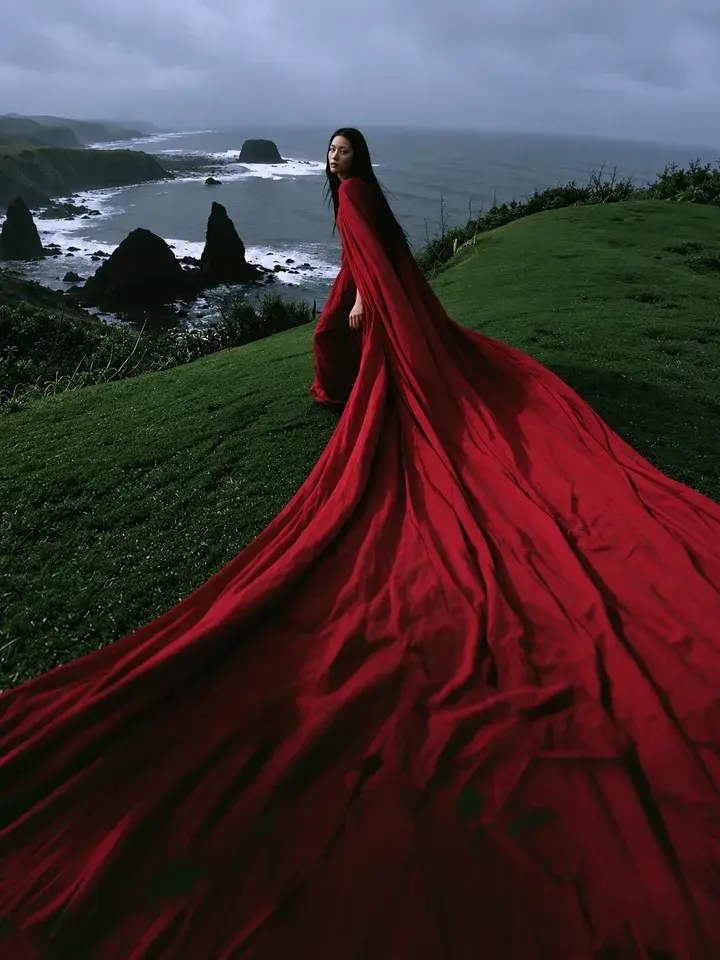
Seedream 5.0 Pro
Copy
Use the uploaded image as the visual source and preserve the person’s recognizable identity, facial features, hairstyle, body type, clothing, footwear, accessories, colors, prints, materials and fabric textures. Create a completely new editorial composition built around extreme perspective foreshortening and an input-specific whole-body movement. Analyze the person’s silhouette, clothing volume, accessories, dominant body line and the directional structure of the original environment. Select the strongest graphic zone of the actual outfit or silhouette as the foreground anchor and align a long diagonal through the body almost toward the camera, placing the remaining body mass progressively deeper in space. The nearest zone occupies 35–50% of the composition and appears approximately three times larger than the farthest zone, producing an unmistakable near-to-far scale shift while the face remains clear and recognizable. Build the pose through the center of gravity, ribcage and pelvis with an asymmetrical transitional movement, spatial torso rotation, changing balance and limbs moving across different lateral and depth planes. The foreground anchor comes from the specific styling and body line rather than a default extended hand, knee or shoe. Determine the camera height, side and direction from the interaction between the unique body axis and the leading lines of the uploaded background, creating a different viewpoint for every person. Use a 10 mm rectilinear ultra-wide perspective with clean rectangular edge-to-edge coverage, uninterrupted corners and the lens completely outside the photograph. Keep the complete person visible from head to soles, including both hands, both feet, clothing and accessories, with breathing room around the entire silhouette. Preserve the same recognizable location, background elements, lighting, colors and atmosphere. The final image feels spontaneous, unconventional and strongly dimensional, with extreme perspective clearly visible before any styling effects.
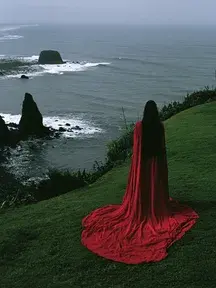
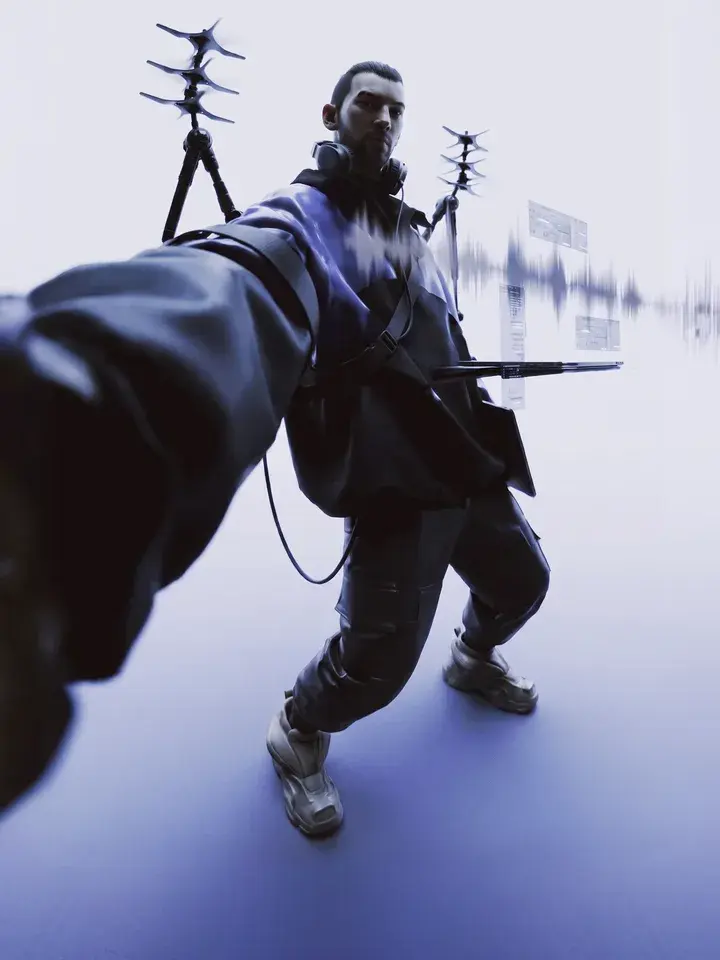
Nano Banana Pro
Copy
Use the uploaded image as the sole visual source and preserve one person’s exact recognizable identity, facial features, hairstyle, skin tone, body type, clothing, footwear, accessories, colors, prints, materials and fabric textures. Create an extreme close-proximity forced-perspective fashion photograph using 6 mm rectilinear ultra-wide optics at minimum focusing distance. Keep the anatomy coherent and generate all exaggeration through camera placement, viewing direction and real depth between body planes. Analyze the person’s silhouette, dominant clothing volume, accessories and the directional lines of the original environment, then redesign the pose and select a viewpoint specifically for this combination. Arrange the shoulders, ribcage, pelvis, clothing and legs along a deep oblique path aimed toward the camera so the whole figure recedes through space rather than remaining parallel to the image plane. Choose the nearest visual anchor from the actual structure of the outfit or movement: flowing fabric leads through its volume, structured outerwear leads through a shoulder or torso plane, a prominent accessory leads together with the body, and fitted clothing leads through the torso and pelvis. Hands and footwear remain integrated into the whole-body gesture rather than becoming the automatic foreground subject. Capture an unposed transitional movement driven by the center of gravity, spatial torso rotation, changing balance and opposing shoulder and hip directions. Create an unmistakable continuous scale gradient through the complete figure, with nearby body and clothing planes strongly enlarged and distant planes rapidly reduced. Build the extreme perspective first, then extend the original environment around the already-distorted figure until the entire person fits inside the frame from head to soles with both hands, both feet, every accessory and clear breathing room visible. Preserve the same recognizable location, background elements, lighting, colors and atmosphere. Use one person only and a clean full-bleed rectangular photograph with uninterrupted background in every corner and the physical lens outside the image.
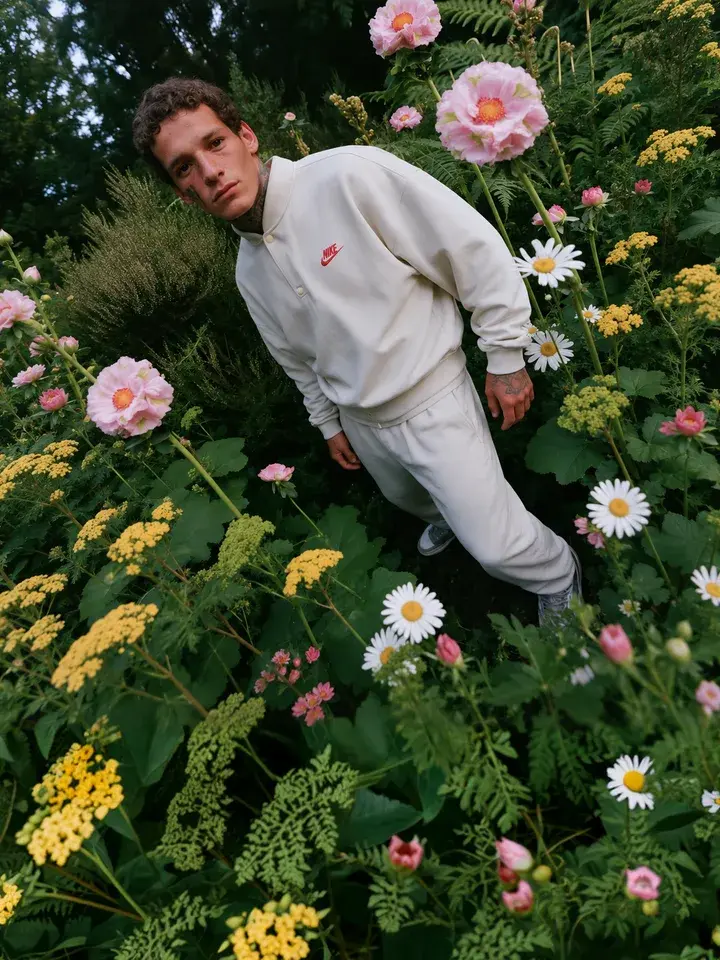
Seedream 5.0 Pro
Copy
Use the uploaded photo as the authoritative reference for both the person and the complete environment. Preserve the person one-to-one: exact facial identity, face shape, age, skin tone, hairstyle, body type, clothing, garment silhouettes, fabrics, textures, colors, patterns, logos, accessories, bag and footwear. Keep the face clearly visible and instantly recognizable. Create a full-length head-to-toe candid fashion photograph with the complete body, hair, hands, feet and accessories fully inside the frame and 8–12% of the surrounding environment visible around the silhouette. Capture the person in a spontaneous transitional movement that suits the clothing and location, such as turning, pivoting, moving across the frame or changing direction. Build an asymmetrical body line with a natural torso twist, shifted balance, shoulders and hips on different axes and limbs distributed across several depth planes. Both hands remain relaxed secondary elements beside the body or naturally holding the original belongings, positioned away from the central lens axis. Create the perspective through camera placement, body rotation, stride, garment volume and spatial depth. Photograph from a close oblique three-quarter viewpoint with a 10mm rectilinear ultra-wide lens. Select a low or elevated camera position according to the scene and place the full body diagonally through depth. The closest plane of the body, clothing or original accessory appears two to three times larger than the farthest plane, producing unmistakable wide-angle foreshortening and stretched peripheral perspective while preserving realistic anatomy. Use the wide field of view and careful framing to contain the complete figure while the camera remains close. Preserve the original background as the same identifiable place with its architecture, landscape, furniture, objects, colors, textures, weather and lighting. Reconstruct the same environment consistently from the new camera position and apply the same ultra-wide perspective to its depth lines and peripheral areas. Match the original light direction, color temperature, reflections and shadows. Every visible element belongs to the original photo. Spontaneous unposed editorial movement, strong spatial depth, contemporary fashion photography.
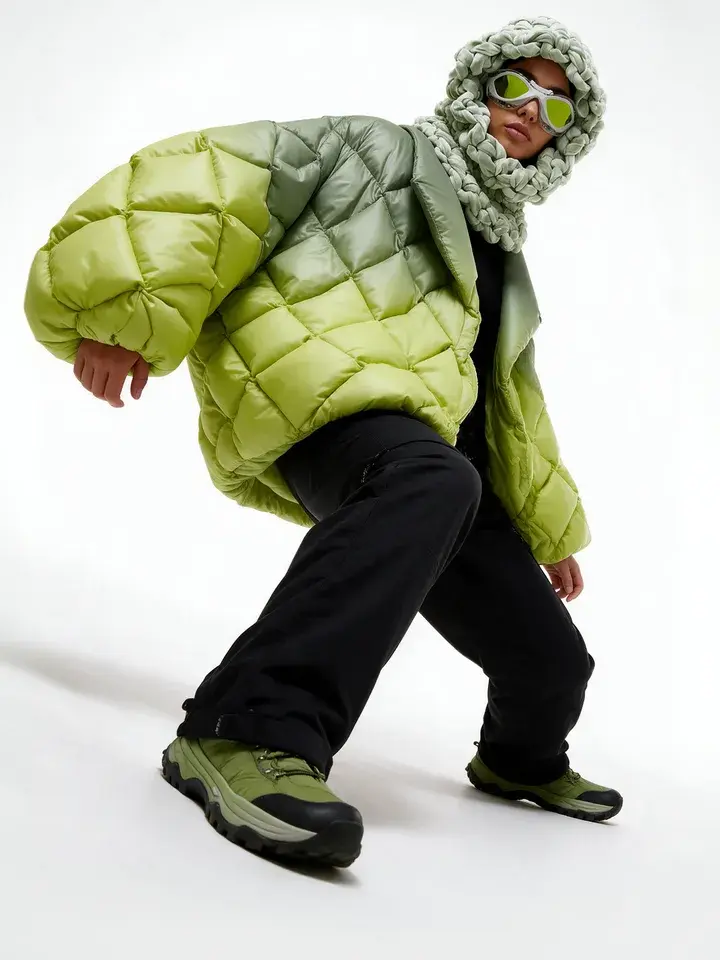
Seedream 5.0 Pro
Copy
Use the uploaded image as the sole visual source and preserve the person’s exact recognizable identity, facial features, hairstyle, skin tone, body type, clothing, footwear, accessories, colors, prints, materials and fabric textures. Create an extreme full-body wide-angle fashion photograph in which perspective distortion is distributed continuously across the entire figure rather than concentrated in one hand, foot or isolated garment detail. Rebuild the pose so the head, shoulders, ribcage, arms, pelvis, knees, legs and feet occupy multiple clearly separated depth planes along one strong curved or diagonal spatial path. The whole person must feel stretched through three-dimensional space, with a gradual and dramatic scale transition running through the complete silhouette from the nearest broad body plane to the farthest body plane. Build the depth from large connected volumes of the shoulders, torso, hips, clothing and limbs; hands and footwear remain proportional continuations of this whole-body perspective. Use an 8 mm rectilinear ultra-wide lens at very close camera distance with full-sensor coverage, powerful spatial expansion and strong perspective convergence across the entire body and surrounding environment. The wide-angle effect must be visible simultaneously in the changing scale of the shoulders, torso, pelvis, arms, legs and background, while the anatomy remains naturally connected and the face stays clearly recognizable. Select a fresh camera height, direction and body axis from the specific silhouette, outfit and leading lines of the uploaded environment. Create an unconventional candid movement driven by the center of gravity, torso rotation and shifting balance, with the whole body participating in the gesture. Arrange the complete figure in deep perspective first, then frame the scene so the person remains fully visible from head to soles with both hands, both feet, every accessory and clear breathing room around the silhouette. Preserve the original location, background elements, lighting, colors and atmosphere, reprojected consistently through the new viewpoint. Use a clean rectangular edge-to-edge photograph with uninterrupted background in every corner and the physical lens outside the image.
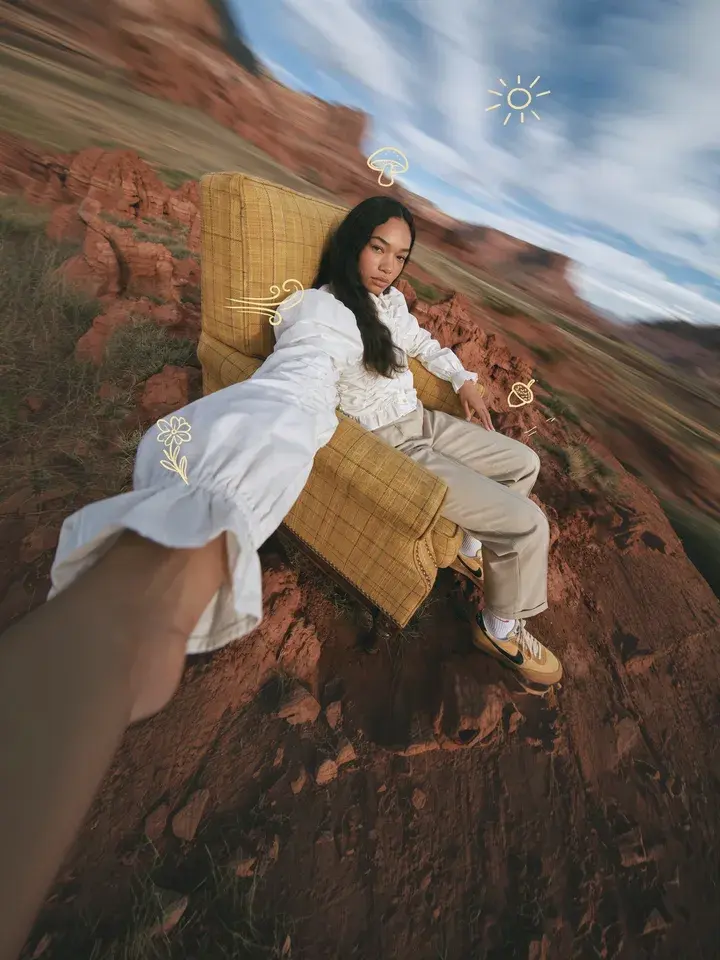
Nano Banana Pro
Copy
Use the uploaded image as the authoritative full-scene reference. Preserve the exact number of people and each person’s recognizable identity, facial features, age, skin tone, hairstyle, body type, clothing, footwear, accessories, colors, prints, logos and fabric textures. Preserve the same recognizable location, surrounding objects, architecture or landscape, lighting, weather, time of day, palette and atmosphere. Preserve the source framing category and visible anatomy: a headshot remains a headshot, waist-up remains waist-up, three-quarter remains three-quarter and full-body remains full-body. Analyze the existing pose, silhouette, dominant body axis, garment volume and direction of movement, then choose an individual camera side, height, tilt and rotation that presents this specific figure most powerfully. Use the original pose as the source of dynamism and intensify its natural line through camera placement. Position an extreme rectilinear ultra-wide close-focus virtual camera at point-blank range beside a broad connected body or clothing plane such as the shoulder with torso, side of the coat, torso with hip or flowing fabric. Aim along the whole visible figure so the complete silhouette recedes through depth in one continuous scale cascade, with the nearest third appearing approximately three times larger than the farthest third. Keep the face, hands, knees and feet integrated with their neighboring anatomy. Make the extreme wide-angle perspective unmistakable across the entire person through expanded near volume, rapid scale reduction, powerful foreshortening, stretched peripheral space and environmental lines converging around the figure. Keep every originally visible part fully inside the frame with 8–12% breathing room. Reconstruct the same environment consistently from the new viewpoint and continue newly revealed areas seamlessly. The photograph fills the complete rectangular canvas edge to edge with natural background imagery in all four corners; optical hardware, circular image boundaries, black rims and vignetting are entirely absent.
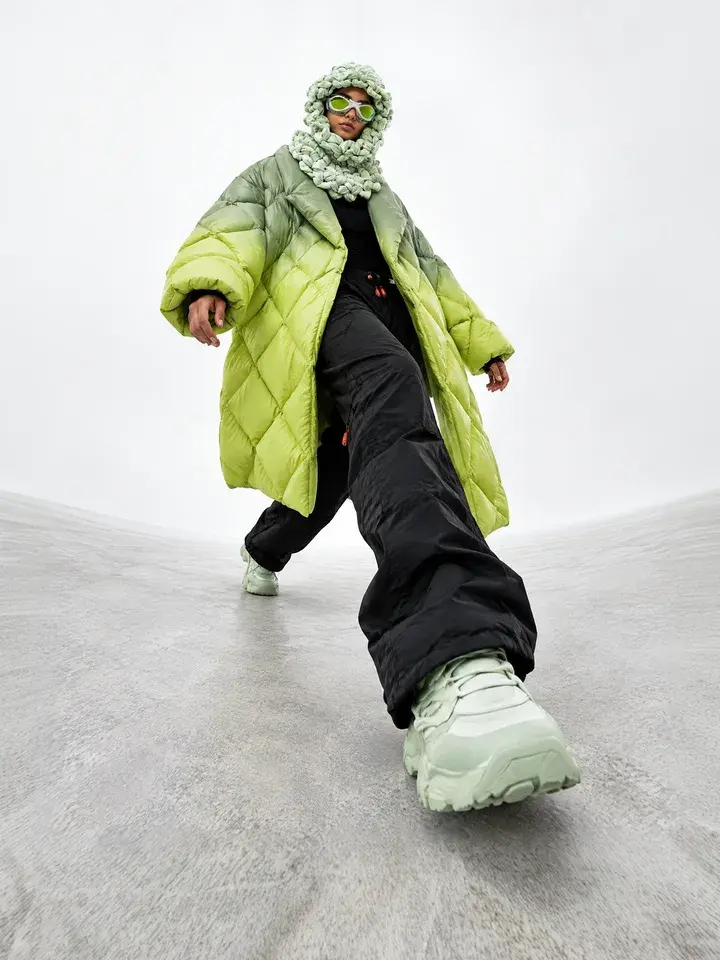
GPT Image 2.5 Flare
Copy
Use the uploaded image as the sole visual source and preserve the person’s exact recognizable identity, facial features, hairstyle, skin tone, body type, clothing, footwear, accessories, colors, prints, materials and fabric textures. Create an extreme full-body wide-angle fashion photograph in which perspective distortion is distributed continuously across the entire figure rather than concentrated in one hand, foot or isolated garment detail. Rebuild the pose so the head, shoulders, ribcage, arms, pelvis, knees, legs and feet occupy multiple clearly separated depth planes along one strong curved or diagonal spatial path. The whole person must feel stretched through three-dimensional space, with a gradual and dramatic scale transition running through the complete silhouette from the nearest broad body plane to the farthest body plane. Build the depth from large connected volumes of the shoulders, torso, hips, clothing and limbs; hands and footwear remain proportional continuations of this whole-body perspective. Use an 8 mm rectilinear ultra-wide lens at very close camera distance with full-sensor coverage, powerful spatial expansion and strong perspective convergence across the entire body and surrounding environment. The wide-angle effect must be visible simultaneously in the changing scale of the shoulders, torso, pelvis, arms, legs and background, while the anatomy remains naturally connected and the face stays clearly recognizable. Select a fresh camera height, direction and body axis from the specific silhouette, outfit and leading lines of the uploaded environment. Create an unconventional candid movement driven by the center of gravity, torso rotation and shifting balance, with the whole body participating in the gesture. Arrange the complete figure in deep perspective first, then frame the scene so the person remains fully visible from head to soles with both hands, both feet, every accessory and clear breathing room around the silhouette. Preserve the original location, background elements, lighting, colors and atmosphere, reprojected consistently through the new viewpoint. Use a clean rectangular edge-to-edge photograph with uninterrupted background in every corner and the physical lens outside the image.
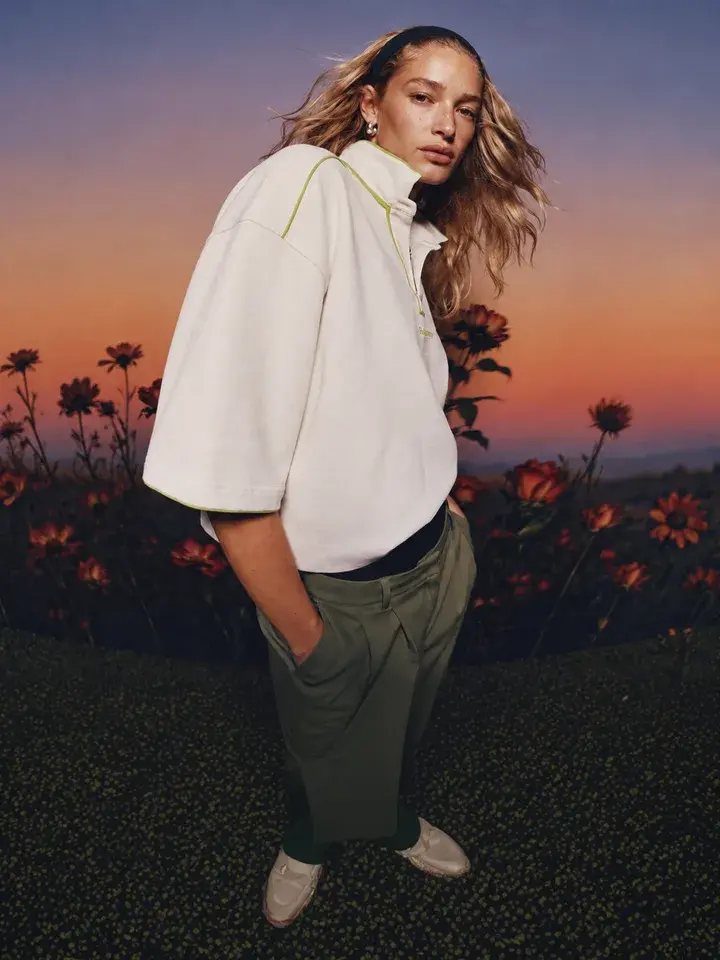
Nano Banana Pro
Copy
Use the uploaded image as the authoritative full-scene reference. Preserve the exact number of people and each person’s recognizable identity, facial features, age, skin tone, hairstyle, body type, clothing, footwear, accessories, colors, prints, logos and fabric textures. Preserve the same recognizable location, surrounding objects, architecture or landscape, lighting, weather, time of day, palette and atmosphere. Preserve the source framing category and visible anatomy: a headshot remains a headshot, waist-up remains waist-up, three-quarter remains three-quarter and full-body remains full-body. Analyze the existing pose, silhouette, dominant body axis, garment volume and direction of movement, then choose an individual camera side, height, tilt and rotation that presents this specific figure most powerfully. Use the original pose as the source of dynamism and intensify its natural line through camera placement. Position an extreme rectilinear ultra-wide close-focus virtual camera at point-blank range beside a broad connected body or clothing plane such as the shoulder with torso, side of the coat, torso with hip or flowing fabric. Aim along the whole visible figure so the complete silhouette recedes through depth in one continuous scale cascade, with the nearest third appearing approximately three times larger than the farthest third. Keep the face, hands, knees and feet integrated with their neighboring anatomy. Make the extreme wide-angle perspective unmistakable across the entire person through expanded near volume, rapid scale reduction, powerful foreshortening, stretched peripheral space and environmental lines converging around the figure. Keep every originally visible part fully inside the frame with 8–12% breathing room. Reconstruct the same environment consistently from the new viewpoint and continue newly revealed areas seamlessly. The photograph fills the complete rectangular canvas edge to edge with natural background imagery in all four corners; optical hardware, circular image boundaries, black rims and vignetting are entirely absent.

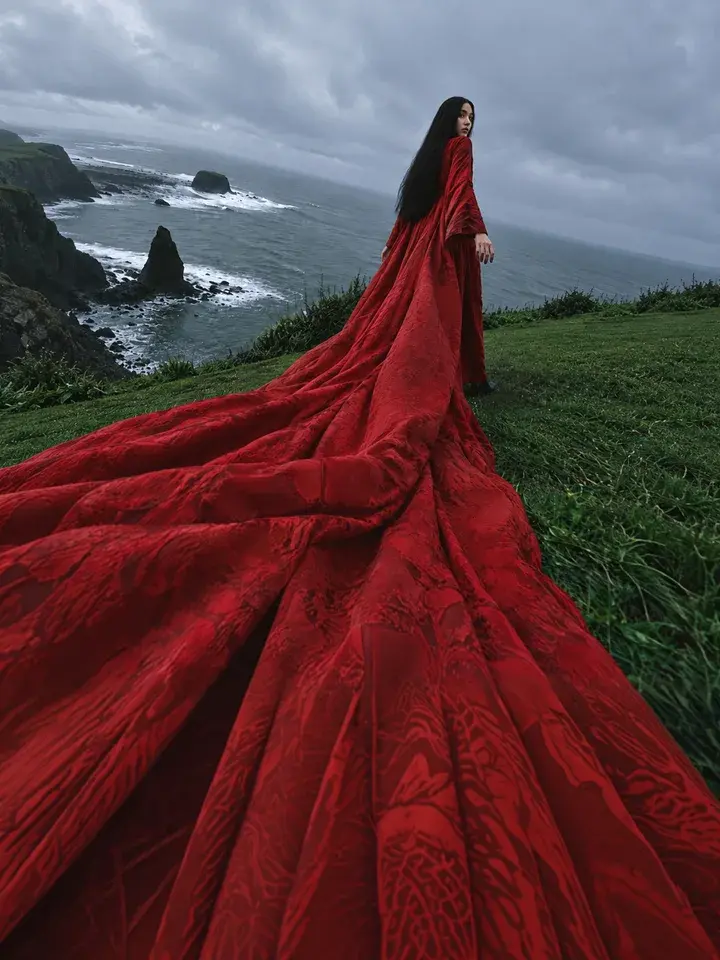
GPT Image 2.5 Flare
Copy
Use the uploaded image as the visual source and preserve the person’s recognizable identity, facial features, hairstyle, body type, clothing, footwear, accessories, colors, prints, materials and fabric textures. Create a completely new editorial composition built around extreme perspective foreshortening and an input-specific whole-body movement. Analyze the person’s silhouette, clothing volume, accessories, dominant body line and the directional structure of the original environment. Select the strongest graphic zone of the actual outfit or silhouette as the foreground anchor and align a long diagonal through the body almost toward the camera, placing the remaining body mass progressively deeper in space. The nearest zone occupies 35–50% of the composition and appears approximately three times larger than the farthest zone, producing an unmistakable near-to-far scale shift while the face remains clear and recognizable. Build the pose through the center of gravity, ribcage and pelvis with an asymmetrical transitional movement, spatial torso rotation, changing balance and limbs moving across different lateral and depth planes. The foreground anchor comes from the specific styling and body line rather than a default extended hand, knee or shoe. Determine the camera height, side and direction from the interaction between the unique body axis and the leading lines of the uploaded background, creating a different viewpoint for every person. Use a 10 mm rectilinear ultra-wide perspective with clean rectangular edge-to-edge coverage, uninterrupted corners and the lens completely outside the photograph. Keep the complete person visible from head to soles, including both hands, both feet, clothing and accessories, with breathing room around the entire silhouette. Preserve the same recognizable location, background elements, lighting, colors and atmosphere. The final image feels spontaneous, unconventional and strongly dimensional, with extreme perspective clearly visible before any styling effects.
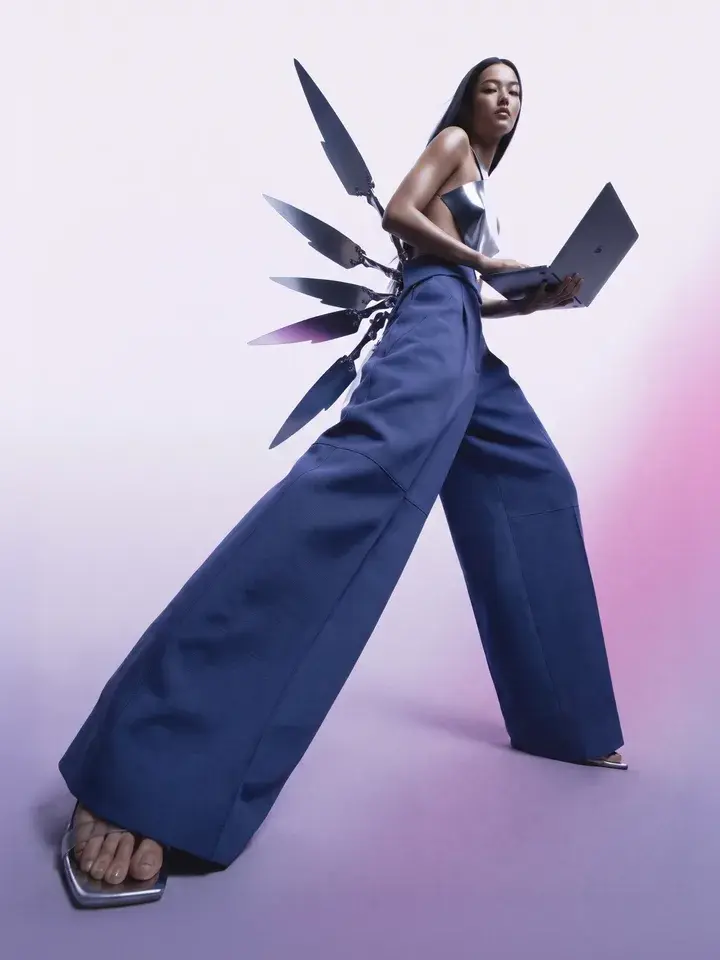
Nano Banana Pro
Copy
Use the uploaded image as the sole visual source and preserve the person’s exact recognizable identity, facial features, hairstyle, skin tone, body type, clothing, footwear, accessories, colors, prints, materials and fabric textures. Create an extreme full-body wide-angle fashion photograph in which perspective distortion is distributed continuously across the entire figure rather than concentrated in one hand, foot or isolated garment detail. Rebuild the pose so the head, shoulders, ribcage, arms, pelvis, knees, legs and feet occupy multiple clearly separated depth planes along one strong curved or diagonal spatial path. The whole person must feel stretched through three-dimensional space, with a gradual and dramatic scale transition running through the complete silhouette from the nearest broad body plane to the farthest body plane. Build the depth from large connected volumes of the shoulders, torso, hips, clothing and limbs; hands and footwear remain proportional continuations of this whole-body perspective. Use an 8 mm rectilinear ultra-wide lens at very close camera distance with full-sensor coverage, powerful spatial expansion and strong perspective convergence across the entire body and surrounding environment. The wide-angle effect must be visible simultaneously in the changing scale of the shoulders, torso, pelvis, arms, legs and background, while the anatomy remains naturally connected and the face stays clearly recognizable. Select a fresh camera height, direction and body axis from the specific silhouette, outfit and leading lines of the uploaded environment. Create an unconventional candid movement driven by the center of gravity, torso rotation and shifting balance, with the whole body participating in the gesture. Arrange the complete figure in deep perspective first, then frame the scene so the person remains fully visible from head to soles with both hands, both feet, every accessory and clear breathing room around the silhouette. Preserve the original location, background elements, lighting, colors and atmosphere, reprojected consistently through the new viewpoint. Use a clean rectangular edge-to-edge photograph with uninterrupted background in every corner and the physical lens outside the image.

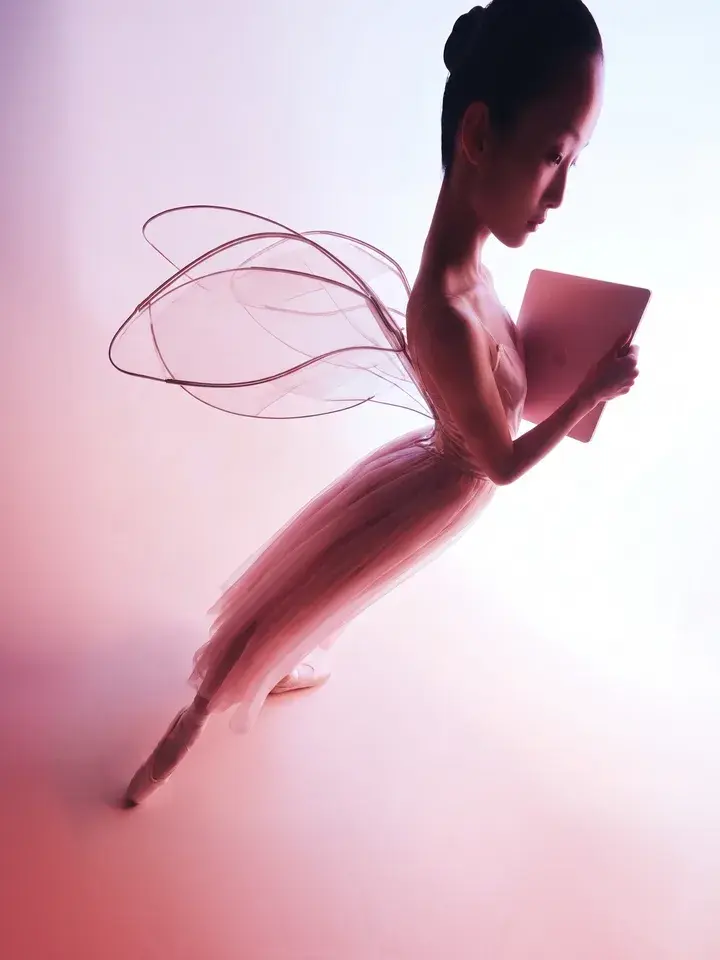
Nano Banana Pro
Copy
Use the uploaded image as the sole visual source and preserve the person’s exact recognizable identity, facial features, hairstyle, skin tone, body type, clothing, footwear, accessories, colors, prints, materials and fabric textures. Create an extreme full-body wide-angle fashion photograph in which perspective distortion is distributed continuously across the entire figure rather than concentrated in one hand, foot or isolated garment detail. Rebuild the pose so the head, shoulders, ribcage, arms, pelvis, knees, legs and feet occupy multiple clearly separated depth planes along one strong curved or diagonal spatial path. The whole person must feel stretched through three-dimensional space, with a gradual and dramatic scale transition running through the complete silhouette from the nearest broad body plane to the farthest body plane. Build the depth from large connected volumes of the shoulders, torso, hips, clothing and limbs; hands and footwear remain proportional continuations of this whole-body perspective. Use an 8 mm rectilinear ultra-wide lens at very close camera distance with full-sensor coverage, powerful spatial expansion and strong perspective convergence across the entire body and surrounding environment. The wide-angle effect must be visible simultaneously in the changing scale of the shoulders, torso, pelvis, arms, legs and background, while the anatomy remains naturally connected and the face stays clearly recognizable. Select a fresh camera height, direction and body axis from the specific silhouette, outfit and leading lines of the uploaded environment. Create an unconventional candid movement driven by the center of gravity, torso rotation and shifting balance, with the whole body participating in the gesture. Arrange the complete figure in deep perspective first, then frame the scene so the person remains fully visible from head to soles with both hands, both feet, every accessory and clear breathing room around the silhouette. Preserve the original location, background elements, lighting, colors and atmosphere, reprojected consistently through the new viewpoint. Use a clean rectangular edge-to-edge photograph with uninterrupted background in every corner and the physical lens outside the image.
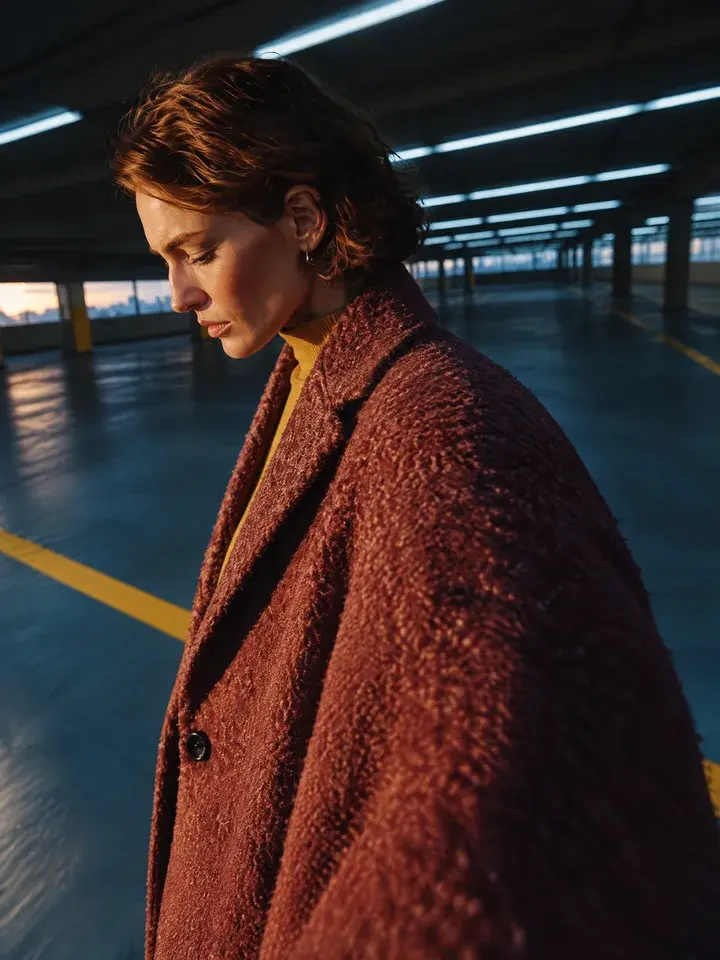
GPT Image 2.5 Flare
Copy
Edit the uploaded image itself rather than generating a new scene. Use it as the sole source for the person, pose, framing, clothing and environment. Preserve the exact number of people, recognizable facial identity, age, skin tone, hairstyle, body type, clothing, footwear, accessories, colors, prints, logos and fabric textures. Keep the original pose, gesture and amount of body shown: a portrait remains a portrait, waist-up remains waist-up, three-quarter remains three-quarter and full-body remains full-body. Change only the spatial projection and viewpoint. Analyze the complete visible silhouette and select an individual off-axis viewing direction based on its existing shoulder-to-torso line, body rotation and garment volume. Position the virtual viewpoint extremely close to a broad connected region of the visible figure, such as the shoulder with upper torso, side of the coat or torso with hip, and direct the entire silhouette diagonally through depth. Create one continuous perspective gradient across the whole visible person, with the broad nearest zone appearing approximately three times larger than the farthest zone and every intermediate area reducing gradually in scale. Keep the face, hands, knees and footwear proportional to their neighboring anatomy. Apply powerful near-field ultra-wide perspective to both the person and the existing environment through expanded foreground volume, rapid scale reduction, strong foreshortening, stretched edge space and converging background lines. Keep every originally visible body part inside the image with 8–12% surrounding space. Retain the same recognizable background elements, location, lighting, colors, weather and atmosphere, altering only their spatial perspective. Present the result as a standard rectangular edge-to-edge photograph with continuous environment reaching all four corners, coherent anatomy, preserved identity and detailed photorealism.


Nano Banana Pro
Copy
Use the uploaded image as the sole visual source and preserve one person’s exact recognizable identity, facial features, hairstyle, skin tone, body type, clothing, footwear, accessories, colors, prints, materials and fabric textures. Create an extreme close-proximity forced-perspective fashion photograph using 6 mm rectilinear ultra-wide optics at minimum focusing distance. Keep the anatomy coherent and generate all exaggeration through camera placement, viewing direction and real depth between body planes. Analyze the person’s silhouette, dominant clothing volume, accessories and the directional lines of the original environment, then redesign the pose and select a viewpoint specifically for this combination. Arrange the shoulders, ribcage, pelvis, clothing and legs along a deep oblique path aimed toward the camera so the whole figure recedes through space rather than remaining parallel to the image plane. Choose the nearest visual anchor from the actual structure of the outfit or movement: flowing fabric leads through its volume, structured outerwear leads through a shoulder or torso plane, a prominent accessory leads together with the body, and fitted clothing leads through the torso and pelvis. Hands and footwear remain integrated into the whole-body gesture rather than becoming the automatic foreground subject. Capture an unposed transitional movement driven by the center of gravity, spatial torso rotation, changing balance and opposing shoulder and hip directions. Create an unmistakable continuous scale gradient through the complete figure, with nearby body and clothing planes strongly enlarged and distant planes rapidly reduced. Build the extreme perspective first, then extend the original environment around the already-distorted figure until the entire person fits inside the frame from head to soles with both hands, both feet, every accessory and clear breathing room visible. Preserve the same recognizable location, background elements, lighting, colors and atmosphere. Use one person only and a clean full-bleed rectangular photograph with uninterrupted background in every corner and the physical lens outside the image.

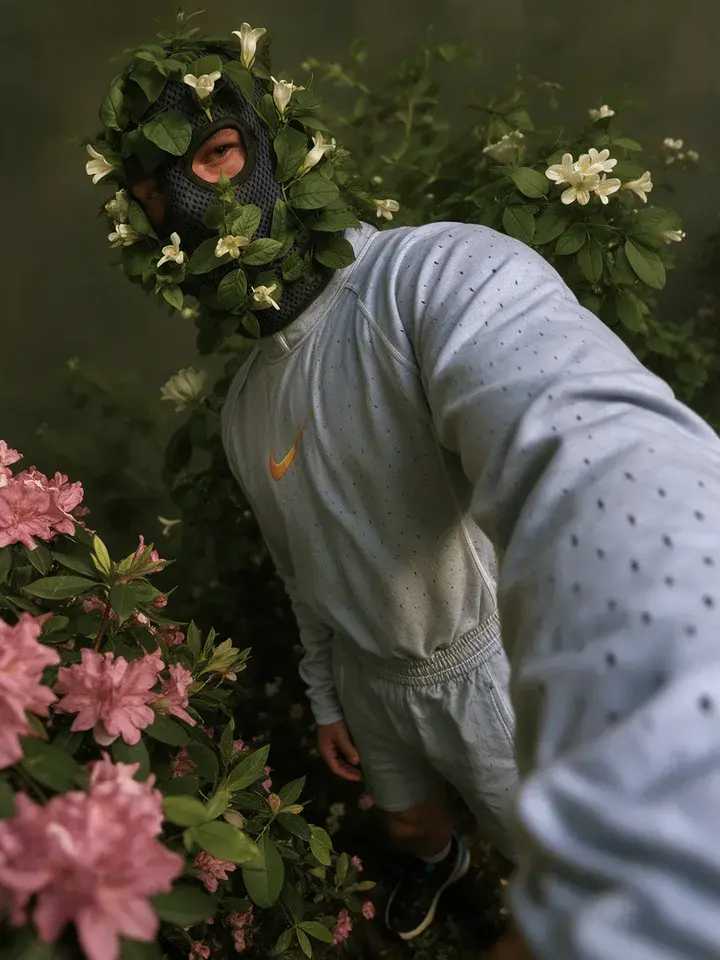
Seedream 5.0 Pro
Copy
Use the uploaded image as the authoritative full-scene reference. Preserve the exact number of people and each person’s recognizable identity, facial features, age, skin tone, hairstyle, body type, clothing, footwear, accessories, colors, prints, logos and fabric textures. Preserve the same recognizable location, surrounding objects, architecture or landscape, lighting, weather, time of day, palette and atmosphere. Preserve the source framing category and visible anatomy: a headshot remains a headshot, waist-up remains waist-up, three-quarter remains three-quarter and full-body remains full-body. Analyze the existing pose, silhouette, dominant body axis, garment volume and direction of movement, then choose an individual camera side, height, tilt and rotation that presents this specific figure most powerfully. Use the original pose as the source of dynamism and intensify its natural line through camera placement. Position an extreme rectilinear ultra-wide close-focus virtual camera at point-blank range beside a broad connected body or clothing plane such as the shoulder with torso, side of the coat, torso with hip or flowing fabric. Aim along the whole visible figure so the complete silhouette recedes through depth in one continuous scale cascade, with the nearest third appearing approximately three times larger than the farthest third. Keep the face, hands, knees and feet integrated with their neighboring anatomy. Make the extreme wide-angle perspective unmistakable across the entire person through expanded near volume, rapid scale reduction, powerful foreshortening, stretched peripheral space and environmental lines converging around the figure. Keep every originally visible part fully inside the frame with 8–12% breathing room. Reconstruct the same environment consistently from the new viewpoint and continue newly revealed areas seamlessly. The photograph fills the complete rectangular canvas edge to edge with natural background imagery in all four corners; optical hardware, circular image boundaries, black rims and vignetting are entirely absent.
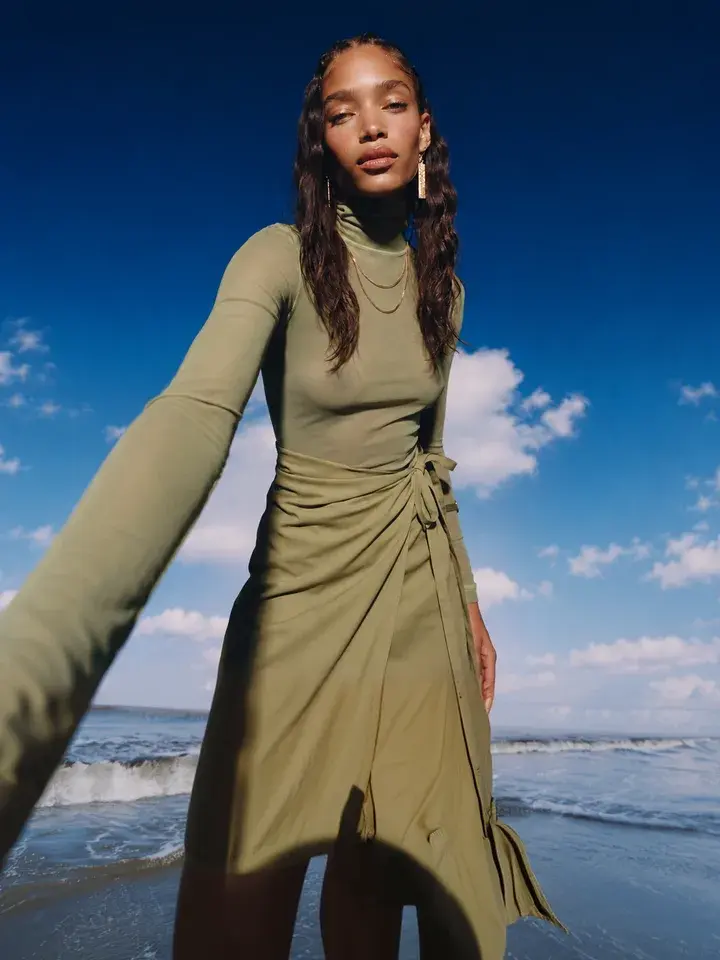
Nano Banana Pro
Copy
Use the uploaded image as the authoritative full-scene reference. Preserve the exact number of people and each person’s recognizable identity, facial features, age, skin tone, hairstyle, body type, clothing, footwear, accessories, colors, prints, logos and fabric textures. Preserve the same recognizable location, surrounding objects, architecture or landscape, lighting, weather, time of day, palette and atmosphere. Preserve the source framing category and visible anatomy: a headshot remains a headshot, waist-up remains waist-up, three-quarter remains three-quarter and full-body remains full-body. Analyze the existing pose, silhouette, dominant body axis, garment volume and direction of movement, then choose an individual camera side, height, tilt and rotation that presents this specific figure most powerfully. Use the original pose as the source of dynamism and intensify its natural line through camera placement. Position an extreme rectilinear ultra-wide close-focus virtual camera at point-blank range beside a broad connected body or clothing plane such as the shoulder with torso, side of the coat, torso with hip or flowing fabric. Aim along the whole visible figure so the complete silhouette recedes through depth in one continuous scale cascade, with the nearest third appearing approximately three times larger than the farthest third. Keep the face, hands, knees and feet integrated with their neighboring anatomy. Make the extreme wide-angle perspective unmistakable across the entire person through expanded near volume, rapid scale reduction, powerful foreshortening, stretched peripheral space and environmental lines converging around the figure. Keep every originally visible part fully inside the frame with 8–12% breathing room. Reconstruct the same environment consistently from the new viewpoint and continue newly revealed areas seamlessly. The photograph fills the complete rectangular canvas edge to edge with natural background imagery in all four corners; optical hardware, circular image boundaries, black rims and vignetting are entirely absent.

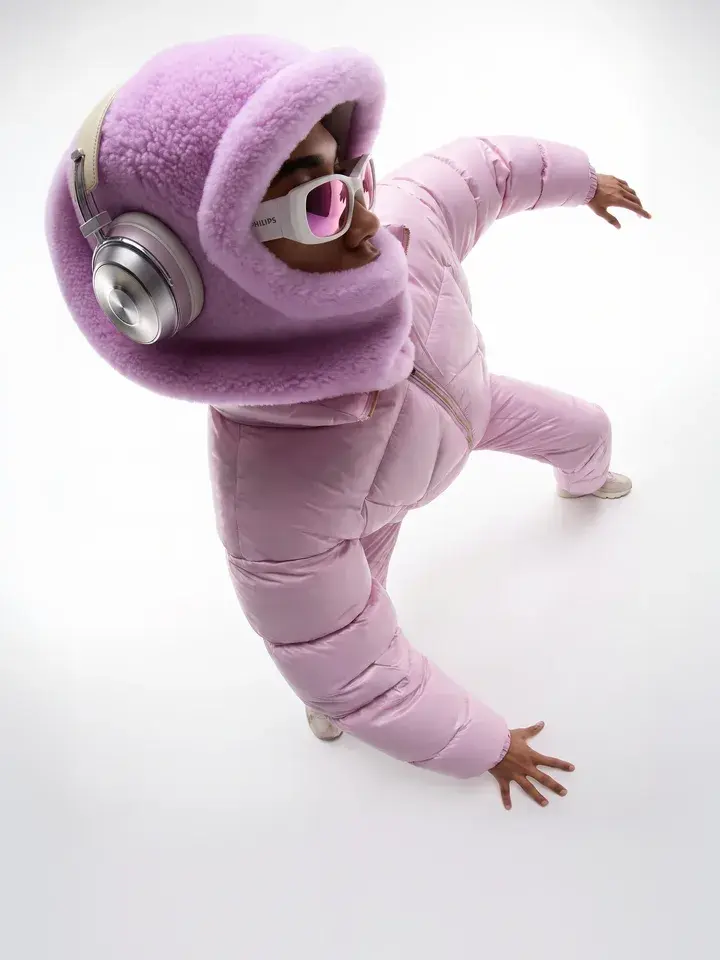
Nano Banana Pro
Copy
Use the uploaded image as the sole visual source and preserve the person’s exact recognizable identity, facial features, hairstyle, skin tone, body type, clothing, footwear, accessories, colors, prints, materials and fabric textures. Create an extreme full-body wide-angle fashion photograph in which perspective distortion is distributed continuously across the entire figure rather than concentrated in one hand, foot or isolated garment detail. Rebuild the pose so the head, shoulders, ribcage, arms, pelvis, knees, legs and feet occupy multiple clearly separated depth planes along one strong curved or diagonal spatial path. The whole person must feel stretched through three-dimensional space, with a gradual and dramatic scale transition running through the complete silhouette from the nearest broad body plane to the farthest body plane. Build the depth from large connected volumes of the shoulders, torso, hips, clothing and limbs; hands and footwear remain proportional continuations of this whole-body perspective. Use an 8 mm rectilinear ultra-wide lens at very close camera distance with full-sensor coverage, powerful spatial expansion and strong perspective convergence across the entire body and surrounding environment. The wide-angle effect must be visible simultaneously in the changing scale of the shoulders, torso, pelvis, arms, legs and background, while the anatomy remains naturally connected and the face stays clearly recognizable. Select a fresh camera height, direction and body axis from the specific silhouette, outfit and leading lines of the uploaded environment. Create an unconventional candid movement driven by the center of gravity, torso rotation and shifting balance, with the whole body participating in the gesture. Arrange the complete figure in deep perspective first, then frame the scene so the person remains fully visible from head to soles with both hands, both feet, every accessory and clear breathing room around the silhouette. Preserve the original location, background elements, lighting, colors and atmosphere, reprojected consistently through the new viewpoint. Use a clean rectangular edge-to-edge photograph with uninterrupted background in every corner and the physical lens outside the image.